REVIEW · TOKYO
Tokyo downtown bicycle tour Tokyo Backstreets Bike Tour
Book on Viator →Operated by 東京下町自転車ツアー Tokyo Backstreets Bike Tour · Bookable on Viator
Tokyo has a way of making you feel lost fast. This bike tour is a smart shortcut. You follow a guide through the quieter side of central sights, with quick stops for temples, a traditional sweet, and local neighborhoods. I like that it’s small-group and flexible, so you get more attention than on big group tours. I also like that you’re actually provided the bike and helmet, plus water and a snack before you roll out.
One thing to think about: the route relies on having good weather, and the bikes are folding models sized for most people between 140–180 cm. If you’re taller than that or want a tandem, you’ll want to plan ahead.
In This Review
- Key things to know before you pedal Tokyo
- Why this backstreets bike route feels like Tokyo’s real pace
- Getting set up: bikes, helmets, and ride expectations
- The stop-by-stop route: sakuramochi, shrines, crafts, and Skytree
- Stop 1: Yamamotoya for sakuramochi (cherry cake)
- Stop 2: Honryuin Matsuchiyama Shoden, tied to Sensoji’s world
- Stop 3: Imado Shrine, a wish-focused break
- Stop 4: Edo Taito Traditional Crafts Center (Edo Shitamachi Traditional Crafts Museum)
- Stop 5: Senso-ji Temple by bike, then on foot
- Stop 6: Kyu Yasuda Garden, a 17th-century breather
- Stop 7: Ryogoku Kokugikan (sumo stadium) for quick photos
- Stop 8: Oyokogawa Water Park toward Tokyo Skytree
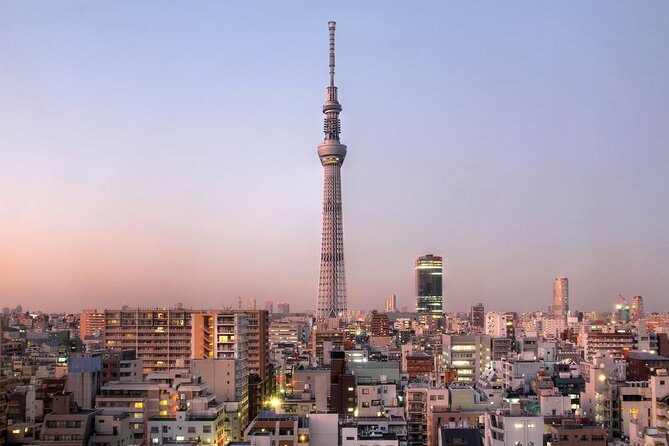
- Stop 9: Tokyo Skytree, under the structure
- Stop 10: Kyojima Minami Park and old-school neighborhood shopping
- How Takeshi-style guidance changes what you notice
- Pace and safety: comfortable cycling without stress
- Price and value: what $65.41 gets you in real Tokyo time
- Who should book this Tokyo Backstreets Bike Tour
- Quick practical checklist before your ride
- Should you book this tour?
- FAQ
- How long is the Tokyo Backstreets Bike Tour?
- What does the tour cost?
- What’s included in the price?
- Is a helmet required?
- What kind of bikes are used, and who can ride them?
- How many people are on the tour?
- Can the itinerary be customized?
- Are there admission fees at the stops?
- What happens if the weather is bad?
Key things to know before you pedal Tokyo
- Small group (max 6): easier conversation, faster help if something feels off.
- Backstreet route: you see central landmarks without spending all your time stuck in tourist lines.
- Sakuramochi stop included: a real local treat comes early, not at the end.
- Cycling plus walking: you’ll bike up to major spots, then step off to explore on foot.
- Folding bikes provided: practical for travel, with sizing info shared upfront.
- Helmet not mandatory: helmets are provided, but you decide; I’d wear one anyway.
Why this backstreets bike route feels like Tokyo’s real pace
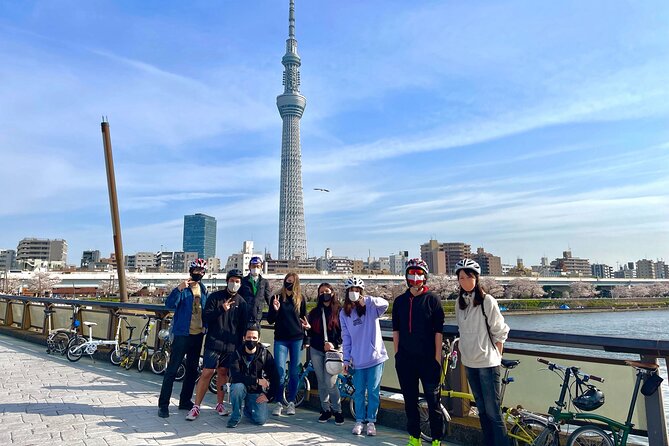
This isn’t a checklist-only ride. It’s more like a guided neighborhood loop that uses bikes to shrink travel time between places that are spread out. You start in the Sumida/Higashimukōjima area and work your way toward Asakusa and the Skytree side, so you get both “old Tokyo” texture and modern landmarks.
I like how the plan mixes famous sites with calmer, less obvious stops. In one morning or afternoon, you get a sense of Tokyo as people actually experience it: shrines where locals make wishes, gardens that slow your stride, craft spaces that explain what Tokyo makes, and shopping lanes that feel lived-in rather than staged.
You can also read our reviews of more cycling tours in Tokyo
Getting set up: bikes, helmets, and ride expectations
You meet at Tokyo Backstreets Bike Tour inside the shared office Synapse (Sumida City, Higashimukōjima, 2-chōme 24-14). The tour runs about 4 hours, and it loops back to the starting point, which makes it easy to build into your day.
Here’s the practical stuff that matters for comfort:
- Bikes are folding bikes with 14–20 inch wheels, suitable for most people 140–180 cm tall.
- Helmets are provided, but they are not mandatory.
- You’ll receive water and a snack from a traditional sweet shop before you begin.
- The guide can adjust the itinerary to match what you care about, within the overall flow.
In the reviews, the guide name that comes up most is Takeshi. He’s described as friendly, attentive, and willing to go a bit with your interests. That matters on a cycling tour, because small route choices can change how much you enjoy the day.
The stop-by-stop route: sakuramochi, shrines, crafts, and Skytree
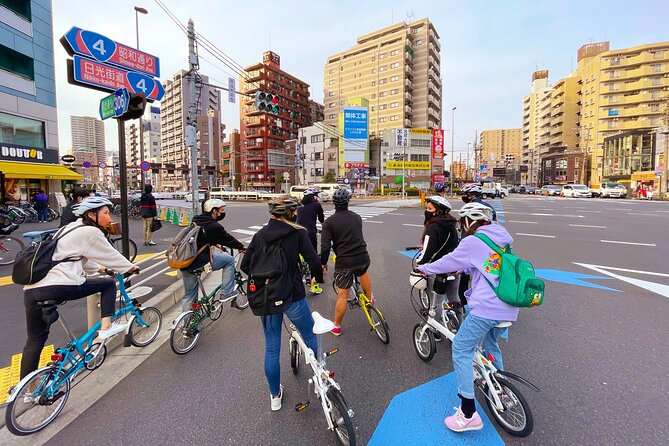
This tour moves through ten stops that build a theme: food and symbolism, then spiritual sites, then craft and daily neighborhood life, ending with the modern skyline.
Stop 1: Yamamotoya for sakuramochi (cherry cake)
You begin with Yamamotoya (Chōmeiji Sakuramochi). Sakuramochi is one of Japan’s most recognizable seasonal sweets: a cherry cake wrapped in a salt-pickled cherry leaf, filled with red bean paste. There’s a special appeal here beyond just taste. It’s a fast way to understand why Japanese sweets often carry meaning, not only flavor.
What to expect: about 10 minutes. You’ll likely spend enough time to enjoy the sweet and reset before riding.
Potential drawback: if you’re sensitive to red bean flavor, this is still a traditional stop. You can still enjoy the experience, but don’t expect it to be a neutral snack.
Stop 2: Honryuin Matsuchiyama Shoden, tied to Sensoji’s world
Next is Honryuin Matsuchiyama Shoden, part of Sensoji, founded in 595. This stop is short but distinctive because it leans into symbolism. The site features images of a daikon (Japanese radish) and a pouch. The daikon represents minds trapped in deep ignorance, based on the explanation given for the imagery.
What to expect: about 20 minutes, including time for photos and quiet looking. It’s a chance to slow down before you head into the larger Asakusa area.
Potential drawback: if you’re in a rush, 20 minutes can feel like a lot at the start. I suggest using that time to take a breath and let the tour settle into a calm rhythm.




Stop 3: Imado Shrine, a wish-focused break
Imado Shrine (founded in 1063) is known as a power spot, especially for people hoping for love, marriage, or partner luck. You’ll also see the beckoning cat and fortune cat, which are classic icons in Japan. The shrine setting adds energy without the noise of the busiest streets.
What to expect: about 15 minutes. Enough time to understand the icons and take a few respectful photos.
Potential drawback: power-spot popularity can bring crowds at certain times. It’s still a good stop, just plan on moving at the pace of others.
Stop 4: Edo Taito Traditional Crafts Center (Edo Shitamachi Traditional Crafts Museum)
Now you shift from wishes to making. The Edo Taito Traditional Crafts Center showcases traditional handicrafts. This is where you get a practical kind of culture learning: how craftsmanship shows up in daily life, not just in museums with no context.
What to expect: about 20 minutes. Look for the details and processes that explain how these crafts fit into the identity of the city.
Potential drawback: if you’re only interested in big landmarks, this might feel less cinematic. I find these stops are what separate a good day tour from a repeat of what you could do alone.
Stop 5: Senso-ji Temple by bike, then on foot
At Senso-ji, you bike in front of the Kaminarimon gate. Then you leave the bikes and walk inside the temple grounds. This stop is the big one, and the structure matters: cycling gets you there efficiently, but walking is better for the crowds and the slower atmosphere inside.
What to expect: about 20 minutes on foot. You’ll have time to look around, take pictures, and absorb the scale.
Potential drawback: Senso-ji is popular. Even with a time-boxed stop, expect busier surroundings.
Stop 6: Kyu Yasuda Garden, a 17th-century breather
After temples and crowds, you get a quieter reset: Kyu Yasuda Garden, a Japanese traditional garden built in the 17th century. Gardens in Japan work differently than parks elsewhere. The point isn’t just open space. It’s controlled views, layered paths, and a natural rhythm that makes you slow down.
What to expect: about 20 minutes of strolling and looking.
Potential drawback: if you’re taking photos nonstop, it can run longer than you planned. Try to enjoy it without turning it into a production.
Stop 7: Ryogoku Kokugikan (sumo stadium) for quick photos
Ryogoku Kokugikan is the sumo stadium area. You’ll cycle in front of it, with a brief window to take pictures, around 5 minutes.
What to expect: quick views, mostly exterior shots and a sense of place.
Potential drawback: five minutes is short. If sumo is a huge priority, you might want to build extra time elsewhere on your own.
Stop 8: Oyokogawa Water Park toward Tokyo Skytree
Now you ride through Oyokogawa Water Park as you head toward Tokyo Skytree. This is a useful stretch because it’s less about a single building and more about movement through Tokyo’s changing scenes.
What to expect: about 30 minutes cycling through the park area toward the tower. It breaks up the day so you’re not only stopping and starting.
Potential drawback: this segment can feel more exposed to sun or weather than the shrine/temple stops. Dress for the conditions.
Stop 9: Tokyo Skytree, under the structure
At Tokyo Skytree, you cycle under the tower. Being underneath it changes your perception of scale compared with looking from far away.
What to expect: about 10 minutes. Enough time for a few perspectives and photos.
Potential drawback: the area around major attractions can be crowded. You’ll want patience while cycling stays coordinated.
Stop 10: Kyojima Minami Park and old-school neighborhood shopping
You end near Kyojima Minami Park, where you can see old-fashioned shopping malls and daily life. This is one of the most memorable parts for me on tours like this, because it gives you that last “Tokyo after the sights” feeling.
What to expect: about 30 minutes. More browsing energy than museum energy.
Potential drawback: this is the area where you might want more time than you get. If you enjoy wandering, consider returning after the tour ends.
How Takeshi-style guidance changes what you notice
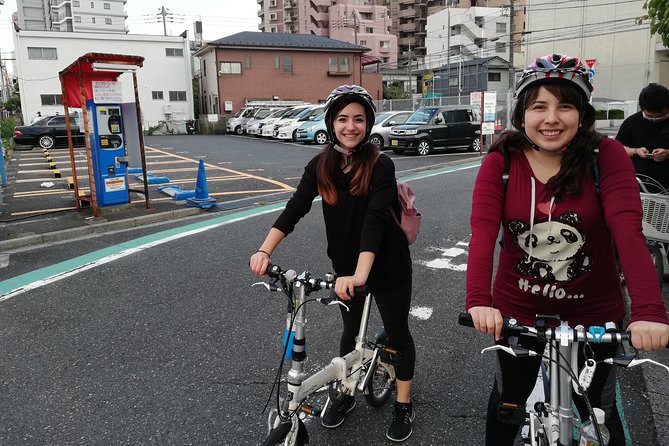
A bike tour lives or dies with the guide’s attitude and pacing. In the feedback I’m using to understand the experience, Takeshi shows up as a key part of why people recommend the tour: friendly, knowledgeable, and flexible.
What I find especially valuable is the combination of:
- Explanations at the stops: not just what the place is, but what to look for (symbolism, craft focus, shrine icons).
- Photo help: you’re riding, so having someone spot where to stop for good shots saves time.
- Adaptation: some people get extra time where they care most, like food and sweets, or particular neighborhoods.
Tokyo is cycle-friendly compared with many cities, and a guide helps you feel safe without turning every minute into cautious training. Reviews also mention that traffic felt manageable and streets were fairly quiet in the route design, which matters a lot for first-timers.
Pace and safety: comfortable cycling without stress
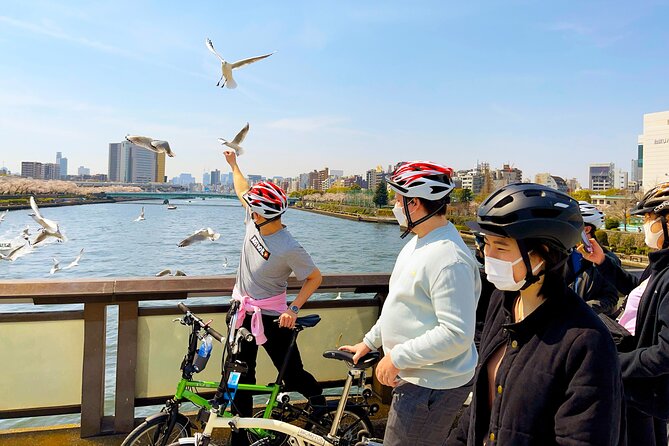
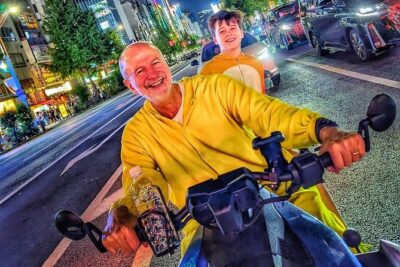
The tour is designed for most people to participate. The riding feels more like a guided city cruise than a workout class. You’ll get exercise, but it’s not punishing, especially since you stop often and dismount for walking segments like inside Senso-ji.
One practical tip: wear comfortable shoes. Even though it’s a bike tour, you will walk inside at least one major temple stop and spend time on paths in gardens and around shrines.
If you’re someone who doesn’t love close-contact group activities, you should feel okay here. The tour caps at 6 travelers, and the pacing described tends to be laid back, with room for questions.
Price and value: what $65.41 gets you in real Tokyo time
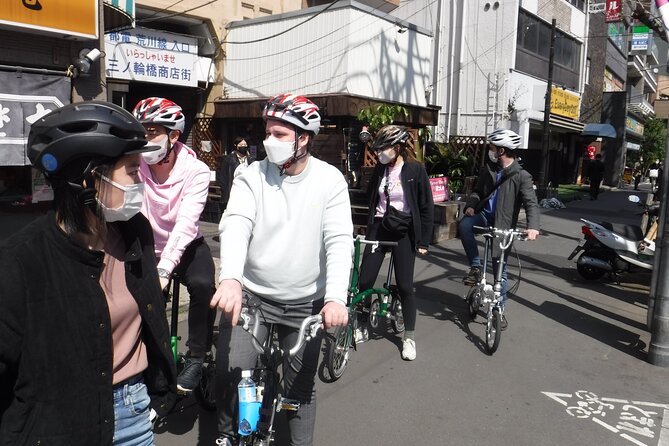
The price is $65.41 per person for about 4 hours. On the surface, it’s a lot less than private tours, and it’s more than a basic metro ride. Here’s what makes it feel fair:
- You’re paying for a guide who controls route flow and reduces the risk of getting lost in traffic and dense neighborhoods.
- Your transport is handled: you get a bike and helmet (even if helmets aren’t required).
- You’re not just seeing sights; you’re adding a cultural stop with food and context.
- Water and a traditional sweet snack are included at the right moment, so you’re not hunting for them mid-ride.
Also, bike tours can cover more ground than walking, and one review mentions roughly 15 km in about 4 hours. That’s the kind of distance that’s hard to rack up casually on foot while also seeing this many stops.
Who should book this Tokyo Backstreets Bike Tour
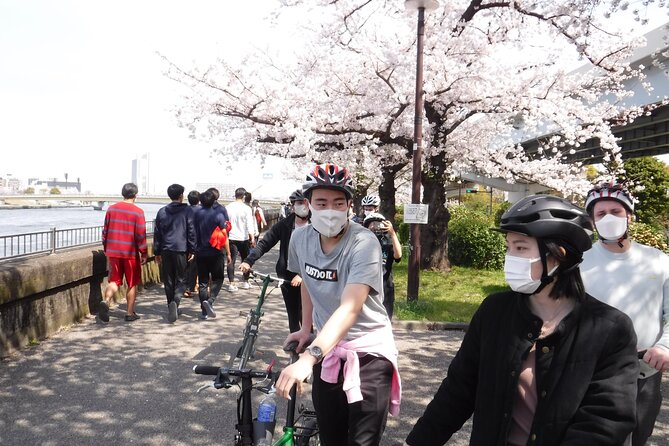
This is a great fit if you want:
- A small-group Tokyo experience with personal attention.
- A blend of classic icons and local-feeling neighborhoods.
- A day that feels efficient without feeling rushed.
It’s also a good choice for mixed-age groups, because the route is described as easy to follow. Families and people who want a change of pace from walking tours often like it because you get to see local life without the time sink of constantly tracing directions on foot.
If you’re tall (over 180 cm), or you want a tandem bike, plan ahead and message the operator before your date. The bike sizing detail is specific, and getting it right makes the ride much more comfortable.
Quick practical checklist before your ride
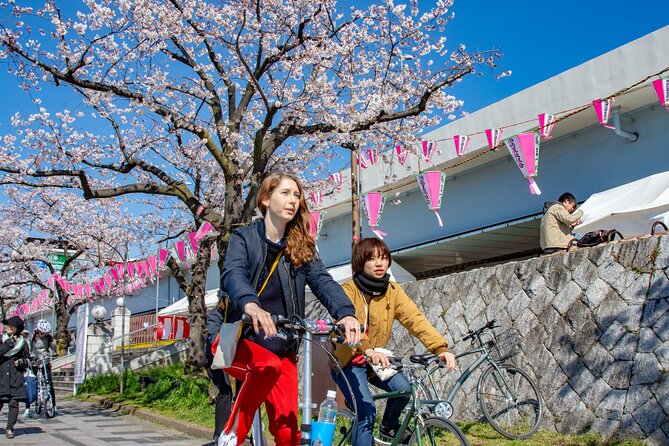
- If you want the helmets to be part of your plan, treat it as default gear since they’re provided.
- Dress for weather. The tour requires good weather, and conditions can matter for comfort.
- Bring your photo-chill mindset. You’ll have stops for photos, but it’s still a moving ride.
- If you have strong preferences (more temples, more craft, more food), count on the guide to adjust within reason.
Should you book this tour?
I’d book it if you want a high-value half-day that combines Tokyo’s signature highlights with calmer backstreet views, without spending hours figuring out logistics. The small group size and the guide-led stop explanations make it feel more like a curated local walk, just faster and with the added freedom of cycling.
Skip it only if you dislike walking inside big tourist sites like Senso-ji, or if weather disruptions would ruin your day plan. If you’re flexible and comfortable on a bike, this is one of the better ways to get that “I see Tokyo, but I’m not stuck in crowds all day” feeling.
FAQ
How long is the Tokyo Backstreets Bike Tour?
The tour runs for about 4 hours.
What does the tour cost?
It costs $65.41 per person.
What’s included in the price?
You get a rental bike, a helmet (helmets are not mandatory to wear), water, and a snack from a traditional sweet shop.
Is a helmet required?
No. Helmets are provided, but wearing one is not mandatory.
What kind of bikes are used, and who can ride them?
The tour uses folding bikes with 14–20 inch wheels, suitable for people between 140 and 180 cm tall. If you’re over 180 cm, you should inform the operator in advance.
How many people are on the tour?
The tour has a maximum of 6 travelers.
Can the itinerary be customized?
Yes. The itinerary can be customized to suit your needs.
Are there admission fees at the stops?
All listed stops in the schedule are marked as free admission.
What happens if the weather is bad?
This experience requires good weather. If it’s canceled due to poor weather, you’ll be offered a different date or a full refund.