REVIEW · TOKYO
Tokyo Asakusa Temple & Shrine Walking Tour with Local Guide
Book on Viator →Operated by Sunrise Adventure · Bookable on Viator
Asakusa clicks fast with a good guide. I love the small-group pace (eight max) and the fact that you’ll actually do the temizu and omikuji rituals instead of just walking past them. One drawback to plan around: it’s a tight 2 hours, so you won’t have time for long shopping stops on Nakamise.
This tour is built for first-timers who feel overwhelmed by crowds and signage. Your guide handles the route, explains the shrine-and-temple meanings, and helps you perform the rituals correctly—so you can focus on what you’re seeing. It’s also a solid value because Sensoji entry is free and your guide time is the main “cost.”
If you want a phone-ready experience, you’ll use a mobile ticket and meet near Azumabashi. Just be ready for lots of walking on stone paths and busy streets.
In This Review
- Key Highlights You’ll Feel Immediately
- Why Asakusa Makes Sense Faster With a Local Guide
- Price and Value: What $19.82 Buys You Here
- Where You Meet Near Azumabashi (and Why It’s Convenient)
- The 2-Hour Route: From Azumabashi Bridge to Sensoji Gates
- Azumabashi Bridge: Your Quick Orientation Stop
- The Thunder Gate (Kaminarimon) and the Lantern Story
- Nakamise Shopping Street: Snack Stops With Local Logic
- Sensoji Temple: Your Main Worship Walk Through Tokyo’s Old Core
- Temizu Cleansing, Prayer, and Omikuji: The Rituals That Make It Feel Real
- Asakusa Shrine: Understanding the Shrine Side of the Story
- Hozomon Gate: A Symbolic “Pause” Before the Main Scene
- Small-Group Size: Why Eight People Changes Everything
- What to Expect Day-to-Day: Timing, Pace, and Walking
- Who This Tour Fits Best (and Who Might Want Something Else)
- Should You Book This Asakusa Temple & Shrine Walking Tour?
- FAQ
- How long is the Tokyo Asakusa Temple & Shrine walking tour?
- How many people are in the group?
- What’s the price per person?
- What ticket do I need?
- Does the tour include visits to Sensoji Temple and Asakusa Shrine?
- What cultural rituals are included?
- Where do we meet for the tour?
- Does the tour end at the meeting point?
- Is Sensoji admission free during the tour?
- Can I cancel for free?
Key Highlights You’ll Feel Immediately
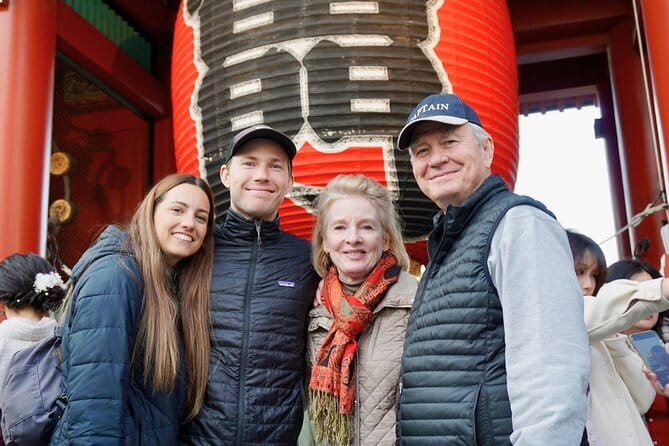
- Eight travelers max: easier questions, more attention, and less herd behavior around gates and incense
- Ritual guidance you can copy: temizu cleansing, prayer, and omikuji fortune-telling with clear cues
- Navigation that prevents wandering: your guide keeps you on the right lanes through Asakusa’s busiest bits
- Icon landmarks explained in plain English: Thunder Gate (Kaminarimon), the lantern story, and the gates’ symbolism
- Nakamise Shopping Street with context: you’ll know what you’re looking at before you decide what to snack on
Why Asakusa Makes Sense Faster With a Local Guide
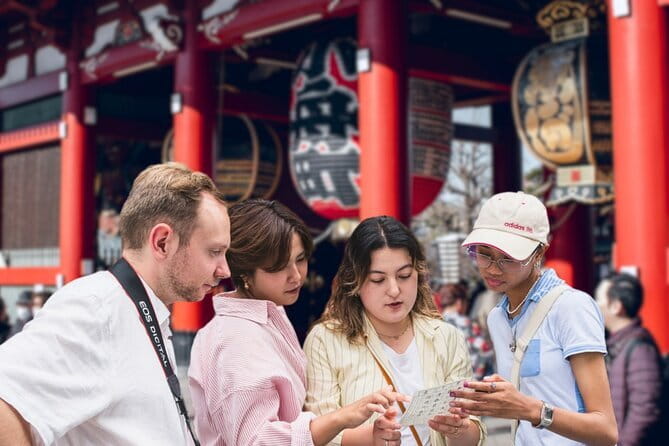
Asakusa is one of those Tokyo areas that feels both ancient and crowded at the same time. The streets around Sensoji can look chaotic if you’re navigating solo—temple entrances, side lanes, and souvenir shops competing for your attention.
With a local guide, the area stops being “stuff to see” and turns into a path with meaning. You’re led to the main sights in the order that actually helps your brain connect them: river view approaches → temple gates → main worship areas → the shopping street where visitors gather.
I also like the way the guide slows things down when it matters. When you’re about to do a ritual, you don’t just guess. You learn what people are doing, why they’re doing it, and what to do next.
You can also read our reviews of more walking tours in Tokyo


Price and Value: What $19.82 Buys You Here
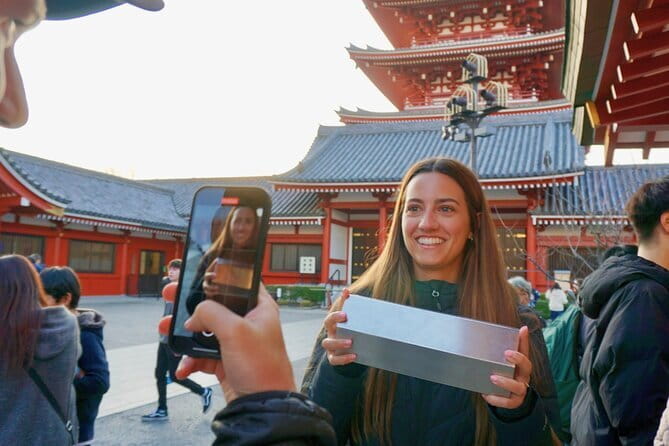
At $19.82 per person for about two hours, you’re paying mostly for guide time and interpretation. That’s the smart way to spend your budget in Tokyo, especially in areas like Asakusa where the “how to do it” part matters as much as the “what to see.”
Here’s the value math that makes sense:
- You’ll hit major icons like Sensoji and the Thunder Gate, not just a quick photo stop.
- Your entry is free for Sensoji, and your tour focuses on the guided experience around it.
- You get hands-on cultural moments: temizu cleansing, prayer, and omikuji fortune-telling.
You’re not paying for a fancy ride or a long sit-down meal. You’re paying to make the walking count—and that’s exactly what you get.
Where You Meet Near Azumabashi (and Why It’s Convenient)
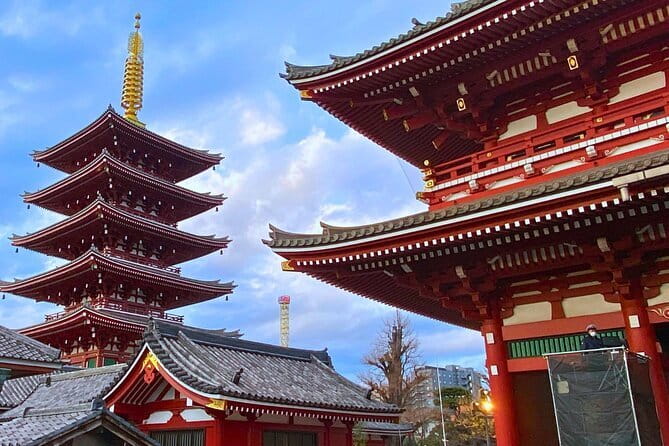
You’ll start at Burger King Asakusa Azumabashi in Taito City, near the Kaminarimon area. It’s a practical meeting point because it’s easy to spot and close to public transit options.
You also end back at the same meeting point. That’s a small thing, but it removes the stress of trying to figure out your next move right at the end of a busy morning or afternoon.
Tip: plan to arrive a few minutes early. Asakusa crowds can compress sidewalks, and you’ll appreciate having time to gather your group before walking starts.
The 2-Hour Route: From Azumabashi Bridge to Sensoji Gates
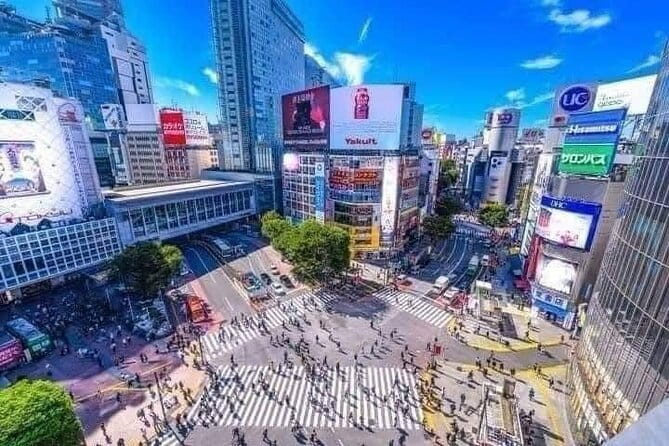
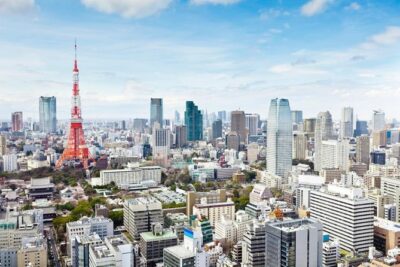
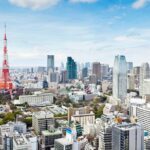
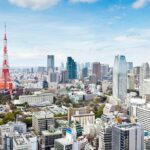
The tour starts with a quick visual reset at Azumabashi Bridge. You get views toward the Sumida River and the Tokyo skyline, which helps you understand where you are in relation to the old-and-new mix of the area.
Next comes the walk into Asakusa’s core. You pass through key points that set expectations:
- landmarks that tell you why this district was a gateway for visitors historically
- a sequence of temple-gate moments that guide you toward what you’re about to see
Even if you’ve seen photos of Sensoji, the walk order matters. It shapes your sense of arrival—how the gates build anticipation, and how the main temple area feels different once you’re actually inside the rhythm of worship.
Azumabashi Bridge: Your Quick Orientation Stop
This is the kind of stop that’s easy to skip if you’re on your own. But for a short guided tour, it’s a smart use of time.
From the bridge area, you can mentally place Asakusa: the river, the direction of foot traffic, and why visitors used this route to approach the temple district. It’s also a nice chance to take a few photos without feeling like you’re competing with people trying to squeeze past you at the busiest temple entry.
You can also read our reviews of more guided tours in Tokyo

The Thunder Gate (Kaminarimon) and the Lantern Story
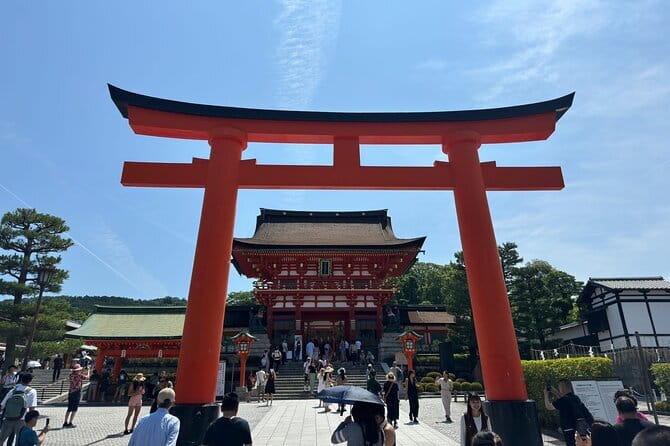
One of the signature moments is Kaminarimon, the Thunder Gate. You’ll learn the story behind it—including the detail about the famous 700kg red lantern and the idea of repeated reconstruction due to fires.
Why this matters: it turns a famous gate from a photo background into a symbol of endurance. It’s not just ornate architecture. It’s a reminder that these places survive by rebuilding and adapting over time.
You’ll also hear why the name connects to thunder—language and meaning that you might miss if you’re only reading a sign while rushing through.
Nakamise Shopping Street: Snack Stops With Local Logic
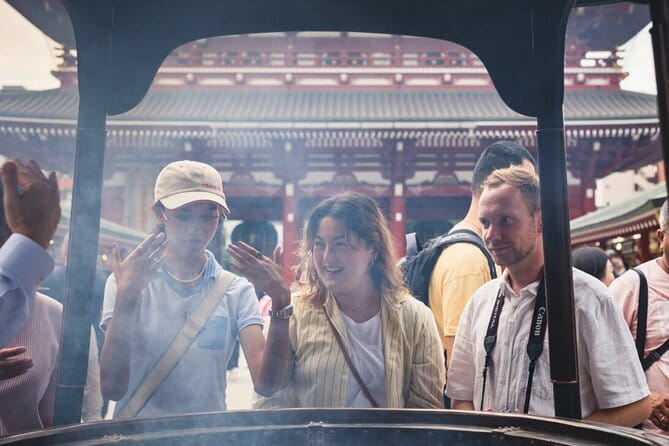
After the gates, the tour flows into Nakamise Shopping Street. This is where Asakusa’s visitor energy peaks: stalls, crafts, and a constant stream of people.
The advantage of the guided approach is that you’ll understand what you’re seeing before you decide where to stop. Your guide can explain the street’s origins and why it matters to the temple visit.
Also, you’re less likely to wander into the wrong lane looking for something specific. You get a sense for the street’s layout, and that makes it easier to grab a snack or souvenir without turning your tour into a long detour.
Sensoji Temple: Your Main Worship Walk Through Tokyo’s Old Core
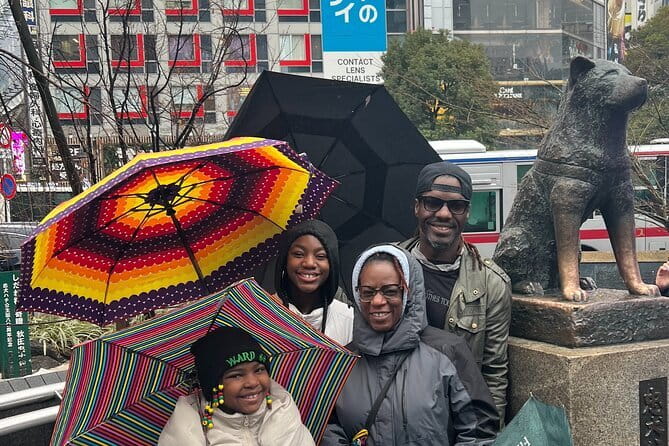
At Sensoji, you’ll be led through one of Tokyo’s most famous Buddhist temple areas. Expect explanations of cultural significance and a guided path that helps you find the key moments without getting stuck behind crowds.
The best part of this stop is context. Sensoji can feel like a blur of activity—incense smoke, prayer gestures, people moving in lines, and lots of symbolism. With a guide, those pieces click into place.
You’ll also see how Shinto and Buddhism are blended in everyday practice around this area. That doesn’t mean you need a religion lesson. It just means you’ll notice patterns of worship that feel less random.
Temizu Cleansing, Prayer, and Omikuji: The Rituals That Make It Feel Real
This tour doesn’t treat traditions like museum displays. It gives you a chance to participate in a few classic temple/shrine rituals:
- temizu cleansing (the hand-cleansing ritual)
- prayer at the worship area
- omikuji fortune-telling with reading tips so you’re not guessing
Temizu is one of those things you can accidentally do wrong if you’re self-guided—too fast, too slow, or confused about what order to follow. Here, you’re guided through the flow so you can copy what locals are doing.
Omikuji adds a fun twist because it’s interactive. You get your slip, and you learn how to interpret it enough to feel like you understand the message, even if your Japanese isn’t perfect.
This is also where small-group size helps. When you’re doing a ritual, you don’t want a line of 20 people hovering behind you. With eight max, you get enough space to focus and ask questions.
Asakusa Shrine: Understanding the Shrine Side of the Story
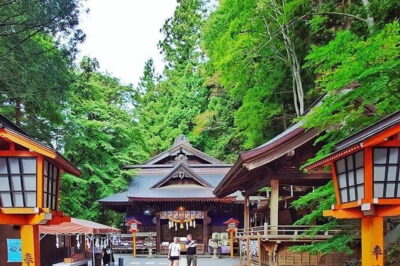
The tour includes time at Asakusa Shrine as well, helping you see that the Asakusa area isn’t only about Sensoji. You’ll learn how shrines fit into what you’re seeing and why that Shinto side matters in daily ritual life.
Even if you’re more interested in temple architecture, the shrine stop gives you balance. It helps explain why people move between worship spaces with different symbols and slightly different routines.
Hozomon Gate: A Symbolic “Pause” Before the Main Scene
You’ll also pass the Hozomon Gate. Your guide explains its role as an important cultural property and points out architectural and symbolic features.
This is a good place to slow down, look up, and notice details you might otherwise miss. Big gates are easy to photograph. They’re harder to understand without someone who can explain what you’re looking at.
Think of it as a mental breather that makes the next stop feel more grounded.
Small-Group Size: Why Eight People Changes Everything
A cap of eight travelers might sound like a trivial detail, but in Asakusa it’s practical. Narrow lanes, packed stair steps, and incense areas all favor groups that move with control.
Here’s what the small group does for you:
- you can ask quick questions without feeling rushed
- your guide can adjust pace when someone gets stuck behind a barrier of tourists
- ritual timing feels less stressful because you’re not always waiting in a long queue
One of the standout strengths is that the guide navigates so you don’t get lost. In a district where lanes loop back on themselves, that can be the difference between enjoying your walk and spending half your time hunting for the next gate.
What to Expect Day-to-Day: Timing, Pace, and Walking
This tour runs about 2 hours. That means:
- you’ll see the big icons and participate in rituals, but you won’t linger forever at each spot
- you’ll do a steady walking pace with short stops for photos and explanations
Wear comfortable shoes. The route uses temple approaches and stone or paved areas, and Asakusa crowds can make your step rhythm matter more than you expect.
If you’re the type who likes to stop, read everything, and take 40 photos per corner, you might feel a bit time-compressed. If you like guidance and structure, you’ll appreciate how efficiently it all comes together.
Who This Tour Fits Best (and Who Might Want Something Else)
This is a great fit if you:
- are new to Asakusa and want the key sights in a logical order
- want to do the rituals (temizu, omikuji) instead of only observing
- would rather spend energy learning than map-reading
It might be less ideal if you:
- want long shopping time on Nakamise
- prefer totally unstructured wandering with no fixed rhythm
- don’t want any crowds at all (Asakusa is always a popular stop)
Should You Book This Asakusa Temple & Shrine Walking Tour?
I’d book it if your goal is to understand what you’re seeing. For $19.82, you’re getting a tight route to Sensoji and the shrine areas, plus hands-on traditions that most visitors skip or do awkwardly on their own.
It’s also a smart choice when you’re short on time. Two hours is enough to get the main experience without turning your day into a full temple marathon.
If you’d rather pick and choose at your own speed, then you might prefer a self-guided plan. But if you want meaning and not just sightseeing, this one earns its spot.
FAQ
How long is the Tokyo Asakusa Temple & Shrine walking tour?
It’s about 2 hours.
How many people are in the group?
The group is capped at a maximum of 8 travelers.
What’s the price per person?
The price is $19.82 per person.
What ticket do I need?
You’ll use a mobile ticket.
Does the tour include visits to Sensoji Temple and Asakusa Shrine?
Yes, it includes guided visits to Sensoji Temple and Asakusa Shrine.
What cultural rituals are included?
The tour includes temizu cleansing, prayer, and omikuji fortune-telling.
Where do we meet for the tour?
The meeting point is Burger King Asakusa Azumabashi, with the address listed as 111-0034 Tokyo, Taito City, Kaminarimon, 2-chōme 206 クロスビルロイヤルパレス.
Does the tour end at the meeting point?
Yes, the activity ends back at the meeting point.
Is Sensoji admission free during the tour?
The tour includes an admission ticket listed as free for the Sensoji stop.
Can I cancel for free?
Yes, you can cancel up to 24 hours in advance for a full refund. If you cancel less than 24 hours before the start time, the amount paid is not refunded.