REVIEW · TOKYO
Asakusa: Geisha Performance and Tea House Experience
Book on GetYourGuide →Operated by 料亭都鳥 · Bookable on GetYourGuide
Geisha theater doesn’t get more personal. At Miyakodori’s Ozashiki Tea House in Asakusa, you’ll enjoy live shamisen with a graceful dance, then play an ozashiki-asobi game and talk with real geisha in an intimate room. The only real catch I’d flag is that you must order one drink per guest (the matcha is complimentary, but the extra drink isn’t).
This is a 75-minute, English-guided cultural evening: seasonal sweets, freshly whisked matcha, and a commemorative photo to take home. If you like small-group experiences and you enjoy asking questions (politely) instead of just watching from afar, this one fits Tokyo well.
In This Review
- Key things I’d watch for
- Why an Ozashiki Tea House in Asakusa Feels Different Than a Stage Show
- The 75-Minute Flow: Welcome, Dance, and Shamisen Music
- Ozashiki-Asobi Game Konpira Fune Fune: Laughing Like the Room Is Yours
- Matcha, Seasonal Sweets, and That Required Extra Drink
- Meet Real Geisha: Conversation, Questions, and the Photo Moment
- Price at $106: What You’re Really Paying For
- Best Time, Who It Fits, and How to Prepare
- My Balanced Take: The Big Wins and the One Real Consideration
- Should you book Miyakodori’s Ozashiki Tea House in Asakusa?
- FAQ
- Where is this experience offered?
- How long is the experience?
- How much does it cost?
- What’s included in the $106 ticket?
- Is a drink included?
- Do I need transportation to the venue?
- What language support is available?
- Is there free cancellation?
- Are meals included beyond sweets?
Key things I’d watch for
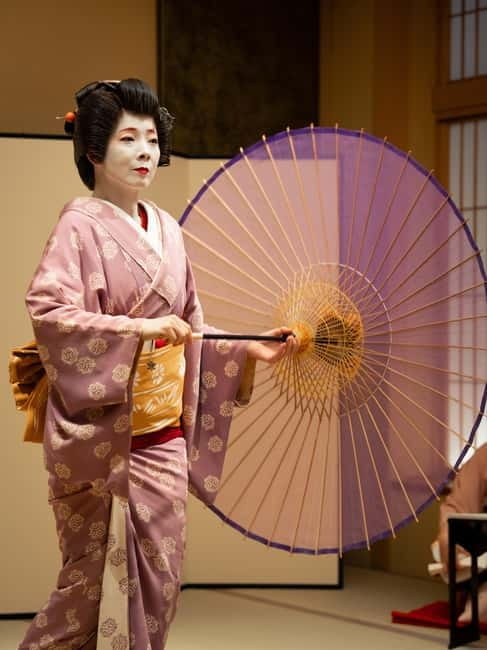
- A true ozashiki setting: low-seat formality and hands-on games, not a distant stage vibe
- Live shamisen music: you hear it in the room while the performance unfolds
- Konpira Fune Fune game time: a playful, laughter-driven break between acts
- Matcha + seasonal sweets: freshly prepared, timed to the show
- Commemorative photo with the geisha: a tangible memory, not just video clips
Why an Ozashiki Tea House in Asakusa Feels Different Than a Stage Show
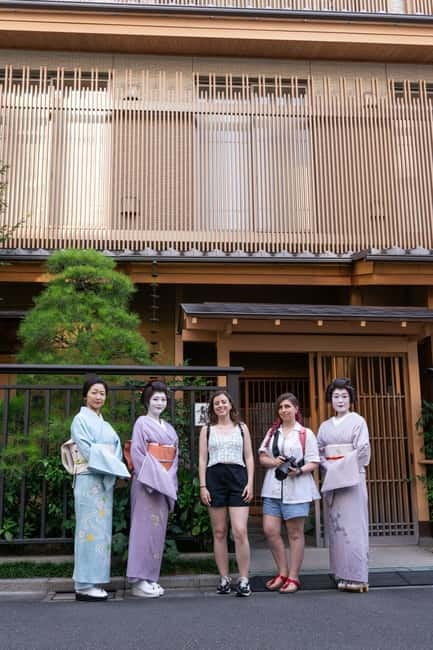
Asakusa is one of Tokyo’s places where tradition still shows up in everyday life, and this experience leans into that. Instead of treating geisha culture like a distant performance, you’re welcomed into a refined tea house atmosphere designed for conversation, small rituals, and shared entertainment.
What I like most is the mix of art and human interaction. You get live dance and shamisen music, then you’re brought into the fun with an ozashiki-asobi game. And because there’s an English host/greeter, you’re not stuck guessing what’s going on. You can ask questions, react naturally, and actually understand the mood of the evening.
The other strong point is pacing. Ninety minutes can feel long for a sit-down show, and 30 minutes can feel too short. Seventy-five minutes is just right for dance, music, games, sweets, matcha, and a photo without feeling rushed.
You can also read our reviews of more tours and experiences in Tokyo.



The 75-Minute Flow: Welcome, Dance, and Shamisen Music
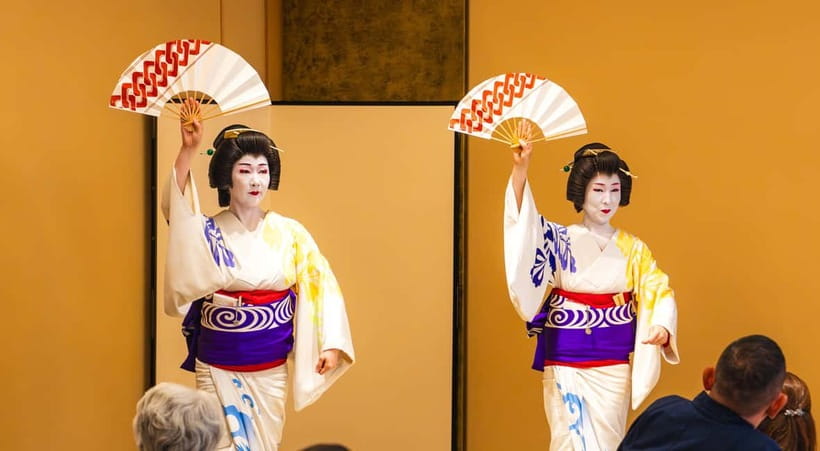
The evening starts with a welcome from the host/greeter. From the way the night is structured, you should expect that you’ll be guided step-by-step, and you’ll know what’s happening before each segment begins. That matters because Japanese performance etiquette can be easy to misread when you’re a first-timer.
Next comes the main performance: a graceful dance with live shamisen accompaniment. This isn’t recorded music. It’s performed in real time, which changes how you experience it. The rhythm and timing feel tighter, and you catch small details you’d miss in a video.
In some sessions, the performers are introduced by names like geiko Chizuru and maiko Tamaaki, with a musician/vocalist such as Shisa (these names have shown up in past sessions). Even if you don’t meet the same individuals, the format is clearly built around precision, poise, and music-first storytelling.
Between your viewing seats and the closeness of the room, you’ll likely feel like you’re watching artistry unfold right in front of you, not performing in a distant auditorium.
Ozashiki-Asobi Game Konpira Fune Fune: Laughing Like the Room Is Yours
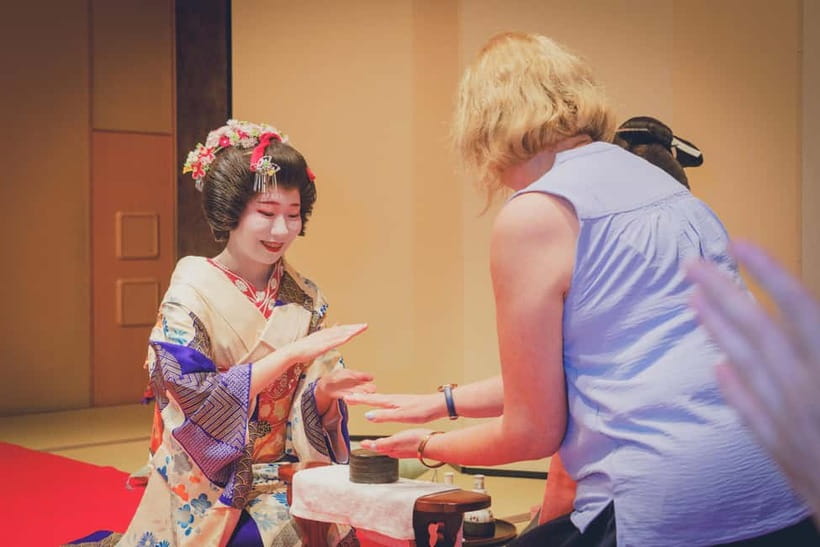
If you only went for the dance, you’d still get a beautiful cultural evening. But the real party energy comes from the ozashiki-asobi game: Konpira Fune Fune.
Ozashiki-asobi is the kind of entertainment meant for the sitting room. It’s not “gamification” for tourists. It’s light, traditional, and meant to loosen the atmosphere. That’s why it works so well for first-timers: you don’t need special knowledge. You just need to follow along and play.
Konpira Fune Fune is guided, and there’s usually enough interaction that you won’t feel like a spectator. In past groups, people described the game as hilarious and participatory, which tells me the hosts don’t treat it like a checkbox. They want the room to smile.
Tip from how the night is designed: be ready to laugh. You’re not there to study every hand movement like a museum label. You’re there to join in a living tradition.
Matcha, Seasonal Sweets, and That Required Extra Drink
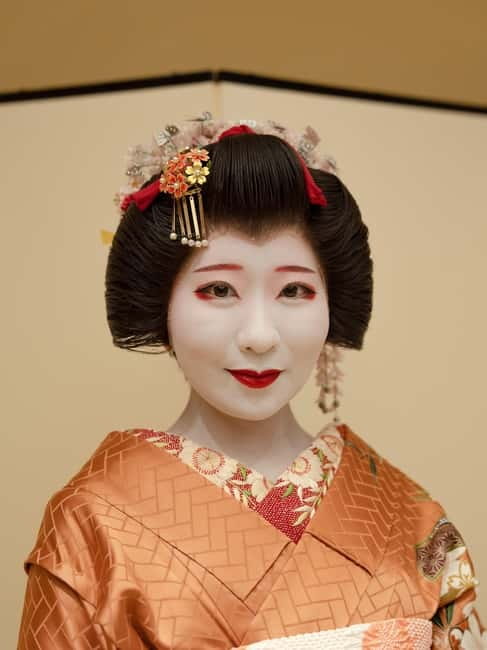
Your tea break isn’t generic. You get freshly whisked matcha plus seasonal Japanese sweets. Fresh matcha matters because it tastes different from pre-made drinks. You’ll likely notice the aroma and the creamy texture once it’s prepared for you.
One practical thing to plan for: the experience requires one drink order per guest, aside from the complimentary matcha. That drink can be alcoholic or non-alcoholic, but you should expect to pay for it as part of the experience setup.
So think of the $106 price as “the cultural program + matcha + sweets + photo,” with the additional drink as an add-on. It’s not a scam fee; it’s just part of how a tea house evening works. If you’re trying to keep costs tight, order a non-alcoholic drink and you’re in control.
Also, don’t overfill yourself beforehand. This is a short, ritual-style meal. You’ll want to be comfortable sitting and participating through the dance and game segments.
Meet Real Geisha: Conversation, Questions, and the Photo Moment
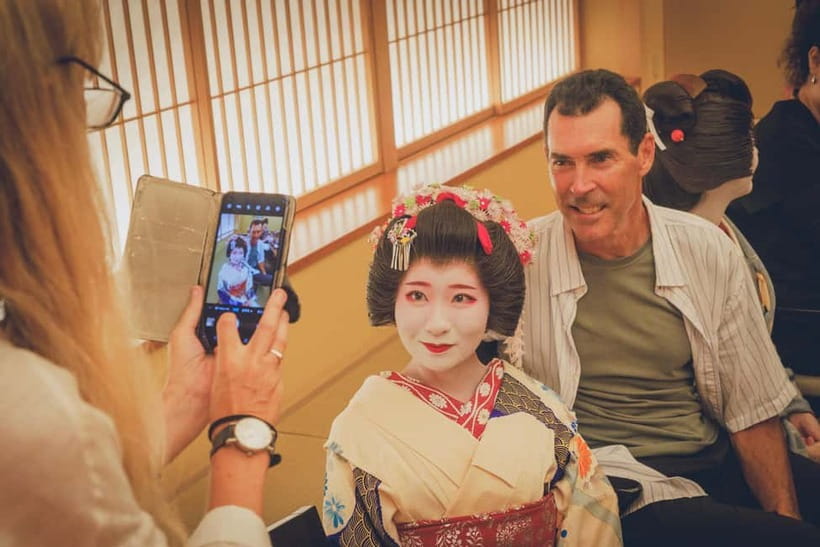
The headline here is meeting real geisha and learning about the world behind the performance. The structure is built around more than watching. You’re guided to ask questions, and you’re translated as needed (English is supported by the host/greeter).
This is where the experience becomes meaningful for me, because you’re not being lectured. You’re in a space where the performers can respond directly. People have specifically praised the chance to ask personal questions about life and training, which suggests the conversation portion is real, not staged.
If you’re wondering what to ask, keep it respectful and simple:
- How long does training take, and what do they practice first?
- What does a good performance day feel like emotionally?
- What’s the hardest part of dancing, music timing, or costuming?
- What do they want visitors to understand about the craft?
Then there’s the commemorative photo with the geisha. Photos can feel awkward in tourist settings, but here it’s positioned as part of the close of the evening—an actual keepsake rather than a rapid snap-and-go. It’s one of the few times you’ll walk out with a physical memory tied to the art, the tea, and the conversation.





Price at $106: What You’re Really Paying For
At $106 per person for 75 minutes, this isn’t “cheap Tokyo.” But it’s also not in the same category as buffet-style tours that burn through hundreds of seats.
You’re paying for:
- the time and performance work of the artists (dance + shamisen live)
- the hosting and translation
- the cultural game segment (ozashiki-asobi)
- seasonal sweets and freshly whisked matcha
- a commemorative photo
In other words, it’s closer to a private cultural evening than a standard group attraction. That’s why it tends to work best when you care about more than sightseeing photos. If you want to understand the etiquette, listen to the music up close, and actually speak with performers, the price starts to make sense.
If you’re the type who wants value as cost-per-minute, you might compare it to other Tokyo shows. But if you want value as cost-per-experience—something you can’t recreate on your own—this is one of those nights that earns its ticket.
Best Time, Who It Fits, and How to Prepare
This experience is designed for solo travelers, couples, and small groups. That’s important because the format works best when the group isn’t too large. Past sessions have included groups around the teens (roughly 16 people), which helps keep the room feeling intimate. If you like attention from the hosts and you don’t enjoy being hidden at the back, that small-group reality is a plus.
English support from the host/greeter means you’ll understand the flow of the evening and be able to participate without guessing.
How to prepare:
- Plan to wear something comfortable for sitting and low-seat etiquette.
- Come with curiosity. You’ll get more out of it if you’re ready to ask questions.
- Decide in advance what you want to do about the required drink order. If you don’t drink alcohol, you can still enjoy the evening fully.
Also, allow time to reach Asakusa and settle in. The tour description doesn’t include transportation, so you’ll need your own plan to get there. I recommend arriving a little early so you can relax before the welcome begins.
My Balanced Take: The Big Wins and the One Real Consideration
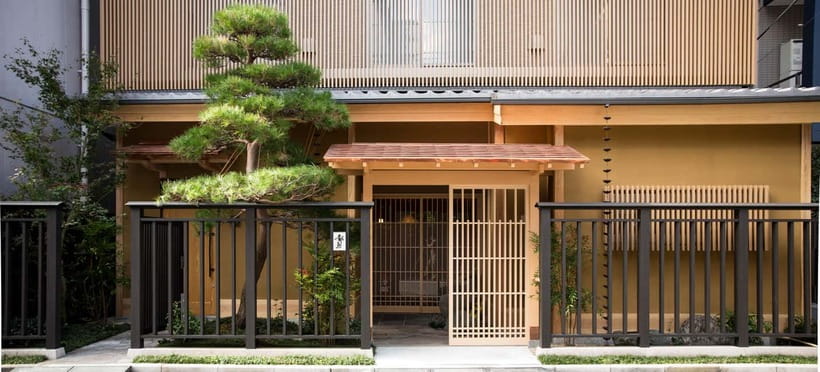
This is a standout experience for people who want Japanese culture that’s living, not staged from behind a rope. The live shamisen plus dance gives you real craft. The ozashiki-asobi game adds laughter and human warmth. And the chance to meet geisha and ask questions turns it from entertainment into understanding.
The one thing I’d call out is the drink requirement per guest. It’s not dramatic, but it can surprise you if you assume the matcha covers everything. If you’re budgeting tightly, choose your drink thoughtfully.
If you can handle that simple extra step, I think you’ll find this one of Tokyo’s most satisfying cultural evenings—especially if Asakusa is already on your list.
Should you book Miyakodori’s Ozashiki Tea House in Asakusa?
I’d book it if:
- you want a geisha encounter that includes conversation, not just a performance
- you care about traditional music like shamisen in a real room
- you’re happy to join a guided game like Konpira Fune Fune
- you like matcha culture and seasonal sweets as part of the experience
I might skip it if:
- you only want a quick, low-cost attraction
- you dislike sitting through a structured 75-minute program
- you’re very price-sensitive and don’t want to add the required per-guest drink order
If your goal is an intimate, art-focused evening in Asakusa that you can actually talk about afterward, this one is worth your time.
FAQ
Where is this experience offered?
It takes place in Asakusa, a district in Tokyo.
How long is the experience?
The cultural experience lasts 75 minutes.
How much does it cost?
The price is listed as $106 per person.
What’s included in the $106 ticket?
You get a 75-minute cultural experience, meeting with real geisha, a dance performance, live shamisen music, an ozashiki-asobi game, seasonal sweets, freshly whisked matcha, and a commemorative photo.
Is a drink included?
You receive complimentary matcha, but you must place one drink order per guest (alcoholic or non-alcoholic).
Do I need transportation to the venue?
Transportation to the venue is not included.
What language support is available?
The host/greeter is in English.
Is there free cancellation?
Yes. You can cancel up to 24 hours in advance for a full refund.
Are meals included beyond sweets?
Meals other than sweets are not included.