REVIEW · TOKYO
Tokyo: Harajuku Meiji Shrine to Shibuya Crossing Guided Tour
Book on Viator →Operated by gotcha · Bookable on Viator
Tokyo can feel huge on day one. This guided route links Meiji Jingu and Harajuku to Shibuya Crossing, so you get classic Tokyo scenes without fighting the streets. In about two hours, you’ll move from calm shrine grounds to trendy shopping lanes, then end at one of Japan’s most famous crosswalk stages.
What I really like is the simple structure: one guided flow that handles the navigating, plus time at the photo-worthy stops. I also appreciate the small group size capped at 10, which makes it easier to ask questions and actually hear the guide—especially when you’re new to Tokyo. You’ll also get an included chance to try omikuji (fortune paper), which is a small ritual that adds meaning to the shrine visit.
The main thing to consider is pace. This is a walking tour with moderate fitness expected, and you’ll spend about 20 minutes walking between Harajuku and Shibuya before your crossing time—so plan for comfortable shoes and don’t schedule anything too tight right after.
In This Review
- Key Highlights You’ll Care About
- Why This Harajuku to Shibuya Route Works for First-Time Tokyo
- Meiji Jingu Shrine: Free Entry, Big Atmosphere, and Fortune Paper
- Takeshita Street in Harajuku: Kawaii Shopping Time Without Getting Overwhelmed
- The Walk to Shibuya: Where Tokyo Distance Feels Real
- Shibuya Crossing: Photo Time Built for the Real Thing
- Tour Value: Why $79.73 Can Make Sense Here
- What You’ll Learn (Even If You Don’t Want a Lecture)
- Best Fit: Who This Tour is Perfect For
- Practical Tips Before You Go
- Should You Book This Guided Walk?
- FAQ
- Where does the tour start and end?
- How long is the tour?
- What’s included in the price?
- Is the group small?
- Do I need to speak Japanese?
- How much walking is there?
- What if I want to cancel?
- What happens if the tour doesn’t meet the minimum number of travelers?
Key Highlights You’ll Care About
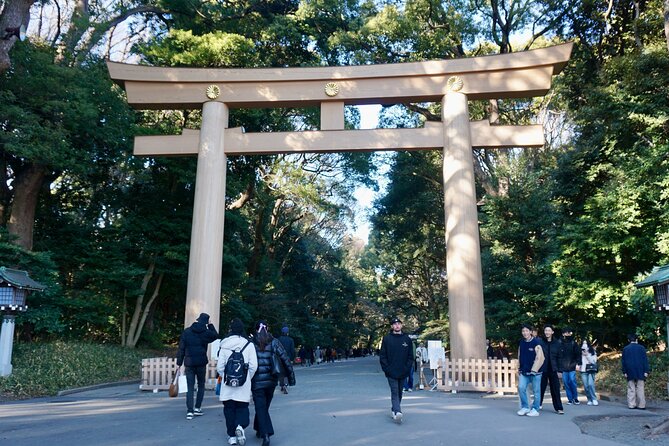
- Meiji Jingu first: start with a serene, historically significant shrine visit where you can pick up omikuji
- Harajuku without guesswork: guided time on Takeshita Street so you don’t just get swept along
- Photo stop at Shibuya Crossing: designed for the best “look-at-this” angles in limited time
- Small group cap (10 people): easier listening, fewer distractions, more human-scale Tokyo
- Mobile ticket: less friction on arrival, especially if you’re juggling trains all day
Why This Harajuku to Shibuya Route Works for First-Time Tokyo
Tokyo has a way of making you feel both excited and slightly lost—especially around the Harajuku and Shibuya areas. This tour fixes that by giving you a clear path through the neighborhoods most visitors want to see, without turning the day into an all-day transportation puzzle.
You’re basically getting three “Tokyo moods” back to back. Meiji Jingu is quiet and natural, Takeshita Street is pop-culture and shopping energy, and Shibuya is fast, bright, and camera-friendly. If you only have a short window, that combo is smart because it compresses variety into a manageable timeline.
One more underrated benefit: the guide helps you read what you’re looking at. You’re not just walking past landmarks—you’re getting context for why Meiji Jingu is so important and what Harajuku culture looks like at street level.
You can also read our reviews of more guided tours in Tokyo
Meiji Jingu Shrine: Free Entry, Big Atmosphere, and Fortune Paper
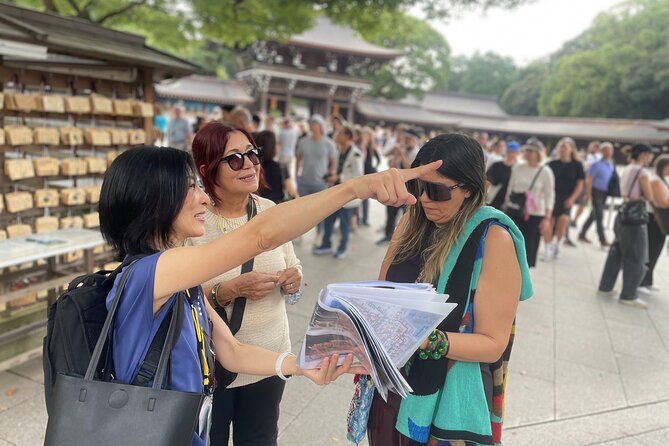
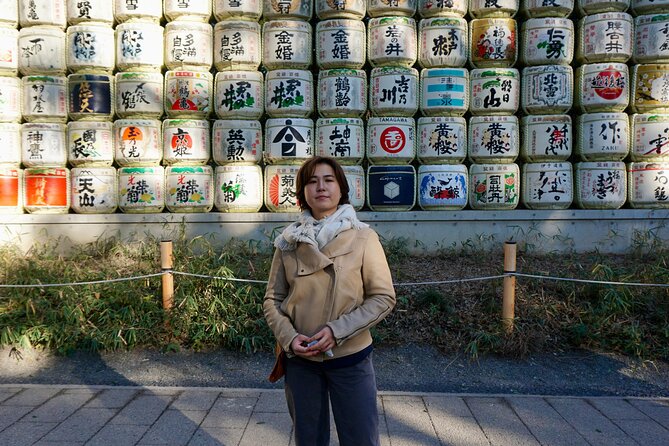
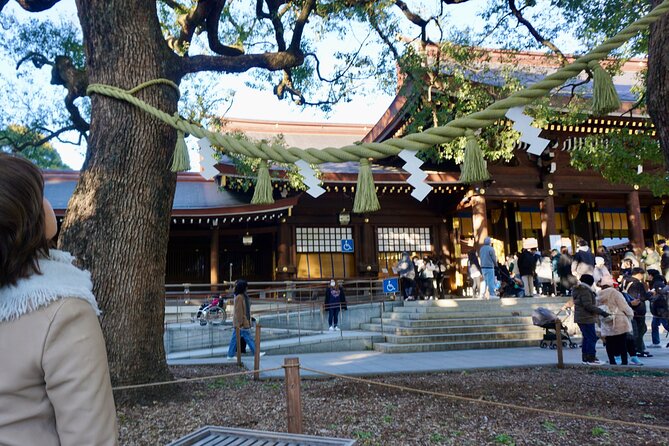
Meiji Jingu is the kind of place where even a short visit can change your mood. It’s famous for New Year’s visits (Hatsumode), and the experience is often described in terms of a calm, almost spiritual natural energy. Whether you come for history, tradition, or the feeling of stepping away from the city noise, this is a strong start.
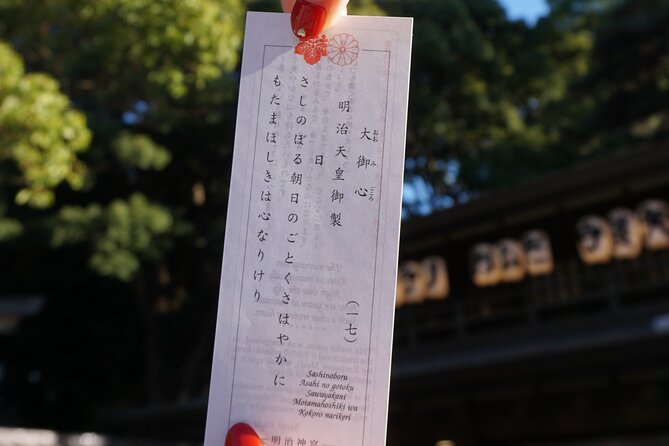
The tour gives you about an hour here, which is just enough time to slow down without feeling stuck. You also get the chance to take part in an included omikuji (fortune paper) ritual. It’s free to visit the shrine, but the omikuji fee is included—so you don’t have to hunt for what’s needed or decide on the spot.
Practical tip: wear something comfortable you can move in. Shrine visits tend to involve standing, walking paths, and lots of looking. And if you like photography, this is a great place to practice calm, steadier shots before you hit the crowd at Harajuku and the scramble at Shibuya.
Also, the guide’s commentary matters here. A well-known guide on this route is Naoko, praised for friendly, informative English. That kind of clarity helps you connect the symbols and setting to what’s actually happening around you.
Takeshita Street in Harajuku: Kawaii Shopping Time Without Getting Overwhelmed
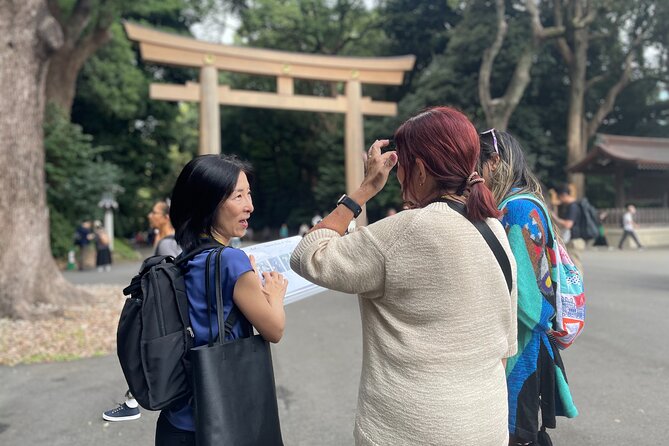
After the shrine’s quiet, Harajuku can feel like a hard cut to color and motion. Takeshita Street is where a lot of that energy shows up immediately: fast-moving crowds, fashion-forward storefronts, and the playful “kawaii” vibe most people picture when they imagine Harajuku.
You’ll have around 30 minutes here, which is the sweet spot. Long enough to browse a few shops, spot what’s interesting, and try street-style snacks—short enough that you don’t burn your whole day fighting foot traffic.
One thing I recommend: don’t treat Takeshita Street like a museum stop. Treat it like a sensory walk. Look at the storefront styles, the product displays, and the way people dress. You don’t need to buy anything to get the point of the neighborhood.
Food note: the tour mentions the classic Japanese-style crepe, and that’s an easy way to make the stop feel complete. If you do grab one, plan to keep eating simple and move on—crowds can make lingering awkward.
The Walk to Shibuya: Where Tokyo Distance Feels Real
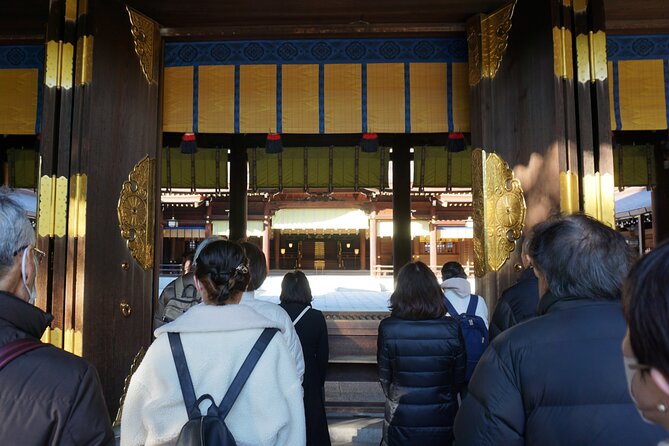
From Takeshita Street, you’ll move toward Shibuya with about a 20-minute walk. That’s not just “getting from A to B.” It’s part of the experience, because you’ll transition from a Harajuku fashion pocket into one of Tokyo’s busiest business and nightlife centers.
This segment is useful for two reasons. First, it keeps the tour fluid instead of breaking into multiple transit changes. Second, walking gives you a chance to see street life in between major sights.
The consideration here is timing and stamina. The tour does mention moderate physical fitness. That doesn’t mean you need to be an athlete, but you should be ready for continuous walking and crowds. If you’re prone to getting tired easily, pack a plan: small water bottle, and don’t schedule a long uphill climb right before this.
Shibuya Crossing: Photo Time Built for the Real Thing
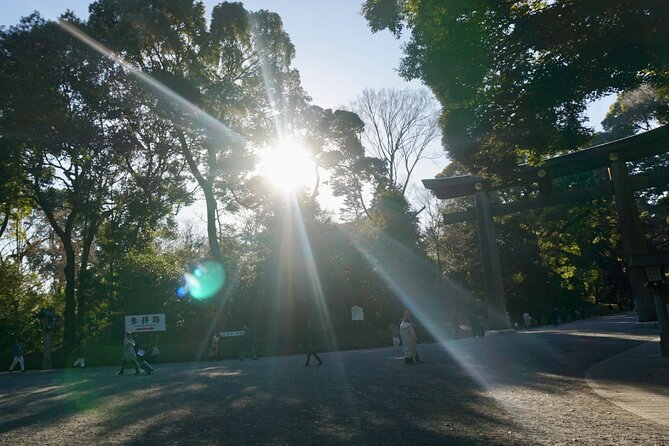
Shibuya Crossing is famous for a reason, and seeing it in person feels different than watching it online. The tour focuses on the famous scramble itself and sets aside about 30 minutes for that moment and photos.
A smart aspect of this stop is that it’s time-bounded. If you try to do Shibuya Crossing on your own without a plan, you can lose time in the surrounding area. With a guided window, you can get your photos, enjoy the spectacle, and still have enough energy left to continue your day.
Where you end is helpful too. The meeting end point is Shibuya Mark City, at a viewpoint right next to both JR and Ginza Line access. That’s practical because it reduces your “where do I go next” stress after the crossing.
Photography tip: don’t just shoot from one angle. In a scramble scene, your best photos usually come from changing your position a little—without blocking anyone. Use your 30 minutes like a short shooting session, not a single pose.




Tour Value: Why $79.73 Can Make Sense Here
At $79.73 per person for about two hours, this isn’t a bargain-basement deal—but it can be good value depending on how you travel.
You’re paying for three things that are expensive in real time: a guide who handles navigation, a small group that makes the experience easier to manage, and included activities like the omikuji fee. Also, both Meiji Jingu Shrine and the key sight stops are described with free admission for entry, so you’re not stuck with big ticket costs on top of the guide.
If you’re the type who enjoys wandering but hates logistics when your day is short, this tour can be the best kind of paid help. It reduces decision fatigue. You spend your brainpower on where to look and what to ask, not on which station exit is correct and how to cross crowded streets safely.
One more value signal: this tour is commonly booked about 31 days in advance. That usually means it’s popular for the exact reason you’re considering it—efficient route, tight timing, and a group size small enough to feel personal.
What You’ll Learn (Even If You Don’t Want a Lecture)
Good tours don’t just show. They translate. This one is built around commentary through the major transitions—from shrine tradition to Harajuku’s street culture to Shibuya’s modern global-city vibe.
At Meiji Jingu, the history angle makes sense because it’s tied to a real ritual culture. The New Year focus (Hatsumode) gives the shrine visit context beyond aesthetics. You’ll understand why the place draws crowds and what the atmosphere is trying to communicate.
At Harajuku, learning is less about dates and more about patterns: what “kawaii” style looks like up close, and how street shopping works as a social experience. The guide’s navigation role also means you’re less likely to miss the heart of Takeshita Street while getting swept around by crowds.
And at Shibuya Crossing, you’re not just watching motion—you’re learning how to appreciate it as a designed urban moment. The tour format gives you a focused time to take photos and watch the scramble without feeling lost.
Best Fit: Who This Tour is Perfect For
This is a great choice if you:
- want a first-time Tokyo route that doesn’t require map gymnastics
- like guided context but still want plenty of walking and photo time
- prefer small-group tours over crowded buses
- are short on time and want three major areas in one go
It’s also ideal if you enjoy a mix of tradition and street culture, because the day starts with Meiji Jingu’s calm and ends in Shibuya’s high-energy scene.
If you’re the kind of traveler who loves long, slow wandering with no schedule, this tour might feel structured. The beauty of the tour is its tight timing; the trade-off is you won’t slow down as much as you could on your own.
Practical Tips Before You Go
A couple of small moves can make your experience smoother.
Wear comfortable walking shoes. The tour is around two hours and includes a walking segment between Harajuku and Shibuya.
Bring a ready-to-go camera plan. Shibuya Crossing is the obvious photo target, but Meiji Jingu often offers calmer, more forgiving shots if you take a few minutes there too.
Plan your timing after. Since you end near major transit at Shibuya Mark City, you can keep the rest of your day moving. But give yourself enough buffer so you don’t feel rushed.
Finally, if your Japanese is limited (totally normal), you’ll likely appreciate the guide’s clear English. Naoko is a name you may see associated with this route, and the feedback highlights strong communication.
Should You Book This Guided Walk?
My take: yes, if you want an efficient, well-paced way to see the most iconic parts of Harajuku and Shibuya without getting tangled in transit and street chaos. This is especially worth it for first-time visitors who want the “great hits” fast, plus a little meaning at Meiji Jingu.
I’d skip it only if you have plenty of time and you prefer to build your own route with long stops. Also, if walking crowded areas stresses you out, recognize that this tour includes those exact vibes—so prepare accordingly.
If you’re on a tight schedule and want a small-group guide to do the heavy lifting, this is a solid booking.
FAQ
Where does the tour start and end?
It starts at Harajuku Station and ends at Shibuya Mark City, at the viewpoint next to both JR and Ginza Line.
How long is the tour?
The tour is about 2 hours.
What’s included in the price?
You get a tour guide and the omikuji (fortune paper) fee. Admission at the shrine is free.
Is the group small?
Yes. The tour is capped at a maximum of 10 travelers.
Do I need to speak Japanese?
The tour is guided in English, and the experience is designed for visitors who need help navigating.
How much walking is there?
There’s walking throughout, including about a 20-minute walk from Harajuku toward Shibuya.
What if I want to cancel?
You can cancel for a full refund up to 24 hours before the experience starts.
What happens if the tour doesn’t meet the minimum number of travelers?
If it’s canceled because the minimum isn’t met, you’ll be offered a different date/experience or a full refund.