REVIEW · TOKYO
Japanese flower arranging (Ikebana) Experience/Workshop in Tokyo
Book on Viator →Operated by Ruby · Bookable on Viator
Ikebana makes Tokyo feel slower, in the best way, and this small-group class pairs mindful flower arranging with hands-on coaching. I especially like how you get personal advice while still being encouraged to keep it playful, not stiff. One thing to consider: the workshop tools are included, but the specific containers and kenzan used for the final arrangement can cost extra if you want to take them home.
In practice, this is a great “one-stop” activity when your schedule is tight. You’re in a proper florist setting, you’ll learn a bit of how ikebana developed over time, and you’ll leave with photos from the session that help you remember what you made and how you made it.
In This Review
- Key points you’ll actually care about
- Why This Ikebana Workshop Fits Tokyo Schedules in Chiyoda
- Getting to the Workshop: Kōjimachi Meeting Point and Mobile Ticket
- What Happens in the Workshop: Your Hands-On Ikebana Flow
- Personalized Coaching Without the Stiff Rules
- Learning Ikebana History the Useful Way
- Tools and Materials: What’s Included vs What You Can Buy
- Group Size, Timing, and Peace of Mind
- Who This Workshop Is Best For (and When to Skip It)
- Price and Value: Is $100 Reasonable Here?
- So, Should You Book This Ikebana Workshop?
- FAQ
- What’s the duration of the ikebana workshop?
- Where does the workshop take place?
- How many people are in each group?
- What does the price include?
- Are containers included?
- Are kenzan included?
- Will I receive photos from the workshop?
- Are service animals allowed?
- Is the workshop suitable for kids and families?
- How does cancellation work?
Key points you’ll actually care about
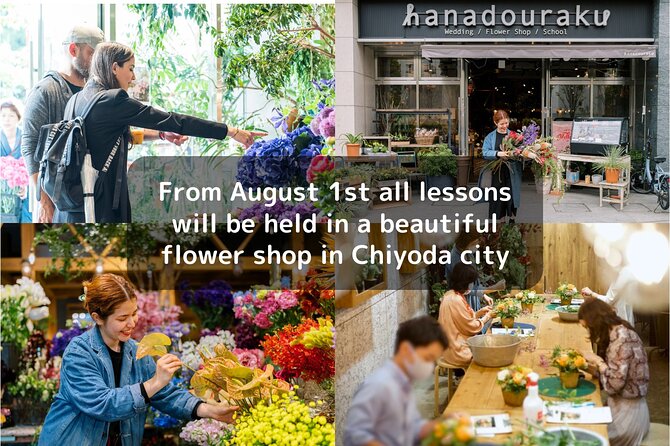
- Small group coaching: you’re not left to freestyle with a stem and hope
- Beginner-friendly mindset: it’s taught as self-expression, not strict rules only
- Tools and flowers included: you can focus on creating, not sourcing materials
- You get photos afterward: useful for memory and for recreating the look later
- Containers and kenzan are extra: optional purchases if you want your exact setup
Why This Ikebana Workshop Fits Tokyo Schedules in Chiyoda
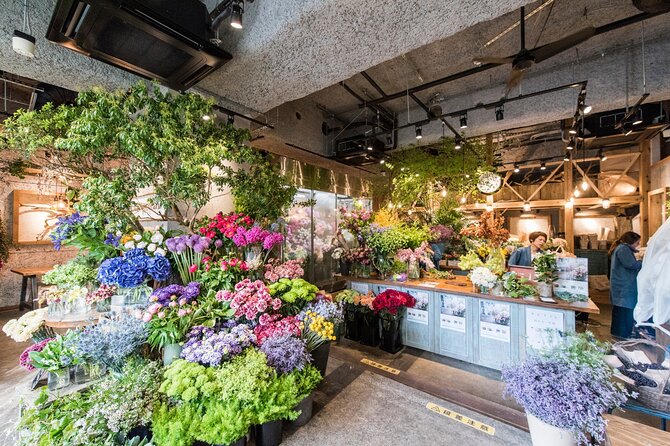
Tokyo can be loud, fast, and slightly relentless. This workshop is designed as the opposite: a calm, hands-on hour and a half where flowers do the talking. If you’re the type who finds sightseeing exhausting, you’ll probably like the switch from trains and crowds to cutting, placing, and stepping back to judge balance.
I also like the way the class is framed for real people. It’s not just an art lecture or a strict rules test. You learn what ikebana is about, but you’re encouraged to use the same underlying tools for your own style. That matters because it lowers the pressure. You get guidance, but you’re not expected to produce something museum-perfect on the first try.
The other big value for short stays: the time commitment is fixed and reasonable. At 1 hour 30 minutes, it’s easy to fit between other plans without needing a half day buffer.
You can also read our reviews of more tours and experiences in Tokyo



Getting to the Workshop: Kōjimachi Meeting Point and Mobile Ticket
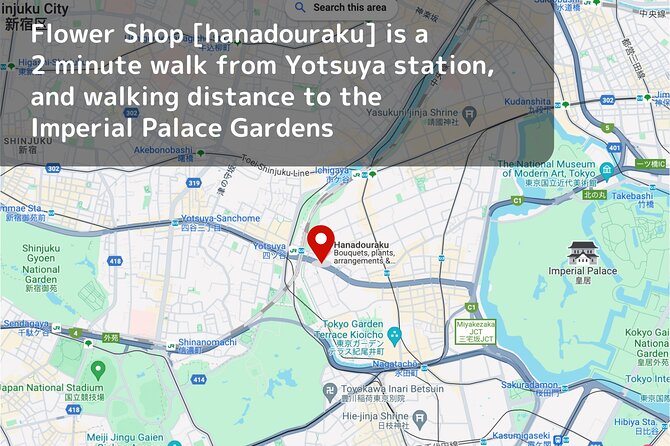
The meeting point is in Chiyoda City, Kōjimachi (6-chōme 46), and it’s near public transportation. That’s a big deal in Tokyo, where the “right” train line can save you a walk that feels three times longer than it should.
You’ll use a mobile ticket, and you should receive confirmation at the time of booking. Since the session ends back at the meeting point, you’re not piecing together multiple locations. In other words, you can treat this like a self-contained detour that still fits your day.
Practical tip: build in a little time to get oriented. Even if you know Tokyo pretty well, small studio addresses can take an extra minute or two to locate calmly.
What Happens in the Workshop: Your Hands-On Ikebana Flow
This isn’t a watch-and-clap experience. You’ll be actively arranging from the start, with a florist host guiding you as you go.
Here’s the typical rhythm you can expect:
1) Welcome and setup in the florist space
You’ll settle in with the group, get oriented to the tools, and start thinking in terms of shape and balance, not just color.
2) Quick grounding: why flowers matter
You’ll learn about the importance of flowers through human history and get a basic history of ikebana. This gives your arrangement more meaning than just decoration.
3) A teaching style that stays practical
The class focuses less on rigid rules and more on giving you the “why” and “how.” In the feedback, people repeatedly mention clear, helpful coaching and instructors who guide you step by step.
4) Hands-on arranging, with you controlling the pace
You’ll work on your arrangement using the provided tools and flowers. You can slow down when you’re figuring out spacing or angles, and you can ask questions when something feels unclear. Many participants highlight how easy the instructions feel and how supportive the teaching is.
5) Photos and wrap-up
You’ll share photos taken during the event. This is especially helpful because ikebana looks best when you can remember details like the line of the stems and the negative space around them.
Since this is a small group (maximum 15 travelers), you’re more likely to get direct feedback instead of waiting for a moment between other people.
Personalized Coaching Without the Stiff Rules
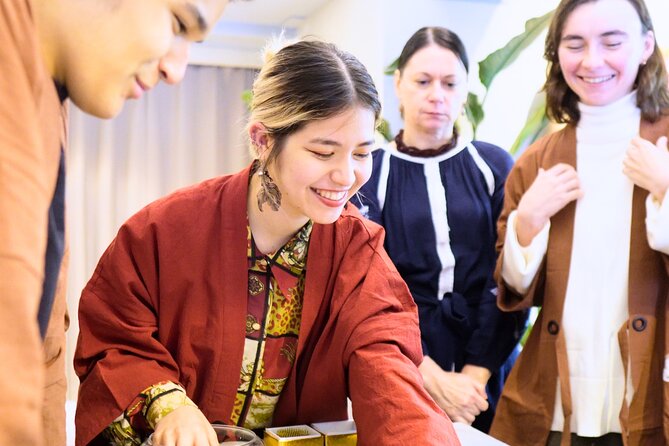
One of the most praised parts of this workshop is the guidance. People mention instructors who explain the different flowers you’re using and how to work with them. You should expect personalized tips based on what you’re building, not just a one-size-fits-all demo.
Just as important: the teaching approach is not about perfection. The structure still respects ikebana traditions, but you’re encouraged to use the tools for self-expression in a more free, playful way. That’s what makes it feel welcoming, including for kids and families.
If you worry about “not being artsy,” this is likely to suit you better than a workshop that treats beginners like an inconvenience. The class gives you enough direction to get unstuck, but it leaves room for your personality in the final shape.
Learning Ikebana History the Useful Way
The workshop does include background. You’ll learn the history of ikebana and why flowers have mattered across cultures and time. That information is helpful for two reasons:
- It explains why ikebana isn’t just arranging flowers to look pretty. There’s intention behind line, spacing, and proportion.
- It gives you better language for what you’re doing, so you can recreate it later without guessing.
In feedback, people also mention learning what flowers symbolize and practicing asymmetry with a kenzan. That combination is common in ikebana: asymmetry helps you avoid stiff symmetry traps and creates a more natural, lived-in feel.
Even if you’re not trying to become an expert, knowing the basic symbolism and approach helps your arrangement look thoughtful rather than random.






Tools and Materials: What’s Included vs What You Can Buy
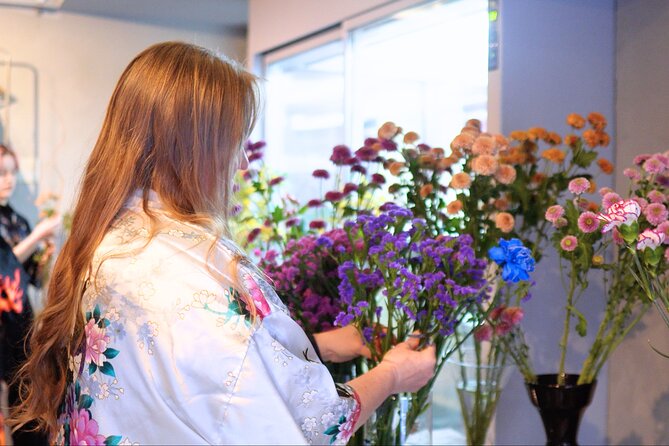
Here’s where the value math gets interesting.
Included:
- Use of ikebana tools
- The flowers used in your arrangement
- Photos taken during the event are shared
- Pets are welcome (yes, really)
- Service animals are allowed
Not included (optional purchases):
- Containers used in your arrangement are available for purchase
- Kenzan used in your arrangement are available for purchase
What that means for you: you can absolutely participate without worrying about sourcing basic materials. But if you want your exact finished piece to stay as-is, you may want to plan for a container or kenzan purchase. Some people in the feedback mention buying vases so they could transport the result afterward. If having a keep-sake at the end is your goal, factor in a little extra budget.
Also, if you’re bringing this home, consider practical transport. Flowers and containers are easy to bump. The workshop doesn’t list a specific packing method, so the safest approach is to bring a bag that can hold your container upright and avoid squishing.
Group Size, Timing, and Peace of Mind
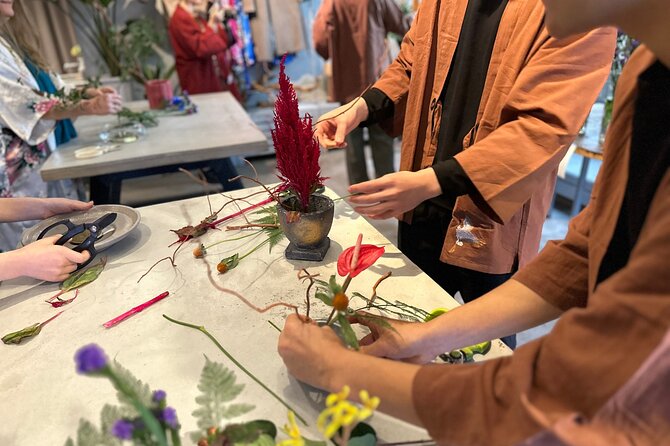
With a maximum of 15 travelers, this sits in the sweet spot between private tutoring and mass-class chaos. You’ll likely get enough attention to correct mistakes early, before your arrangement becomes a “well, I guess that’s the style” moment.
Duration is about 1 hour 30 minutes. That’s long enough to learn the basics, place stems thoughtfully, and finish with something you feel good about. It’s also short enough that you don’t end up with a half-day event that steals energy from the rest of your Tokyo plans.
And yes, the workshop’s purpose is also mental. It’s framed as a mindful way to step out of city stress. The practical payoff: you spend your time doing something with your hands that rewards focus, which feels great after hours of trains and walking.
Who This Workshop Is Best For (and When to Skip It)
You’ll probably love this if:
- You want a calmer Tokyo activity that isn’t another line and ticket scanner
- You like hands-on learning more than lectures
- You’re open to guided creativity and a bit of history
- You want a small-group experience with direct help
- You’re traveling with kids or want something family-friendly
You might pass if:
- You’re looking for a long, deep, highly technical training session with strict step-by-step rules only
- You have no interest in creating an arrangement at all and just want photos or sightseeing
This class is designed for people who want both guidance and freedom.
Price and Value: Is $100 Reasonable Here?
At about $100 per person, this workshop isn’t bargain-basement. But it’s also not just paying for flowers in a room.
You’re paying for:
- A real florist host guiding you as you arrange
- Included tools and flowers (so you’re not shopping separately)
- Photos from the session, which helps you remember what you did
- A small group size that supports actual coaching
- A mindful, short-format experience that saves time versus longer classes
If you compare it to buying materials yourself and figuring out ikebana from books or videos, the instructor time and structure can feel like the main value. And if you end up purchasing a container and/or kenzan, you can control your final spend based on what you want to take home.
Based on the very high satisfaction rate and consistent praise for instruction quality, the price seems aligned with the experience you’re getting.
So, Should You Book This Ikebana Workshop?
If you’re in Tokyo and you want one activity that feels authentic, hands-on, and calming, I’d book this. The combination of personal guidance, included tools and flowers, and photos you can keep makes it a practical souvenir of your time in Japan—not just another photo you’ll scroll past later.
I’d especially book it if you like the idea of creativity with guardrails, plus a little history that helps you understand what you’re doing. Just plan for optional purchases (containers and kenzan) if you want the final setup to match what you built during class.
FAQ
What’s the duration of the ikebana workshop?
It runs for about 1 hour 30 minutes.
Where does the workshop take place?
The meeting point is in Chiyoda City, Kōjimachi (6-chōme 46, Japan 102-0083 Tokyo). It ends back at the meeting point.
How many people are in each group?
The workshop has a maximum of 15 travelers.
What does the price include?
Included are ikebana tools, the flowers used in your arrangement, and photos taken during the event (shared with you). Pets are also welcome.
Are containers included?
No. Containers used in the arrangement aren’t included in the price, but they’re available for purchase.
Are kenzan included?
No. A kenzan isn’t included in the price, but it’s available for purchase.
Will I receive photos from the workshop?
Yes. Photos taken during the event are shared.
Are service animals allowed?
Yes, service animals are allowed.
Is the workshop suitable for kids and families?
Yes. Kids and families are welcome.
How does cancellation work?
You can cancel for a full refund up to 24 hours before the experience’s start time. Changes made less than 24 hours before the start time aren’t accepted. Free cancellation applies as described.