REVIEW · TOKYO
From Tokyo: Fuji Mountain Area – FujiQ – Lake Kawaguchiko – Chureito Pagoda
Book on GetYourGuide →Operated by Tokyo Turismo Ltda · Bookable on GetYourGuide
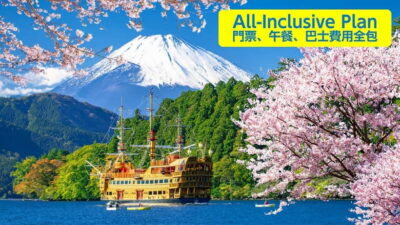
Snow-capped Mount Fuji, without the hassle. This private Tokyo-to-Fuji outing strings together the classic viewpoints most people only see in photos: Oishi Park, Lake Kawaguchiko, Oshino Hakkai, and the Chureito Pagoda.
I really like two parts in particular: Oishi Park for its Mount Fuji framing with seasonal flowers, and the Chureito Pagoda stop timed for sunset-style views and wide-angle panoramas.
One thing to consider: the Mount Fuji views depend on weather and the day’s road conditions, so winter trips may shift to keep you safe and still get the best sightlines.
In This Review
- Key highlights worth planning for
- A comfortable Mt. Fuji day from Tokyo that actually feels like your day
- The drive to Fuji: 7 hours that start with a real departure
- Oishi Park: where Mount Fuji looks like it was staged
- Mount Fuji stop: the warm-up for the rest of the day
- Lake Kawaguchiko: reflections, fresh air, and a chance to choose your view
- Oshino Hakkai: crystal-clear springs with a story you can walk through
- Fujiyoshida photo stop: the bridge between viewpoints
- Chureito Pagoda at sunset: the classic Fuji postcard in real scale
- Private guide energy: why the names people mention keep coming up
- What’s included (and what you’ll pay separately)
- Price and value: $292 per person for a private Fuji day
- Timing and weather: the one variable you can’t ignore
- When adding FujiQ Highland actually makes sense
- Who this tour is best for
- Should you book this Mt. Fuji private tour?
- FAQ
- Where does pickup happen?
- How long is the tour and when do you return?
- What sights are included in the route?
- Are attraction tickets or entrance fees included?
- What languages do the guides speak?
- Can the itinerary be adapted to my preferences?
Key highlights worth planning for
- Door-to-door pickup and drop-off in Tokyo’s 23 wards (from your hotel or Airbnb)
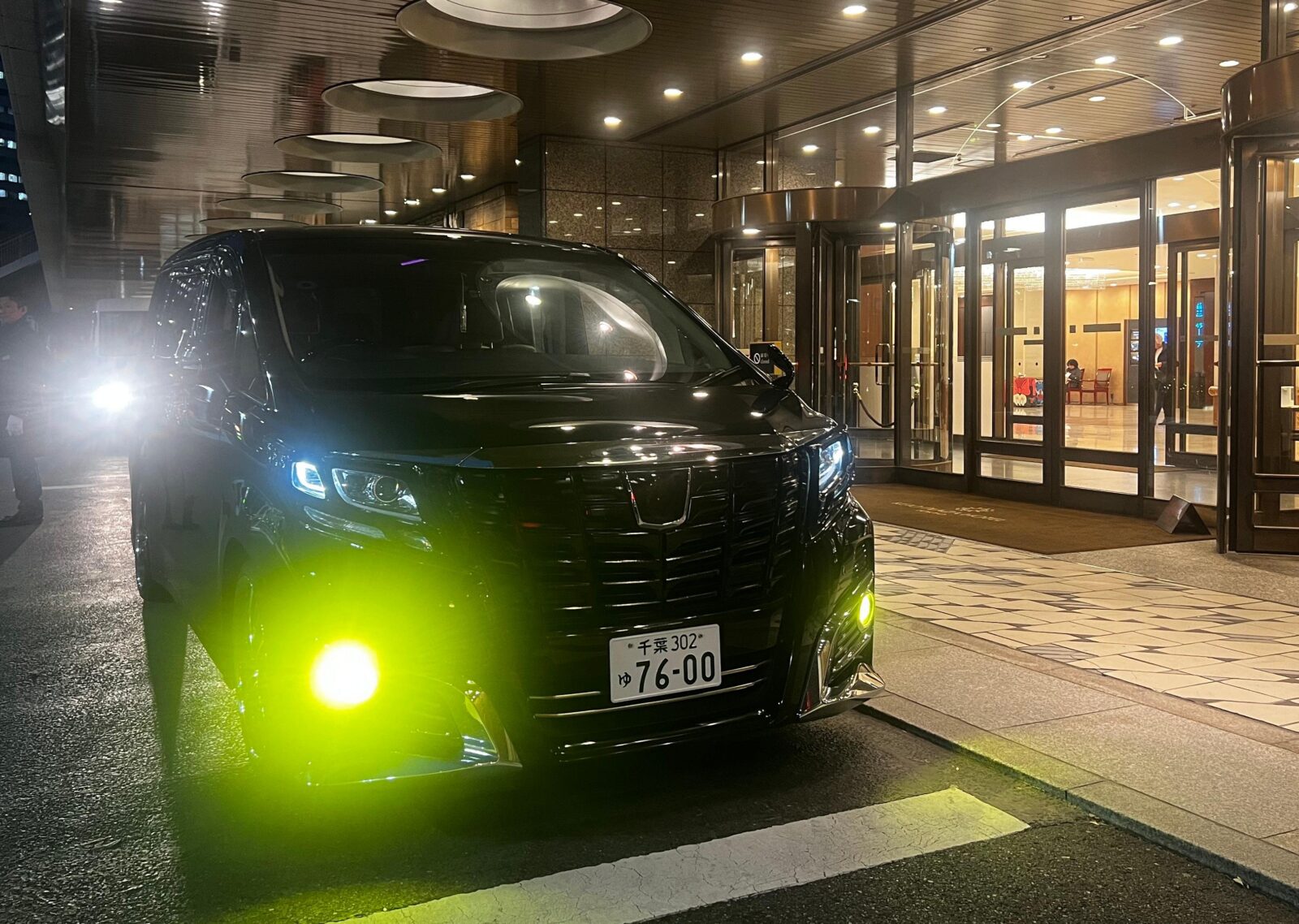
- Private comfort in a black Toyota Alphard with Wi‑Fi, water, cookies, and Japanese sweets
- Oishi Park’s iconic Fuji backdrop often with snow on top (depending on season and visibility)
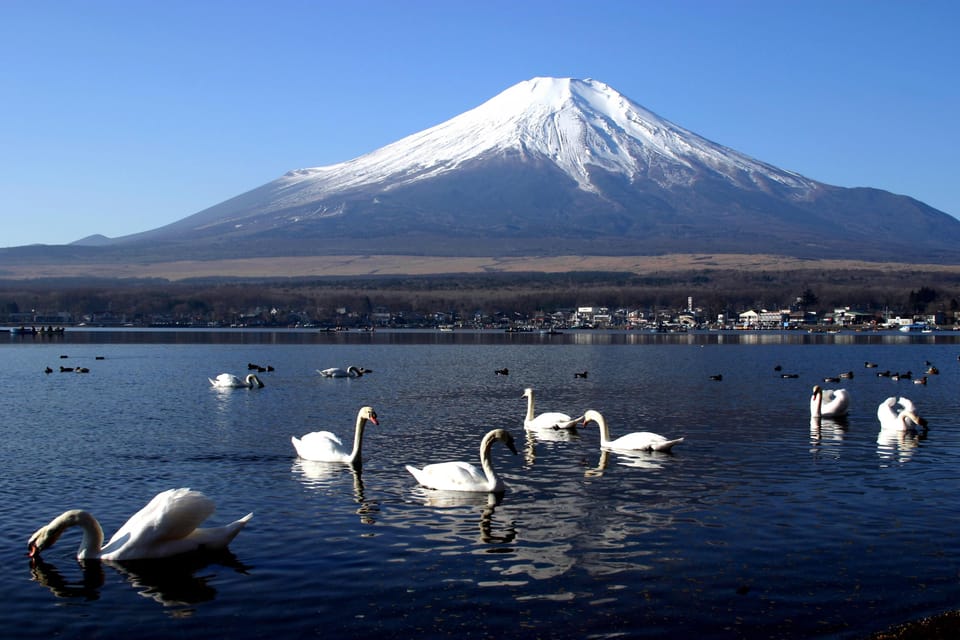
- Lake Kawaguchiko reflection time plus optional ways to see the lake: telephone ride or an Appare boat trip
- Oshino Hakkai’s crystal springs with a guided walk and time for shopping
- Calm, photo-friendly pacing from multilingual guides (examples seen in past guiding staff include Marcelo, Cami, Anderson, and Hiroshi)
A comfortable Mt. Fuji day from Tokyo that actually feels like your day
A lot of Fuji day trips are built like conveyor belts: cram in stops, get rushed, repeat. This one is different because you leave Tokyo in a private vehicle (a black Toyota Alphard), and you come back the same way. For me, that matters. It turns a long day into something you can stay present in.
You also get little comforts that add up when you’re on the move all day. There’s free Wi‑Fi, water in the car, plus cookies and Japanese sweets. It’s a small touch, but it helps you keep energy up for picture stops and walking breaks.
Another underrated part is the flexibility around your pace. The stops are planned, but you’re not stuck in a rigid line where one person controls the whole group rhythm. If you want to linger for a better angle at Chureito Pagoda or move faster at Oshino Hakkai, you usually can.
You can also read our reviews of more tours and experiences in Tokyo.



The drive to Fuji: 7 hours that start with a real departure
You’ll typically start with hotel or Airbnb pickup in Tokyo. The ride out is long enough that you’ll feel the day’s geography—about 105 minutes before you reach the Fuji area stop. It’s not just time in the van; it’s your buffer against the common Fuji problem: arriving late and missing the best light.
Once you’re out there, you don’t spend the whole day stuck in the same traffic pattern. You move point to point: Mount Fuji first, then Oishi Park, Lake Kawaguchiko, Oshino Hakkai, Fujiyoshida, and finally the Chureito Pagoda before returning to Tokyo.
This matters if you’re thinking about photography. With this kind of structured routing, you’re less likely to show up at one spot only to find the clouds roll in and you have nothing else lined up. You still can’t control the weather, but you do get multiple “tries” at Fuji.
Oishi Park: where Mount Fuji looks like it was staged
If Oishi Park is on your list, it’s on purpose. This is one of the classic settings where Mount Fuji appears framed by seasonal flowers, creating that postcard composition without you having to work for it.
Expect a photo stop that includes walking and sightseeing time (about 1 hour here). You’ll be able to stroll through the flower area and look for your own best angle. When the light and visibility cooperate, Mount Fuji often shows up with a snow-topped peak, which is exactly the vibe most people dream about when they plan a Fuji trip.
What I like for practical reasons: you can take it at your pace. If you’re traveling with kids, elderly family members, or anyone who doesn’t love constant walking, this stop is manageable. You can do it slow and still enjoy it.
One drawback: in strong wind or if visibility is poor, you might not get the full “Fuji framed by flowers” effect. That’s not the tour’s fault, but it is the reality of outdoor views. Plan to keep your expectations flexible.
Mount Fuji stop: the warm-up for the rest of the day
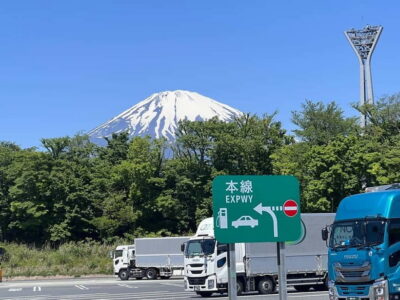
Before Oishi Park, you’ll have about 2 hours at the Mount Fuji stop. Think of this as your first big chance to see the mountain up close and reset your timing.
This slot is helpful because it gives you room to adapt. If conditions are great, you can spend more time soaking in the view. If visibility is limited, you can shift your energy toward getting your footing for later stops where you may find clearer sightlines.
Even if you’ve seen Mount Fuji in photos a hundred times, the scale still surprises people. Standing near it changes your sense of what “big” means. It’s one reason I recommend prioritizing this stop early rather than treating it like a quick convenience stop.
Lake Kawaguchiko: reflections, fresh air, and a chance to choose your view
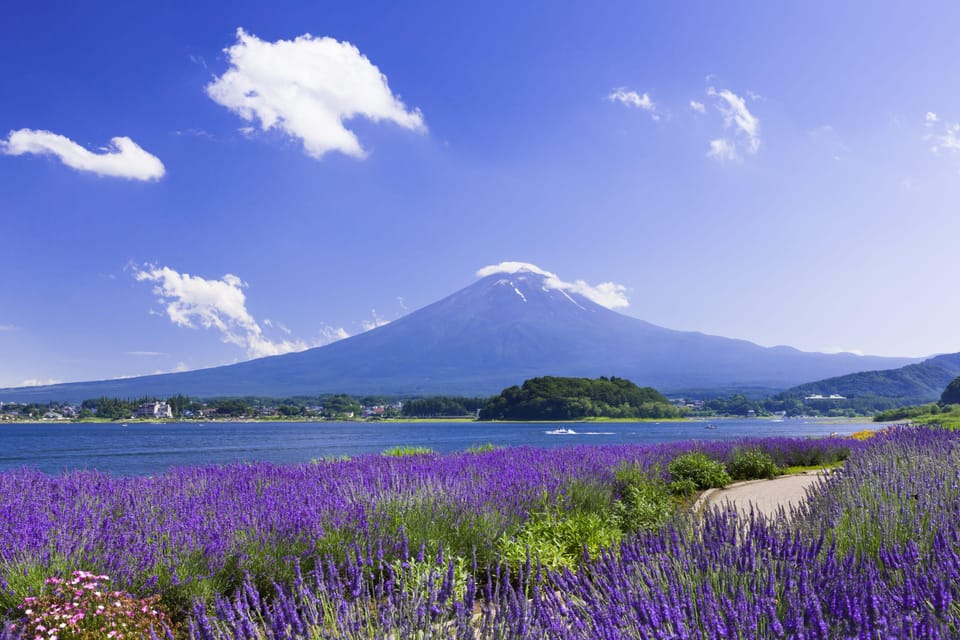
Lake Kawaguchiko is where the Fuji day trip starts to feel calmer. The water offers that signature reflection look, and the air outside the city makes everyone exhale a little.
You’ll have about 1 hour here for sightseeing and walking. The goal is simple: watch the light on the lake, keep an eye on Mount Fuji in the background, and enjoy the less frantic rhythm.
You also get options that can make this stop more than just standing around. The tour info points out two choices:
- a telephone ride for a strong viewing perspective
- an Appare boat trip option around the lake
I like that you have choices here because it helps you match the activity to your group. If you want something steady and scenic, go for the lake viewpoints. If you’d rather be moving on the water and getting a different angle on Fuji, the boat option can be a good fit.
Timing note: since the day flows into Oshino Hakkai and then Fujiyoshida, you don’t want to get stuck too long in one micro-spot on the lake. Give yourself a few “checkpoints” for photos, then keep moving so you don’t arrive at the later sunset-target stop too rushed.






Oshino Hakkai: crystal-clear springs with a story you can walk through
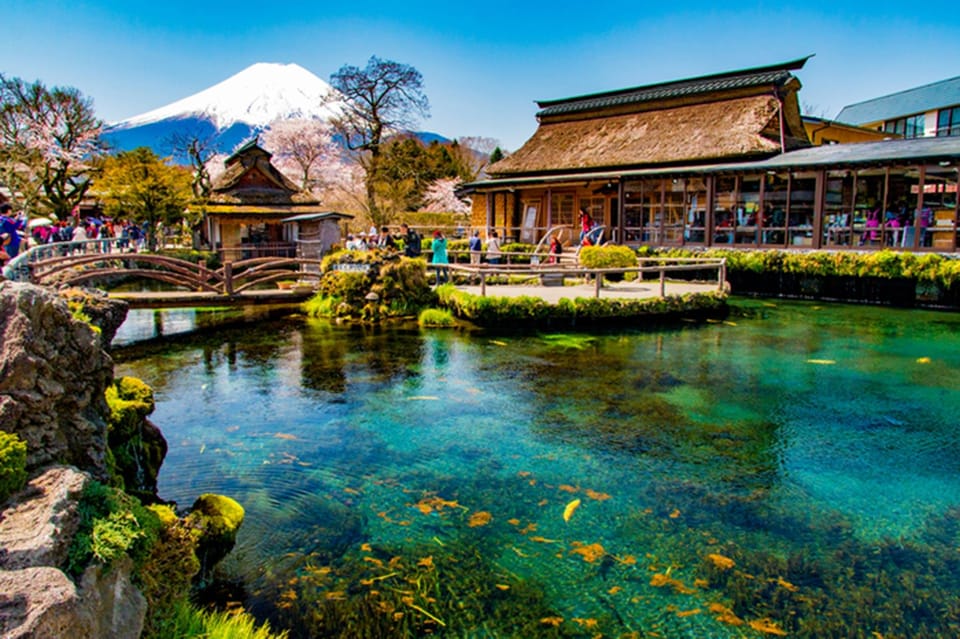
Oshino Hakkai is one of those places where the water quality is the whole point. You’ll stop for about 1.5 hours, including a guided tour, sightseeing, shopping time, and a guided walk feel.
The highlight here is the crystal-clear springs connected to the melting of Mount Fuji. The ponds mirror the surroundings in a way that feels different from typical “look at a waterfall” stops. It’s quieter, more intimate, and very photogenic without needing extreme effort.
I also like that this stop adds variety to the day. After hours of mountainous viewpoints and lake reflections, Oshino Hakkai brings you down to human scale—bridges, pathways, and small-town textures.
Practical consideration: bring comfortable shoes. You’re walking around ponds and paths, and you’ll enjoy it more if your feet are happy. This is not a stop designed for a slow wheelchair crawl, but it is a stop you can manage if you keep your pace.
Fujiyoshida photo stop: the bridge between viewpoints
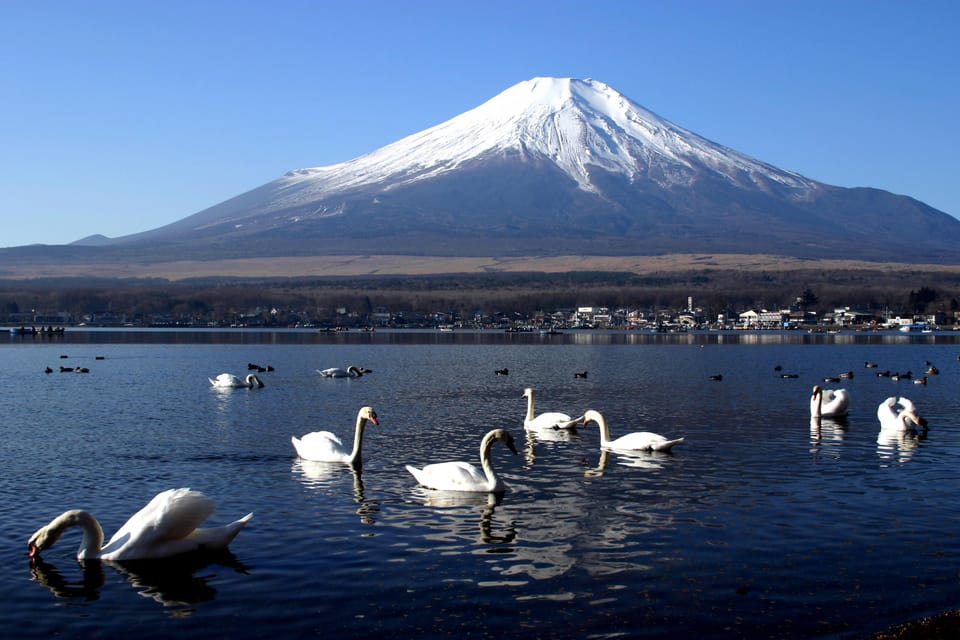
After Oshino Hakkai, you’ll have a Fujiyoshida stop (about 1 hour total time including scenic views on the way and a photo stop). This section is less about one single “wow” moment and more about connecting the dots.
Why it matters: it keeps your day moving so you reach the Chureito Pagoda area with time to breathe. If you’re aiming for that iconic angle at Chureito Pagoda—especially near sunset—arrival timing is everything.
Also, Fujiyoshida sits in the same Fuji region, so even if you’ve already seen Fuji in multiple places, the mountain may appear different depending on where you’re standing and how the cloud cover is behaving.
Chureito Pagoda at sunset: the classic Fuji postcard in real scale
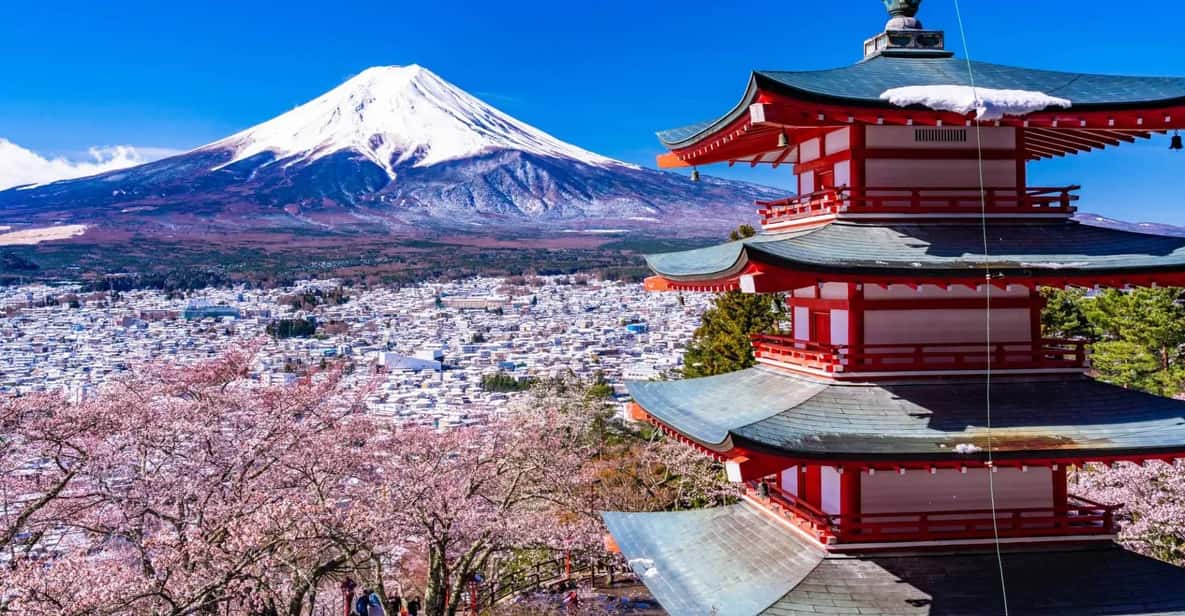
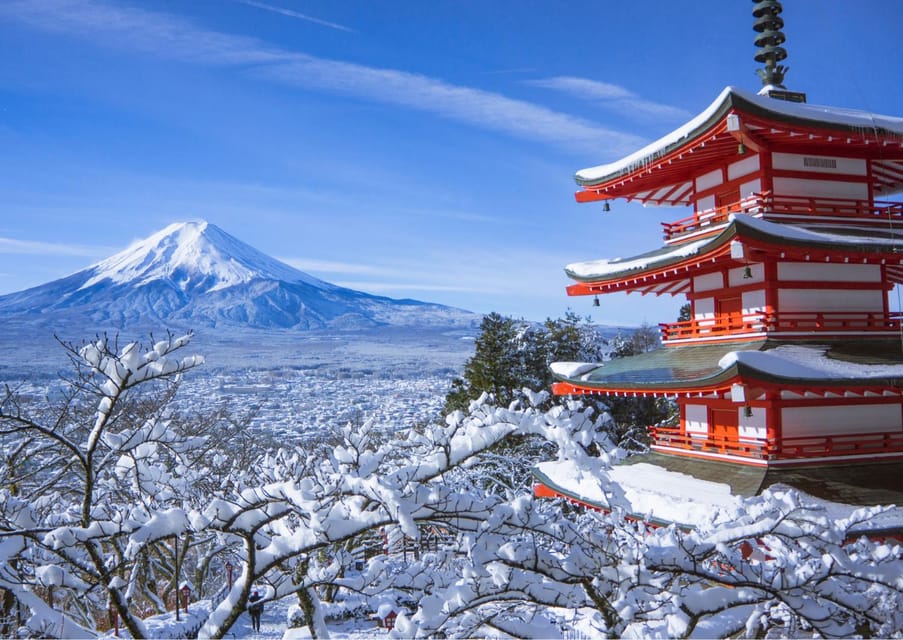
The day caps with Arakawa Sengen Park and the Chureito Pagoda area. You’ll get about 1.5 hours here, including a photo stop, self-guided time, sightseeing, walking, and sunset-style viewing.
This is the big iconic moment. The Chureito Pagoda is instantly recognizable, and from the right angles Mount Fuji appears in the background like the scene was designed for your camera settings.
I like that this final stop gives you freedom. A self-guided window means you can move to the angle that works best for your group’s pace. Some people will want quick photos and others will want to linger for the sky-to-mountain shift when the sun is dropping.
Weather reality: sunset views are extra dependent on cloud cover. If the mountain is hidden, you’ll still enjoy the park setting and the pagoda, but you may miss that signature composition. On the bright side, starting with multiple Fuji chances earlier in the day improves your odds.
Private guide energy: why the names people mention keep coming up
The guides are where this tour can feel personal. Past experiences shared by clients highlight drivers and guides like Marcelo, Cami, Anderson, and Hiroshi for being friendly, punctual, and patient—especially when weather throws curveballs.
You’ll likely spend the day speaking with your guide in one of the listed languages: English, Portuguese, Spanish, or Japanese. If you’re traveling with Spanish or Portuguese-speaking companions, it’s a real advantage, since it makes the explanations and small timing decisions smoother.
From a practical travel standpoint, the best guides do three things:
- they don’t rush you
- they find safe photo angles
- they help you adjust when roads or clouds change plans
Even if you don’t need constant explanations, having someone who thinks ahead about timing and movement can make your day feel calmer.
What’s included (and what you’ll pay separately)
Let’s talk value in real terms, because Fuji trips can get expensive fast once you add “extras.”
Included:
- pickup and drop-off from your hotel or Airbnb
- private transportation in a fully insured high-quality vehicle (Toyota Alphard pickup)
- gas and toll costs
- Wi‑Fi in the car, plus water, cookies, and special Japanese sweets
- multilingual live guide
- return safely to your place of stay
Not included:
- personal expenses
- tickets and entrance fees to attractions (if any apply)
- extra places outside the main planned route
So the question is: does the price buy you more than comfort? In my view, yes, because the big cost you’re avoiding is stress. A private route means you’re not coordinating with strangers, not guessing transit times, and not losing time to the wrong connection.
Price and value: $292 per person for a private Fuji day
At $292 per person for about 7 hours, this isn’t the cheapest way to do Fuji. But it is priced like an experience designed for convenience and quality.
Here’s what you’re paying for, based on what’s included:
- the private Alphard (not a shared minibus)
- door-to-door Tokyo pickup/drop-off
- Wi‑Fi and in-car refreshments (water, cookies, Japanese sweets)
- gas/tolls and an insured, professional driver
- a multilingual guide who can adapt within the tour schedule
If you’re a couple, a small family, or a group where everyone wants a similar pace, private tours can start to make more sense. The price also feels easier to justify when you’re visiting in winter or shoulder seasons, when weather and road conditions can affect plans and you’ll want someone flexible.
If you’re traveling solo and cost is your main driver, you might compare with group tours. But if your priority is a smooth day with good photo access and fewer logistics headaches, this one fits the bill.
Timing and weather: the one variable you can’t ignore
Mount Fuji sightings are weather-dependent. The tour’s structure helps, because you get multiple chances to see the mountain (Mount Fuji stop, Oishi Park, Lake Kawaguchiko, and Chureito Pagoda).
Still, if you’re going in months with heavy snow or low visibility, understand that conditions can change the day. One of the most praised aspects in past experiences is that guides worked to find solutions when snow caused disruptions. That’s the value of having a driver who can think quickly and keep you safe.
My practical advice: dress for layers and plan for wind. If clouds roll in, your best move is to stay calm, enjoy the other sights, and trust that you still have later photo windows in the schedule.
When adding FujiQ Highland actually makes sense
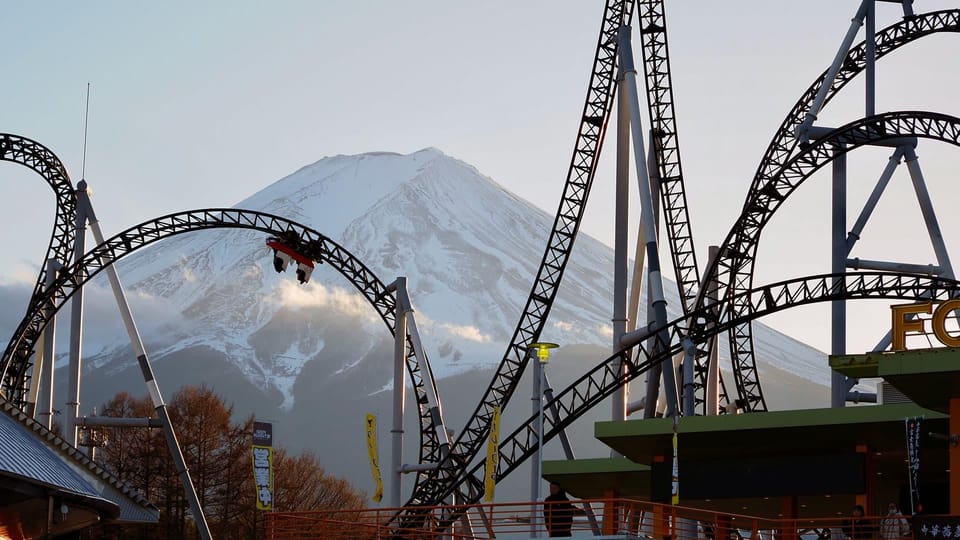
If your group includes younger travelers who want adrenaline, the tour offers FUJIQ Highlander as an available add-on while the rest of you take it easy. The arrangement described is that you’ll all be together again at the end to return to Tokyo safely and comfortably.
This can be a smart use of time, because it gives teens or thrill-seekers something concrete to do without wrecking the Fuji-photo goals for the rest of the group.
Who this tour is best for
This is a great fit if you want:
- a private day trip instead of a group scramble
- classic Fuji viewpoints packed into one route
- a calm, guided experience with room to move at your pace
- convenient Tokyo pickup and drop-off in the 23 wards
It also works well for travelers who prefer not to deal with Japanese transit planning for a day outside the city.
If you’re the type who loves hiking for hours and doesn’t care about iconic “look-at-Fuji” spots, you might want a different kind of tour. But if your goal is seeing Mount Fuji from the best-known perspectives in limited time, this hits the targets.
Should you book this Mt. Fuji private tour?
You should book if you value comfort, photo-friendly pacing, and a structured day that covers the Fuji Five Lakes region highlights without you having to manage transportation. The combination of Oishi Park, Lake Kawaguchiko, Oshino Hakkai, and Chureito Pagoda in one outing is exactly the kind of efficiency that makes a short Japan trip feel longer.
You might skip it if you’re chasing the lowest price, or if you’re the type who wants total freedom to roam without following a set sequence of stops. Also, if you’re traveling during a period with frequent fog or heavy clouds, just know that Fuji can be elusive even with perfect planning.
If you do book, do it with realistic expectations: the driver and guide can help you adapt, but the mountain still answers to the sky. On the plus side, you’re not relying on one single view—this day gives you several chances.
One last note for peace of mind: the tour offers free cancellation up to 24 hours in advance and a reserve-and-pay-later option.
FAQ
Where does pickup happen?
Pickup is included from your hotel or Airbnb in Tokyo.
How long is the tour and when do you return?
The tour lasts about 7 hours, and you return to Tokyo at the end of the day.
What sights are included in the route?
The main stops include Mount Fuji, Oishi Park, Lake Kawaguchiko, Oshino Hakkai, Fujiyoshida photo/sightseeing time, and Arakawa Sengen Park with the Chureito Pagoda.
Are attraction tickets or entrance fees included?
No. Tickets and entrance fees to attractions are not included.
What languages do the guides speak?
The live tour guide speaks English, Portuguese, Spanish, and Japanese.
Can the itinerary be adapted to my preferences?
Yes. The tour can adapt to your itinerary within the tour schedule, and FujiQ Highland is available as an option if you have younger people in your group.