REVIEW · TOKYO
Shibuya Tokyo: Onigiri & Tamagoyaki Cooking Class
Book on GetYourGuide →Operated by Sorisso · Bookable on GetYourGuide
Tokyo teaches you to shape comfort food. In Shibuya, this hands-on class at Sorisso walks you through onigiri basics that most visitors never learn beyond ordering at a counter. Two things I particularly like: you get clear instruction on choosing rice for the right texture, and you practice classic nori wrapping so your rice balls hold together.
You’ll also work with a mix of fillings, from traditional flavors to easier modern ideas you can recreate later. One possible drawback to plan around: transportation isn’t included, so you’ll want to reach Sorisso on your own.
In This Review
- Key things to know before you go
- Why onigiri and tamagoyaki is the perfect Shibuya cooking class
- Sorisso in Shibuya: small-group, English-led kitchen time
- Getting the rice right: the texture lesson that makes onigiri work
- Shaping onigiri: triangle classics and your own creative form
- Nori wrapping technique: the difference between pretty and practical
- Fillings: traditional comfort and modern options for your taste
- Tamagoyaki rolled omelet: learning the snack that looks harder than it is
- What you actually eat: 3 onigiri plus half a portion of tamagoyaki
- Value check: does $49 make sense for this Shibuya class?
- Who this class fits best (and who might want a different plan)
- Practical tips so you get the most from the 90 minutes
- Should you book this onigiri and tamagoyaki cooking class?
- FAQ
- How long is the cooking class?
- How many people are in the group?
- What will I make during the class?
- Are ingredients and utensils included?
- Is there an English-speaking host?
- Do they provide an apron?
- Are gluten-free options available?
- Is the class suitable for severe or life-threatening food allergies?
- Is it okay for young children?
Key things to know before you go
- Rice choice and texture matter: you’ll learn how to think about the rice so the final bite isn’t mushy or dry
- Triangle skills plus creative shaping: expect instruction that goes beyond one look
- Nori wrapping you can repeat: the class focuses on technique, not just assembly
- Fillings with range: traditional and vegetarian-friendly options keep things flexible
- Rolled omelet practice: you’ll also make tamagoyaki alongside the onigiri
- Small group attention: limited to 8, with plenty of room to work in the kitchen setup
Why onigiri and tamagoyaki is the perfect Shibuya cooking class
Onigiri is one of Japan’s most practical foods. It’s grab-and-go comfort, but it’s also a craft: rice texture, salt level, wrapping, and bite size all matter. Tamagoyaki, the rolled omelet, is similar in that way. It looks simple until you try rolling it yourself.
This class is smart because it teaches both sides of Japanese convenience food: structured rice-ball technique and controlled heat for tamagoyaki. You leave with food you can eat right away, plus a method you can repeat at home without guessing.
And it’s in Tokyo, which helps. You’re in a place where you can compare what you learn to what you see every day at stations, convenience stores, and small eateries. Even if your Japanese is limited, onigiri and tamagoyaki are universal enough to make that connection fast.
You can also read our reviews of more cooking classes in Tokyo


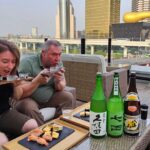
Sorisso in Shibuya: small-group, English-led kitchen time
The experience takes place in a small shop with a cozy kitchen setup. The room is compact, but you’re not squeezed; the workspace is meant for hands-on cooking, and you can actually focus on what you’re doing.
You’ll also get an English-speaking host guiding you. That matters more than people think with Japanese cooking classes, because technique lives in the details. When someone can explain timing, texture, and shaping without hand-waving, you’re more likely to leave confident.
Finally, the group size is limited to 8 participants. In practice, that often means you’ll get more personal attention than you would in a large demo-style class. If you learn best when you can ask questions mid-process, this format is a good fit.
Getting the rice right: the texture lesson that makes onigiri work
Rice is the backbone of onigiri, and this class treats it like it deserves respect. You learn the nuances of choosing the right rice and how to think about the texture you’re aiming for. The goal is rice that holds together when shaped, without turning into sticky paste.
That instruction changes how you’ll judge onigiri in the future. Instead of thinking, It’s rice in a triangle, you start noticing whether the rice is firm enough to shape, whether it clumps properly, and whether it tastes balanced on its own. That is exactly what you want from a cooking class in Japan: you learn to read the food.
One practical point you’ll feel while cooking: shaping becomes easier when the rice behaves. If it’s too wet, it sticks everywhere. If it’s too dry, it falls apart. The class teaches you how to avoid both extremes by focusing on the rice starting point and how it should feel.
Shaping onigiri: triangle classics and your own creative form
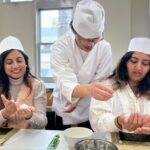
Once the rice is ready, shaping is where the class becomes fun. You’ll learn traditional shaping techniques, including classic triangles. But you’re not locked into one form. The class also encourages creative designs, so you can make onigiri that looks like the ones you’ve seen in stores, or something slightly more playful.
You’ll also learn how to handle the rice as you shape. Onigiri is an art of gentle pressure and clean edges. If you’ve never shaped rice before, you might expect it to be messy. Instead, the technique centers on control.
And because you’re working in a small group, you can watch the host’s hand movements and then copy them. That visual feedback speeds up learning. When you get it right, your onigiri holds together cleanly and looks like it belongs in Japan.
Nori wrapping technique: the difference between pretty and practical
Nori seaweed isn’t just decoration. Wrapped correctly, it helps the rice-ball structure and makes the eating experience more satisfying. In this class, you practice traditional wrapping techniques with nori rather than simply putting a strip on top.
This is one of the most useful parts of the workshop because it affects what you do at home. If you’ve ever bought an onigiri wrapped in nori and watched it soften or loosen, you already know that wrapping technique changes everything.
The class helps you understand how to wrap so it stays neat and functional. You’ll be building something you can recreate after the course, which is the whole point of doing this in person rather than just watching videos.
You can also read our reviews of more tours and experiences in Tokyo



Fillings: traditional comfort and modern options for your taste
Onigiri fillings are where you get to personalize. The class introduces a variety of savory and vegetarian fillings, with both traditional and modern interpretations. That variety is great for two reasons.
First, it helps you learn the balance idea. Onigiri rice has a specific texture and mild seasoning role. Fillings need to add flavor without overwhelming the rice. Second, it helps you find a filling style that matches your comfort level. If you want something closer to what you’d buy, you can stick to traditional options. If you want to experiment, the class gives you safe ways to do it.
Even better, you’re not stuck with one flavor for the whole session. The workshop supports making multiple onigiri, so you can compare bites and figure out what you like best.
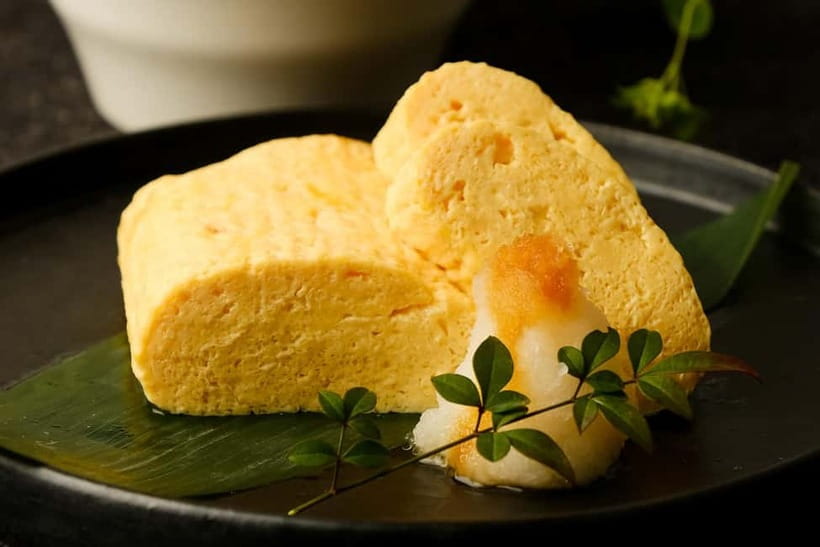
Tamagoyaki rolled omelet: learning the snack that looks harder than it is
The cooking class doesn’t end with onigiri. You also make tamagoyaki, the classic rolled omelet. You’ll get instructions and enough prep support to produce an omelet you can be proud of, even if you’re new to Japanese cooking.
You receive ingredients and utensils to make rice balls and tamagoyaki, including an apron rental. That setup reduces the usual friction of cooking classes, where you show up wondering what tools you need and whether you’ll have enough space.
Because rolled omelet technique is about timing and consistency, having a host explain what to aim for helps a lot. If you’ve ever eaten tamagoyaki and thought, I should learn that, this is a practical way to start. You’re not just eating the result; you’re learning how the roll happens.
What you actually eat: 3 onigiri plus half a portion of tamagoyaki
The class includes making enough food to take part in the meal experience. You’ll make 3 rice balls and receive half a portion of rolled omelet per person. That’s a realistic teaching portion: enough to practice shaping and filling, not so much that you spend the entire session cooking from scratch.
You’ll also get recipes and a small souvenir to take home. For me, this is where value shows up. Cooking classes are fun in the moment, but recipes are what help you keep the skill alive after you’re back from Tokyo.
And there’s a social side too. Sharing the meal you cooked with new people makes the session feel like more than a demonstration. You leave with food plus the memory of learning together.
Value check: does $49 make sense for this Shibuya class?
At $49 per person for a 90-minute, small-group cooking workshop, the value depends on what you expect from the experience.
You do get a lot for that price:
- A full cooking class led by an English-speaking host
- Ingredients and utensils included
- Apron rental
- Enough food to make and enjoy onigiri and tamagoyaki
- Recipes and a small souvenir
Where the price really becomes worth it is in the coaching. Rice and rolling techniques are hard to guess from online videos because texture and timing are everything. Paying for a host to help you shape properly and wrap neatly saves you trial-and-error later, when you’re cooking at home without anyone correcting your hand position.
The only major “watch it” factor is that transportation isn’t included. If you’re far from Shibuya or your route makes the trip annoying, that can reduce overall value. But if you’re already in central Tokyo, the math usually lands well.
Who this class fits best (and who might want a different plan)
This is a good choice if you want something hands-on, not a passive tasting session. You’ll be shaping, filling, wrapping, and rolling, which means you’re actively building skills.
It also suits:
- Food lovers who want to understand technique, not just eat
- Travelers who want a break from museums and neighborhoods and prefer kitchen time
- Families and groups who enjoy learning together (though note the age limit)
There are a couple of clear limitations. It isn’t suitable for children under 5. Also, it can accommodate some dietary needs, but it’s not suitable for guests with severe or life-threatening food allergies.
If you have a serious allergy or highly specific restrictions, I’d treat this as a “confirm first” situation. The safer move is to message ahead with details and ask what can be adjusted.
Practical tips so you get the most from the 90 minutes
Because this is a skill class, you’ll learn faster if you keep a few things in mind.
First, wear comfortable clothes and expect a hands-on format. Even though aprons are provided, you’ll still be working with food and tools, and you’ll likely want sleeves you don’t mind getting slightly messy.
Second, keep questions ready. The host will explain what to aim for, but the fastest learning comes when you ask about texture, shaping, and timing while you’re doing it.
Third, plan your arrival with enough buffer. Transportation isn’t included, and the class runs 90 minutes. If you’re cutting it close, the stress can throw off your focus on technique.
Finally, treat the recipes as part of the experience, not as an afterthought. Read them right after the class while the steps are fresh, and you’ll actually use what you learned.
Should you book this onigiri and tamagoyaki cooking class?
I’d book it if you want to go beyond eating Japanese convenience food and learn how it’s built. The combination of onigiri shaping, nori wrapping, filling variety, and tamagoyaki rolling gives you a full skill set in one session, and the small-group setup makes it feel approachable.
I’d skip or choose a different format if you’re mainly looking for a quick snack experience with zero instruction. This class is about learning technique. It’s also not the right choice for anyone with severe or life-threatening allergies, and you’ll want to make your own way to the venue since transportation isn’t included.
If you’re in or near Shibuya and you like cooking with guidance, this one is a solid use of your time in Tokyo.
FAQ
How long is the cooking class?
The class runs for 90 minutes.
How many people are in the group?
It’s a small group limited to 8 participants.
What will I make during the class?
You’ll make 3 onigiri rice balls and also make half a portion of rolled omelet (tamagoyaki) per person.
Are ingredients and utensils included?
Yes. Ingredients and utensils are provided to make what you cook in the class.
Is there an English-speaking host?
Yes, the instructor and host are listed as English-speaking.
Do they provide an apron?
Yes, apron rental is included.
Are gluten-free options available?
Gluten-free options may be available upon request.
Is the class suitable for severe or life-threatening food allergies?
No. It’s not suitable for guests with severe or life-threatening food allergies.
Is it okay for young children?
No. It’s not suitable for children under 5 years old.
You Might Also Enjoy
 Tokyo Shinjuku : Private Walking Night Tour with Pachinko
 Ramen Making from Scratch +Akihabara Tour –Tokyo Cooking Class
 Samurai Sword & Sushi Experience with Chef Live Shows in Asakusa
 Experience all of Japanese culture and Japanese food experience classes “origami, udon, Japanese food, green tea, calligraphy” in 4 hours