REVIEW · TOKYO
Tokyo Shinjuku : Private Walking Night Tour with Pachinko
Book on GetYourGuide →Operated by Horizon GK · Bookable on GetYourGuide
Tokyo nights have a secret side. A private Shinjuku evening walk turns the neon into something you can actually understand, with time in Omoide Yokocho and a pachinko lesson you can use right away. I love the mix of alley culture and hands-on gaming, and I like that it feels built for real groups, not a rushed crowd.
One possible drawback: the pacing and depth can vary. If you want lots of history and context, you might find the tour moves quickly, and pachinko guidance may depend on the guide’s comfort level that night.
Still, for a first-time Shinjuku visit, this is a strong way to get your bearings fast and have a fun story to take home, especially if you’re traveling with a partner or kids.
In This Review
- Key things to know before you go
- Shinjuku at night: why this private walk beats random wandering
- Meeting at Shinjuku East Exit and getting oriented fast
- Omoide Yokocho: Memory Lane’s tiny alley feel
- Kabukicho beyond the neon: finding corners that make sense
- Pachinko time: learning the game, then trying it
- A Hanazono Shrine break: a calmer moment in the noise
- Time, pace, and how to judge value at $19
- What kind of travelers should book this
- Tips to get the best experience once you’re there
- Should you book this Shinjuku night backstreet tour?
- FAQ
- How long is the Shinjuku private walking night tour?
- What is the price per person?
- Is this tour private?
- What languages are available for the guide?
- What does the tour include?
- What is not included in the price?
- Where is the meeting point?
- Is the tour wheelchair accessible?
- Is free cancellation available?
- FAQ
- What should I expect for pachinko during the tour?
- Is there any help for families if pachinko doesn’t work for kids?
Key things to know before you go
- Start in Shinjuku Station East Exit near the Lion statue so you can find the tour without stress.
- Omoide Yokocho (Memory Lane) gives you a real postwar-feeling alley experience right at night.
- Pachinko is not just shown. You get help to understand how to play before you try.
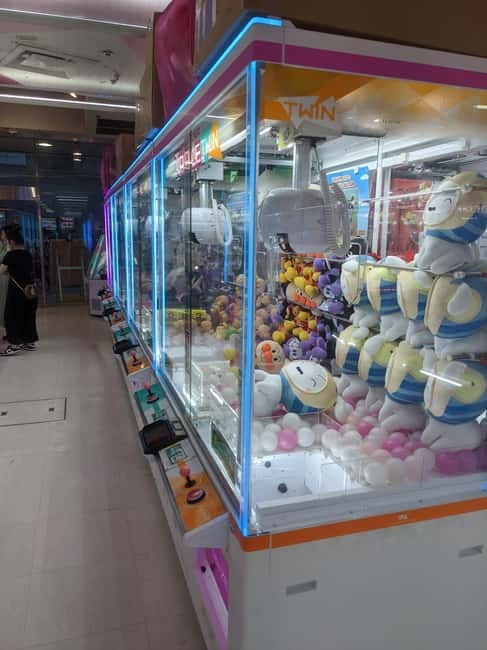
- Kabukicho goes beyond the neon with stops in quieter corners and game spots.
- Families can be accommodated, including options when pachinko timing or setup doesn’t work for kids.
- Expect extra costs: pachinko fees and food are pay-on-the-spot.
Shinjuku at night: why this private walk beats random wandering
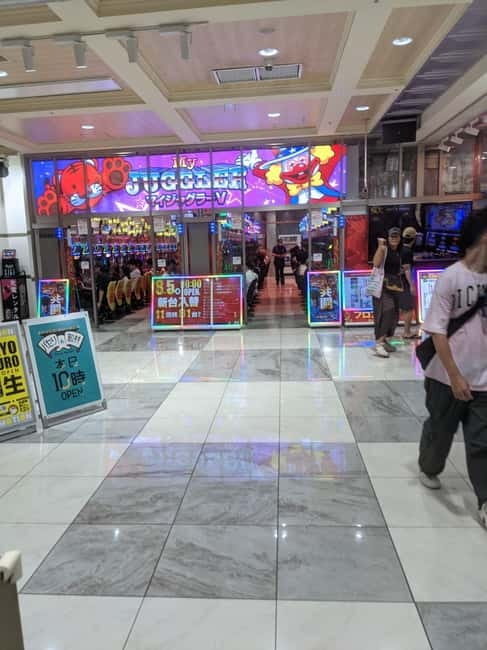
Shinjuku after dark is fun, but it’s also loud and confusing if you don’t know the layout. This tour is built around walking with an English-speaking guide who can get you from busy streets to the smaller lanes where the atmosphere changes. That alone is worth it because Shinjuku can feel like you’re always one block away from something interesting.
The best part is the pairing of two things people often treat separately. You get alley culture in Omoide Yokocho, then you switch gears into a hands-on introduction to pachinko and arcades. I like that you’re not just watching from the sidewalk; you’re learning how the game works and what to do inside.
That’s why it fits families and couples well. Couples get a local night feel without having to plan every turn, and families get structure plus a guide who can adjust the pace if needed.
You can also read our reviews of more walking tours in Tokyo

Meeting at Shinjuku East Exit and getting oriented fast
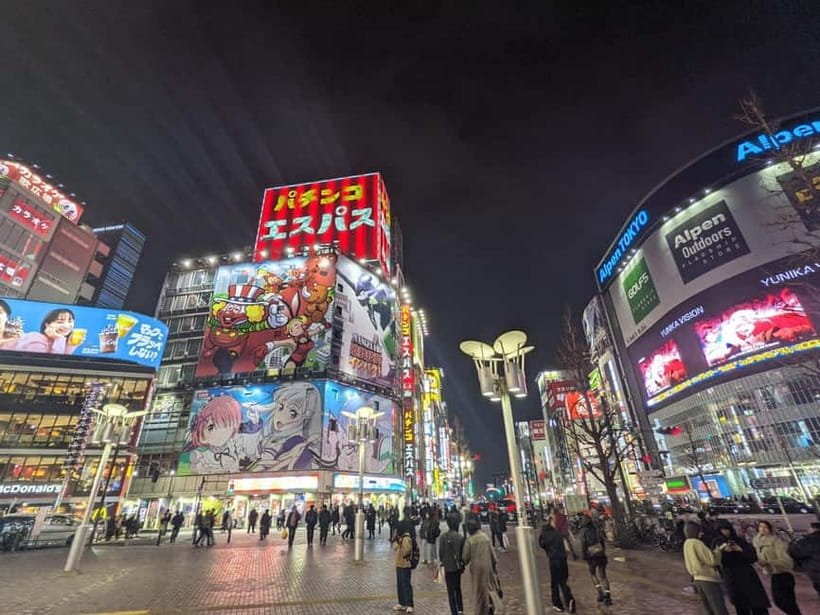
Your tour starts at JR Shinjuku Station East Exit on the ground floor. The practical tip is simple: look for the Lion statue (the pyramid-like base with a lion head) near the meeting area, then match the group sign and guide instructions.
Shinjuku Station is huge, so having a clear landmark matters. This is one of those tours where showing up a few minutes early pays off, because you don’t want to be searching when the tour has already started moving.
Once you’re together, the guide’s job is to help you move confidently through backstreets. That’s important because some lanes in Kabukicho are narrow, busy, and not always obvious to first-timers.
Omoide Yokocho: Memory Lane’s tiny alley feel

Omoide Yokocho, often called Memory Lane, is the kind of place that feels like it existed before smartphones and still somehow survives in the middle of Shinjuku. The streets are narrow, the atmosphere is close, and it’s the sort of spot where you can smell hot food and hear casual conversation from small places along the lanes.
On this tour, you don’t just pass through. You get time with the guide so you can understand what makes it special as a night neighborhood. Even when you’re only there for a short stop, it’s enough to shift your understanding of Shinjuku from neon signage to human-scale alley life.
A practical note: food and drinks are pay at the spot. If you want to sample snacks, go in with a budget for small bites. If you don’t, just enjoy the atmosphere and take your time looking at the tiny stalls and storefronts.
Kabukicho beyond the neon: finding corners that make sense
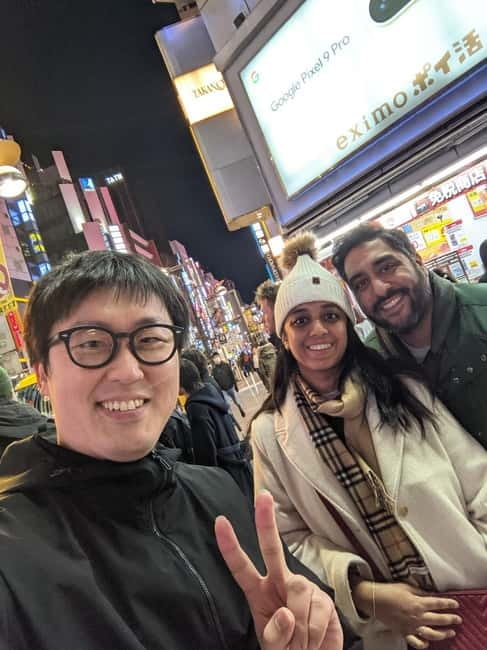
Kabukicho is Shinjuku’s entertainment district, and it can overwhelm you with light, sound, and crowds. What this tour does well is guiding you past the most obvious streets and into side lanes where the feel changes.
You’re basically being taught how to read the district. The guide helps you connect what you see—arcades, small bars, alley approaches—to the bigger shape of Kabukicho without you needing to study maps. That kind of orientation is what makes you safer and more comfortable walking there later on your own.
You’ll also get a stop that includes time for gaming-related exploration. That’s where the tour’s focus shifts from street atmosphere to actual playtime.
If you’re sensitive to crowds, keep expectations realistic. Kabukicho is still Kabukicho. But the guided approach helps you avoid the feeling of being dropped into the busiest places with no plan.
Pachinko time: learning the game, then trying it
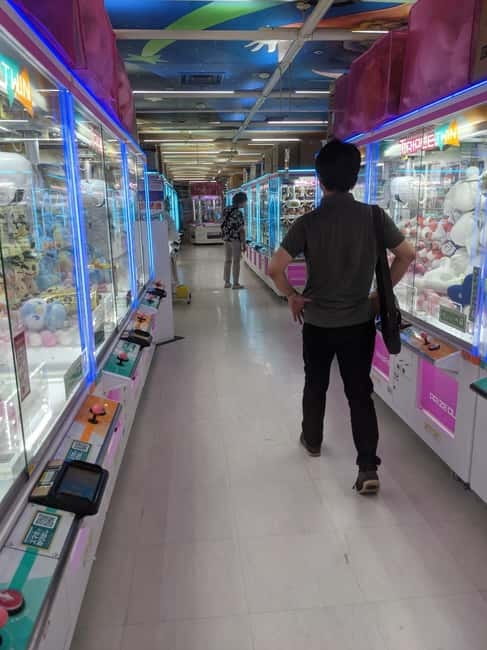
Pachinko is the big draw for this tour, and it’s also where your experience can make or break your mood. The tour is set up so you get an explanation and help trying it yourself, not just a photo stop. The guide should walk you through the basics so you can play without freezing at the machine.
One detail I really like is that pachinko is treated as a learning activity. You’re not expected to already know how scores, balls, or timing work. And in some cases, guides can adjust the plan based on your group.
That matters most for families. Some guides can offer alternatives when pachinko isn’t possible or practical for kids. So if you’re traveling with children, it’s worth asking early what works for them.
Now, the balanced side: pachinko guidance can vary. On at least one occasion, a guide used a quick basics reference when questions came up. So if you’re looking for deep strategy, don’t assume every guide will have the same level of game knowledge. Ask questions right away, and you’ll get the most out of the time you’re given.
Also budget for pachinko gaming fees. The game cost is not included, and it depends on how much you spend. If you want to control your spend, tell your guide what limit you want before you start.
You can also read our reviews of more private tours in Tokyo


A Hanazono Shrine break: a calmer moment in the noise
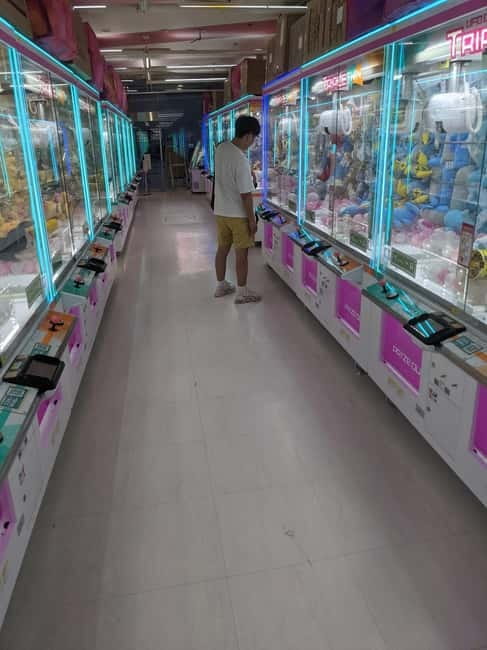
Between nightlife streets and gaming spots, you get a visit to Hanazono Shrine. This isn’t just a random add-on. It’s a useful shift in tone.
Shrines in Tokyo act like a reset button. You get a small pause from the neon and a chance to notice the city’s spiritual side inside a very modern neighborhood. Even if you only have around half an hour, it can make the rest of the night feel less frantic.
Bring a little patience here. Shrines often feel quiet compared with nearby streets, so if you’re already buzzing from Kabukicho, the contrast will feel strong—in a good way.
Time, pace, and how to judge value at $19
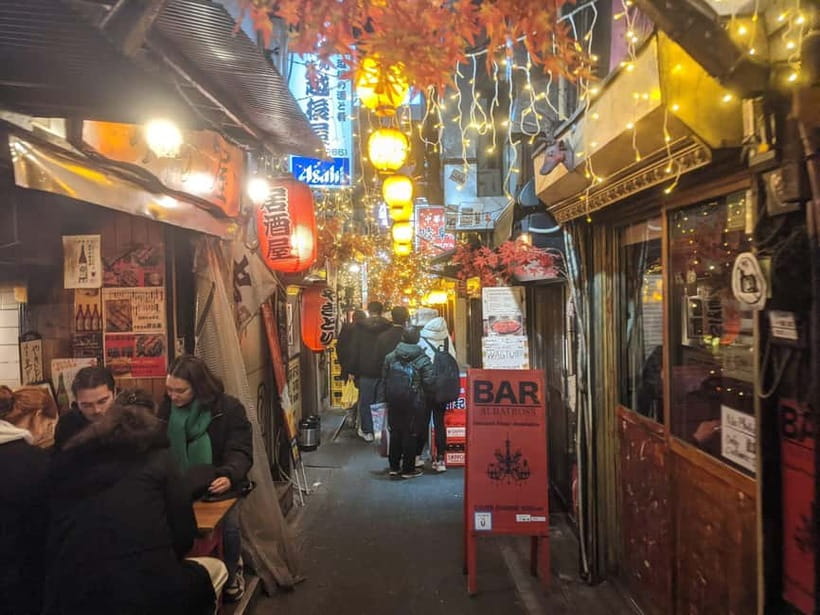
At $19 per person for a private, 90-minute walk with an English guide plus translation and interpretation, the value is clear. The price is positioned low compared with many private tours in central Tokyo, especially those that include guidance through multiple neighborhoods at night.
But the real cost picture has two variables:
- Pachinko fees are separate, based on what you play.
- Food and drinks aren’t included.
So you should think of $19 as paying for the guide, the route, and the explanations, not as covering all nightlife spending. If you’re planning to play a bit of pachinko and grab snacks, budget extra beyond the base price.
Pacing is another value factor. Some guests found the tour ended sooner than expected and didn’t feel like it covered everything on the written plan. The lesson: if you have dinner reservations or a late train, give yourself buffer time. A private tour can still move at different speeds depending on your group and what’s happening on the streets.
What kind of travelers should book this
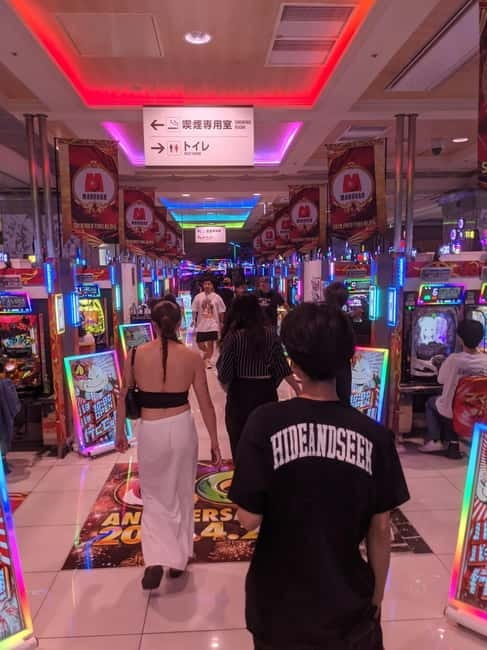
This tour is best for people who want:
- A guided way to walk Shinjuku at night without getting lost.
- A safe-feeling introduction to backstreets rather than only major avenues.
- Fun that includes a very Japanese activity, pachinko, not just sightseeing.
It’s especially good for couples who like a night out with structure. It also works for families, because the guide can be mindful about what kids can handle, including adjusting activities if pachinko doesn’t fit.
If you want long, classroom-style history, you might feel the structure is more night-adventure than lecture. You’ll get context, but the focus stays on seeing places and trying experiences.
If you already know Shinjuku well and just want a quick pachinko session, you might find it longer than needed. But for most first-timers, it’s a solid first night plan.
Tips to get the best experience once you’re there
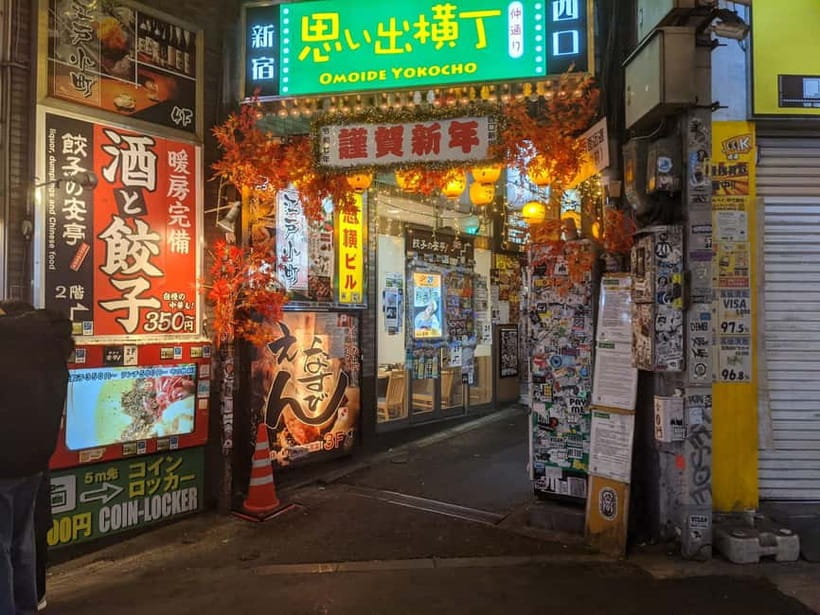
A few practical things can make a big difference:
- Ask questions early, especially about pachinko. If your guide needs a quick refresher, that usually becomes obvious when you’re asking.
- Set a spending limit before you start playing. That keeps pachinko fees from creeping higher than you want.
- Wear shoes you can walk in. The tour is a night walking route, and Shinjuku backstreets include uneven crowd flow.
- Bring a small flexibility mindset. Night neighborhoods can shift fast with foot traffic, and a private guide will likely adjust on the fly.
- Use the guide for photos. Some guides are happy to capture group shots and short clips, which is a nice extra when you’re not sure where to stand for good angles.
Should you book this Shinjuku night backstreet tour?
I think it’s a strong booking if you want a guided Shinjuku night that balances atmosphere with one real activity: pachinko. The low base price plus private guide support makes it easy to justify, as long as you go in knowing pachinko and snacks cost extra.
Book it if:
- You’re visiting Shinjuku for the first time and want backstreet guidance.
- You want to learn pachinko instead of just hearing about it.
- You’re traveling with family or a couple and want a safe, flexible night plan.
Skip it or reconsider if:
- You’re expecting deep historical context and long explanations.
- You have a hard time deadline and can’t afford a shorter-than-expected pace.
- You’re hoping for a highly technical pachinko masterclass. The guide will explain the basics, but game depth may vary.
If you’re okay with learning by doing, this tour is an efficient way to experience Shinjuku’s night personality and walk away with both memories and game-lore you can use later.
FAQ
How long is the Shinjuku private walking night tour?
The tour lasts 90 minutes.
What is the price per person?
The price is $19 per person.
Is this tour private?
Yes, it’s a private group tour.
What languages are available for the guide?
The tour is offered with an English-speaking live guide, with translation and interpretation included.
What does the tour include?
It includes the guide and translation/interpretation during the walking experience.
What is not included in the price?
Pachinko gaming fees are not included, and food and drinks are also pay at the spot.
Where is the meeting point?
Meet at JR Shinjuku Station East Exit on the ground floor near the Lion statue (pyramid with a lion head). You can check the exact location link provided by the operator.
Is the tour wheelchair accessible?
Yes, it is listed as wheelchair accessible.
Is free cancellation available?
Yes. You can cancel up to 24 hours in advance for a full refund.
FAQ
What should I expect for pachinko during the tour?
You’ll be guided on how to play and get help trying pachinko, then you’ll have time to explore game arcades.
Is there any help for families if pachinko doesn’t work for kids?
The tour is described as ideal for families, and the experience can include alternatives if pachinko activities aren’t possible for children in your group.