REVIEW · TOKYO
Kintsugi Workshop Class in Shibuya, Tokyo with mon cadeau
Book on Viator →Operated by Mon Cadeau - Kintsugi Workshop · Bookable on Viator
Gold glue and tea calm Tokyo nerves. This kintsugi class in Shibuya turns a techy city moment into hands-on art, with a small-group feel and a matcha start.
I like the Michiko-san and Yuki-san teaching style because you get clear, patient help at each step. And I really like that you choose your own crockery from their collection before you start repairing it.
One possible drawback: it is non-refundable and you cannot change dates, so make sure your Tokyo schedule is set before you book.
In This Review
- Key things to know before you go
- Why a Kintsugi Workshop Works So Well in Shibuya
- Finding the Meeting Point Near Central Hospital
- Matcha Tea and Snacks: The Start That Changes the Whole Class
- Choosing Your Own Crockery from Mon Cadeau’s Collection
- The Origins of Kintsugi: More Than Gold Glue
- Learning Through Step-by-Step Demonstrations
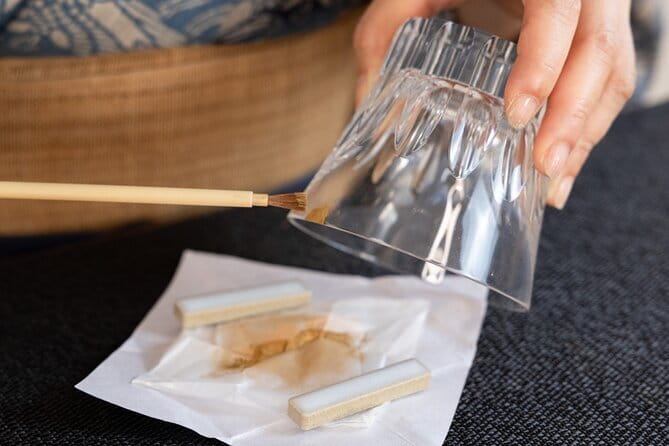
- The Hands-On Moment: How You Actually Repair Your Piece
- What You Leave With (And Why It’s Worth the Time)
- Price and Value: Is $145.35 Reasonable for This Class?
- Who This Kintsugi Workshop Is Best For
- Practical Tips Before You Book
- Should You Book Mon Cadeau’s Kintsugi Class in Shibuya?
- FAQ
- How much does the kintsugi workshop cost?
- How long is the workshop?
- How many people can be in the class?
- Is it a private group experience?
- Where do I meet for the workshop?
- What happens at the start of the workshop?
- Is the workshop suitable for most people?
- Are service animals allowed?
- What is the cancellation policy?
Key things to know before you go
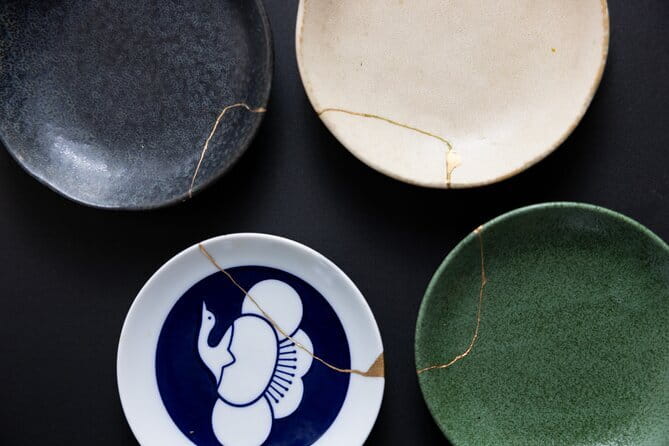
- Matcha and sweets set the tone so you can slow down before touching the repair materials
- Pick your own dish or vessel from Mon Cadeau’s selection, then work on that piece yourself
- History plus technique: you learn the origins and traditions behind kintsugi, not just the how-to
- Max 6 people keeps the class personal and makes it easier to get one-on-one help
- Step-by-step demonstrations lead you through the process with hands-on guidance
- Take-home result: you leave with a repaired piece you made
Why a Kintsugi Workshop Works So Well in Shibuya
Tokyo can feel like it never powers down. This is a nice counterweight. In just about two hours, you shift from moving through crowds to doing something quiet with your hands—repairing broken pottery with gold glue aesthetics.
What makes this class especially appealing is the mix of practical craft and meaning. You’re not only learning technique; you’re learning why kintsugi became a cultural habit in Japan—turning breakage into something intentional and beautiful.
Also, the setting is small and welcoming. Reviews consistently point to a home-like atmosphere, not a factory-style classroom. That matters because kintsugi is detail work. When you feel comfortable, you make fewer rushed mistakes.
You can also read our reviews of more tours and experiences in Tokyo


Finding the Meeting Point Near Central Hospital
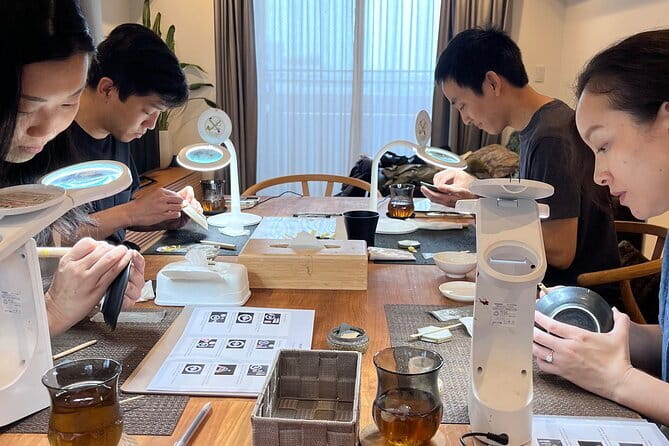
You meet at Central Hospital, 25-1 Shinsenchō, Shibuya, Tokyo. The location is listed as near public transportation, so you should be able to line it up with your day without a long detour.
This is a private tour/activity, meaning your group is the only one scheduled at that time. And with a maximum of six travelers, the day-to-day experience stays calm instead of chaotic.
Practical tip: plan to arrive a few minutes early. With craft classes, the start time matters because you’re jumping into matcha and explanations right away, not browsing supplies first for 30 minutes.
Matcha Tea and Snacks: The Start That Changes the Whole Class
The workshop begins with matcha tea and a calm mindset. It’s not just a nice gesture. Starting with tea signals the pace of the session: slow, attentive, and focused on what you’re making rather than speed or perfection.
You’ll also have local sweets with the tea. That small food setup helps everyone settle in, especially if you’re coming straight from trains and lunch-on-the-go.
And yes, the vibe is warm. Multiple accounts mention being greeted kindly and treated like you belong for the duration of the class. That’s the kind of environment where you can ask questions without feeling rushed.
Choosing Your Own Crockery from Mon Cadeau’s Collection
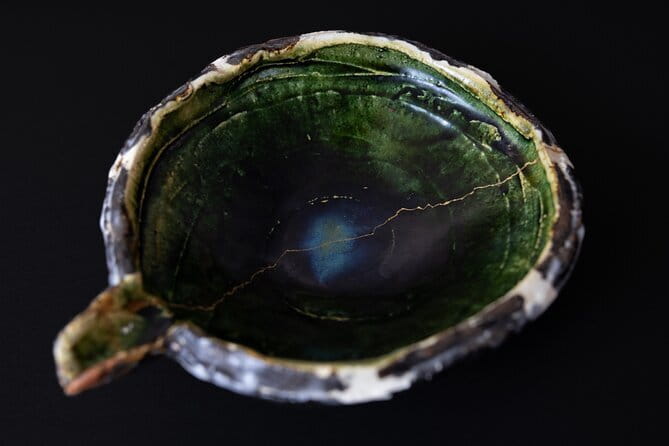
One of the best parts is that you do not just watch. You choose a piece of crockery to repair from Mon Cadeau’s collection.
That choice affects everything. If you pick a shape you love—something with the right curve, size, or character—you feel more connected to the process. You also pay closer attention to alignment and how the repaired crack lines will read once the gold glue is applied.
Look for a piece that feels comfortable to handle. You’ll be working with it during the session, so pick something you can hold steady without strain. Since this is hands-on, comfort is a quiet factor in how confident you feel.
The Origins of Kintsugi: More Than Gold Glue
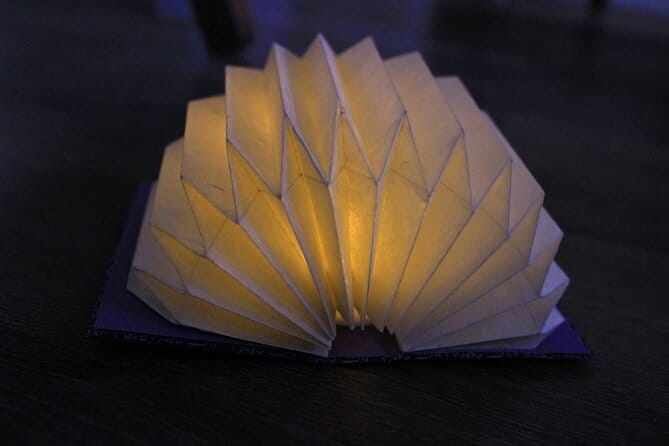
Before you apply materials, you learn about the origins and traditions surrounding kintsugi. This part matters because it changes the way you see your work.
Kintsugi has been used for centuries to fix broken pottery, and the practice is often described as making breakage more beautiful with gold glue. The goal is not to hide damage. The goal is to show it—then treat it like part of the object’s story.
That philosophy helps you relax during the repair. You’re not trying to erase the past. You’re shaping the present.
It also gives you something worth sharing later. Even if you never do kintsugi again at home, you’ll have an explanation that connects the craft to Japanese values.






Learning Through Step-by-Step Demonstrations
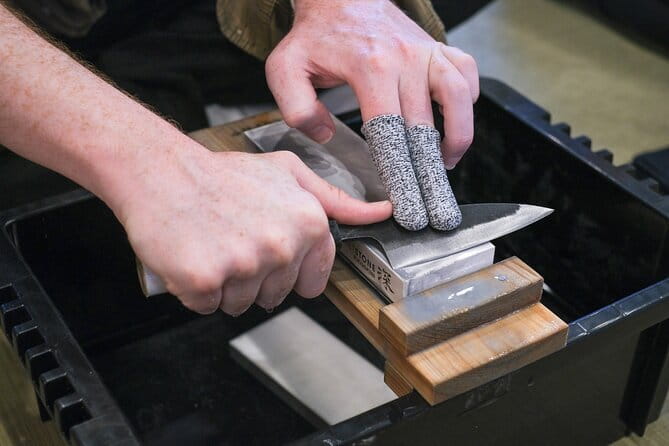
The class is built around instructor demonstrations, then hands-on work. The teaching approach you get here is strongly described as supportive and guiding, with personalized help when you need it.
Two names come up repeatedly for instruction and hospitality: Michiko-san and Yuki-san. In practical terms, that’s good news for you because it suggests the class has real mentoring built into it, not just a quick overview.
Here’s what that should feel like: you watch the process, then you try the key steps yourself with help nearby. If something looks off—like how parts align—the instructor can guide you back to the right technique.
For first-timers, that’s huge. Craft workshops can become frustrating when the pace is too fast or the instructor can’t catch you before mistakes set. A small group helps here because everyone has a chance to get that course-correcting moment.
The Hands-On Moment: How You Actually Repair Your Piece
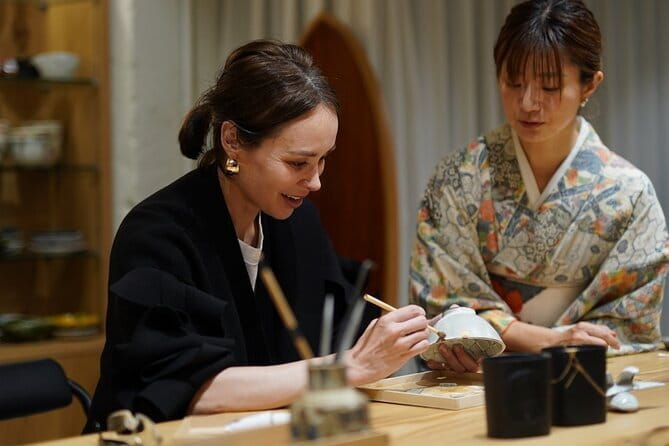
Even though every participant’s crack pattern and chosen object can differ, the flow tends to be similar: preparation, alignment, then applying the repair so the finished look reflects kintsugi style.
Because the workshop provides step-by-step demonstrations and personalized guidance, you’re not left improvising. The goal is that you walk out with a repaired piece you feel good about—something you can bring home and set on a shelf without hiding it in a box.
A helpful mindset: treat the session like a learning lab, not an exam. You’re aiming for a careful outcome, not a museum-perfect one. The instructors guide you so you can focus on doing the right steps at the right time.
And you’ll likely feel proud when it clicks. That satisfaction is a big theme in feedback: people describe leaving with genuine joy, especially those who were in Japan for the first time and wanted to do kintsugi themselves.
What You Leave With (And Why It’s Worth the Time)

You end the activity back at the meeting point, and the big takeaway is your repaired crockery.
That matters more than it sounds. A kintsugi class is one of the few activities where you create something that you can keep and use as a conversation piece. It’s not just a photo op, and it’s not a souvenir that feels generic.
In a city full of things you can buy quickly, a take-home craft gives you a memory that stays physical. Every time you see the gold-highlighted repair line, you’ll remember the calm hour-and-a-bit of doing the work.
Also, the class is designed so you get a finished result from your session. That’s a big quality marker for craft workshops: you want to do the actual work while you’re there, not leave with unfinished steps.
Price and Value: Is $145.35 Reasonable for This Class?
At $145.35 per person for about two hours, this isn’t a budget activity. But it also isn’t just a casual lesson.
You’re paying for several value drivers that add up:
- small group size (maximum of six) with personalized guidance
- step-by-step demonstrations plus hands-on practice
- matcha tea and local sweets included in the start
- cultural context through the origins and traditions
- a take-home repaired piece you make yourself
If you’ve ever tried a DIY craft class without instruction, you know how fast things can go wrong. Kintsugi is visually forgiving in the right way, but the technique still takes care. Good guidance can save you from wasted time and frustration.
So for many people, the value is in the combination: technique + teaching + atmosphere + a finished object, all in a short, friendly window.
Who This Kintsugi Workshop Is Best For
This works especially well if you want something meaningful in Tokyo that isn’t another line, another crowd, or another quick photo.
You’ll likely enjoy it if you:
- like crafts and want a new skill with cultural context
- prefer small groups over big tours
- enjoy slower-paced experiences with food (matcha and sweets) included
- want a take-home item that feels personal
It also looks like most travelers can participate, and service animals are allowed. If you’re unsure about comfort handling the piece, think about choosing a size that feels manageable for you.
Practical Tips Before You Book
A few tips can help you get the best experience.
First, wear something you can focus in. You’ll be hands-on, and you don’t want to worry about what you’re wearing the whole time.
Second, keep your expectations realistic. This is a two-hour workshop. You’re learning technique and finishing a piece, not turning into a master potter overnight.
Third, plan your schedule so you’re not rushing before or after. The class starts with matcha and includes explanations. If you’re late, you can miss the start mood and instructions.
And one more thing: because the experience is non-refundable and cannot be changed, treat it like a real reservation. Book it when you’re confident your Shibuya day is solid.
Should You Book Mon Cadeau’s Kintsugi Class in Shibuya?
If you’re looking for one Tokyo experience that feels calm, hands-on, and genuinely Japanese in spirit, this is a strong pick.
The small-group cap of six is the biggest reason. Kintsugi is the kind of craft where individual help matters. You want instructors close enough to catch details early, and you want enough time to work without feeling like you’re on a conveyor belt.
The second reason is the combination of technique and meaning. Learning the origins and traditions gives your finished piece more weight. It’s not just gold lines—it’s a cultural story you can repeat later.
If you are on a strict budget, this may feel steep. But if $145-ish for a take-home repaired dish plus personal instruction feels fair to you, go for it.
My advice: if you can lock in your schedule, book it. Then give yourself permission to slow down for those two hours. Tokyo will still be there afterward.
FAQ
How much does the kintsugi workshop cost?
It costs $145.35 per person.
How long is the workshop?
The workshop is approximately 2 hours.
How many people can be in the class?
The class has a maximum of 6 travelers, keeping it intimate.
Is it a private group experience?
Yes. It is a private tour/activity, and only your group participates.
Where do I meet for the workshop?
You meet at Central Hospital, 25-1 Shinsenchō, Shibuya, Tokyo 150-0045, Japan. The activity ends back at the meeting point.
What happens at the start of the workshop?
It begins with a calming matcha tea experience, along with local sweets.
Is the workshop suitable for most people?
Most travelers can participate.
Are service animals allowed?
Yes, service animals are allowed.
What is the cancellation policy?
This experience is non-refundable and cannot be changed for any reason. If it’s canceled because a minimum number of travelers isn’t met, you’ll be offered a different date/experience or a full refund.