REVIEW · TOKYO
Private Harajuku Omotesando Architecture Walking Tour
Book on Viator →Operated by Showcase Tokyo Architecture Tour · Bookable on Viator
Modern Tokyo hides in plain sight. This private Harajuku and Omotesando architecture walk pairs Olympic-era design with high-fashion storefront architecture, plus detours into quieter backstreets. You get a guided primer as you go, with your pace and stops adjusted to your interests.
I especially like the way the route strings together big-name works and smaller design details. You start near Meiji Jingu, then get a proper look at Kenzo Tange’s Yoyogi Gymnasium before you shift into the Omotesando shopping corridor and its architecture-for-people-who-look-up attitude.
One possible drawback: it’s still a walking tour. With a moderate fitness level requirement and plenty of street time, you’ll want comfortable shoes, and you may wish to plan for shade or indoor time if the weather turns hot.
In This Review
- Key highlights worth your attention
- Why Harajuku and Omotesando is perfect for architecture walking
- Starting near Meiji Jingu and spotting Yoyogi’s Olympic geometry
- Omotesando storefronts as architecture, not just shopping
- Harajuku backstreet detours and the value of going off the main line
- Olympic-era design meets modern fashion streets
- The tour’s customization is the real secret sauce
- What guides do that makes the explanation stick
- Itinerary flow: what each phase feels like
- 1) Meiji Jingu area as your calm launch point
- 2) Yoyogi Gymnasium sighting and Olympic design context
- 3) Boutique architecture along Omotesando
- 4) A side trip into backstreet neighborhoods
- 5) A café pause with drinks
- 6) Ending near Omotesando and Aoyama-dori
- Practicalities: timing, walking level, and how to prepare
- Price and value: why $132.14 can make sense
- Should you book this Harajuku and Omotesando architecture tour?
- FAQ
- What is the duration of the Private Harajuku Omotesando Architecture Walking Tour?
- Where does the tour start and end?
- Is this tour private?
- What’s included in the price?
- What is not included?
- How physically demanding is it?
- Is it near public transportation?
- Is the tour customizable?
- Can I cancel for a full refund?
Key highlights worth your attention
- Olympics in architecture form: Yoyogi Gymnasium by Kenzo Tange as a major anchor point
- Fashion-boutique design as a design category: stops at major brands with distinctive building façades and storefront choices
- Harajuku backstreet detours: side streets where the area feels more layered than the main shopping streets
- A real pause included: a cozy break with drinks at a quieter, less-expected café stop
- Guides use visuals: many guides come with photo sets (often on iPads) and clear explanations of design choices
- Fully private and customizable: your guide can adjust the mix of top sights and lesser-seen buildings
Why Harajuku and Omotesando is perfect for architecture walking
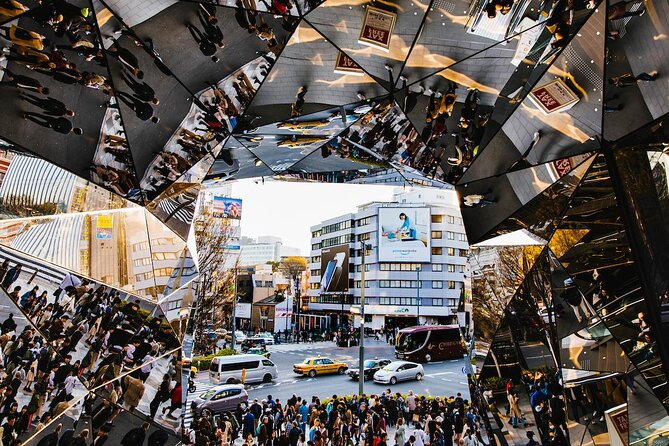
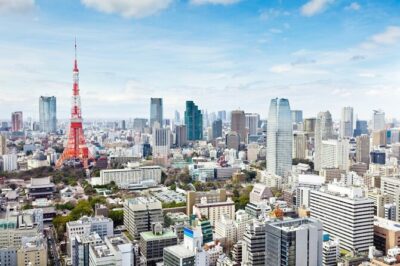
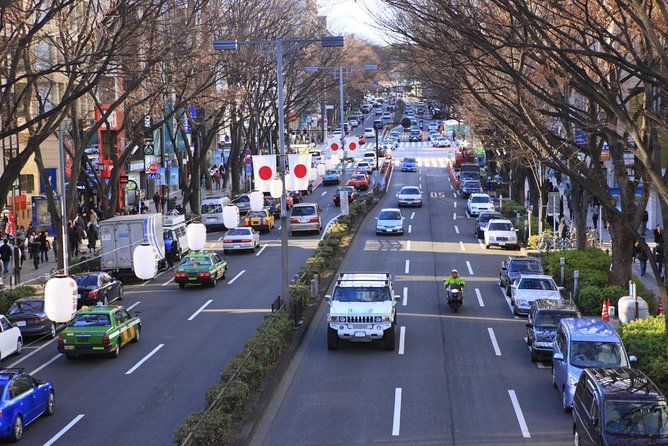
Harajuku and Omotesando aren’t just places to shop. They’re basically Tokyo’s showroom for how architecture, retail, and city design talk to each other. You see shiny façades, sculptural storefronts, and careful transitions between streets and entrances. Even if you’re not the type to carry an architectural notebook, your eyes start learning fast—because the design details are right at sidewalk level.
This tour also makes smart use of the location. Harajuku gives you youthful energy and a famous fashion identity; Omotesando adds that polished “champs-style” boulevard feel. The best part is that you don’t get stuck in only one mood. You’ll move from shrine calm to Olympic geometry to boutique architecture, then loop into side streets where the neighborhood changes character again.
And yes, it’s a walking tour, so you get the city as it actually feels: crossing busy intersections, stepping off main streets, and using the sidewalk as your viewing platform. That is exactly what architectural sightseeing should be.
You can also read our reviews of more walking tours in Tokyo


Starting near Meiji Jingu and spotting Yoyogi’s Olympic geometry
The walk begins in the Meiji Jingu area, meeting at Harajuku Station (Meiji Jingu side). Starting here matters because it resets your senses. You’re not starting in a mall corridor. You’re starting where Tokyo’s idea of tradition is visible, then you shift into the modern design story that’s around the corner.
From there, you move toward one of the big architecture moments of the day: Yoyogi Gymnasium, designed by Kenzo Tange. The tour experience frames it as an iconic landmark viewable from a distance. That approach is useful. You get the overall form first, which helps you understand why the surrounding streets and building edges feel the way they do later.
Next comes the transition into shopping architecture. Instead of treating department stores and brand storefronts as distractions, the tour treats them as buildings with design decisions—materials, curves, lighting, and how the entry sits on the street. It turns a walk you might normally rush through into something you can actually read.
Omotesando storefronts as architecture, not just shopping
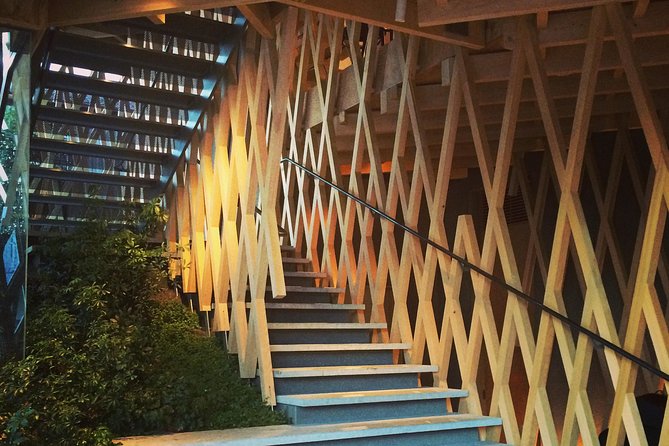
Once you’re on the Omotesando stretch, the walking rhythm shifts. The guide uses the brands along the route as architecture stops—meaning you look at proportions, façades, and the way glass and entrance forms guide your eye. It’s a nice trick because it keeps the tour grounded in real-world observations instead of only talking history.
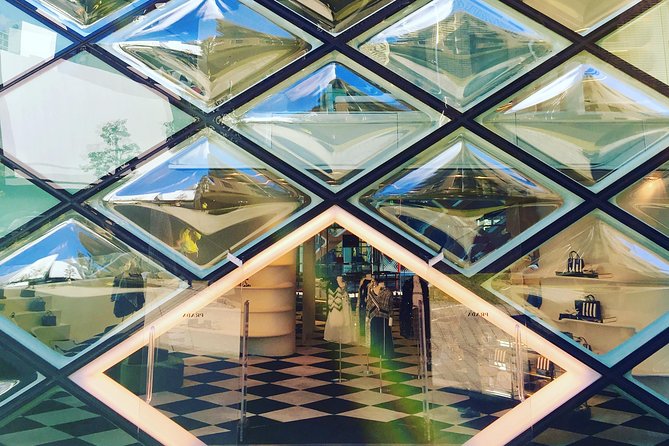
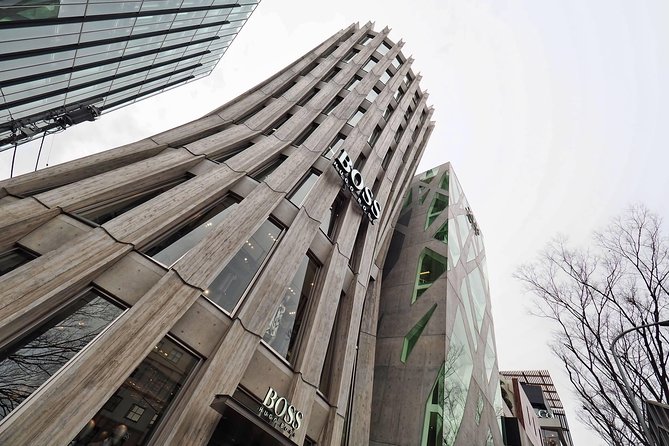
You may pause at several major fashion names along the way, including The Iceberg, Dior, Louis Vuitton, Tod’s, Sunny hills, and Prada. Even when you’re just standing outside, you can learn how the building addresses pedestrians. That’s the part most architecture tours forget: how the design behaves at 3 feet from the sidewalk.
If your guide is leaning into the modern-architecture side, you may also see designs associated with internationally known architects tied to the area’s design reputation. One example from the tour style includes the way some stops highlight unusual glass behavior—convex and concave surfaces—so you understand why a façade can look different as you move. The point isn’t that Tokyo has fancy stores. The point is that the city uses retail architecture as a public canvas.
A practical note: Omotesando is a place where you’ll naturally stop for photos. The tour also works well for that. Some guides come prepared with photo references and even pointers on where to stand for the best angles, so you’re not just guessing.
Harajuku backstreet detours and the value of going off the main line
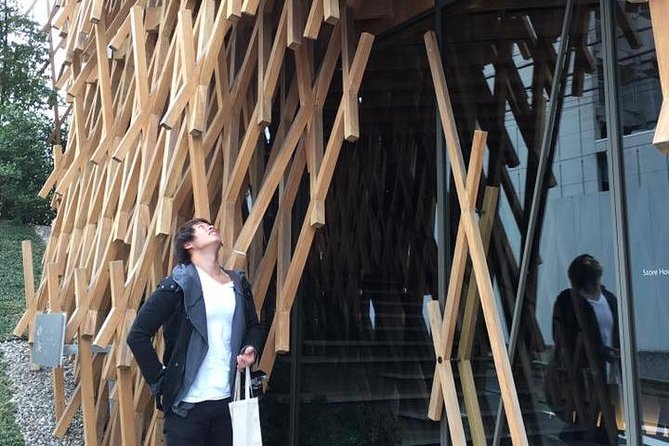
The Harajuku part of the experience isn’t only about the headline streets. You’ll take side trips into backstreet neighborhoods, which helps you notice the area’s variety. This is where the walk earns its “insider” label. Main streets show the surface identity. Side streets show how the area actually grew—block by block—while still keeping its local flavor.
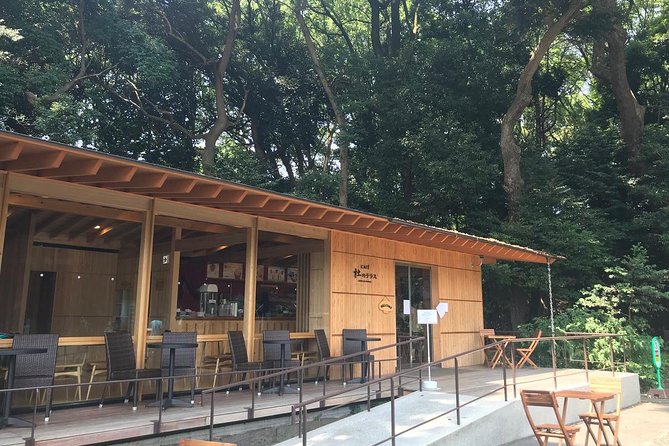
You’ll also get a chance to sit down briefly during the walk. That break isn’t a random coffee stop. It’s positioned as a breather along the way, with drinks included, so you can reset before continuing the architecture-focused route.
In the real world, this matters because design sightseeing needs attention span. When you’re standing outside, scanning details, and listening for clues about materials and layout, fatigue creeps in. The built-in pause is a simple way to keep the experience enjoyable rather than a long, tiring trek.
Olympic-era design meets modern fashion streets
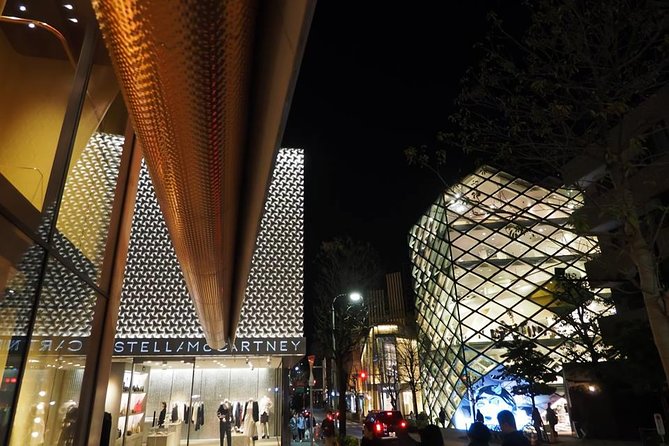
A lot of cities have an “old” district and a “new” district. Tokyo often layers them in the same orbit. That’s what makes this pairing work: Meiji Jingu sets a traditional baseline, then you hit Kenzo Tange’s Olympic-era presence, then you slide into the present-day language of fashion and retail architecture.
The tour’s Olympics theme gives you a shortcut to understanding why certain modern forms feel so confident here. Yoyogi Gymnasium isn’t just a famous building name. It’s a modern expression that connects to how the city presents major events and uses architecture as a statement.
Once you make that connection, the boutique architecture feels more logical. You start noticing design choices as signals. Even if you’re not trying to memorize architects, you begin seeing patterns: bold shapes, clean linework, and how entrances pull you into (or carefully frame) the experience inside.
You can also read our reviews of more private tours in Tokyo



The tour’s customization is the real secret sauce
This is a private tour, and it’s described as fully customizable. That’s not just marketing fluff. Architecture walks work best when your guide can steer based on what you actually care about—whether that’s landmark names, experimental façades, or smaller less-publicized design details.
During the walk, the guide can adjust the mix. That might mean spending more time on specific buildings, adding or reducing interior stops depending on what you want and what’s feasible. Some guides also adjust for conditions—one style of tour includes increasing indoor time if it’s hot outside. That’s the kind of practical flexibility that makes the day feel smooth instead of rushed.
Because it’s private, you’re also more likely to get a Q&A that stays on your interests. If you’re the sort of person who asks why a building curves or how a roofline is meant to behave, this setup supports that.
If you want a more relaxed pacing, you should say so early. If you want maximum architecture talk and photo time, the tour can lean that direction too.
What guides do that makes the explanation stick
A big reason this tour earns such high praise is how prepared the guides are. Multiple guides (like Yoshi, Yoko, Aki, Mari, Eriko, Junko, Yuki, and Taka) are described as bringing structured explanations and visuals—often photo sets for each architect and building point.
You get more than a running commentary. The guide’s preparation helps you connect what you’re seeing on the street to a larger design story. Some guides even use materials like floor-plan references on iPads, and they’re able to point out where to stand to see the building’s form the way it was intended.
Another practical plus: clear English. Several guides are described as speaking very clearly, and they’re patient when visitors need something repeated. That matters a lot on a tour like this, because architecture talk has its own vocabulary.
Even when the explanation gets technical, the guide style here seems built around helping you see the idea visually first. That’s the difference between hearing about architecture and actually recognizing it outside in real time.
Itinerary flow: what each phase feels like
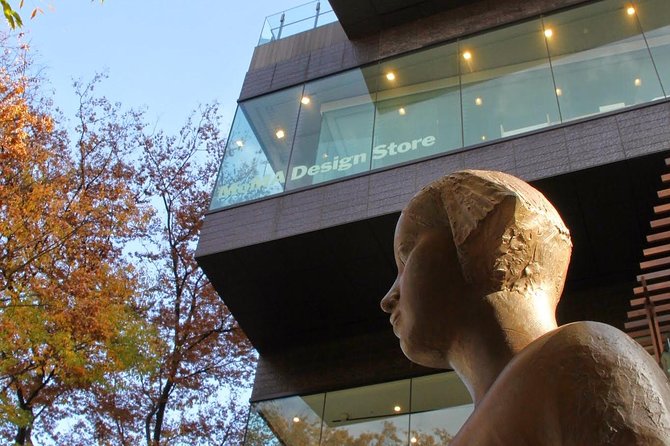
Here’s what the day typically feels like, stop by stop, in plain terms:
1) Meiji Jingu area as your calm launch point
You meet near Harajuku Station on the Meiji Jingu side. The shrine setting gives you a reset before modern city design starts taking over. It also helps you start with context: this isn’t only about recent trends; it’s about how the city presents different eras side by side.
2) Yoyogi Gymnasium sighting and Olympic design context
Then you shift to Yoyogi Gymnasium, designed by Kenzo Tange. You see it from a distance, which is a smart way to learn the overall form before zooming into smaller details later.
3) Boutique architecture along Omotesando
Next you walk through the high-end shopping corridor with architecture stops at major brand locations like Louis Vuitton and Prada. You pause to look at the building as a street-facing object: how it frames the sidewalk, how it uses light and material contrast, and how the entry works.
4) A side trip into backstreet neighborhoods
At some point you’ll branch off to backstreets. This is where you get the area’s diversity in a less polished package. It also makes the main boulevard feel more meaningful because you’re comparing two versions of the neighborhood within the same walking loop.
5) A café pause with drinks
The walk includes a cozy pause and drinks at a café along the way. This is a practical mid-walk reset and a good moment to ask questions or just let your eyes rest.
6) Ending near Omotesando and Aoyama-dori
The tour ends at the Omotesando and Aoyama-dori intersection, in front of a Mizuho bank, near Minamiaoyama. It’s a convenient finish point for continuing your own exploring with transit options nearby.
Practicalities: timing, walking level, and how to prepare
The tour lasts about 3 hours 30 minutes. You’re moving for most of that time, with stops to look and short pauses to sit. That’s why comfort matters. Wear good walking shoes and plan for weather.
The guidance also calls for a moderate physical fitness level. That doesn’t mean it’s extreme, but you should expect enough continuous walking that you’ll feel it by the end—especially if you’re photographing constantly.
Transportation-wise, the meeting point is near public transportation. You also get a mobile ticket, so you won’t be fumbling with paper.
Because the tour is private, it’s just your group with a local licensed guide. That usually makes the pacing feel more human than a fixed group schedule.
Price and value: why $132.14 can make sense
At $132.14 per person for around 3.5 hours, this isn’t a “quick souvenir” tour price. You’re paying for a local licensed guide, private grouping, and the kind of preparation that includes visuals and architecture-specific explanations.
The value comes from three places:
- Depth per hour: architecture walking works best when you get meaning, not just motion. The guide format here is built for explanations you can use while you’re still standing there.
- Included pause: the tour includes a drinks break, which is often the part that makes walking tours feel human rather than exhausting.
- Customization: you’re not locked into a generic checklist. If you care more about modern design than brand history, you can steer the time.
You may also see group discounts available, and that can help if you’re traveling with others who want the same format.
One more planning tip: the average booking time is about 53 days ahead. If your dates are fixed, it’s smart to book early rather than assume you’ll find something last-minute.
Should you book this Harajuku and Omotesando architecture tour?
If you like architecture, you should book. This tour is built for people who notice façades, proportions, materials, and street-level design. It also works well if you’re a fashion shopper, because the walk turns brand streets into architecture reading practice.
You might skip it if you want a casual, low-effort stroll with no explanations. This is guided, structured design talk with intentional viewing stops, so it’s best when you actually want to learn how the buildings work.
My call: book it if your Tokyo time is short and you want a high-quality introduction to modern design in a neighborhood most people only treat as a shopping destination.
FAQ
What is the duration of the Private Harajuku Omotesando Architecture Walking Tour?
It runs for approximately 3 hours 30 minutes.
Where does the tour start and end?
The start is at Meiji Jingu (Harajuku Eki), located at 1 Yoyogikamizonocho, Shibuya, Tokyo 151-0052. The tour ends at the Omotesando and Aoyama-dori intersection, in front of a Mizuho bank (5-chōme-1-27 Minamiaoyama, Minato City, Tokyo 107-0062).
Is this tour private?
Yes. It’s a private tour/activity, so only your group participates.
What’s included in the price?
The tour includes a local licensed tour guide and a cozy pause with drinks along the way.
What is not included?
Hotel pickup and drop-off are not included.
How physically demanding is it?
It calls for a moderate physical fitness level since it’s a walking tour.
Is it near public transportation?
Yes. The meeting point is near public transportation.
Is the tour customizable?
Yes. The tour is fully customizable, with a mix of top attractions and under-the-radar sites.
Can I cancel for a full refund?
Yes. There is free cancellation up to 24 hours in advance for a full refund. If you cancel less than 24 hours before, the amount paid will not be refunded.