REVIEW · TOKYO
One Day Tokyo Group Tour: Asakusa, Harajuku, Shibuya and more
Book on Viator →Operated by Flip Japan Guide · Bookable on Viator
Tokyo in one walking sprint. This 6-hour tour links ancient-to-neon Tokyo—Asakusa’s temple area, Shibuya’s famous crossing, Harajuku’s fashion scene, and Shinjuku’s night energy—so you get your bearings fast. I like that the max 15-person group keeps things friendly, not rushed, and the guide handles questions about culture and daily life.
I also like the practical, on-foot rhythm. You’ll see neighborhoods cars can’t reach easily, and you’ll learn station basics so Tokyo feels less intimidating later. You get local recommendations, plus mobile tickets that make day-of check-in easier.
The main drawback is that it’s a short day with lots of steps, and lunch isn’t included. If you hate walking or your energy runs out early, plan your breaks—and don’t count on being able to sit down whenever you want.
In This Review
- Key things that make this one-day Tokyo tour work
- From Senso-ji Smoke to Neon Crossings: How the 6-Hour Loop Feels
- Asakusa and Senso-ji: Your Traditional Starting Line
- Shibuya Beyond the Postcard: Crossing, Food, and Night Energy
- Harajuku Station: Fashion Vibes Without the Guesswork
- Shinjuku as the Finish Line: Plan Your Night Before You’re Lost
- What You Get From an English Guide (and Why Names Matter)
- Price and Value: What $75.77 Buys You in Tokyo
- Walking Time, Shoes, and Cash: Simple Prep That Saves Your Day
- Getting There and Where You Start/Finish
- Who This One-Day Tokyo Highlights Walk Fits Best
- Should You Book This Tour?
- FAQ
- Is lunch included in the tour price?
- How long is the tour?
- What’s included with the tour?
- Do I need to pay for entrance tickets?
- Are there extra costs besides the tour price?
- How big is the group?
- Where does the tour start and where does it end?
- What if the weather is poor?
- What’s the cancellation window?
Key things that make this one-day Tokyo tour work
- Small group pace (up to 15 people): easier questions, less waiting, better flow between stops
- Asakusa first, Senso-ji at the start: a strong “old Tokyo” anchor before the city gets modern
- Shibuya beyond the crossing: you’re shown more than the photo spot, including where people actually go for food and drinks
- Harajuku by station: fashion vibes without needing to figure out every turn yourself
- Shinjuku as the finishing splash: you leave with a plan for the nightlife area you just sampled
- Guides with real personality: names like Amir (from France), Firas, Flor, and Ravisha show up again and again in the guide reputation
From Senso-ji Smoke to Neon Crossings: How the 6-Hour Loop Feels
If you want Tokyo in one day, this tour is built for that goal. The route is designed as a mix of traditional and modern neighborhoods, so you don’t just see landmarks—you see how different parts of the city live side-by-side.
The group stays small (15 max) and you cover ground mostly on foot. That matters because Tokyo is a city where the “in-between” streets—the side alleys, little storefronts, and pedestrian lanes—are often the real story.
You’re also getting an English-speaking guide and open Q&A time. That’s useful because Tokyo runs on local habits: how people queue, how neighborhoods change block to block, and what to notice (and what to ignore) when you’re standing in a crowd.
You can also read our reviews of more tours and experiences in Tokyo



Asakusa and Senso-ji: Your Traditional Starting Line
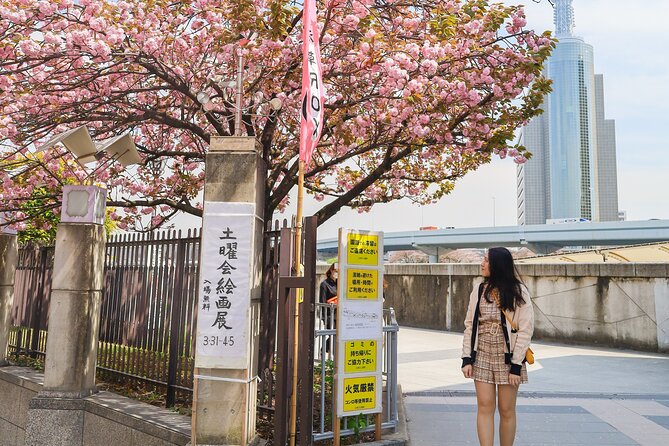
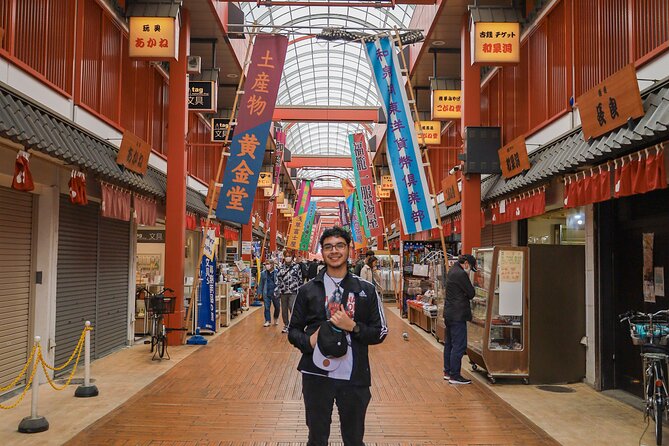
Asakusa sets the tone in a way few districts can. You’ll head to the Senso-ji area, one of Tokyo’s oldest temples, with origins going back to the 7th century. The site centers on worship to Kannon, the Buddhist goddess of mercy, so the mood is calmer and more ceremonial than the modern stops to come.
This first stretch is also smart for time. When you start with a landmark like Senso-ji, you instantly get context for the rest of the day. It becomes easier to notice what’s changing as you move from shrine streets to shopping streets, and then into Tokyo’s bigger-city pace.
Admission here is listed as free, which helps you keep the day’s costs predictable. You’ll still want cash in your pocket for snacks and small purchases, since lunch isn’t part of the tour plan.
Shibuya Beyond the Postcard: Crossing, Food, and Night Energy
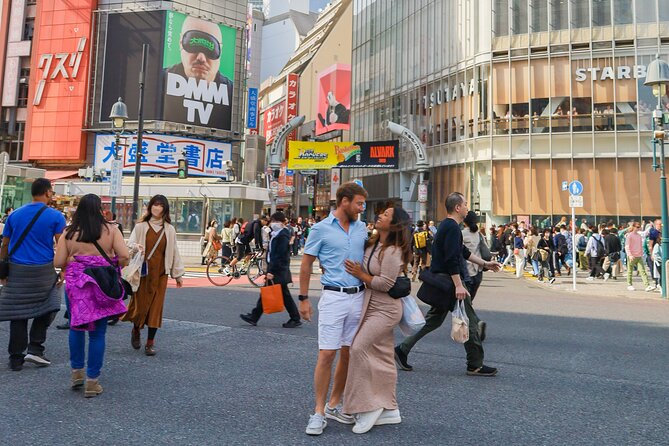
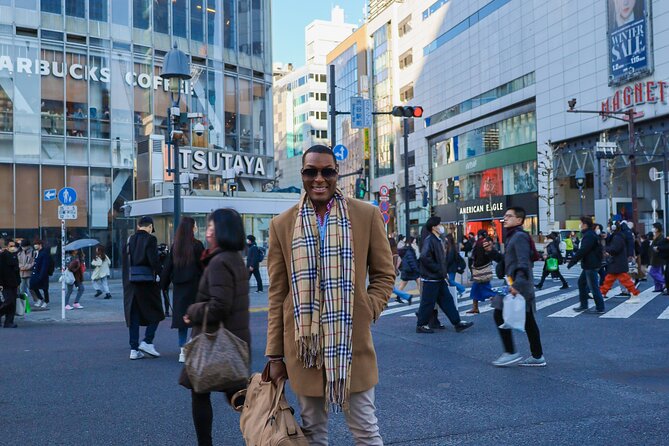
Next comes Shibuya, the district tied to the world’s busiest pedestrian crossing. Yes, you’ll see it—but the real value is that the guide doesn’t treat Shibuya like one photo and done.
Shibuya is also where a lot of people go for food, bars, and nightlife energy. That matters if you’re planning your own evenings later, because Shibuya can feel overwhelming when you land there with no map and no instincts. A good guide helps you understand what kind of street or venue vibe you’re looking at, even if you can’t name every neighborhood in the first hour.
In the tour structure, this stop is listed as free admission as well. You’re paying for your guide and walking time, not ticket hassles, which is a nice way to keep the day simple.
Harajuku Station: Fashion Vibes Without the Guesswork
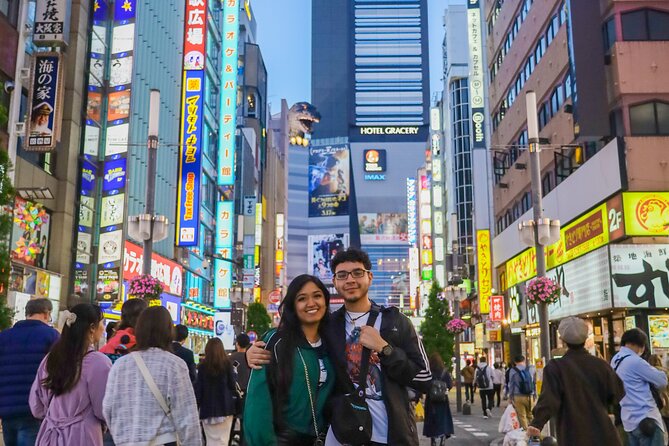
Then you swing toward Harajuku via Harajuku Station. This is the part of Tokyo that many first-timers picture immediately—fashion-forward streets, youth culture, and a sense that the city likes to play with style.
The tour includes admission for this stop. You still get more than just a “walk here and leave” moment, because Harajuku can be easy to waste time in if you don’t know where you’re headed. With a guide, you can spend more of your hour looking at details and less time backtracking through crowds.
Harajuku is also a good temperature check for your stamina. If you’re starting to feel your legs, this is where you can decide what kind of pace you want for the final leg.
Shinjuku as the Finish Line: Plan Your Night Before You’re Lost
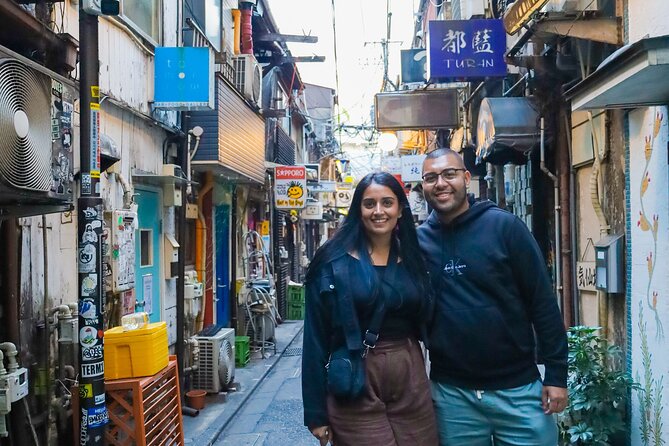
You end in Shinjuku, Tokyo’s nightlife hub. Think of Shinjuku as the place where people go to unwind and keep going. The tour doesn’t just stop at a landmark; it finishes with the idea that you’ll keep exploring after the walk.
That’s a smart design choice for a one-day experience. When you leave Shinjuku after a guided introduction, you’re more likely to find something fun nearby without wasting your first evening figuring out which subway exit leads you toward the good streets.
The day’s last hour is listed as free admission. So again, you’re mainly paying for the human guide, the route, and learning how to read the city while you’re moving.





What You Get From an English Guide (and Why Names Matter)
The best part of small-group Tokyo tours is often the guide, not the schedule. This one leans heavily into conversation: ask questions about Tokyo’s culture, history, and daily life, and you’ll get answers that help you understand what you’re actually seeing.
In the reputation for this experience, several guide names come up with strong praise, including Amir, Firas, Flor, and Ravisha. The common thread is that the guides tend to be friendly, energetic, and attentive to the group’s comfort, which helps on a walking day when everyone’s patience can get thin.
Also, one practical benefit from a strong guide: when the group is very small, the pacing can feel more tailored. That’s the difference between a rigid “follow the leader” tour and one where you can ask a question and get a real answer without being rushed out of the moment.
Price and Value: What $75.77 Buys You in Tokyo
At $75.77 per person for about 6 hours, this tour is priced like a “high-impact orientation” day. You’re not paying for a pile of paid attractions; you’re paying for an English-speaking guide and a route that covers major districts with low friction.
What’s notably good value here:
- Free admissions at Asakusa and Shibuya (so your budget doesn’t spike)
- A included entry at Harajuku (so you’re not hunting for tickets mid-day)
- A format designed to help you navigate Tokyo by foot and learn station flow
What you should factor in:
- Lunch isn’t included, so you’ll need to budget for food on your own
- Public transportation costs $5 per person are not included
In plain terms: this is a solid deal if you want to spend your day seeing real districts and learning how to move around. If you already feel fully confident with Tokyo navigation and you’d rather design your own route, then the value depends on how much you’d pay to buy that guidance.
Walking Time, Shoes, and Cash: Simple Prep That Saves Your Day
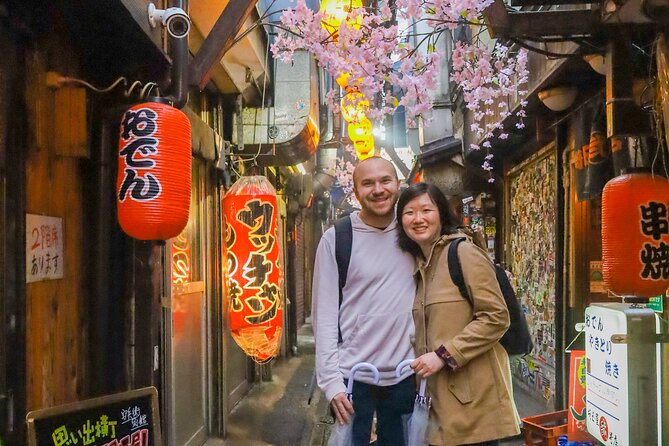
This tour has a moderate physical fitness level requirement, so be ready for real walking. Even if you don’t think you walk far at home, Tokyo distances add up quickly—side streets, station crossings, crowd movement, and standing time near popular sights.
From practical advice that matches how these tours run, wear good walking shoes. Bring cash for quick purchases since lunch is not part of the plan. Tokyo is increasingly card-friendly, but cash is still useful for small snacks, vending-machine snacks, and casual street stops.
Also, check the weather before you commit. The experience requires good weather, and if it’s canceled for weather reasons, you’ll be offered a different date or a full refund. If you’re traveling in a rainy season, consider booking earlier in your trip so you have backup time.
Getting There and Where You Start/Finish
You start at the Asakusa Culture Tourist Information Center in Taito City, near Kaminarimon. Starting there is a good move because it places you right in the Asakusa zone instead of making you arrive, walk, and then hunt for your group.
You finish in Shinjuku City. That ending matters because Shinjuku is huge. The tour’s ending point plus the guide’s local recommendations can help you pivot into dinner or nightlife without wasting time.
The tour also uses a mobile ticket, which is convenient if you don’t love paper vouchers. And it’s near public transportation, so you shouldn’t be stranded if your timing is off.
Who This One-Day Tokyo Highlights Walk Fits Best
This tour is a great fit if you:
- Have only a few hours in Tokyo and want a strong first snapshot
- Want to see both old and new Tokyo without building a route yourself
- Like asking questions and learning what to notice while you’re there
- Prefer a small-group feel (15 max) over big buses
It’s not the best choice if you:
- Want a slow, sit-down-heavy day
- Hate walking or struggle with stamina
- Plan to do everything via hotel-to-attraction taxis and don’t want any transit costs added
If you’re a first-timer, I think this one is especially helpful because it gives you structure. Tokyo can feel like a maze, but after a guided loop like this, you start recognizing the city’s patterns.
Should You Book This Tour?
Yes, I’d book it if you want an efficient, guide-led orientation that hits the big Tokyo contrasts: Asakusa → Shibuya → Harajuku → Shinjuku. The mix is exactly what makes a one-day tour useful, and the small group size means you’re more likely to get real answers instead of generic facts.
I’d hesitate only if your day depends on staying flexible for rest stops or you’re traveling with a “no walking” preference. And since lunch and public transport aren’t included, you’ll want to budget a bit beyond the ticket price.
If you show up with good shoes, some cash, and a willingness to ask questions, this tour is one of the clearer ways to get your bearings fast.
FAQ
Is lunch included in the tour price?
No. Lunch is not included, so you’ll want to plan your own meal during or around the walking schedule.
How long is the tour?
It runs for about 6 hours.
What’s included with the tour?
You get an English-speaking guide and a walking tour of Tokyo highlights.
Do I need to pay for entrance tickets?
Asakusa and Shibuya are listed as free admission stops. Harajuku has admission included. Shinjuku is listed as free admission.
Are there extra costs besides the tour price?
Yes. Public transportation is listed as an extra $5 per person.
How big is the group?
The maximum group size is 15 travelers.
Where does the tour start and where does it end?
It starts at the Asakusa Culture Tourist Information Center and finishes in Shinjuku City.
What if the weather is poor?
The experience requires good weather. If it’s canceled due to poor weather, you’ll be offered a different date or a full refund.
What’s the cancellation window?
You can cancel for a full refund up to 24 hours in advance of the experience start time. If you cancel less than 24 hours before, the amount paid is not refunded.