REVIEW · TOKYO
Private Handmade Ring Workshop Activity in Tokyo Shibuya
Book on Viator →Operated by nane tokyo キャットストリート店 · Bookable on Viator
Tokyo Cat Street and a ring you made.
This private ring workshop on Cat Street turns a simple souvenir into something personal: you learn Japanese metal texturing, shape your ring to your preferences, and leave with the ring the same day. I like that it’s a private class (just your group) with hands-on guidance, and you get real coaching instead of a one-size-fits-all demo.
Two things I really like: you choose the metal and the look (including texture, thickness, and shape), and the instructor actively helps as you work. One thing to consider: the base price is only for the workshop, while materials cost extra, and some people feel the final ring cost can run higher than they expected.
In This Review
- Quick highlights from this Shibuya ring workshop
- Where Tankin-Style Ring Making Fits in Shibuya
- Arriving at nane tokyo on Cat Street (and what to look for)
- Picking Your Ring Look: Metals, Texture, Thickness, Shape
- Hammering the Tankin Texture: Your Hands-On Time
- Final Polish and Taking Your Ring Home Same Day
- Price and Value: What $21.80 Really Covers
- Who This Workshop Is Best For (and who should skip it)
- Tips to Make Your Ring Turn Out Like You Want
- Should You Book This Shibuya Ring Workshop?
- FAQ
- How long is the private ring workshop in Shibuya?
- Where does the workshop start and end?
- Is this a private class?
- What’s included in the price?
- Are materials included?
- Can I take the ring home the same day?
- How do tickets work?
- Do I get confirmation after booking?
- What is the cancellation policy?
Quick highlights from this Shibuya ring workshop
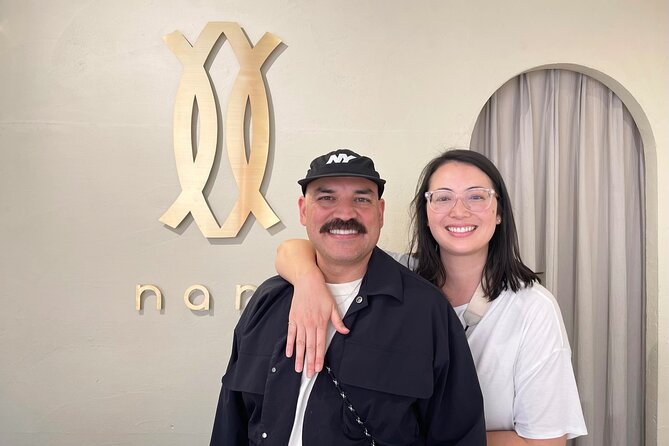
- Private, instructor-led class: only your group, so you can ask questions and get feedback as you hammer
- Tankin-style texturing: you create the look using special hammers and tools
- Big customization choices: metal, thickness, texture, and ring shape (size too, depending on what you pick)
- Staff finish the final details: you do much of the texture work, while skilled staff polish and clean at the end
- Same-day take-home: you leave with your ring on the day of the workshop
- Photo support: staff may take photos during your session and share them with you
Where Tankin-Style Ring Making Fits in Shibuya
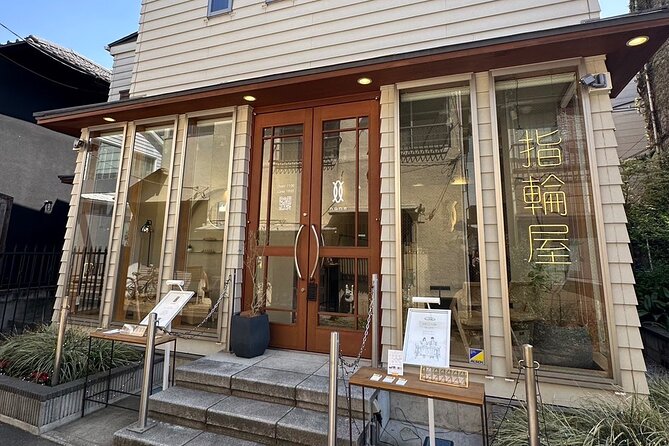
This experience is set up for people who want a hands-on Tokyo activity that’s more meaningful than buying a postcard. You’re not just watching metalwork. You’re shaping a ring you can actually wear—or gift to a partner, spouse, or even yourself as a “Japan did this for me” keepsake.
The workshop centers on tankin-style metalworking basics that translate well to beginners. You’ll be guided through choosing how your ring will look, then you’ll use tools to create texture and form. That combination matters. It turns what could be a quick craft session into a skill you can describe afterward, even if your goal is still just a beautiful ring.
It also helps that it’s located in Shibuya’s Jingūmae / Cat Street area. Cat Street is one of those places where you can plan the workshop as the anchor activity and then wander before or after. The workshop ends back at the meeting point, which makes it easy to build the rest of your day around it.
You can also read our reviews of more private tours in Tokyo



Arriving at nane tokyo on Cat Street (and what to look for)
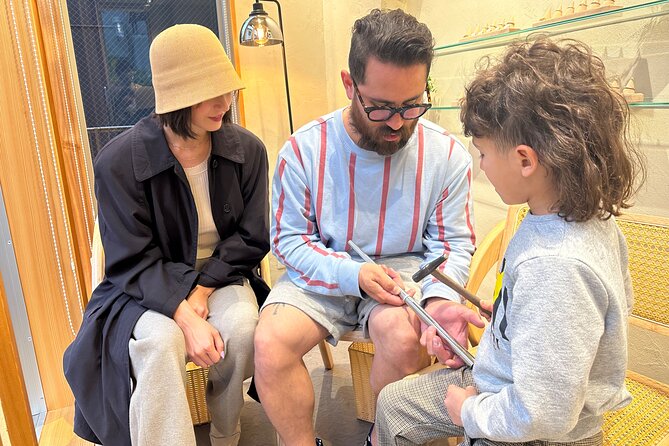
You’ll meet at nane tokyo キャットストリート店, Cat Street, Jingūmae (5-chōme), address listed as 11-13 1F, Shibuya. The workshop also ends back at the meeting point, so you’re not hunting for a second location later.
A few practical points make this smoother:
- Bring your mobile ticket. It’s listed as a mobile ticket experience.
- Give yourself a bit of time to find the shop on Cat Street—small storefronts can be easy to miss if you’re rushing.
- Since it’s private and your time is fixed to your slot, show up close to the start time so you don’t cut into your customizing and hammering time.
The format is small-group and private: only your group participates. That’s a big deal in Tokyo. You get less waiting, fewer distractions, and more chances to ask questions without feeling like you’re behind someone else’s schedule.
Picking Your Ring Look: Metals, Texture, Thickness, Shape
This is the part that makes the workshop feel personal instead of generic. Before you’re hammering anything, you choose key design elements:
- Material/metal (materials cost extra, but you choose what you’ll work with)
- Thickness (affects the feel and look)
- Texture (that tankin-style look you create with tools)
- Shape (including ring style and how it will sit)
In real terms, your instructor uses your choices to steer you toward something that looks good and works as a wearable ring. Several people mention guidance on what would look best, and that’s the right support to have. If you pick a texture you love, but don’t understand how it changes the final ring surface, you can end up with something you like visually but don’t love in the way it catches light or feels.
One nuance that’s worth knowing upfront: not all steps are “DIY.” Some reviews describe that you primarily make the texture yourself, while staff do parts like the base and the end polishing. That doesn’t make the workshop less fun—it just clarifies what your money is buying. You’re paying for hands-on texturizing time plus professional finishing, not a do-everything-by-yourself metal project.
Hammering the Tankin Texture: Your Hands-On Time
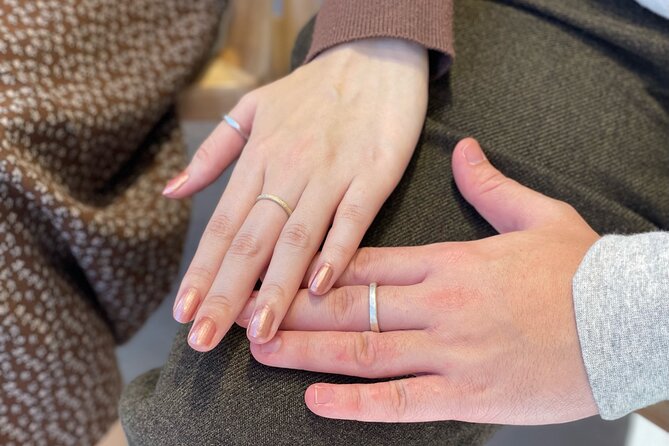
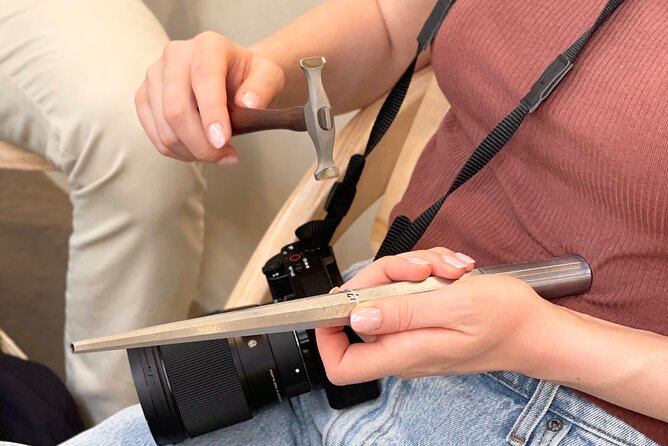
Your core hands-on work uses special hammers and tools to create the texture and shape. This is where the class earns its keep. With the right guidance, beginners usually don’t feel out of place. The instructor can correct your technique as you go, so you get momentum instead of frustration.
You’ll likely spend most of your session doing the texture steps you chose earlier. That’s also why the workshop feels good as a date activity. You can talk while working, compare choices, and watch your ring become real in a way that’s hard to replicate through shopping.
A few instructor names show up in the feedback: Hikari, Nana, and Tao. Different instructors, same goal—clear guidance. English-speaking support is mentioned as well, which matters for questions like:
- How hard to hammer for the look you want
- How to hold the ring as you texture it
- What small adjustments will improve the final surface
Also: staff may take photos during the process. If you want a tangible memory beyond the ring itself, this is a smart bonus. You can get pictures of your actual making moment, not just the finished product.
Final Polish and Taking Your Ring Home Same Day
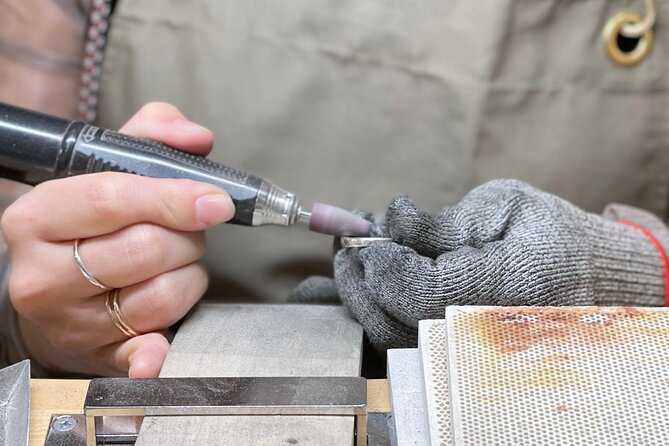
At the end, the ring isn’t just left “as-is.” Skilled staff polish and clean it during the final process, so you get a wearable finish instead of raw workshop metalwork. That finishing step is part of why the workshop is smooth for non-experts.
The timing is also a major plus. The workshop takes around 1 hour 30 minutes (approx.), and the ring can be taken home on the day. That changes the value for planning. You don’t need a post-trip pickup, shipping, or a second visit.
If you’re coming to Tokyo with a tight schedule, same-day take-home keeps this from becoming an inconvenient chore. It’s still a commitment—set aside the 90 minutes—but it doesn’t sprawl into multiple days.
You can also read our reviews of more tours and experiences in Tokyo






Price and Value: What $21.80 Really Covers
The listed price is $21.80 per person, but materials are not included. That’s not a small footnote. It’s the difference between “a cheap workshop” and “a workshop with a customizable ring bill.”
Here’s how to think about value so you don’t get surprised:
- You’re paying for the guided experience: private attention, tools, and instruction
- You’re also paying for the metalwork outcome: a real ring you customize and take home
- Your final total can rise based on what you choose for metal and how you size and texture the ring
Some feedback calls out that it can feel overpriced if you focus only on the ring’s material value. The flip side is that people who feel it’s worth it usually care about the process: the personal customization, the instructor coaching, the memory, and the fact that you leave with something you can wear for years.
Also look for the “DIY expectations” mismatch. A few reviews mention that while you hammer the texture yourself, staff still handle key finishing steps. If you expect to personally form everything end-to-end from scratch, you might feel the experience is less hands-on than you pictured. If you expect a guided craft session where you contribute the design and texture, you’ll likely feel the value is spot-on.
Who This Workshop Is Best For (and who should skip it)
This works best if you want a Tokyo activity that’s tactile and personal. It’s especially strong for:
- Couples: a first-anniversary, engagement, or wedding-ring style activity fits the format well
- Gift-makers: people use it for meaningful presents, because the ring ties directly to your story
- Souvenir hunters who want one real thing instead of lots of small purchases
- Families: at least one review describes teens joining and enjoying the session, and the experience says most travelers can participate
It’s also a good fit if you like guided crafts with clear instruction. You won’t be left to guess.
You might want to reconsider if:
- You’re only looking for the cheapest craft option
- You hate paying extras for customization (because materials aren’t included)
- You want a workshop where you personally do every fabrication step yourself
Tips to Make Your Ring Turn Out Like You Want
This isn’t just about showing up. A little prep can help your final ring match what you imagined:
- Plan your priorities before you arrive: metal feel, texture style, and ring shape. The more you know what you want, the faster the choices click.
- Ask questions as early as possible. Since it’s private, you can clarify technique while you’re still setting up your texture rhythm.
- Don’t overthink the process. The whole point is you get feedback while you work. If you mess up something, staff support is part of the experience.
- Bring your partner’s style into the conversation. If you’re making rings for each other, it helps to decide what match matters: same texture, same thickness, or just a complementary pair.
One more practical note: the shop is near public transportation, and service animals are allowed. That’s helpful if you’re building this into a day of walking and transit.
Should You Book This Shibuya Ring Workshop?
Book it if you want a small, meaningful Tokyo experience with real personalization and a same-day result. You’ll likely enjoy it most if you’re excited about choosing your ring details, hammering texture yourself, and getting instructor help along the way. The private format is a real upgrade in a city where group activities can sometimes feel rushed.
Don’t book it if your top priority is low cost or if you expected to do every single fabrication step yourself. The materials extra cost and the fact that staff do final polishing can change how “DIY” it feels.
If you’re on the fence, do this simple math in your head: ask yourself whether you’re paying for (1) a guided craft lesson, (2) a customized keepsake, and (3) the memory of making it. If yes, this workshop is a strong match.
FAQ
How long is the private ring workshop in Shibuya?
It lasts about 1 hour 30 minutes (approx.).
Where does the workshop start and end?
The workshop starts at nane tokyo キャットストリート店 in Shibuya (Jingūmae, 5-chōme) and ends back at the same meeting point.
Is this a private class?
Yes. It’s a private tour/activity, so only your group participates.
What’s included in the price?
The included item is the workshop price. You pay for the class itself.
Are materials included?
No. The cost of materials is not included.
Can I take the ring home the same day?
Yes. The ring can be taken home on the day.
How do tickets work?
It’s listed as a mobile ticket experience.
Do I get confirmation after booking?
Confirmation is received within 48 hours of booking, subject to availability.
What is the cancellation policy?
Free cancellation is available. You can cancel up to 24 hours in advance for a full refund. Changes inside 24 hours of the start time aren’t accepted, and refunds won’t be issued within that window.