REVIEW · TOKYO
Tokyo: Private & Customizable Tour – All-in-One Experience
Book on GetYourGuide →Operated by ShogunTours · Bookable on GetYourGuide
Tokyo can feel like a lot—until it’s guided. This private, customizable tour is built for your pace and your interests, with bilingual local guides who help you plan on the fly. I like that you can start with a simple goal (like learning the metro) and still end up with culture, neighborhoods, and practical advice.
Two things I especially like: the guide’s ability to tailor stops (from Tsukiji Market to Shibuya) and the hands-on way they teach real Tokyo basics, from navigation to spotting pricing traps. The one drawback to think about: you’ll likely walk a fair bit, so comfort matters.
In This Review
- Key Points to Know Before You Go
- A Tokyo Plan Built Around Your Pace (Not a Rigid Route)
- Value Check: What About $51 Means in Real-Life Tokyo
- How the Planning and Timing Really Connect
- A Great 2-Hour Starter Day: Metro Confidence + Tsukiji Market
- Shibuya Crossing and Precincts: Catch the City Without the Chaos
- Shrines, Shinto, and Buddhism: Understanding What You See
- A Kamakura Day Trip Option: Temples, Parks, and a Slower Rhythm
- Walking, Shoes, and Tokyo Logistics You Can’t Outsource
- Best Fit: Who This Tour Works For
- My Booking Verdict: Should You Book This Tour?
- FAQ
- FAQ
- What languages are the guides?
- How long is the tour?
- Is there a pickup option?
- Are there any extra costs besides the tour price?
- Do children pay?
- How do I know my actual start time?
- What should I bring?
Key Points to Know Before You Go
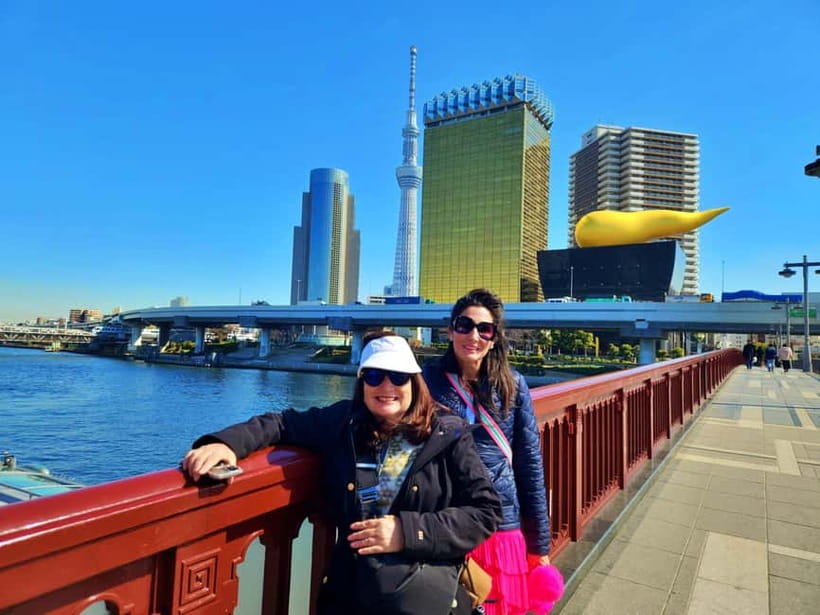
- Private and customizable: you choose the theme, then adjust day-of when you feel like it
- Bilingual guide options: English, Spanish, and Italian guides are available
- Metro confidence included: you can get help moving through train stations without stress
- Tsukiji Market and Shibuya-style stops: popular areas can be woven into short or longer days
- Kamakura is a common add-on: a day trip option for temples, parks, and slower rhythm
- Optional pickup on foot: available in Tokyo/Yokohama/Kamakura areas (per selections)
A Tokyo Plan Built Around Your Pace (Not a Rigid Route)
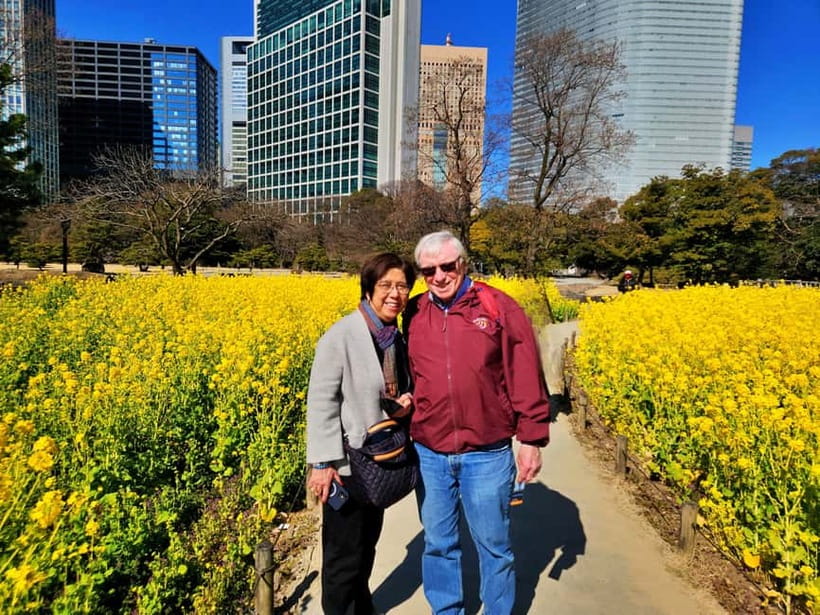
Tokyo works best when you have a plan—but not a prison. This is a private group tour, and the core idea is simple: you set the direction, and the guide shapes the day around it. First timers often want structure. Repeat visitors usually want freedom. This format supports both.
You’ll also get a guide who can answer the questions you actually have. Do you want the story behind Shinto and Buddhism? Want help understanding what you’re seeing in plain language? Prefer a relaxed stroll with time to stop? You can steer the tour that way.
The guide isn’t just there to point. They help with the practical stuff too: getting around, choosing the right streets, and making decisions so you don’t lose time. In one common setup, a first morning in Tokyo turns into a confidence-building route, with real-world tips for metro navigation and day timing.
If your group includes kids, that matters. Children under 12 can join for free (just include them when you book). That often turns what could be a “grown-up sightseeing day” into something that actually fits family energy.
You can also read our reviews of more private tours in Tokyo



Value Check: What About $51 Means in Real-Life Tokyo
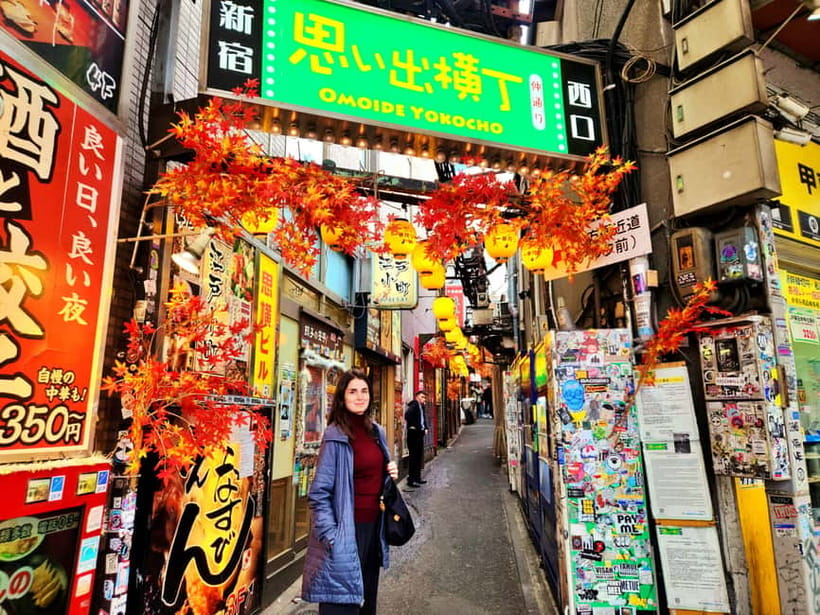
Price starts around $51 per person, and what you’re buying is time with a guide plus planning support. That can be a strong value in Tokyo because your biggest costs are usually (1) time lost figuring things out and (2) paying for the “wrong” transport choices. A good guide helps you spend your hours where you actually want them.
What you should budget separately:
- Private transport and public transportation fees
- Entrance tickets (if you go into places that charge)
- Meals, snacks, shopping, and personal expenses
Also, included extras are small but useful. You may get photos taken by your guide during the tour (and there’s a professional photographer option if available). Those help if you’re visiting with family or you want more than your own shaky phone-camera skills.
Bottom line: if you want a customized day, plus help navigating the city like a local, this tends to feel fair. If you already know Tokyo cold and hate paying for guidance, you might prefer doing it on your own. Most people who book this don’t regret it—because Tokyo is easier when someone else handles the “how do we get there?” part.
How the Planning and Timing Really Connect
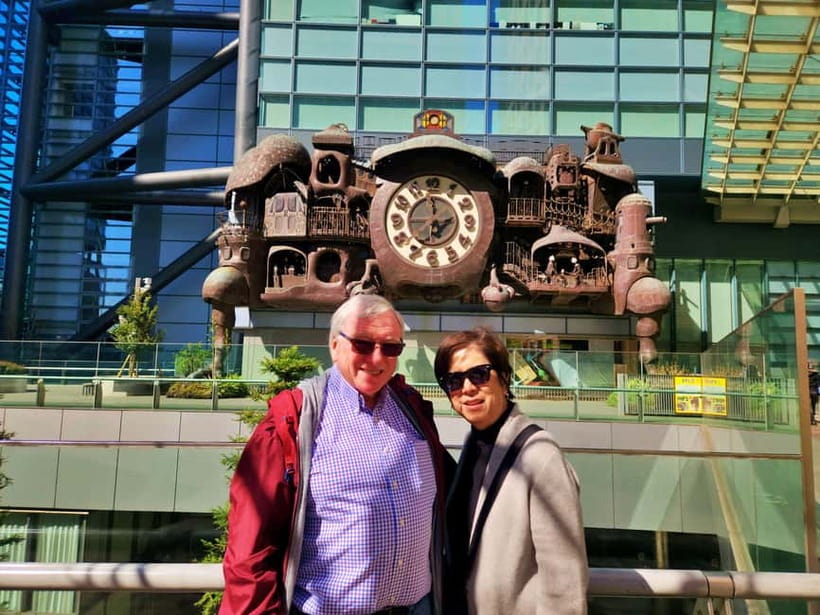
The process is designed to reduce guesswork. After booking, you’ll get a confirmation email within 72 hours with general details. Then your assigned guide sends a personal follow-up email with:
- start time options
- a proposed itinerary based on your interests
- a list of suggested destinations you can customize
- pickup details (if you selected it)
- any other useful info
Operating hours run 9:00 AM to 6:00 PM (JST). If you see 9:00 AM as a start time during booking, it can be a system placeholder; your actual start time is confirmed after the request is reviewed. That’s normal in systems like this, and it’s worth waiting for the guide’s follow-up rather than stress-planning around the placeholder.
One practical tip: decide what you want most in plain terms. Examples that work well:
- I want metro help first thing
- I want shrines and culture with explanations
- I want photos and walking but not a marathon
- I want food neighborhoods without overpriced traps
The more clearly you say that, the better the guide can build the day.
A Great 2-Hour Starter Day: Metro Confidence + Tsukiji Market
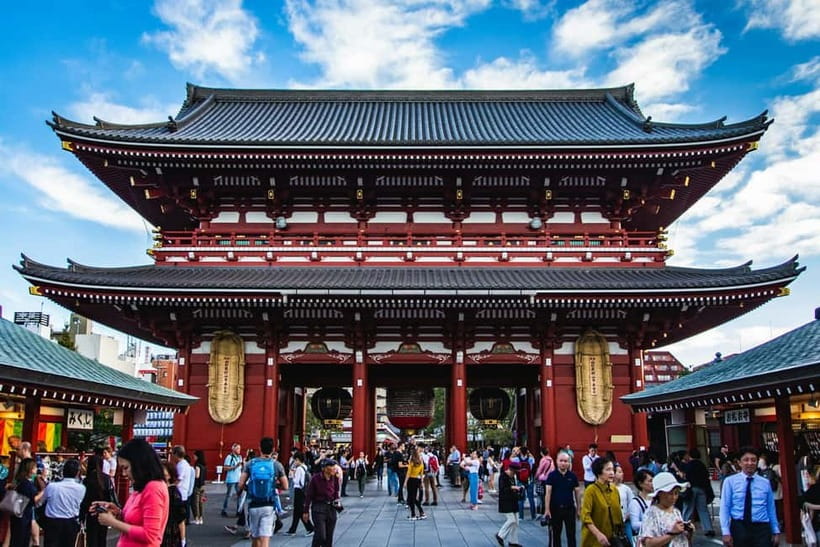
If you’re short on time—or you just landed and want your bearings—this is one of the most useful ways to start. A 2-hour format can focus on two things that pay off all trip long: learning the metro route logic and seeing a major food-and-market area like Tsukiji Market.
The guide’s value here is not just walking you somewhere. They help you understand how to move through stations and platforms so you don’t feel trapped by signage. You’ll also get practical money-and-menu advice. In the same kind of short tour setup, the guide can point out how to spot “tourist pricing” and where to look for more sensible options.
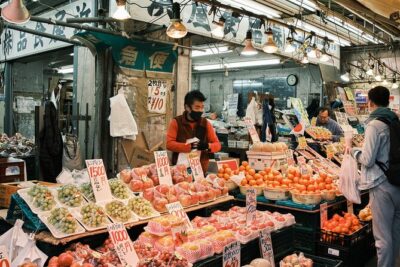
Tsukiji Market can be a strong match because it’s built for browsing: you can sample, look around, ask questions, and learn what’s worth your time. The catch is time. In two hours, you can’t do everything. You’ll do best if you pick a direction and go with the plan your guide builds with you.
This setup is also ideal if you’re traveling with teens or mixed interests. They get the energy of a famous area, while you get the navigation benefits that make the rest of your trip easier.
Shibuya Crossing and Precincts: Catch the City Without the Chaos

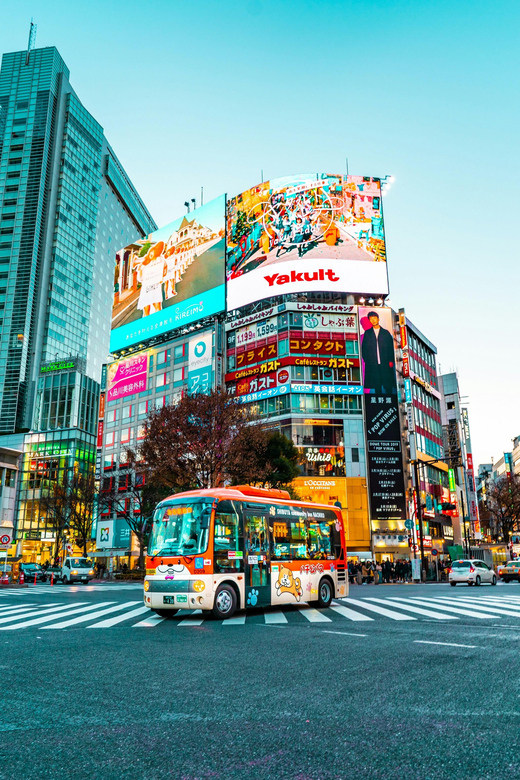
Shibuya is where Tokyo feels most modern. It’s also where people often get lost, because the streets and pedestrian flows can move fast. A guided stop here changes the experience. Instead of just watching the crossing, you get context and direction.
A common way this works on a customized day is: you hit Shibuya crossing and then spend time in the broader precinct at a pace that fits your group. Your guide can slow things down for questions and photos, or speed up if your goal is just to absorb the scene.
Here’s what you should look for during a short Shibuya portion:
- where the crowds concentrate and how to cross smarter
- which streets feel like Tokyo’s “real daily life” versus purely shopping corridors
- how the area links to other neighborhoods you might want later
A small warning: Shibuya is an exercise in walking. Even with a guide, you’ll move. If your legs are fragile, plan this for the part of the day when energy is highest.




Shrines, Shinto, and Buddhism: Understanding What You See
Tokyo’s spiritual side isn’t just decoration. When you get explanations, the whole city reads differently. That’s one of the best uses of a private guide: you can ask for the story behind what you’re seeing rather than trying to decode it from labels.
On customized tours, guides often help you cover key shrines in Tokyo and make sense of what you’re looking at. They can explain major ideas behind Shintoism and Buddhism, and connect the symbolism to everyday behavior—so it feels less like museum viewing and more like understanding a living culture.
Guides like Marco and Deen have been praised for making those explanations clear in conversational English, with answers that fit what your group is curious about. Sofia is another example of someone who’s been described as excellent at guiding people through Tokyo’s practical systems while still covering what matters.
The best part is flexibility. If you want more time at a shrine’s quiet moments, you can take it. If your group wants the energetic highlights, you can keep moving. That control is hard to get on a fixed group tour.
A Kamakura Day Trip Option: Temples, Parks, and a Slower Rhythm
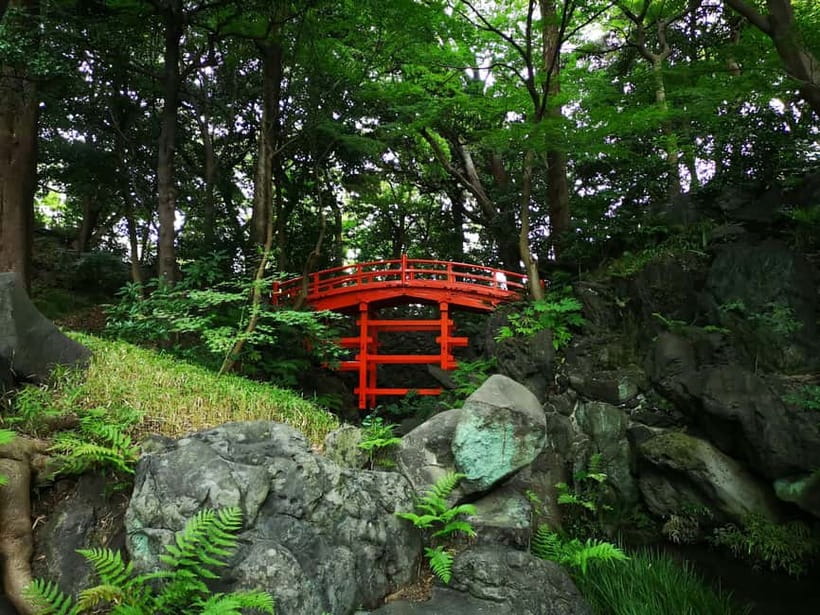
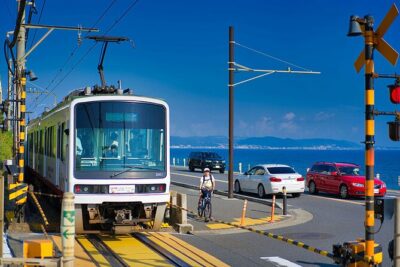
Kamakura is a popular “change of pace” from Tokyo. It’s close enough to do as a day trip, and different enough to make it feel like you escaped the rush.
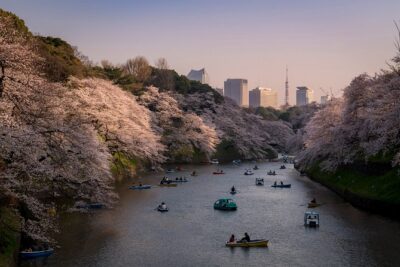
In Kamakura-focused days, you can expect a mix of cultural sights and calmer walking. Some tour setups have included parks with cherry blossom trees, which works especially well in the right season if you want a scenic break from city streets.
The key benefit is pacing. A private guide can balance “see the important stuff” with “enjoy the atmosphere.” If you’re traveling with kids, or you have mixed ages, this kind of day often lands well because it’s not only fast sightseeing.
One practical note: pickup details are optional and depend on your selections. If you pick up, it’s specifically on foot and tied to Tokyo/Yokohama/Kamakura areas. You’ll still likely use public transport during the day unless you choose a very localized walking route.
Walking, Shoes, and Tokyo Logistics You Can’t Outsource
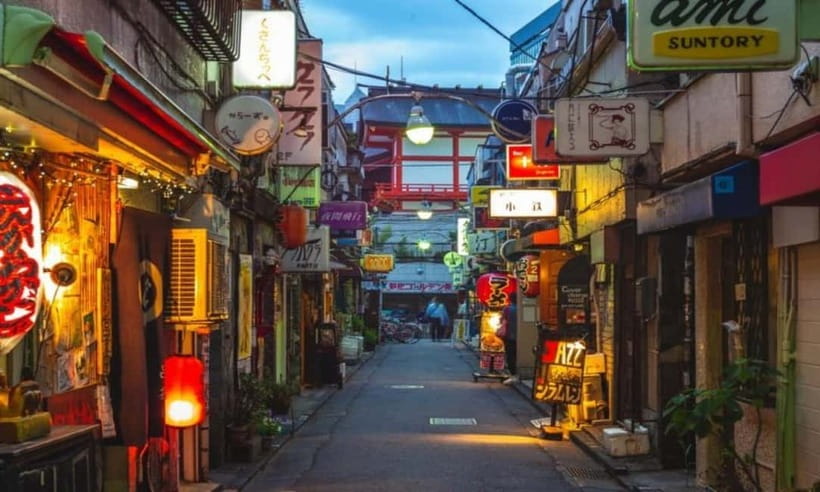
Tokyo rewards good footwear. This tour is wheelchair accessible, but it still isn’t a stay-put experience. In at least one full-day style setup, a group covered over 20,000 steps in a day. That’s not every tour, but it’s a real indicator that walking is part of the deal.
So here’s my advice:
- wear comfortable shoes you can walk for hours in
- be ready to take breaks if your guide suggests it
- if you want less walking, say so early so the plan can reflect it
Also, don’t forget the basics you’ll be responsible for:
- cash (the tour info explicitly asks you to bring it)
- public transport fees if you take subways or trains
The good news: the guide can help you choose efficient routes and move through stations smartly. The even better news: you won’t be stuck figuring it out alone, which is half the stress.
Best Fit: Who This Tour Works For
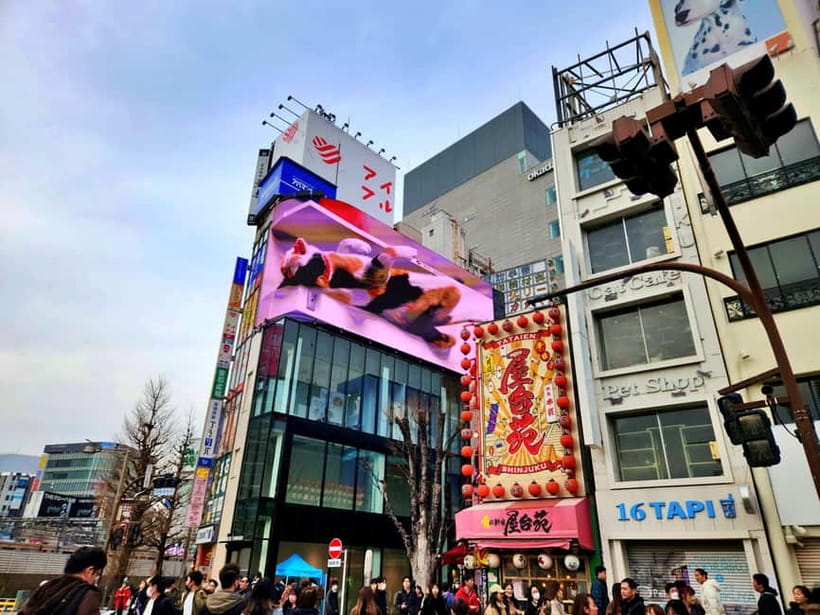
This tour is especially good for people who fit one of these buckets:
- First time in Tokyo: you want help navigating metro stations and avoiding common mistakes fast
- Food and culture combo visitors: you want local meals and neighborhood browsing, not only famous landmarks
- Families and mixed-age groups: kids under 12 join for free, and guides can keep the day moving at the right speed
- People who want explanation, not just photos: shrines, Shinto/Buddhism context, and Q&A style guidance
It also fits travelers who don’t want to be dragged through a checklist. Because you can adjust, you can spend more time where your group is actually interested. Want more picture stops? Ask. Want less crowd time? Say it.
If you’re the kind of person who likes structure but hates wasting hours, this is a strong match.
My Booking Verdict: Should You Book This Tour?
I’d book it if you want to save time and reduce Tokyo stress while still seeing real neighborhoods. The biggest strengths are private flexibility, the chance to learn Tokyo’s transport rhythm, and the guide’s ability to tailor the day to your pace—whether you’re doing a quick 2-hour start or a longer exploration that can include places like Tsukiji Market, Shibuya, and even Kamakura.
I wouldn’t book it as-is if you’re trying to avoid any walking at all, or if you already know every station stop and you don’t want to pay for guidance. Also, remember you’ll still cover transport fees and entrance tickets, so factor that into your total budget.
FAQ
FAQ
What languages are the guides?
The tour offers guides in English, Spanish, and Italian.
How long is the tour?
Tours run from 2 to 8 hours. Exact starting times depend on availability.
Is there a pickup option?
Pickup is optional and on foot, and it’s available for Tokyo/Yokohama/Kamakura areas based on selections. Otherwise, you’ll meet at your chosen location.
Are there any extra costs besides the tour price?
Yes. Public transportation fees and any entrance tickets are not included, and meals and personal spending are also not included.
Do children pay?
Children under 12 can join for free if you include them in your booking.
How do I know my actual start time?
You’ll first receive a confirmation email within 72 hours with general details. Then your assigned guide will send a follow-up email with start time options and a proposed itinerary.
What should I bring?
Bring comfortable shoes and cash.