REVIEW · TOKYO
Tokyo: Traditional Japanese Performing Arts Show and Dinner
Book on GetYourGuide →Operated by SUIGIAN · Bookable on GetYourGuide
A dinner show worth dressing up for. In Nihonbashi, SUIGIAN turns an evening meal into a front-row look at traditional Japanese performing arts, with a Noh-style stage right where you can see the details. I especially love the pairing of the seasonal kaiseki dinner with those short, elegant performance breaks.
One thing to know: this is not a long, nonstop show. The performances run in short segments between dinner courses, so if you want your entertainment to be the main event for the entire evening, plan for a slower, more paced meal first.
In This Review
- Key things I’d prioritize before you go
- A Noh-Style Stage Under Fukutoku Shrine in Nihonbashi
- Kagura or Nihon-buyo: Know What’s On Your Calendar
- Four Seat Options: How Close Do You Want to Be?
- The Dinner Flow: Seasonal Kaiseki With Bonito Broth
- Heritage Trays and the Restaurant’s Japanese Craft Details
- Timing Matters: Short Performances Built Around Your Courses
- Service, English Explanations, and the Photo Moment
- Price and Value: What You’re Really Paying For
- Who This Fits (and Who Should Skip It)
- Should You Book the SUIGIAN Dinner Show?
- FAQ
- Where is SUIGIAN located in Tokyo?
- What performances will I see?
- How long does the experience take?
- What’s included in the dinner?
- Can they accommodate allergies or vegetarian requests?
- Is this suitable for children?
Key things I’d prioritize before you go
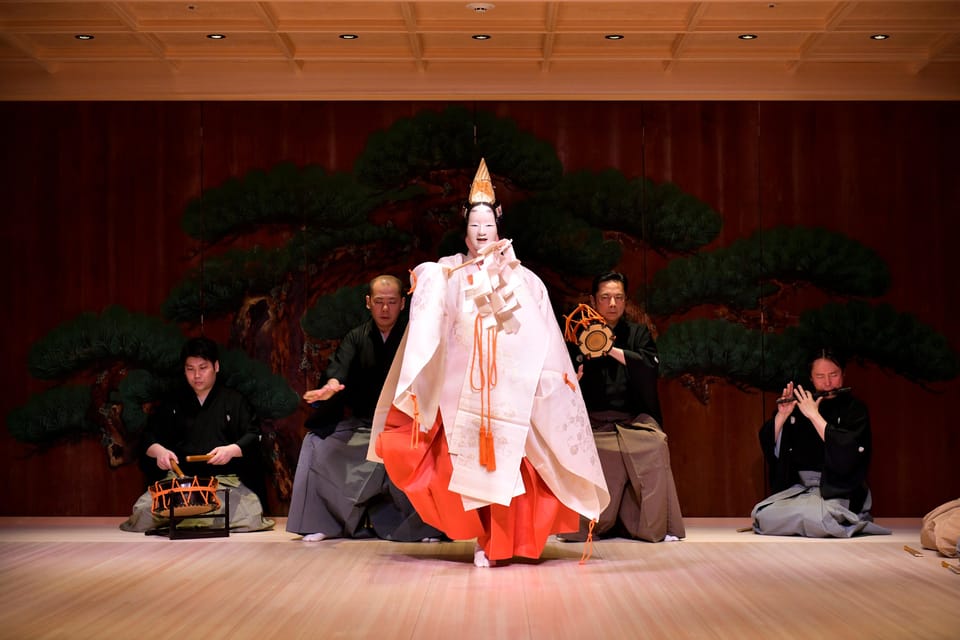
- Pick the right date for the performance: you’ll see either kagura (Shinto music and dance) on specific dates, or Nihon-buyo (traditional Japanese dance) on other dates in February and March.
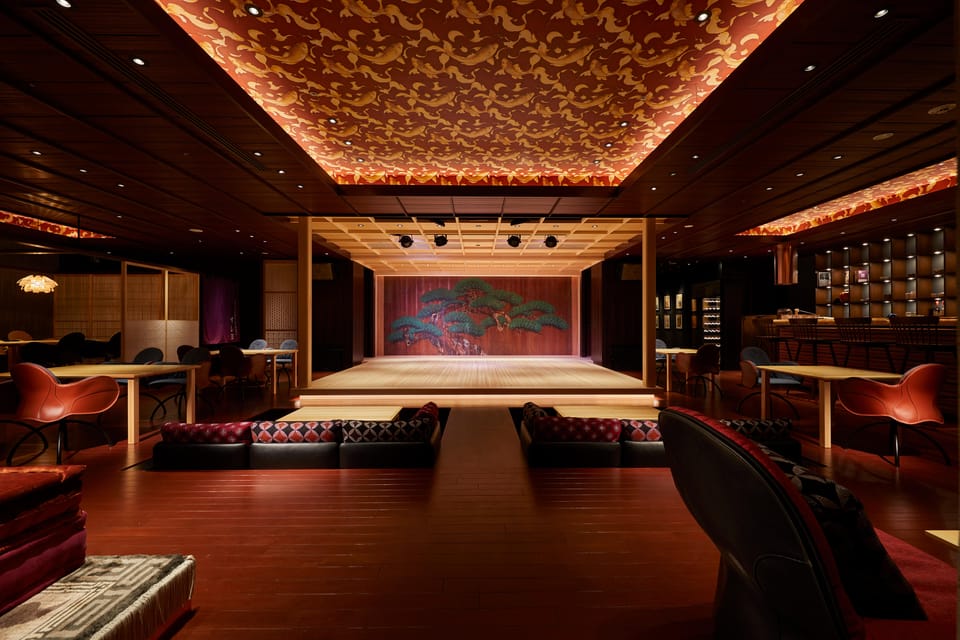
- Expect a Noh-style setting: the stage is described as Noh-style, including a backdrop with an old pine tree.
- Choose closeness with four seat options: you can select how close you sit to the stage, which changes how immersive the viewing feels.
- Plan for a multi-course rhythm: the dinner is a full course meal (often including grilled Japanese beef), served at a relaxed pace with performances worked in.
- Heritage tableware adds a wow factor: trays and dishes inherited from a Nagasaki restaurant with over 350 years of tradition are part of the experience.
- You’ll get support in English: explanations for the food and the performances are provided, and staff are attentive and kind.
A Noh-Style Stage Under Fukutoku Shrine in Nihonbashi
Tokyo’s best dinner experiences often come from places you wouldn’t notice at street level. SUIGIAN is in Fukutoku Garden B1F in Nihonbashi, and the approach is part of the charm: you come down stairs through an area connected to the historic Fukutoku Shrine, then you find a restaurant-and-lounge space designed for theatre-style viewing.
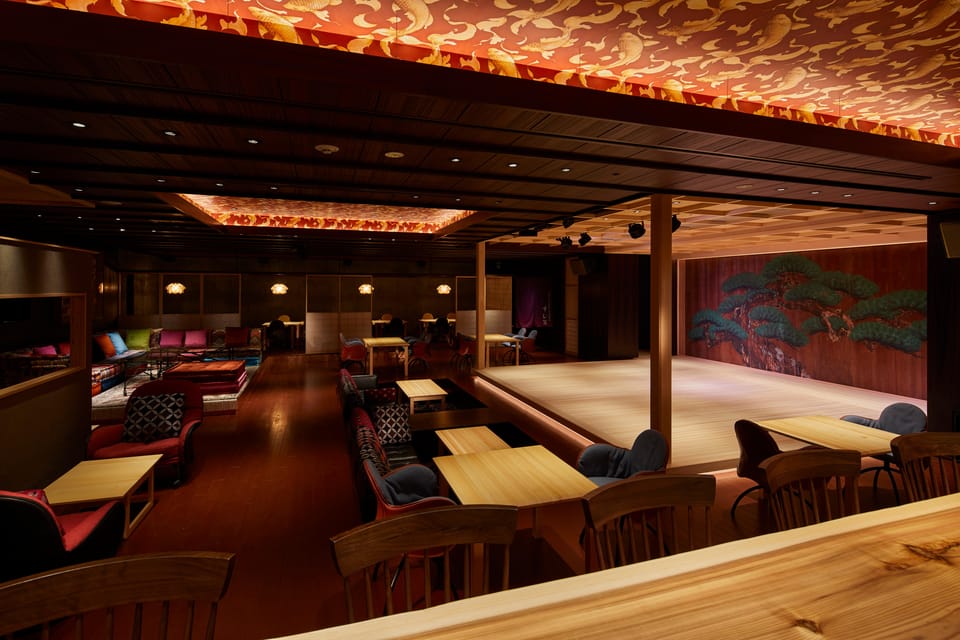
What I like here is the mood. The room feels made for performance, with decor that leans traditional but doesn’t feel old or dusty. A few highlights show up right away: the theatre-style seating, the stage framing, and the sense that the whole evening is organized around your view.
If you’re coming from Tokyo Station, it’s about a 10-minute walk. From Shin-Nihonbashi it’s around 6 minutes. If you’re using the metro, get off at Mitsukoshi-mae Station (Exit A6) on the Ginza Line or Hanzomon Line, walk about a minute, and reach Coredo Muromachi 2 B1F area.
You can also read our reviews of more tours and experiences in Tokyo

Kagura or Nihon-buyo: Know What’s On Your Calendar
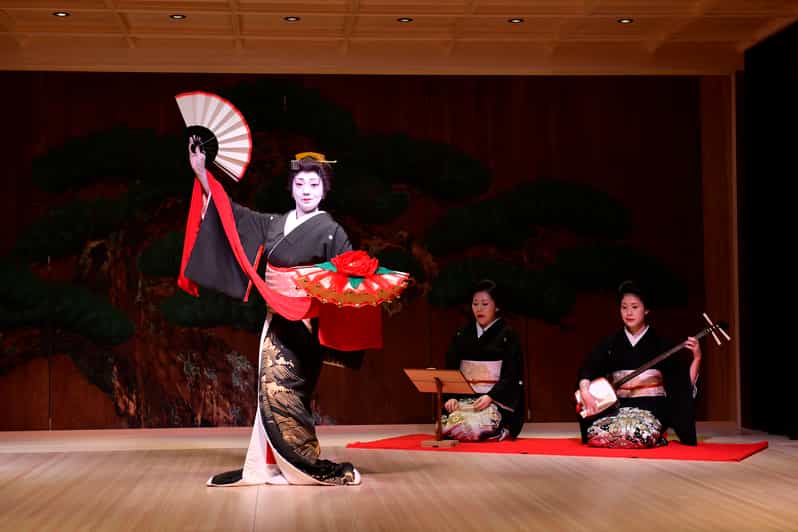
One of the smartest things you can do before booking is check what performance is scheduled for your specific date. The show content changes by day in February and March.
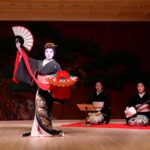
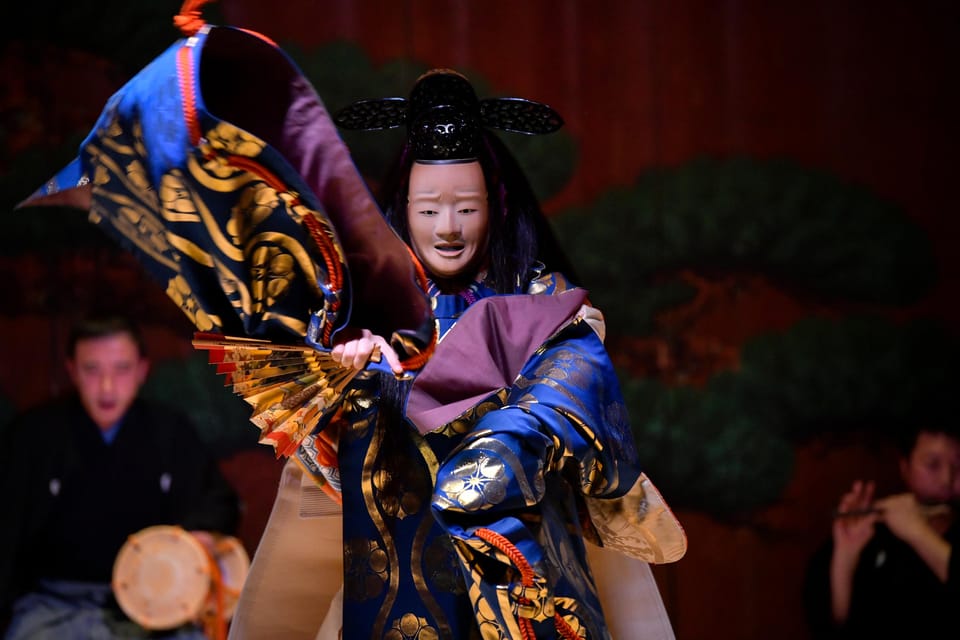
On these listed dates—Feb 5 (Thu), Feb 10 (Tue), Feb 17 (Tue), Feb 25 (Wed), Mar 10 (Tue), Mar 17 (Tue), Mar 24 (Tue)—the performance is kagura, described as ancient Shinto music and dance. On the other days in February and March, the show is Nihon-buyo, which is a traditional Japanese dance style.
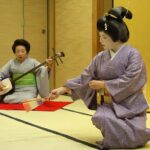
Either way, you’re getting multiple short performance segments timed around dinner. Reviews also point out that there can be pieces featuring music with instruments like shamisen and vocal elements, with dancers appearing for concise segments.
So here’s my practical take: treat this as a cultural sampler that’s easy to fit into an evening. You’ll walk away knowing what these forms look like up close, even if you don’t leave expecting a full-length theatre production.
Four Seat Options: How Close Do You Want to Be?
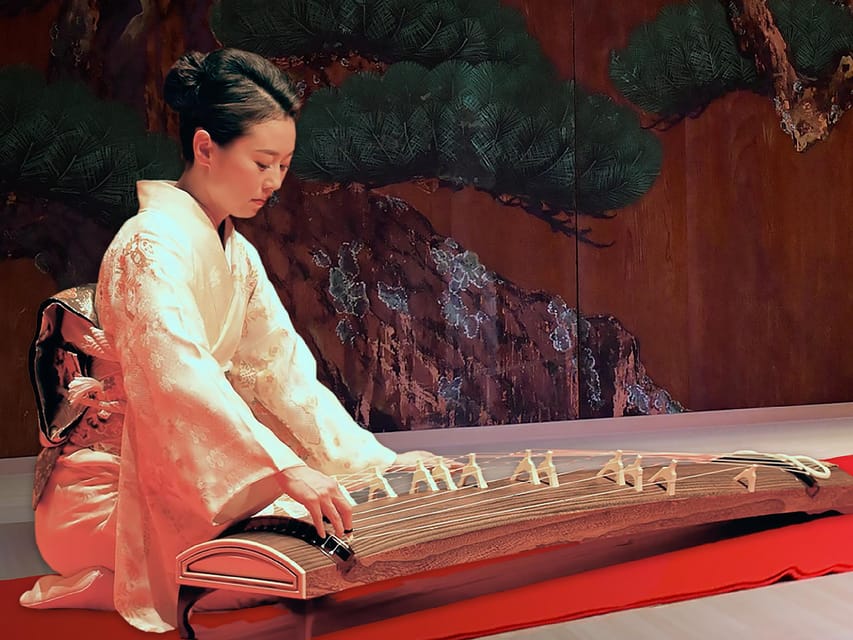
The seating choice matters here more than it does at most dinner shows. SUIGIAN gives you four different seat options, and those options control how directly you can watch the performers.
If you want to focus on movement—hand gestures, footwork, and facial expression—choose the closest option you can. When you sit nearer the stage, the performance feels less like background entertainment and more like a live experience you’re part of.
If you’d rather have a calmer view while you eat, a less-close seat can still work well. The main idea: pick the seat based on what you value most that night: maximum stage detail or a more relaxed dinner-view balance.
The Dinner Flow: Seasonal Kaiseki With Bonito Broth
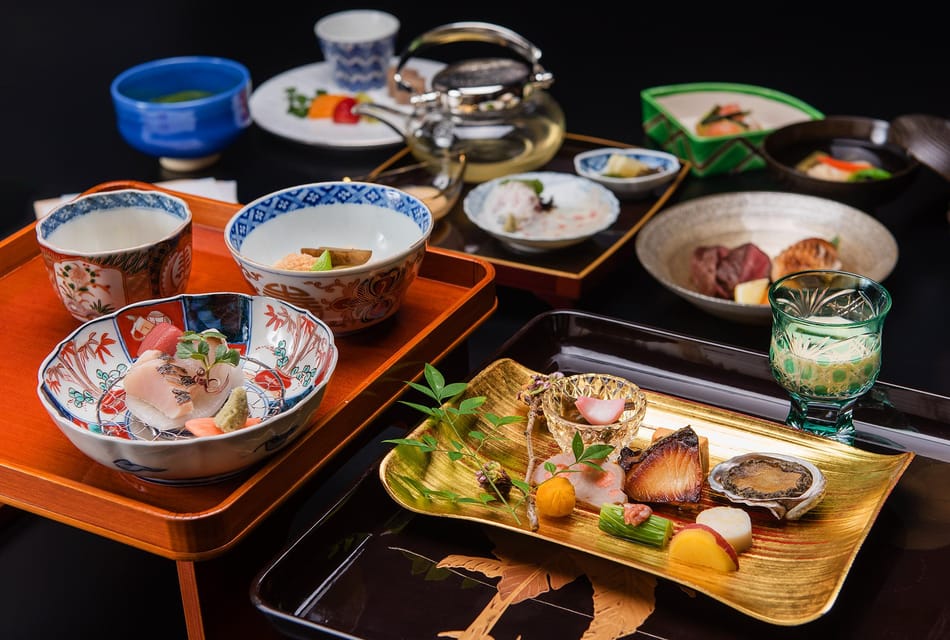
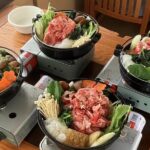
This is built around a full-course Japanese meal, usually shaped as an omakase-style seasonal course. That means the menu is themed for the day and prepared based on seasonal ingredients rather than a fixed, universal order.
A typical full-course meal is described as including:
- an appetizer
- a first seasonal platter
- soup (made with bonito broth)
- a later seasonal platter
- a grilled dish (Japanese beef is specifically mentioned)
- rice
- dessert for the day
To finish, you’ll usually get matcha green tea along with dry sweets.
Here’s what I think makes this dinner worth the money. Kaiseki isn’t just “good food.” It’s a pacing system. Courses arrive in a sequence that encourages you to slow down, notice texture and temperature differences, and let each dish land. Between courses, you get those short performance breaks, which turns the whole evening into a smooth rhythm instead of a frantic, rushed service style.
Also pay attention to food preferences before you go. Since the meal is seasonal and chef-driven, SUIGIAN asks that you inform them in advance about any allergies or dietary needs like vegetarianism. If you don’t mention it ahead of time, they may not be able to accommodate changes after you arrive.
Heritage Trays and the Restaurant’s Japanese Craft Details
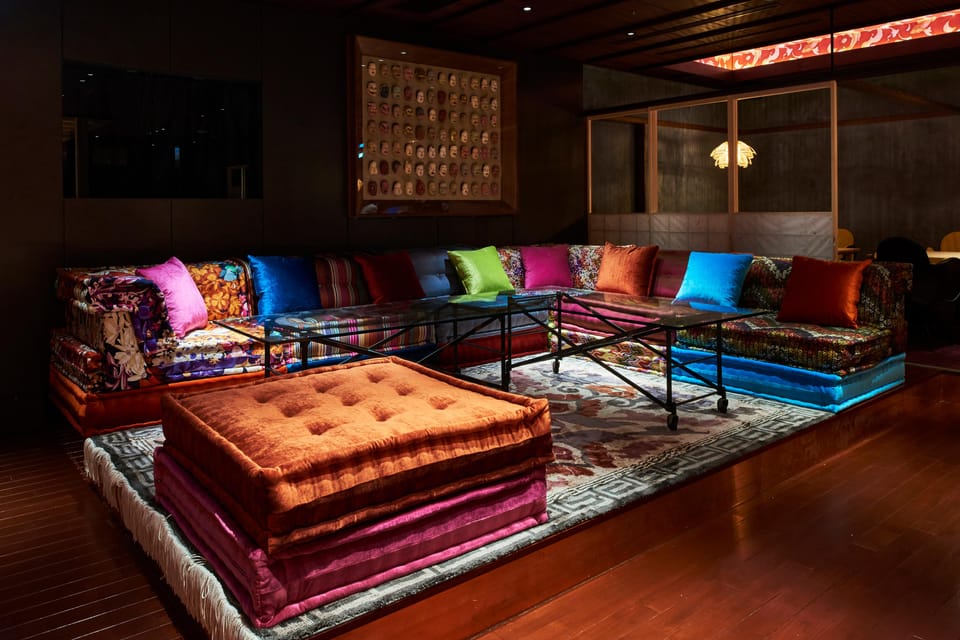
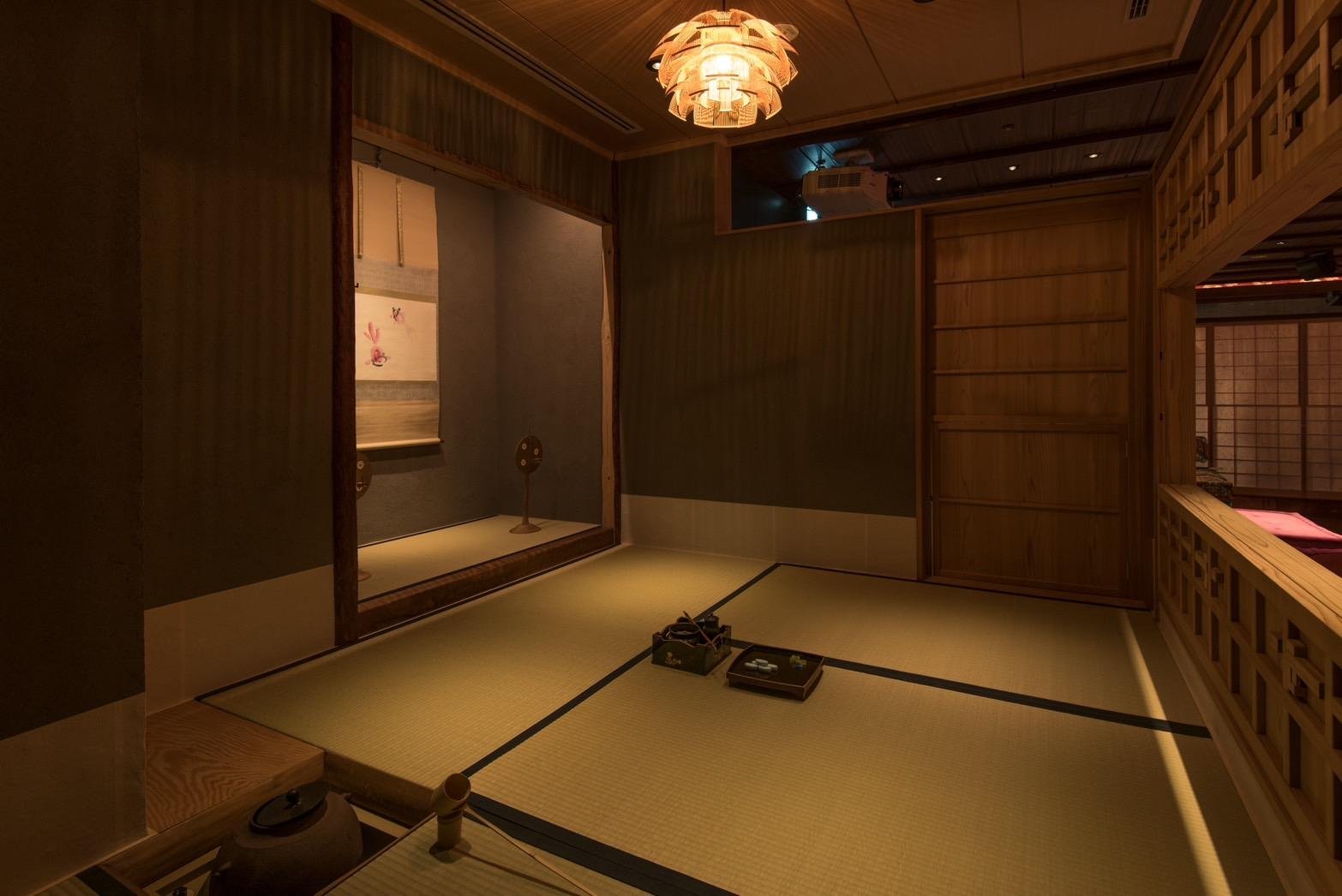
One of the best surprises in this experience is how much the room’s design and tableware contribute to the feeling of tradition.
The restaurant uses trays and dishes described as having a heritage of more than 350 years, inherited from a restaurant in Nagasaki. That means your meal doesn’t just taste seasonal—it’s presented in a setting that signals craft and continuity. When your dishes arrive on long-established dinnerware, it adds weight to the experience. You’re not eating in a generic dining room.
The atmosphere also ties into the show. The stage is set in a Noh-style format, and there’s a backdrop depicting an old pine tree. Even if you don’t fully follow the story behind each dance segment, that stage language helps you read the performance as part of a larger tradition.
You can also read our reviews of more tours and experiences in Tokyo


Timing Matters: Short Performances Built Around Your Courses
Let’s talk honestly about the pacing, since that’s the main reason someone might feel a little disappointed.
Expect a dinner that takes about 2 to 3 hours total. Within that time, you’ll see multiple performances—often described as three segments tied to the meal. The review pattern you’ll notice is consistent: performances are short and precise, not an extended production.
If you love slow meals and you’re happy to eat thoughtfully, this works great. If you show up hungry and want fast food plus a long theatre show, you may feel the entertainment is too brief or too spaced out.
My advice: plan the evening so you don’t feel rushed afterward. Pair this with an earlier, lighter dinner—or keep your afternoon free—so the meal pacing feels intentional instead of like a schedule compromise.
Service, English Explanations, and the Photo Moment
SUIGIAN runs like a place that expects you to have questions. The staff are described as attentive and kind, with English-language explanations for the food and the performances.
That matters if you’re not already fluent in Japanese performing arts. When someone explains what you’re looking at—how a dish connects to seasonality, or how the performance is structured—you enjoy the details more. You also notice things faster: the pace of dance, the meaning of certain movements, and how the menu sequence mirrors the seasonal theme.
Another memorable element is the commemorative photo with the performers. It’s not just a souvenir. It gives the event closure: after the last course and final tea, you leave with a visual reminder that you were close enough to make this feel personal.
Price and Value: What You’re Really Paying For
The price is listed as $140 per group (up to 1) and the experience lasts 2 to 3 hours. In Tokyo, that isn’t cheap for dinner alone—but SUIGIAN isn’t dinner alone.
You’re paying for four things at once:
- a full-course Japanese meal with seasonal structure
- an organized, theatre-style traditional performing arts show
- a close-view seat assignment based on your selected option
- the overall atmosphere, including heritage tableware and a stage built for Noh-style viewing
If you’ve eaten kaiseki elsewhere, you’ll recognize the logic: the value isn’t just taste, it’s the way the meal and the setting communicate care. Several people specifically highlight the quality of the food, attentive service, and the “works as a birthday or special night” factor.
My balanced take: this is best when you want a clear, planned cultural experience. If you’re in Tokyo on a strict food bargain mission, you might decide to spend less and eat more often elsewhere. But if you want one evening that feels designed rather than improvised, SUIGIAN’s bundle is strong.
Who This Fits (and Who Should Skip It)
This experience suits people who like cultural rituals and are okay with a meal that sets the pace.
It’s a good fit for:
- couples and small groups wanting a memorable night with traditional performance + kaiseki
- anyone who enjoys theatre-style viewing where seat choice changes your experience
- visitors who want explanations in English so the arts are easier to understand
It might not be ideal if:
- you’re traveling with children under 10 (it’s not suitable for kids under 10)
- you want a quick bite and a long, continuous show instead of performances timed around dinner
- you have strict dietary restrictions and haven’t planned to notify the restaurant in advance
One practical tip: if seafood is a concern for you, check your preferences early. Some people note the meal includes several seafood-focused elements as part of the course rhythm, and the menu structure uses bonito broth in the soup.
Should You Book the SUIGIAN Dinner Show?
I’d book it if you want one evening in Tokyo that combines traditional Japanese performing arts with a properly structured seasonal kaiseki meal in a room built for watching. The venue details, the heritage tableware, and the fact that staff provide English explanations make it easier to appreciate the experience even if you don’t know the background.
Skip or reconsider if you’re chasing maximum show time. This is a dinner-led experience where the performances are deliberately short and woven into the course flow. In other words: come for the meal and the culture as a paired event, not for a nonstop stage production.
If you’re deciding between a standard restaurant night and a curated cultural evening, SUIGIAN is the clearer choice. Pick a seat that matches how close you want to be, check which performance your date offers, and give yourself time to enjoy the pacing.
FAQ
Where is SUIGIAN located in Tokyo?
SUIGIAN is at Fukutoku Garden B1F, 2-5-10 Nihonbashi Muromachi, Chuo-ku, Tokyo 103-0022. The meeting point is the Theater Style Restaurant&Lounge SUIGIAN.
What performances will I see?
Depending on the date, the performance is either kagura (ancient Shinto music and dance) or Nihon-buyo (traditional Japanese dance). The schedule differs on specific February and March dates.
How long does the experience take?
Plan for about 2 to 3 hours.
What’s included in the dinner?
You’ll get a Japanese full-course dinner. The meal is seasonal and omakase-style, and it typically includes courses such as an appetizer, seasonal platters, soup made with bonito broth, grilled Japanese beef, rice, and dessert, finishing with matcha green tea and dry sweets.
Can they accommodate allergies or vegetarian requests?
Since the restaurant offers seasonal omakase courses, you should inform them in advance about allergies or dietary needs such as vegetarianism. If you don’t tell them ahead of time, they may not be able to accommodate requests after you arrive.
Is this suitable for children?
No. It’s not suitable for children under 10 years.