REVIEW · TOKYO
Tokyo Customized Private Walking Tour With Local Guide
Book on Viator →Operated by Japan Discovery Squad · Bookable on Viator
Tokyo can feel like overload on day one. This private, customizable walk-and-transit tour helps you shape a realistic plan fast. Hotel pickup and a local guide mean you can skip the stress of figuring out what to do next.
What I like most is the flexibility: you pick the vibe, from Akihabara energy to traditional stops like Meiji Jingu. I also love the way guides actually teach how Tokyo works in practice, including shrine and temple manners and help using the train system (even things like Suica set up on your phone).
The only real drawback to weigh is the “good weather” dependency, plus the fact that not everything is included—transport fares and attraction tickets are on you. So if you’re trying to keep the day ultra-fixed and fully bundled, you’ll want to plan for extra costs.
In This Review
- Key things to know before you book
- Building a Tokyo day that actually fits you
- How the customization planning works (and what to ask for)
- Walking plus public transport: the smartest way to see more
- Neighborhood choices: Akihabara, Meiji Jingu, Shibuya, and more
- Akihabara-style stops (electronics, arcades, pop culture)
- Meiji Jingu and the surrounding shrine experience
- Shibuya crossings and the modern Tokyo photo hit
- Smaller, less-famous stops (where guides tend to earn their keep)
- Shrines and temples: how your guide helps you do it right
- Food, lunch choices, and the art of not wasting time
- Photo help, shopping pacing, and “Tokyo daily life”
- Price and value: what you’re really paying for
- When to choose 2 hours vs 8 hours
- Practical tips for a smoother tour day
- Should you book this private Tokyo walking tour?
- FAQ
- How long is the Tokyo Customized Private Walking Tour?
- Is this tour private or shared?
- Do I get hotel pickup?
- What’s included in the price?
- What’s not included?
- Can I customize the itinerary?
- When will I receive details about the plan?
- What if the weather is bad?
Key things to know before you book
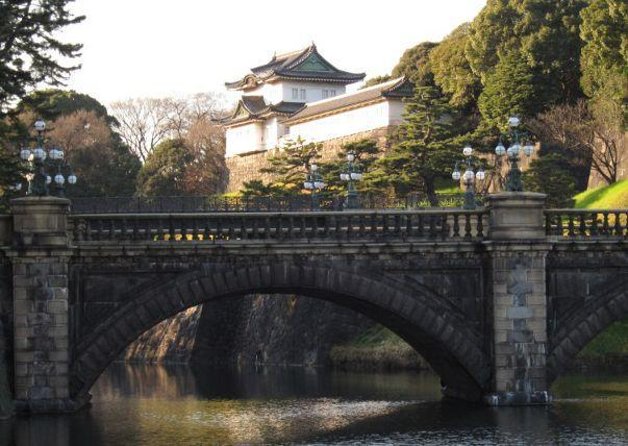
- Private and customizable: your route is built around your interests and schedule, not a rigid checklist.
- Walking with smart transit: you’ll move on foot, but your guide can use public transport to save time.
- Hotel pickup is included: it reduces friction, especially if it’s your first day or you’re juggling jet lag.
- Shrine and temple etiquette gets explained: you’ll know how to act and what you’re looking at.
- Examples range from classic sights to pop culture: think Tokyo Tower, Shibuya crossing, arcades, and more.
- Guides adapt to your needs: one guide specifically accommodated a mobility scooter in the group.
Building a Tokyo day that actually fits you
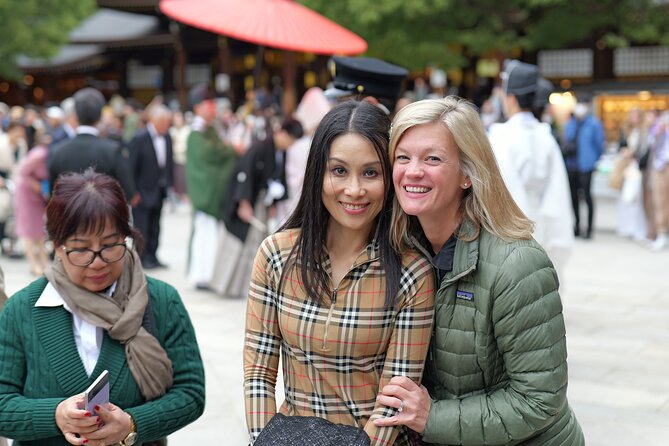
Tokyo is big, and first-time trips have a common problem: you end up rushing between icons and missing the city’s “how it really lives” moments. This is built to solve that. You’re not stuck with a standard route. Instead, you and your guide shape an itinerary that matches what you care about—history, food, shopping, neighborhoods, anime and game culture, temples, or a mix.
The duration is flexible too, running about 2 to 8 hours. That matters because Tokyo days can balloon fast once you add transit, photos, snack stops, and lines. A shorter window can work as a sharp orientation. A longer one can turn into a full “Tokyo sampler” day.
You also get that intimate setup of a private tour: only your group participates. If you’re traveling as a couple, with family, or as a small party, that personalization is where the value starts to show.
You can also read our reviews of more walking tours in Tokyo


How the customization planning works (and what to ask for)
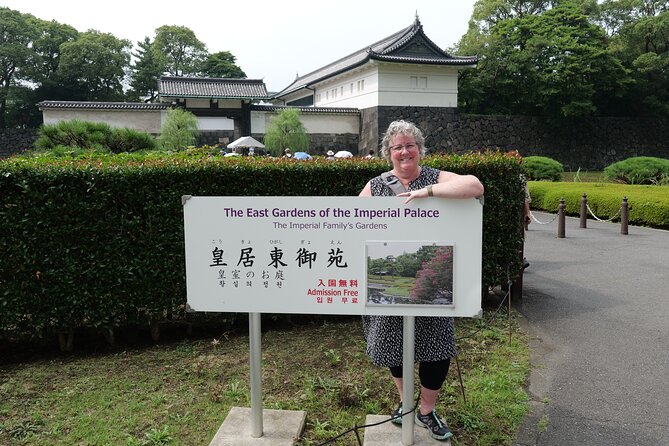
The tour is designed around a simple idea: your guide contacts you ahead of time to discuss your schedule and interests. You’re not guessing what’s possible once you meet. You’ll have time to think, choose, and communicate.
When you plan your must-sees, I’d write down three categories:
- Non-negotiables (the few places you’d be sad to miss)
- Your interests (food, shopping style, gaming/anime, temples, views)
- Your limits (how much walking is comfortable, whether you want more transit breaks, and your preferred pace)
This is where guides shine in the way they translate your preferences into a workable day. In real-world examples, guides like Kwan and Miharo were praised for giving first-timers a strong overview while also adding “hidden gem” type stops that matched the group’s interests. Nao was noted for friendly professionalism, and Satoshi for mixing major sights with extra places people wouldn’t find alone.
If you want an easy win: tell your guide you want both “big Tokyo” and “Tokyo daily life.” That combo is exactly the kind of mix that makes the city feel less like a theme park.
Walking plus public transport: the smartest way to see more
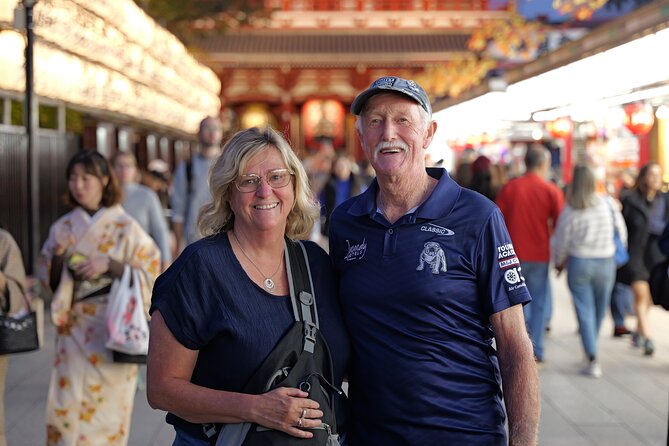
This is a walking tour, but it’s not the kind where you feel punished for picking the tour. You’ll also use public transportation when it makes sense. That’s a practical difference in Tokyo, where station-to-station distances can eat your schedule.
Several guides are specifically praised for using trains to maximize time while keeping the day smooth. In one example, a guide planned a walking day but added two local train rides to cover more in fewer hours. That kind of time-saving is the difference between “we saw stuff” and “we saw the right stuff.”
You can also ask your guide for help with transit basics. One guide helped people set up Suica on phones for train rides. Another guided a group through setting up a transit pass and navigating the metro. Even if you already use transit apps, having a human walk you through the steps once can save a lot of confusion.
Neighborhood choices: Akihabara, Meiji Jingu, Shibuya, and more
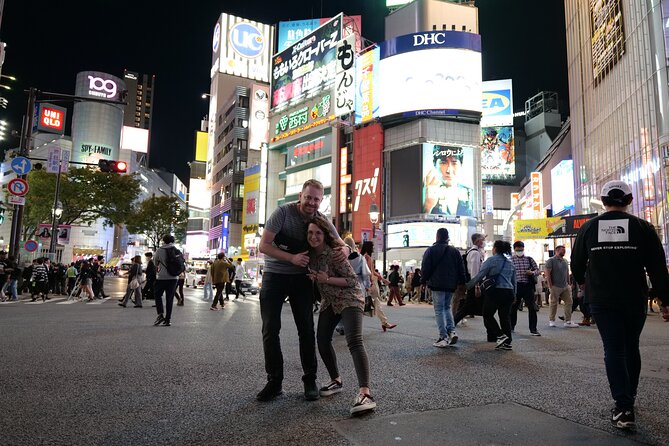
Your day can include a wide range of Tokyo styles. The tour description points to examples like Akihabara (ultra-modern and electronics/anime/game culture) and Meiji Jingu (a traditional, wooded shrine area). In addition, guides have taken groups to several well-known spots and a bunch of playful extras.
Here are some “neighborhood and sight” options you can steer toward, with what they add to your day:
Akihabara-style stops (electronics, arcades, pop culture)
If you love gadgets, games, anime culture, or just want to see a pocket of Tokyo that feels like a different world, Akihabara is the obvious anchor. One guide took people to a lineup of consumer-culture sights—fashion, electronics, game arcades, and even Pokémon-related shopping.
Trade-off: this kind of shopping area can be time-sinky. If you want to keep your day moving, ask your guide to pace it: quick looks first, then a longer stop only if it clicks.
You can also read our reviews of more guided tours in Tokyo




Meiji Jingu and the surrounding shrine experience
Meiji Jingu is a great way to “reset” after a tech-heavy neighborhood. It also gives your guide a chance to teach you how to do the shrine and temple side with proper etiquette, and what to notice while you’re there.
Trade-off: if you’re trying to squeeze too many areas into too few hours, you may feel a bit rushed at the shrine stop. If calm matters to you, choose more time here and fewer distant add-ons.
Shibuya crossings and the modern Tokyo photo hit
For modern energy, Shibuya is often on the list. In one described day, the group saw Shibuya crossing and the surrounding maze-like alleys. Another day included Tokyo Tower as a visual anchor.
Trade-off: these iconic places can be crowded. If you want better photos, ask your guide about timing and where to stand so you’re not stuck in the busiest spot.
Smaller, less-famous stops (where guides tend to earn their keep)
A lot of tour value comes from the “in between” areas: the narrow lanes, a side shrine, a local-feeling street market moment. You’ll see this theme in the guide praise: people highlighted hidden gems that matched their interests and helped them connect dots they’d miss on their own.
Trade-off: these stops depend on what you pick and what your guide thinks fits. If you’re the type who only wants famous-name places, you’ll want to say that early so the route doesn’t drift too far into “surprise land.”
Shrines and temples: how your guide helps you do it right
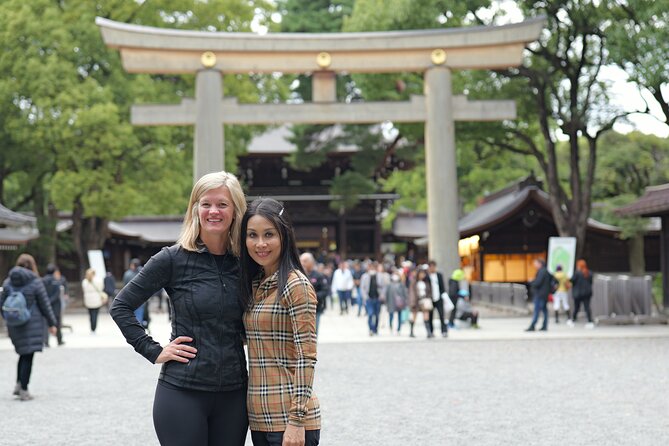
Tokyo’s shrine and temple scene is easy to enjoy, and also easy to misread. The upside of having a guide is that you learn the basic etiquette and the meaning behind what you’re seeing. Miharo was highlighted specifically for demonstrating customs for shrine and temple visits, and groups also noted how culture explanations made the sites feel more than just scenery.
What this changes for you:
- You’ll know what you’re doing during the ritual steps, so you don’t stand there guessing.
- You’ll understand why certain elements are arranged the way they are.
- You’ll get context that makes photos feel less random.
Practical note: this part of the day can work really well early or mid-day, depending on the route. If you plan ahead, you avoid the “we ran out of time to slow down” problem.
Food, lunch choices, and the art of not wasting time
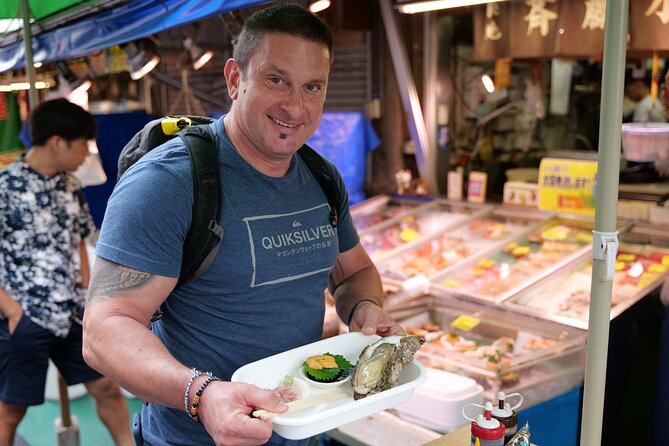
Food is usually a huge part of enjoying Tokyo, but choosing restaurants can be tricky when you have jet lag, a language barrier, and limited time. This tour gives you a built-in advantage: your guide can help route you to a lunch plan that fits your day.
One day included lunch at a restaurant where food arrives by conveyor belt, and guides have also recommended sushi places and helped groups land reservations. Another guide helped with practical decisions like how much cash to take out to get through the day.
You’re still responsible for food costs, and attraction entrance fees aren’t included, but the guidance helps you avoid the time-wasters:
- searching for a place that works for your group
- walking into a long wait with no backup plan
- picking a “tourist convenient” option that doesn’t match your tastes
Trade-off: since the itinerary is personalized, your lunch stop may depend on what you request (and what’s possible at the time). If you have strict dietary limits, mention them early.
Photo help, shopping pacing, and “Tokyo daily life”
One of the repeated themes in guide praise is that they don’t just show you places; they help you experience Tokyo in a way that feels easy and fun. People mentioned guides taking great photos using phones, and guides being friendly and natural in conversation.
Shopping also tends to go better with a guide. When your guide understands what you like—high-end fashion, electronics, game arcades, snacks—they can steer you to the right blocks and keep you from wandering in circles.
There are also playful, specific moments that make the day feel real, not generic. In one described route, there was a pig cafe stop. Another included Pokémon card shopping. These kinds of choices are exactly what a customizable tour should handle.
Trade-off: if you want zero surprises and a straight-line sightseeing day, this style may feel slightly too “choice-based.” Just tell your guide how adventurous you want the route to be.
Price and value: what you’re really paying for
At $58.98 per person, this tour sits in the “worth it if it saves you time” category. The big question is: what does that money buy beyond a sightseeing walk?
It buys:
- time savings from smart transit use
- planning support so you don’t waste your best day figuring things out
- a guide who can explain what you’re seeing and how to behave in key cultural moments
- a route that matches your pace, from 2-hour sprints to 8-hour full days
Included items help the value feel tangible: hotel pickup, tour customization, and walking plus public transport are included. The “not included” items are where you need to do your budgeting: transportation fees, food, personal expenses, and attraction entrance fees.
Also consider the private setup. Even with group discounts available, the main value is that you’re not negotiating your interests with strangers. That’s a big deal in Tokyo, where one person’s “must-see” can easily turn into another person’s lost time.
When to choose 2 hours vs 8 hours
Your time should match your trip style.
Choose 2–3 hours if:
- you want a fast orientation on day one
- you have limited energy after travel
- you mostly want “see the highlights” plus a couple of specific interests
Choose 4–6 hours if:
- it’s your first or last full day
- you want major icons and at least one deeper stop (like a shrine area)
- you’d like time for lunch without rushing
Choose 8 hours if:
- you want both modern Tokyo and traditional Tokyo
- shopping and pop culture matter to your trip
- you want the chance for extra detours based on what you enjoy in the moment
If you’re worried about walking, ask your guide to design a route with transit breaks. One guide, Taka, was praised for accommodating a husband using a mobility scooter, which is a good sign that routes can be adjusted when you communicate your needs.
Practical tips for a smoother tour day
A few things will make your experience smoother right away:
- Pick 2–4 priority themes (not 10). Your guide can only work with so much time.
- If you’re using a transit pass or Suica on your phone, ask early if your guide can help you get started.
- Wear shoes you can walk in, even if the plan includes transit. Tokyo sidewalks and station walking add up.
- Bring cash and a card plan for food and any entrance fees. One guide’s advice included timing cash withdrawal needs so you don’t get stuck mid-day.
- Keep expectations flexible for weather. The experience requires good weather, and if conditions are poor you’ll be offered a different date or a refund.
Should you book this private Tokyo walking tour?
I’d book this if:
- it’s your first visit and you want a smart orientation day
- you don’t want to fight the city alone (transit + choosing stops + etiquette)
- you want a mix of Tokyo styles—modern and traditional, plus shopping or culture
- you value a guide who adapts the route based on your interests
I wouldn’t book it if:
- you’re only interested in a fixed list of ultra-famous sites and you don’t want any flexibility
- you’re trying to keep the whole day fully budgeted with no extras (transport fares and entrance fees aren’t included)
- you’re traveling at a time when you can’t adjust your schedule if weather gets poor
If you’re planning your first Tokyo day and want it to feel like you’re moving with a local rather than chasing a map, this is a strong pick.
FAQ
How long is the Tokyo Customized Private Walking Tour?
The tour runs for about 2 to 8 hours, depending on the schedule you and your guide agree on.
Is this tour private or shared?
It’s a private tour. Only your group will participate.
Do I get hotel pickup?
Yes. Hotel pickup is included.
What’s included in the price?
Included features are hotel pickup, tour customization, and walking plus public transportation.
What’s not included?
You’ll need to budget for transportation fees (beyond what’s handled through public transport), food and personal expenses, attraction entrance fees, and private transportation.
Can I customize the itinerary?
Yes. You choose the sights and activities that match your interests and schedule, and your guide arranges the ideal itinerary with you.
When will I receive details about the plan?
You should receive confirmation at booking, and your guides will contact you after booking within about 2 weeks before the tour to discuss your schedule.
What if the weather is bad?
The experience requires good weather. If it’s canceled due to poor weather, you’ll be offered a different date or a full refund.