REVIEW · TOKYO
Imperial Palace East Garden and Edo Castle Walking Tour in Tokyo
Book on Viator →Operated by Localized Walking & Food Tours · Bookable on Viator
Imperial history, on foot and at a calm pace. This walking tour links Tokyo’s imperial grounds with the leftover bones of Edo-era power, plus a low-key stop at Wadakura Fountain Park to help you get your bearings. You explore outdoors and ruins, not the interior of the palace—so the experience stays relaxed and photo-friendly.
I love the small-group size (max 12) and how guides like Kenta, Glenda, and Loc can turn ponds, stone edges, and garden paths into clear stories you can actually picture. I also like that the tour starts with a real-feeling public space right by the Imperial Palace area, which makes the whole morning feel less like a lecture and more like a walk with a smart local friend.
One thing to keep in mind: the East Gardens are beautiful but not loud or showy, and depending on the season (like October), you may not get the big bursts of blossoms or color you hoped for. Also, it is still a walking tour with hills and some steeper bits.
In This Review
- Key highlights you’ll care about
- Wadakura Fountain Park: the gentle warm-up near the Imperial Palace
- Imperial Palace East Gardens and Edo Castle ruins: what you can and cannot enter
- Guides who turn gardens into stories (and why their style matters)
- Timing and walking reality: 2.5 hours that still feel manageable
- Rain, season, and what color you might (or might not) get
- Price and value: why $25 can be a smart use of a Tokyo morning
- Who should book this Imperial Palace East Garden and Edo Castle walk?
- Should you book this tour?
- FAQ
- Do I enter the Imperial Palace buildings?
- How long is the tour?
- What does the tour cost?
- Is admission included for the stops?
- What is the meeting point?
- Where does the tour end?
- Are snacks included?
- What should I wear or bring?
- Is there a group limit?
- Is there free cancellation?
Key highlights you’ll care about
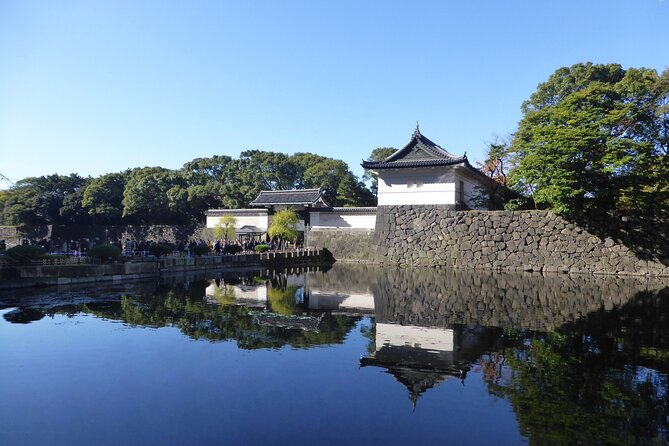
- Meet your guide fast at Starbucks near Wadakura Fountain Park, so you can start moving without stress
- Wadakura Fountain Park has real timeline details tied to royal weddings in 1961 and 1995
- You tour the Imperial Palace East Gardens and Edo Castle ruins without entering palace buildings
- Small-group pacing means questions land and stories connect
- Guides bring visuals and clear narration (and some adjust routes in rain)
Wadakura Fountain Park: the gentle warm-up near the Imperial Palace
You start at Starbucks Coffee in the Kokyo Gaien area, right by Wadakura Fountain Park. That timing matters. Instead of charging straight into history overload, you get a calm opener where the setting does some of the work for you.
Wadakura Fountain Park is a designed public space with water features and a tranquil vibe. It is also not just scenery. It was first constructed in 1961 to commemorate the royal wedding of Emperor Akihito and Empress Michiko. Later, the park was redesigned and reopened in 1995 to celebrate the wedding of the Crown Prince Naruhito and Crown Princess Masako. Even if you only catch part of that story, it helps you understand why this area feels ceremonial and why so much attention gets paid to the space right next to the Imperial Palace grounds.
This is also a practical win. You get a chance to settle your camera, check your footing, and spot landmarks before the walking and story-heavy parts kick in. If you like tours that start with atmosphere instead of a checklist, this one has your back.
You can also read our reviews of more walking tours in Tokyo


Imperial Palace East Gardens and Edo Castle ruins: what you can and cannot enter
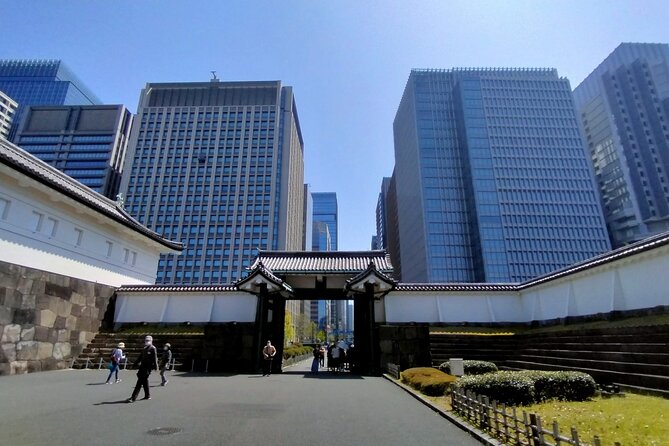
Here’s the big headline: you do not enter the Imperial Palace buildings. Public entry is not permitted, and this tour stays in the East Gardens and surrounding grounds. That can sound like a limitation until you see what that choice does for the experience.
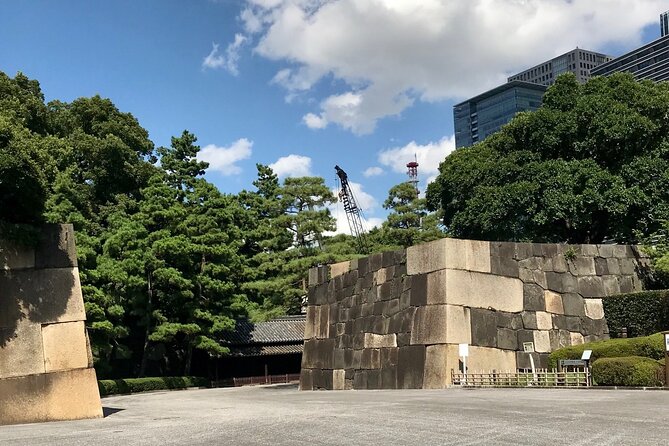
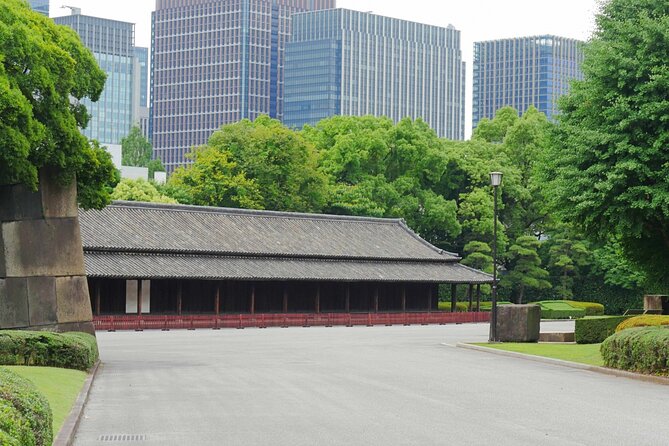
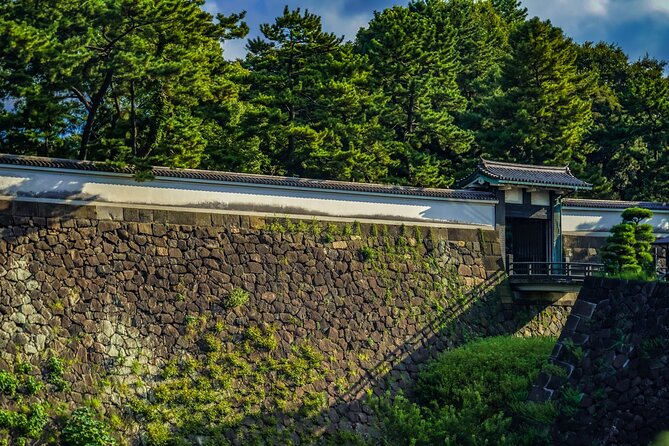
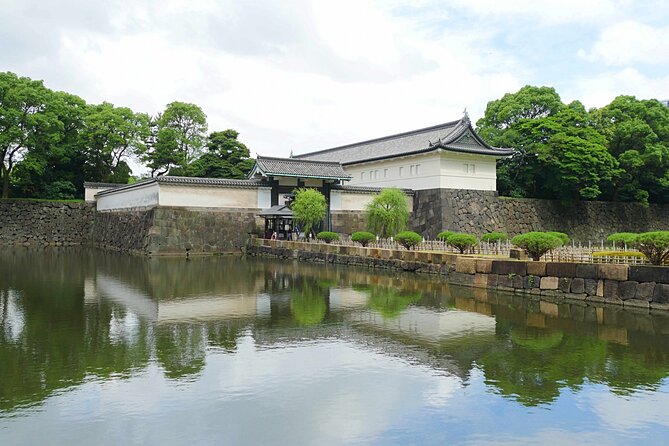
Because you stay outside, you get space to breathe. You also get a clearer view of how the Imperial Palace grounds relate to older Tokyo. The East Gardens once belonged to Edo Castle, and what you walk past includes garden layouts, ponds, and historic remnants that connect the imperial era to the earlier feudal capital.
A few specific areas stand out as you go:
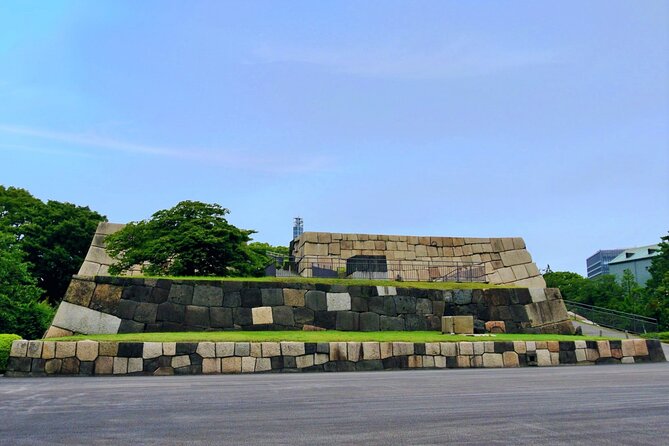
- Honmaru area remnants: this is where the castle’s core presence comes through through surviving traces
- Ninomaru Garden: classic traditional Japanese garden scenery, the kind that rewards slow looking
- Ponds and ruins that help explain how power was displayed through design and placement, not just through buildings
In plain terms, the tour helps you read the grounds. Without a guide, it is easy to walk through and see pretty paths. With a guide, you start noticing why certain areas feel open or sheltered, why water is placed where it is, and how the layout supported the past uses of the castle.
You also get a steady flow of photo opportunities. If you like taking pictures that tell a story rather than just scenic shots, this stop is strong.
Guides who turn gardens into stories (and why their style matters)
A huge part of the value here is the guide. This is not a tour where you mainly listen while staring at a map. The guide’s job is to point you at the right things and translate them into meaning.
You’ll likely notice guides use a mix of storytelling and structure. One guide, Kenta, was praised for having good English, an energetic pace, and prepared visuals with pages to help explain what you were seeing. Glenda got mentioned for especially clear pacing and a very strong ability to connect the gardens to emperors, shoguns, samurai, and palace life. Loc also stood out for strong command of Japanese history and for being friendly and articulate. Miko received praise for using photos to support the garden and castle-ground history, and Kaz was noted for keeping a nice pace even in rain.
Here’s what that means for you. If you care about context—why something was built, what it was used for, how it connects to the Edo period—this tour format does that well. If you only want a quick sightseeing stroll, you might find yourself wanting more bold, colorful spectacle from the scenery itself.
Either way, you can expect your guide to keep the group together and make sure you are not wandering off into guesswork.
Timing and walking reality: 2.5 hours that still feel manageable
The tour runs about 2 hours 30 minutes, and it is designed as a walking experience. That means you should plan around your legs, not just your schedule.
One review highlighted that there are hills but no stairs, which is reassuring if you are trying to avoid step-heavy routes. Another note talked about steep paths at times, so think: sturdy shoes, steady pace, and no sandals-only confidence.
Small-group size helps your experience here. With a max of 12 people, your guide can adjust pacing and regroup when needed. That is not just comfort. It also improves the story flow because the group stays close enough to hear the key details.
A simple practical tip: treat this as a walking tour first and a garden tour second. Bring comfortable shoes, and plan to take breaks when your guide does. If you rush ahead for photos, you might miss the part where the guide explains what that view is actually showing.
Rain, season, and what color you might (or might not) get
This tour depends on good weather. If conditions are poor, the experience can be canceled and you’ll be offered a different date or a full refund.
In actual day-to-day terms, that matters because Tokyo weather can be moody. One guide experience described Kei leading the group to different locations to avoid the worst of the rain while continuing the history discussion. So while the weather can change, your guide can often keep things moving without turning it into a stop-and-go mess.
Now for the season piece, which is worth your attention. The East Gardens can be stunning in spring with cherry blossoms, and there can be colorful foliage in autumn. That said, gardens are seasonal living systems. One note pointed out disappointment in October when blooms or strong fall color were not as expected. Another mentioned greenery without the big fall look they wanted.
So here’s the honest way to plan it: go for the Edo-to-imperial story and the classic garden atmosphere, not just a single expectation of flowers. If you catch peak blossoms or crisp autumn color, great. If you don’t, the ruins and layout still make the walk worthwhile.






Price and value: why $25 can be a smart use of a Tokyo morning

At $25 per person, this is priced like an easy, low-cost way to get high-context sightseeing. You are paying mostly for interpretation—an English-speaking local guide with time set aside to explain what you’re seeing.
A key point: the stops have free admission (Wadakura Fountain Park is free, and the East Gardens exploration is free). So you are not paying entrance fees on top of the tour cost. You are paying for guided structure: where to stand, what to look for, and how to connect the Edo Castle remnants to the Imperial Palace story.
The small-group limit (max 12) also supports the value. Less crowd noise means you can hear, ask questions, and actually process the details while walking.
One more value factor: it ends back at the meeting point. That keeps the morning tidy. You can then pair this tour with nearby Tokyo plans without feeling like you got dropped somewhere far away.
Who should book this Imperial Palace East Garden and Edo Castle walk?
This tour is a strong fit if you want:
- Tokyo history that is easy to visualize while walking
- a calm outdoor setting (not a museum marathon)
- English guidance that connects architecture, ruins, and garden design to real political eras
- a small group where you are not lost in the back of the crowd
It may be less perfect if you want dramatic, wow-every-minute scenery. Some people can find gardens less impressive than they expected, especially if they hoped for a particular seasonal show. If that’s you, you might still enjoy the tour for the stories, but set your expectations to match the setting: serene, structured, and historical.
Should you book this tour?
I’d book it if you are the type who likes your sightseeing with context. The Imperial Palace East Gardens and Edo Castle ruins are the kind of place where a guide truly changes what you see. The park opener at Wadakura Fountain Park is a smart start, and the small-group format keeps the whole thing from feeling rushed.
I would think twice only if you are chasing big seasonal color or highly flashy sights. In that case, you might still appreciate the garden atmosphere, but your enjoyment will depend more on the day and season.
If you want a practical way to understand Tokyo’s imperial and Edo-era connections in one calm 2.5-hour walk, this is a solid choice.
FAQ
Do I enter the Imperial Palace buildings?
No. Public entry to the palace buildings is not permitted, so the tour focuses on the Imperial Palace East Gardens and surrounding grounds.
How long is the tour?
It runs about 2 hours 30 minutes.
What does the tour cost?
The price is $25.00 per person.
Is admission included for the stops?
Yes for this tour experience, the admission ticket notes show free entry for the park and the East Gardens portion, and the tour includes all fees and taxes.
What is the meeting point?
Meet at Starbucks Coffee – Kokyo Gaien Wadakura Fountain Park, 3-1 Kōkyogaien, Chiyoda City, Tokyo 100-0002, Japan.
Where does the tour end?
The tour ends back at the meeting point.
Are snacks included?
No. Snacks are not included.
What should I wear or bring?
Wear comfy shoes since it is a walking tour. Planning for weather is also smart since it requires good weather.
Is there a group limit?
Yes. The tour has a maximum of 12 travelers.
Is there free cancellation?
Yes. Free cancellation is available up to 24 hours in advance for a full refund.