REVIEW · TOKYO
Tokyo Skytree: Admission Ticket with 24-Hour Subway Pass
Book on GetYourGuide →Operated by LINKTIVITY Inc. · Bookable on GetYourGuide
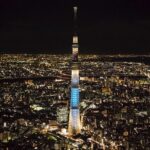
Tokyo Skytree is the kind of Tokyo view you remember. I love how this package pairs Skytree Observatory entry with a 24-hour subway pass, so your day has both a big skyline moment and real mobility. The thrill starts fast with an elevator ride up to the decks, and you get 360-degree views plus the chance to stand on the glass floor at Floor 340. One thing to consider: you must follow the scheduled entry time and be ready to show the 2D barcode at the counter.
The best part is that the views aren’t just “pretty.” You’re stepping into an observation experience built around height—350m at the Tembo Deck, and the optional Tembo Galleria at 450m if you choose that option. I also like that you can use unlimited rides across Tokyo Metro and Toei Subway for the same 24-hour window, which makes it easier to string together other areas of the city without playing fare math. The main drawback is practical: not every ticket machine may be able to convert the pass voucher, so plan for the backup step of asking station staff where to exchange it.
If you want one day that feels like Tokyo’s greatest hits—tall landmark, sky views, and efficient transit—this set is a strong fit. You’ll be visiting one of the world’s tallest structures and getting a clean, no-fuss transit rhythm while you explore. Just make sure you bring a phone (or printed voucher) to display the 2D barcode, because the ticket collection and entry rules are strict.
In This Review
- Key highlights worth planning around
- Tokyo Skytree: The elevator, the decks, and the glass-floor “wow”
- What’s included: Tembo Deck at 350m, plus Tembo Galleria at 450m (if chosen)
- The 24-hour subway pass: why it’s great value for a single-day Tokyo plan
- Arriving at Oshiage: where you collect tickets and why the 2D barcode is non-negotiable
- Your timed observatory flow: from collecting access to stepping onto Floor 340
- Best time to go: when dark views add extra punch
- Using the subway pass without getting stuck at the wrong machine
- How this day feels in real life: one big attraction plus city freedom
- Price and value: why $22 can work well for the right kind of traveler
- Who should book this Skytree + Subway combo?
- Quick practical notes to keep the day smooth
- Should you book this ticket set?
- FAQ
- What is included in the Tokyo Skytree ticket set?
- How long is the subway pass valid?
- Where do I collect the Skytree admission ticket?
- Where do I collect the subway pass?
- Do I need to show the 2D barcode?
- Is entry flexible if I arrive early or late?
- Which languages are available for support?
Key highlights worth planning around
- Elevator-to-deck excitement: The ride up is part of the fun, not just the prelude.
- 360-degree Tokyo views from the Tembo Deck: You’ll see the city spread out in every direction.
- Glass floor thrill at Floor 340: Looking straight down is the big attention-grabber.
- Optional Tembo Galleria (450m): Choose this if you want the higher deck experience.
- Unlimited 24-hour subway rides: Tokyo Metro + Toei Subway for one full day window.
Tokyo Skytree: The elevator, the decks, and the glass-floor “wow”
Tokyo Skytree is built for that first gasp moment. You ride the elevator up to the decks, and that short rise sets the tone—suddenly you’re in the sky and the city feels far below. If you enjoy looking out from major viewpoints, this one hits because you’re not just peeking from a balcony; you’re moving through observation levels designed around height.
From the Tembo Deck (350m), you get 360-degree views, which means you’re not limited to one good angle. The structure gives you a lot of chances to reframe the skyline as you walk around, rather than locking you into a single direction. That matters if you’re traveling with someone who wants photos from different sides—or if you just want to keep changing your mind about what looks best.
And then there’s the Floor 340 glass flooring. It’s the kind of feature that turns your brain off for a second. You’ll literally be able to look straight down as you step onto the glass, so it’s not a gimmick you can ignore. If you’re a little nervous around heights, you can still enjoy it—just take your time and use the moments when your group is standing nearby to steady your pace.
The overall effect: Skytree feels like a full observation experience, not only a ticket to a viewpoint.
You can also read our reviews of more tours and experiences in Tokyo

What’s included: Tembo Deck at 350m, plus Tembo Galleria at 450m (if chosen)
This ticket set is centered on Skytree’s observatory levels. Depending on the option you choose, you’ll get access to the Tembo Deck (350m), and in some options also the Tembo Galleria (450m).
The practical takeaway for you: if you only have one day and you love high-up views, the Tembo Galleria option can be worth considering because it adds another viewpoint at a higher level. But if you want a lighter, less time-stretched visit, Tembo Deck alone still gives you the signature experience—360-degree views and that Floor 340 glass moment.
Either way, you’re going to spend time walking, finding angles, and taking in the city. The value here is that your ticket isn’t just “entry,” it’s access to the built-in observation route that Skytree offers once you’re at the top.
The 24-hour subway pass: why it’s great value for a single-day Tokyo plan
The package includes a Tokyo Subway 24-hour pass. It allows unlimited rides on all Tokyo Metro lines and all Toei Subway lines for 24 hours starting from when you begin using it.
That matters because Tokyo transit costs can add up fast if you’re hopping between areas. A one-day unlimited pass is a simple way to remove friction: you focus on where you want to go, not how many stations that might cost.
Here’s how to think about the value: this set bundles your Skytree admission with a transit tool that keeps you moving all day. If your plan includes more than one or two subway trips, you’re already in the zone where unlimited can make sense. And the package claims savings up to 1,000 yen, which is exactly what you want when you’re building a day with one big paid attraction plus several transit-dependent stops.
One caution from real-world experience: you may not be able to convert the voucher into the physical 24-hour ticket at every ticket vending machine. Keep a small buffer in your plan for a quick detour to a station that has the right machine, or be ready to ask staff to guide you.
Arriving at Oshiage: where you collect tickets and why the 2D barcode is non-negotiable
Tokyo Skytree is in Oshiage, Sumida City (1-chome-1-2 Oshiage). The collection point is on the 4F ticket counter inside Tokyo Skytree.
Your key job before you get in is handling the voucher correctly. When you collect your admission ticket and subway pass, you need the 2D Barcode that comes after booking. You should bring a device that can display the barcode, or print the voucher. If you can’t show the voucher with a 2D barcode, you can’t collect a ticket or enter the attraction.
Also note the timing rule: you need to arrive at the Skytree observation deck at the specified reservation time. This isn’t a “wander in whenever” situation. If you arrive too late for your slot, you may lose the chance to enter smoothly, so treat your time like part of the ticket.
Practical tip: if you’re also using the subway pass on the same day, set yourself up so you’re not rushing from the station at the last second. Skytree entry and Tokyo transit flow better when you give yourself a little cushion.
Your timed observatory flow: from collecting access to stepping onto Floor 340
A good way to structure your visit is to think in three stages: get in, find your main viewpoint, and then do the wow moments.
First, you’ll collect your physical admission ticket at the 4F ticket counter using your 2D barcode. Since your admission time is specified, arrive with enough time to exchange without stress. Then you move through to your observatory experience.
Second is the main payoff: the decks. From the Tembo Deck, you’re aiming for that 360-degree sweep. I like this format because it encourages you to walk around rather than stand still. You can compare skylines, choose your favorite angles, and make your photos more intentional.
Third is the Floor 340 glass flooring. This is one of the few “pressure moments” in an observation visit, because you’re looking straight down and your body reacts. The best strategy is simple: go when you’re ready, take a slower pace on the glass, and use the surrounding space to reset. If you’re traveling in a group, it helps to decide your timing first so people aren’t stuck waiting while someone gathers courage.
If you selected the Tembo Galleria option, you add another viewpoint layer. That often makes the visit feel more complete, especially if you’re the type who wants to see the city at more than one height.





Best time to go: when dark views add extra punch
Skytree is known for its skyline views, but the experience changes depending on light. If you’re trying to maximize the “wow” factor, consider going when it’s darker or near evening. There’s a clear preference for the dark-hours look because the city’s lights make the skyline feel more dramatic.
The practical trick is timing your day around both transit and your entry window. Since your admission time is fixed, you can’t just drift into the right lighting. Instead, pick a Skytree reservation that matches the light you want—then let the 360-degree views do the rest.
If you’re also using the subway pass, you can plan a simple flow: Skytree for the main spectacle, then a quick transit hop to whatever neighborhood you want next while the sky experience is still fresh.
Using the subway pass without getting stuck at the wrong machine
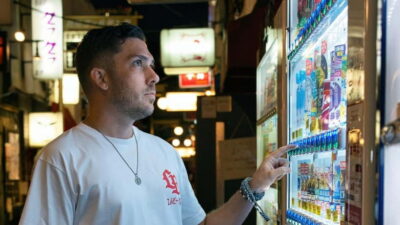
You’ll collect the subway ticket in person from ticket vending machines in Tokyo Metro or Toei Metro subway stations. If your departure station doesn’t have the vending machine needed for exchange, you’ll need to ask station staff and they’ll guide you to a station where you can collect the physical ticket.
This is the part where small planning saves you time. Do this early enough that you’re not trying to solve it while also racing toward your timed Skytree entry. Also, because some machines might not handle the conversion you expect, treat “find the right machine” as normal—not a failure.
Once you have the physical pass, your 24-hour clock starts when you begin using it to pass ticket gates. After that, you can ride Tokyo Metro and Toei Subway unlimited during the window. If you enter a station and board within the valid time, you can still exit even if the exit moment lands after the window ends. That’s a helpful rule when you’re finishing a longer ride.
How this day feels in real life: one big attraction plus city freedom
A single-day format is ideal for travelers who want a landmark moment without turning the trip into an all-day grind. Skytree gives you a major “Tokyo from above” experience, and the subway pass gives you a way to keep going afterward.
I also like the practical simplicity of the combo. You’re not forced into a single-ride taxi plan or a guessing game of individual fares. Instead, you’ve got a predictable base: one admission moment plus unlimited subway movement.
And the experience isn’t only about your view from the glass floor or your photos. It’s also about how quickly you can reset your energy after the deck. Skytree is concentrated. When you’re done, you’re back in transit mode fast, ready to switch neighborhoods and keep the day moving.
Price and value: why $22 can work well for the right kind of traveler
This set is priced around $22 per person and includes Skytree admission plus the 24-hour subway pass. While $22 isn’t automatically cheap in every scenario, the value question is about how many subway rides you’ll actually make in your day.
If you’re sightseeing in multiple parts of Tokyo—especially if you’re traveling beyond walking distance—unlimited subway rides can turn into real savings. You also get the convenience of bundling the attraction ticket with transit, and that reduces decision fatigue.
The other value angle is time confidence. A timed entry to Skytree plus a pass designed for full-day riding makes your plan feel stable. You’re less likely to waste time calculating routes or reworking your schedule mid-day.
In short: this is a good deal if your plan includes several subway hops, and you care about experiencing Skytree without adding extra complexity.
Who should book this Skytree + Subway combo?
This combo fits best if you:
- Want one major skyline attraction and a simple, efficient way to keep exploring afterward.
- Like observation decks with 360-degree views and a hands-on feature like the glass floor at Floor 340.
- Prefer planning your own Tokyo day instead of relying on taxis or single fares.
It’s also a good fit for mixed groups, because the Skytree experience is easy to understand and self-directed once you’re inside. You’re not stuck waiting around for a long guided narrative, and you can pace yourself through the decks.
If you’re relying on public transit, the included pass is the practical anchor.
Quick practical notes to keep the day smooth
The host can provide support in Japanese, English, Korean, and Chinese. The meeting and collection point is clearly defined at Tokyo Skytree’s 4F ticket counter, and your voucher exchange depends on showing the 2D barcode.
Also keep in mind that Skytree can close suddenly due to unexpected circumstances like bad weather. Since this can happen, build a bit of flexibility into your day planning so you’re not stuck with a wasted timetable if conditions turn.
Should you book this ticket set?
If you want Skytree and you know you’ll use the subway at least a few times that day, I’d book it. The package reduces friction: admission is handled with a timed slot, and transit is handled with a 24-hour unlimited pass.
Skip this combo only if your plan is mostly walkable, you’re not going to ride the subway much, or you dislike the idea of a fixed observation time. In that case, you might be better off buying only what you need.
For most visitors, the balance is right: Skytree’s height and views do the heavy lifting, and the subway pass keeps your Tokyo day from feeling like a chain of awkward fare calculations.
FAQ
What is included in the Tokyo Skytree ticket set?
It includes Tokyo Skytree admission to the Tembo Deck at 350m (and Tembo Galleria at 450m if you choose that option), plus a Tokyo Subway 24-hour pass.
How long is the subway pass valid?
The Tokyo Subway 24-hour pass is valid for 24 hours from the start of use.
Where do I collect the Skytree admission ticket?
You collect a physical ticket at the Ticket Counter on 4F of Tokyo Skytree, using the 2D barcode from your booking.
Where do I collect the subway pass?
You collect the physical subway ticket at ticket vending machines in Tokyo Metro or Toei Metro subway stations. If your station has no machine, ask staff for guidance to a station that does.
Do I need to show the 2D barcode?
Yes. When collecting tickets and entering the attraction, you must show the 2D barcode from your booking (either on a device or as a printed voucher).
Is entry flexible if I arrive early or late?
Your Skytree admission is tied to the specified reservation date and time. You should arrive at the observation deck at your reservation time.
Which languages are available for support?
Support is available in Japanese, English, Korean, and Chinese.