REVIEW · TOKYO
Tokyo Meiji Shrine & Harajuku: Walk Through Japanese Culture
Book on Viator →Operated by Sunrise Adventure · Bookable on Viator
Two Tokyo worlds, one easy walk. This small-group route flips from Takeshita Street’s fashion pop to the quiet forest of Meiji Jingu. I like that the guides tie scenes together with stories, humor, and practical context, so it feels like you are learning Tokyo’s culture rather than just checking boxes.
I especially love the way you get a clear taste of modern youth fashion, then you slow down fast once you hit the shrine grounds. At the Meiji Shrine Imperial Garden, you can try omikuji fortunes and learn how the ritual works, including water purification and prayers. One possible drawback: with about 15 minutes at most stops, the walk moves along, so shopping-linger types may want a longer follow-up on their own.
To keep it easy, you meet near Harajuku at UNIQLO Harajuku, and you use a mobile ticket. The group limit is up to 10, which helps when you want answers, not just directions.
In This Review
- Key Things That Make This Tour Worth Your Time
- Two Tokyo Worlds in One 2-Hour Walk
- Value for $39.02 and What You’re Actually Paying For
- Meeting at UNIQLO Harajuku: Easy Start, Easy Finish
- Takeshita Street: Pop Culture Before the Quiet
- Omotesando at Tokyu Plaza: Mirrors and Rooftop Views
- Omotesando Hills: The Tree-Lined Contrast
- Meiji Jingu Shrine: The Torii Gate Effect
- Meiji Shrine Imperial Garden: Purification, Prayers, and Omikuji
- What the Guides Add (And Why Small Groups Matter)
- Who This Tour Suits Best
- Should You Book This Meiji Shrine and Harajuku Tour?
- FAQ
- How long is the Tokyo Meiji Shrine & Harajuku walking tour?
- What is the group size limit?
- Where is the meeting point?
- Where does the tour end?
- Is a mobile ticket provided?
- Are there admission tickets you have to pay for the stops?
- What do you do at Meiji Shrine Imperial Garden?
- Is there free cancellation?
Key Things That Make This Tour Worth Your Time
- Harajuku first, shrine second: you see how Tokyo’s style and spirituality sit next to each other.
- Small group pacing: up to 10 people means more chances to ask questions.
- A real Shinto experience: water purification, prayers, and omikuji are part of the flow.
- Photo-friendly Omotesando stops: mirrors at Tokyu Plaza and rooftop views help you orient.
- Guide-driven storytelling: names like Mika, Lakki, and Nicolas show up in past comments for a reason.
Two Tokyo Worlds in One 2-Hour Walk
This is the kind of Tokyo tour that makes the city click. You start in Harajuku, where street fashion gets loud, colorful, and a little playful. Then the mood changes fast: you pass a massive torii gate and head into wooded calm.
What I like about this format is the contrast. Harajuku shows you Japan’s pop culture side. Meiji Jingu and the Imperial Garden show you the traditions side. Seeing them close together helps you understand that Tokyo is not one single vibe. It’s several, stacked.
You can also read our reviews of more walking tours in Tokyo


Value for $39.02 and What You’re Actually Paying For
The price is $39.02 per person, and the best value part is that it is not just a walk with directions. You are paying for guided context at every key moment: what you are seeing on the streets, what the shrine spaces mean in daily practice, and how those worlds connect.
Also, the tour lists admission as free for the stops included. That matters because you can spend your time on the experience, not doing a math problem at each site. For a 2-hour hit with a maximum of 10 people, this is a practical way to get more meaning per minute.
Meeting at UNIQLO Harajuku: Easy Start, Easy Finish
The meeting point is UNIQLO Harajuku (150-8010 Tokyo, Shibuya, Jingūmae area). Since it is near public transportation and you are using a mobile ticket, you are not hunting for a hidden doorway or deciphering a complicated check-in system.
The tour ends back at the meeting point. That is a small thing, but it is helpful. You can keep exploring Harajuku right after the shrine stop, or you can head back without thinking about transit logistics.
Takeshita Street: Pop Culture Before the Quiet
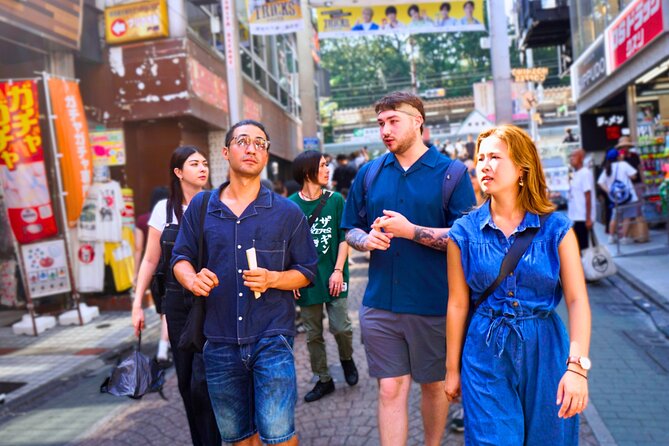
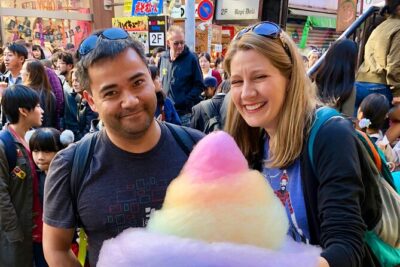
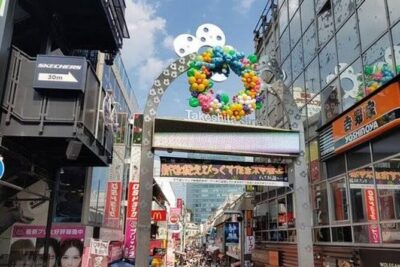
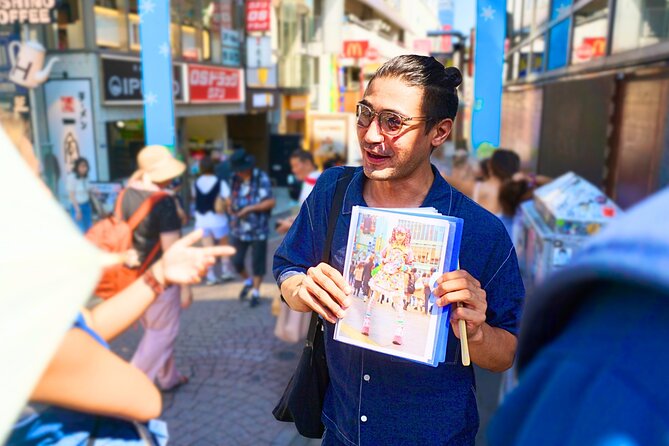
Your first stop is Takeshita Street, one of Harajuku’s most famous pedestrian lanes for youth fashion. Expect a lot of color, lots of shopfront energy, and plenty of sweet treats that match the vibe.
This stop works well at the start because it sets the baseline. You are seeing the street culture that people associate with Harajuku today. The tour also frames it with references like how global icons, including Lady Gaga, have drawn inspiration from Harajuku fashion. Even if you are not chasing trends, you get the cultural context for why this place became a symbol.
Possible consideration: Takeshita Street can feel crowded and fast-moving. If you hate busy shopping streets, you may want to treat this as a look-and-learn moment, not a shopping marathon.
Omotesando at Tokyu Plaza: Mirrors and Rooftop Views
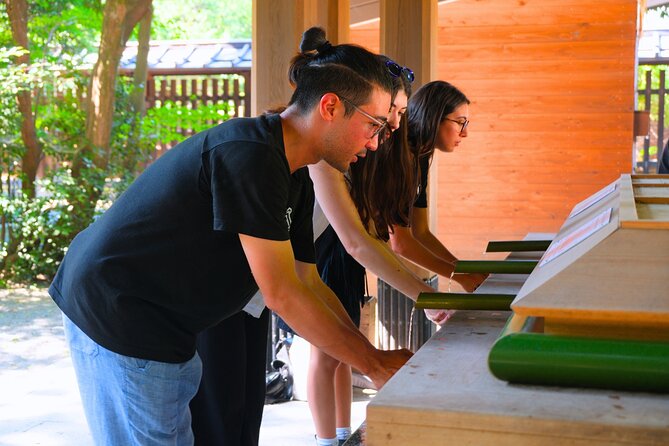
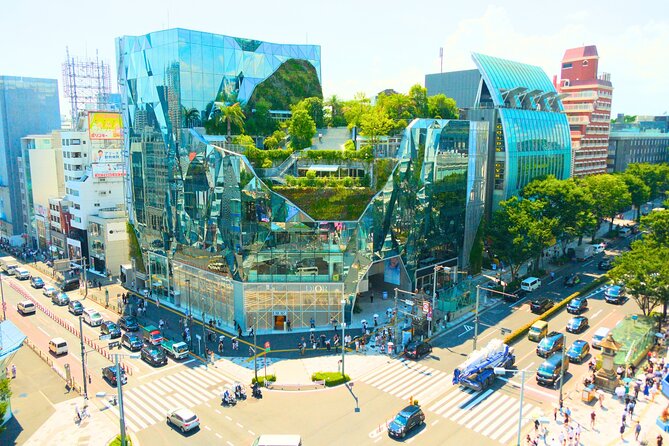
Next comes Omotesando through Tokyu Plaza Harajuku. The tour includes two specific visual beats:
- a mirrored entrance area that is great for photos, and
- a rooftop terrace with views over Omotesando.
This is a nice shift. Omotesando is still stylish and fashion-focused, but it tends to read as more polished and architectural than the louder Takeshita lanes. The rooftop stop also gives you a breather and helps you map the area in your head.
Practical tip: if you are coming with phone photos in mind, this is a good place to get them before you move into the shrine spaces. Once you transition to the wooded grounds, you will likely want to focus more on the experience than the camera.





Omotesando Hills: The Tree-Lined Contrast
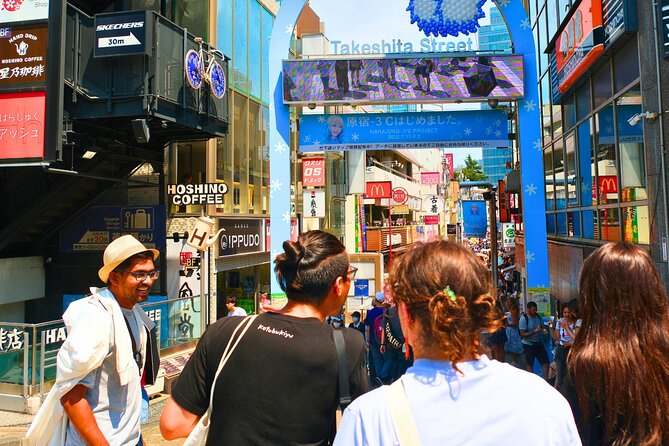
Then you stroll through Omotesando Hills, described as a tree-lined avenue with stylish architecture and international influence. This stop matters because it shows you the middle ground between Harajuku chaos and shrine calm.
Think of it like Tokyo’s fashion corridor, but with more breathing room. It is also a strong setup for what comes next. After you walk these elegant streets, the jump to the shrine forest feels even more striking.
Meiji Jingu Shrine: The Torii Gate Effect
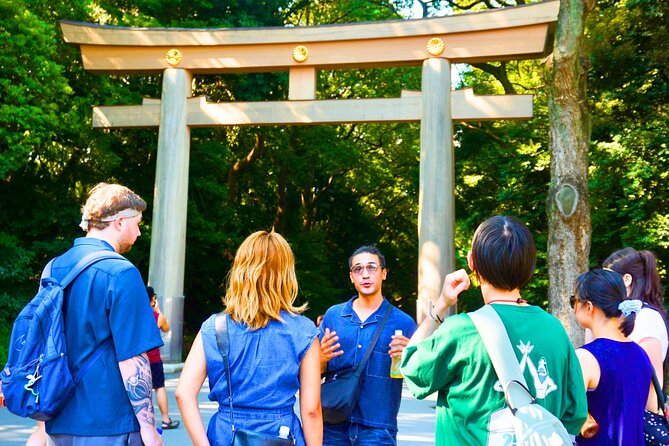
At Meiji Jingu Shrine, you pass under a torii gate and leave the city behind. The tour walks you into a peaceful forest setting and explains Shinto traditions and the Meiji era connection.
What makes this stop feel different is that it is not presented as just architecture and big gates. The guide’s job is to connect your senses to meaning: why the space feels like a break, what Shinto beliefs are about in everyday ritual, and why the Meiji era story shows up here.
If you like tours where the guide answers questions without making you feel rushed, this is one of the best parts. Past comments highlight guides such as Mika and Nicolas for being ready with explanations and easy conversation.
Meiji Shrine Imperial Garden: Purification, Prayers, and Omikuji
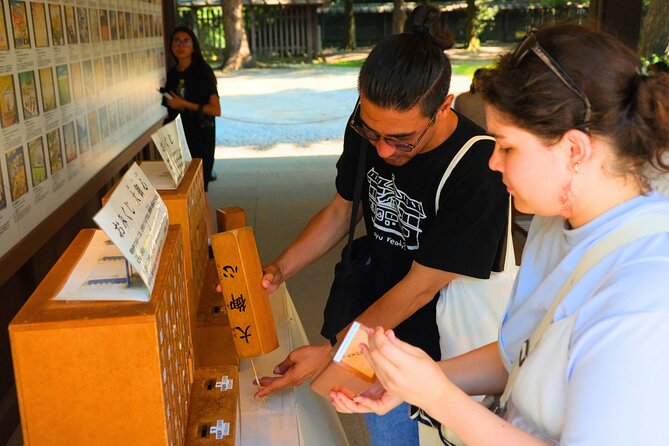
The final major portion is Meiji Shrine Imperial Garden for about 1 hour. This is where the tour shifts from looking to doing.
You can expect these ritual moments:
- water purification,
- offering prayers,
- trying omikuji (fortune slips),
- and learning what omikuji means and where the practice comes from.
This is the part that tends to stick with people. A lot of visitors can walk past shrines and take photos. But doing a small tradition step—then understanding it—changes how the place feels in your memory.
Practical consideration: rituals take time, and you will likely want a calm pace to participate properly. If you are coming with very tight plans for later in the day, keep some buffer after the tour so you are not rushing your own reading of fortunes or the final stroll.
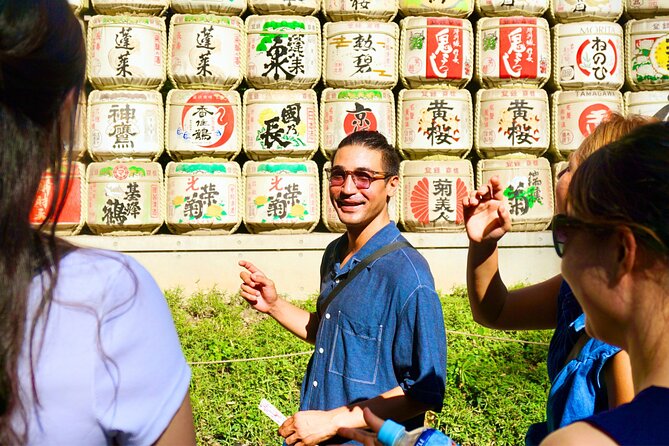
The tour ends along a path lined with sake barrels. It is a simple final detail, but it helps you close the circle with something distinctly Japanese and a little festive.
What the Guides Add (And Why Small Groups Matter)
This tour is guided by Tokyo’s friendliest and most passionate guides, and the impact is clear in how they handle your questions. In past feedback, guides named Lakki, Nicolas, and Mika show up for a reason: they focus on making the meaning of what you are seeing feel clear and friendly.
Two things stand out in the way they run it:
- They slow you down at the right moments. You do not just get a quick photo stop. You get context so you notice more.
- They keep the energy human. Stories and humor make the dense parts easier to follow, whether it’s Shinto traditions or why Harajuku fashion matters culturally.
With a maximum of 10 travelers, you are also more likely to get answers that fit your questions instead of listening to a one-size-fits-all script.
Who This Tour Suits Best
This tour is a great fit if you want:
- a short way to experience two major sides of Tokyo in one outing,
- a guided explanation for Meiji Jingu and the Imperial Garden rituals,
- and a dose of Harajuku and Omotesando street culture without needing to plan each stop yourself.
It is especially good for couples, solo travelers, and families who want an easy rhythm: energetic streets first, then calm traditions. If you are the type who wants to shop for hours on Takeshita Street or linger for long meditation inside shrine areas, you may need additional time afterward.
Should You Book This Meiji Shrine and Harajuku Tour?
I think this is a smart booking choice if you like contrast and you want your day to make sense fast. For $39.02 and about 2 hours, you get street culture, fashion context, and an actual ritual experience at the Imperial Garden.
Book it if you want:
- a guide-led walk with strong explanations,
- Meiji Jingu plus the Imperial Garden rituals (purification, prayers, omikuji),
- and a small group that makes questions feel normal.
Skip it or adjust expectations if:
- you want lots of free time to shop and wander without structure,
- you dislike busy pedestrian streets at the start,
- or you prefer a longer, slower shrine visit.
If you do book it, plan one extra block later for either Harajuku shopping or shrine reflection, so the time you have feels complete instead of rushed.
FAQ
How long is the Tokyo Meiji Shrine & Harajuku walking tour?
It’s about 2 hours.
What is the group size limit?
The tour has a maximum of 10 travelers.
Where is the meeting point?
You meet at UNIQLO Harajuku, 150-8010 Tokyo, Shibuya, Jingūmae area.
Where does the tour end?
It ends back at the meeting point.
Is a mobile ticket provided?
Yes, the tour uses a mobile ticket.
Are there admission tickets you have to pay for the stops?
The tour lists admission as free for the included stops.
What do you do at Meiji Shrine Imperial Garden?
You purify with water, offer prayers, and try omikuji (fortune slips). You also learn about what omikuji means and its history.
Is there free cancellation?
Yes. You can cancel up to 24 hours in advance for a full refund.