REVIEW · TOKYO
Full-Day Private Tour to Discover The Best of Tokyo
Book on Viator →Operated by Tour Japan · Bookable on Viator
Tokyo hits fast when it’s planned.
This full-day private tour is interesting because it tries to solve Tokyo’s main problem for first-timers: too much city, too little time. I like the mix of classic sights and everyday districts—temples and markets on one end, shopping streets on the other. I also like the private driver-guide setup, since you’re not tied to train transfers and you get on-the-spot explanations as you go. The main drawback to consider is that the experience depends heavily on the driver-guide and timing; one past account flagged a very late pickup and skipped stops.
I’m also drawn to the practical route logic here. In about 10 hours, you’re hitting Asakusa’s Senso-ji, Sumida’s Skytree area, Tsukiji’s food-and-market zone, Chiyoda’s Imperial Palace grounds, then rolling through Akihabara and Ginza before finishing up toward Ueno. Expect some portions to be flexible in practice—since Skytree and Imperial Palace are marked as not included, you’ll want a little patience around ticketing and line flow.
Because it’s priced per group (up to 6), this tour can be good value if you pack in with family or friends. If you’re a solo traveler, it may feel pricey on a per-person basis—but the private transport and hotel pickup are the kind of “time-saver” costs you’ll feel right away in Tokyo.
In This Review
- Key moments that make this tour feel worth it
- How a private 10-hour loop beats solo transit
- Senso-ji Temple and Asakusa: start with Tokyo’s oldest icon
- Tokyo Skytree: height views plus shopping time (but bring ticket money)
- Tsukiji Fish Market area: what you should expect in 60 minutes
- Imperial Palace grounds: a calm pause in Chiyoda
- Akihabara, Ginza, and Ameyoko: Tokyo’s shopping personality test
- Akihabara: tech, manga, anime, and electronics
- Ginza: upscale shopping and classic department-store energy
- Ameyoko: open-air market energy and bargain shopping
- Ueno Park: cherry blossoms season or year-round park time
- Price and what you really get for $425 per group
- Driver-guide quality: the difference between a great day and a rushed one
- Practical tips to keep your Tokyo day comfortable
- Who should book this private Tokyo highlights tour
- Should you book it?
- FAQ
- How long is the full-day private Tokyo tour?
- What is the price and group size?
- Is hotel pickup included?
- Is this a private tour?
- Do I need to pay for Tokyo Skytree or is it included?
- Are tickets included for the Imperial Palace?
- Are there any stops with free admission?
- Will I receive my tickets on my phone?
- What happens if the weather is bad?
- Is cancellation free if I change my plans?
- Is the tour suitable for most travelers?
Key moments that make this tour feel worth it
- Senso-ji in Asakusa as the first stop: temple grandeur plus people-watching at street level
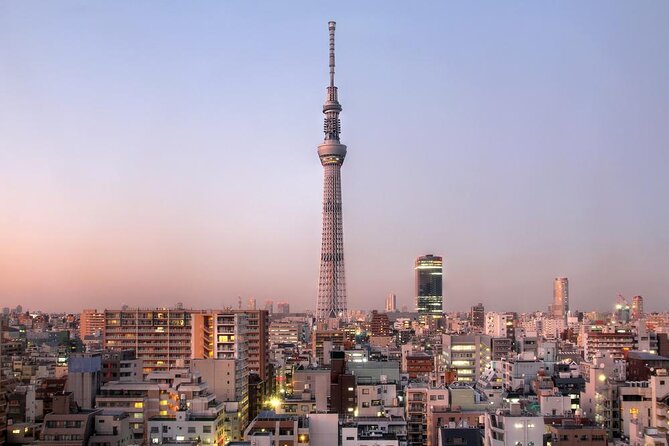
- Tokyo Skytree for big-city height views and shopping nearby (observatory admission not included)
- Tsukiji Fish Market area with a free stop built for wandering and eating
- A mix of Tokyo shopping extremes: Akihabara tech-anime energy, Ginza upscale shine, Ameyoko bargains
- Ueno Park finished right: a major cherry-blossom zone plus park time when crowds change
How a private 10-hour loop beats solo transit
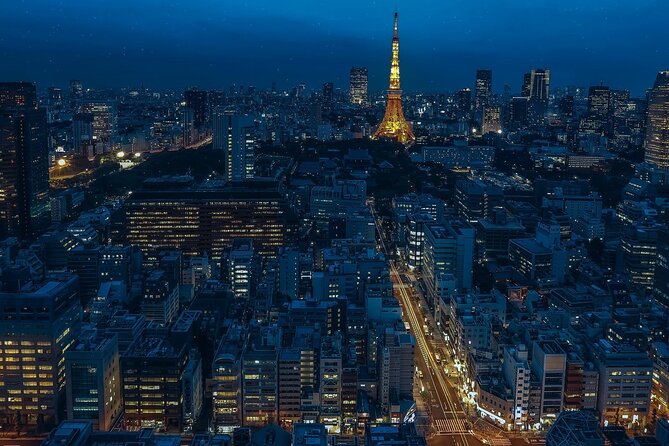
Tokyo can feel like a puzzle at rush hour. This tour’s biggest strength is that it’s designed as a single-day loop with hotel pickup and air-conditioned private transport for up to six people. That means you spend less energy figuring out trains and more energy looking up, tasting, and taking photos.
Private also changes the rhythm. You can ask questions in the moment, adjust pacing when someone needs a slower walk, and avoid the “everybody break apart at the platform” chaos. If you’ve ever traveled with older relatives, this setup tends to feel calmer fast.
The other practical win: the schedule includes a lot of high-recognition areas in a compact geography flow—Asakusa → Sumida → Tsukiji → Chiyoda → Akihabara → Ginza → Ueno area. It’s not trying to be perfect sightseeing at the atomic scale. It’s trying to get you the Tokyo you came for, without turning the day into pure commute time.
You can also read our reviews of more private tours in Tokyo


Senso-ji Temple and Asakusa: start with Tokyo’s oldest icon
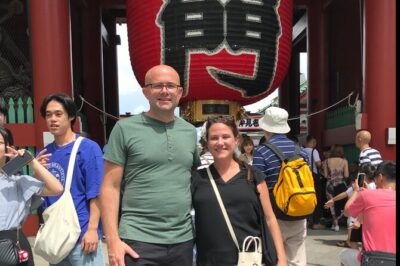
Your day starts at Sensō-ji, Tokyo’s oldest temple and one of its most significant. This is the kind of stop where you get instant context even if you know nothing about Buddhism. You’ll feel the age in the layout and the energy in the approach streets, where people naturally slow down.
The tour includes about one hour, and that’s a good amount of time to do the “walk-in, look-around, take a few photos, then stop and breathe” routine. Admission here is listed as free, so you don’t have to plan for ticket logistics.
A smart tip: wear shoes you can walk in without thinking. Asakusa’s temple streets are where the day can turn into extra wandering—especially if you pause for snacks or souvenirs.
Tokyo Skytree: height views plus shopping time (but bring ticket money)

Next comes Tokyo Skytree, a broadcasting and observation tower in Sumida. It’s famous for being the tallest structure in Japan, and your time here is about one hour. The focus is clearly split between the observatory experience and shopping in the surrounding area.
Here’s the key detail: the observatory admission is not included. That doesn’t ruin the stop, but it does mean you should plan for extra cost and some extra time spent settling ticketing and entry. If you’re someone who hates waiting, you’ll want to be ready to roll with the line reality.
What I like about Skytree as a tour stop is that it gives you a mental map of the city. After Asakusa and Tsukiji, the high viewpoint helps you connect neighborhoods you’ll visit later—Akihabara’s north-east feel, Ginza’s central density, and the Ueno area’s big-park space.
Tsukiji Fish Market area: what you should expect in 60 minutes
Tsukiji Fish Market is listed as about one hour, and admission is free for the stop itself. The area is known as Japan’s oldest fish market and was established in 1935, but your “tour value” here is less about formal museum-style touring and more about wandering the market energy and deciding what to eat.
Even though the word fish market sounds intense, the experience is usually practical. You’ll see the mix of seafood and produce, plus restaurants and retail markets in the same zone. In an hour, you can do a loop: quick look, pick one snack or meal option, and keep moving so the rest of the day stays on track.
If you’re picky about food timing, come hungry. If you’re not a big seafood person, you can still enjoy the atmosphere and pick something else from the surrounding food choices.
Imperial Palace grounds: a calm pause in Chiyoda
After the busy-food-and-shopping portions, you’ll step into a quieter setting: Tokyo Imperial Palace. The palace area is described as park-like, located in Chiyoda, and your scheduled time is about one hour.
Admission for this stop is not included, so plan for potential ticketing or restricted-access zones depending on what’s open during your visit. The payoff is the contrast. Tokyo is a loud city on the street, but the palace grounds give you space to slow down, walk, and reset.
This stop can also help your day feel less like shopping theater. Even if you only soak in the greenery and surrounding formality, it balances the rest of the itinerary.
You can also read our reviews of more tours and experiences in Tokyo

Akihabara, Ginza, and Ameyoko: Tokyo’s shopping personality test
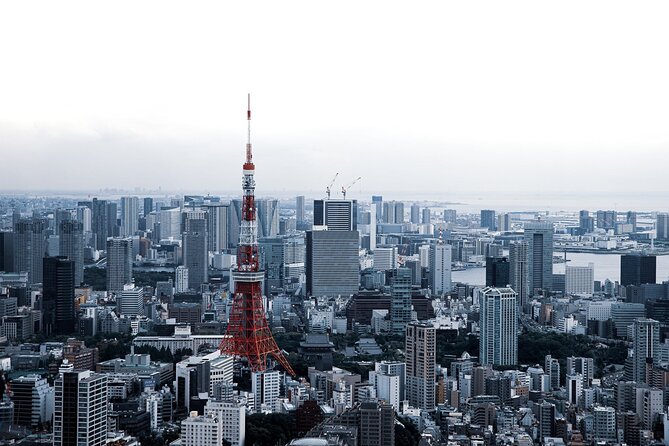
This is where the tour turns into a “Tokyo character sampler.” You’ll hit Akihabara, then Ginza, then Ameyoko Shopping Street (in the Ueno area).
Akihabara: tech, manga, anime, and electronics
Akihabara is listed for about 45 minutes and admission is free. The big draw is the electronics retail—from tiny stalls to large stores—plus the strong manga/anime/videogame vibe. Even if you don’t buy anything, Akihabara helps you understand how Tokyo mixes mainstream retail with fandom culture.
One practical note: 45 minutes is short. If there’s a single store you want, use that time like a mission. Otherwise, you’ll end up sightseeing with no plan and shopping with no budget.
Ginza: upscale shopping and classic department-store energy
Next is Ginza, scheduled for about one hour. Admission is free, and the appeal is upscale boutiques, well-known stores (including the department-store area mentioned), and ritzy food and cocktail spots.
Ginza can feel like a different city compared to Akihabara. It’s cleaner, more polished, and it’s where you’ll notice Tokyo’s style of luxury shopping. In a private tour, it’s also a good time to step into a store for a few minutes simply to escape heat or crowding.
Ameyoko: open-air market energy and bargain shopping
Then comes Ameyoko Shopping Street, again with about 45 minutes. It’s described as an atmospheric open-air market with a huge range—fashion, cosmetics, medicines, and even fresh food—with prices that can feel surprisingly low.
This stop works best if you like browsing, people-watching, and hunting for practical souvenirs or snacks. It also balances Ginza’s polish with street-level trade. If you’re traveling with kids or teens, Ameyoko tends to hold attention because it’s visually dense and full of impulse stops.
Ueno Park: cherry blossoms season or year-round park time
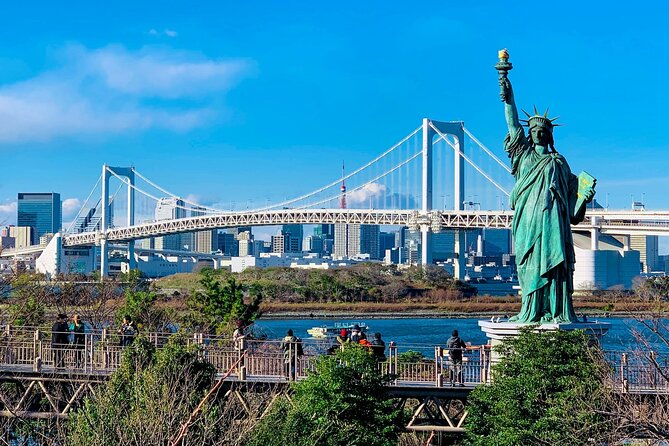
The day ends at Ueno Park, scheduled for about one hour. The park is famous for cherry blossoms and is described as having about 1,200 cherry trees, with enormous crowds during bloom season.
Even if you’re not there in spring, you still get something useful: a big green pause that feels like a reset after city walking. It’s also a good “finish line” because it’s not another shopping mall. It’s a park.
If it is cherry season, plan for crowds and slow pacing. If it’s not, you can still enjoy the open space and take in views without the spring crush.
Price and what you really get for $425 per group
The tour price is $425 per group for up to 6 people, for about 10 hours. The value depends on how many seats you fill.
- If you book for 6 people, that’s about $70.83 per person
- If you book for 4 people, it’s about $106.25 per person
- If you book for 2 people, it’s about $212.50 per person
Why that math matters: this price covers private A/C transport plus a driver-guide for a full day with hotel pickup. Tokyo’s time costs are real, and private car time is expensive. If you’re a couple or a small group, you’re paying to buy time, comfort, and simplicity more than you’re paying for “included attractions.”
Also note what’s marked free vs not included. Several stops are free to enter (like Senso-ji and Tsukiji area), but Skytree and Imperial Palace are not included. So your real total cost is $425 plus whatever you choose to pay at those ticketed spots.
Driver-guide quality: the difference between a great day and a rushed one
Private tours are only as good as the person behind the wheel. In the positive experiences attached to this tour, guides such as Abdul and Shahzad are praised for being friendly and for strong English, plus for sticking to the highlights in a way that feels informative. Maz is also mentioned for going above and beyond to accommodate requests.
In the negative side of the picture, there’s a clear warning signal: one reported issue involved a driver arriving 1 hour 20 minutes late, speaking very little English, and skipping parts of the planned route while rushing the remaining time.
So here’s what I’d do to protect your day:
- Message your provider ahead of time to confirm pickup time and where pickup will happen.
- Share any must-sees and any walking limits for your group.
- Ask what to do if Skytree or Imperial Palace entry takes longer than expected—so you don’t lose the final stops.
This isn’t about expecting trouble. It’s about making it harder for timing problems to ruin your whole day.
Practical tips to keep your Tokyo day comfortable
This is a long day, so treat it like one. The tour is about 10 hours, and the stops are mostly walking and street-level sightseeing. Build in patience for transitions between neighborhoods.
- Plan for the ticketed stops. Skytree and Imperial Palace aren’t included, so bring payment and consider adding a little buffer time.
- Eat at least one real snack meal during Tsukiji. The market area is designed for quick choices and walking consumption.
- Wear comfortable, broken-in shoes. Asakusa, Ameyoko, and the shopping districts can turn into more walking than you expect.
- If someone in your group tires easily, tell your driver-guide early. Positive accounts highlight that some guides actively accommodate comfort needs.
Also, you’ll get a mobile ticket. That’s helpful, since you can keep everything in one place instead of juggling printed documents.
Who should book this private Tokyo highlights tour
This tour fits best if you want:
- A one-day hits program without train transfers
- A private experience for up to six people
- Classic Tokyo sights plus a practical blend of shopping neighborhoods
It’s less ideal if you only want one or two places and hate the idea of a full-day schedule. If you prefer unstructured wandering, you might find it too tight. And if you’re very sensitive to schedule changes, you should spend extra effort confirming pickup and priorities.
Should you book it?
If your group is 4–6 people, this is usually the sweet spot for value, because private transport and pickup are the costs doing the heavy lifting. If you’re okay paying extra for convenience, you’ll likely appreciate how the day flows from Asakusa through markets, palace grounds, shopping districts, and then Ueno Park.
If you’re booking as a couple or solo, consider whether you’re truly buying time and comfort, since the per-person cost rises fast. And because the experience depends on timing and how closely the driver sticks to the plan, take two minutes to communicate your must-sees before the tour starts.
Overall, this is a strong “first Tokyo day” option when you want a lot of ground covered without getting lost in transit math.
FAQ
How long is the full-day private Tokyo tour?
The tour lasts about 10 hours.
What is the price and group size?
It costs $425 per group, and the tour is for up to 6 people.
Is hotel pickup included?
Yes, pickup is offered.
Is this a private tour?
Yes. Only your group participates.
Do I need to pay for Tokyo Skytree or is it included?
Skytree admission is not included.
Are tickets included for the Imperial Palace?
Admission for the Imperial Palace is not included.
Are there any stops with free admission?
Yes. Senso-ji, Tsukiji Fish Market, Akihabara, Ginza, Ameyoko Shopping Street, and Ueno Park are listed as free admission.
Will I receive my tickets on my phone?
Yes, there’s a mobile ticket.
What happens if the weather is bad?
This experience requires good weather. If it’s canceled due to poor weather, you’ll be offered a different date or a full refund.
Is cancellation free if I change my plans?
Yes. You can cancel up to 24 hours in advance for a full refund.
Is the tour suitable for most travelers?
The tour notes that most travelers can participate, and it is near public transportation.