REVIEW · TOKYO
Cozy Tokyo Class: Ramen, Sushi, Sake Pairing & Cultural Exchange
Book on Viator →Operated by Ramen and Sushi Cooking Tokyo · Bookable on Viator
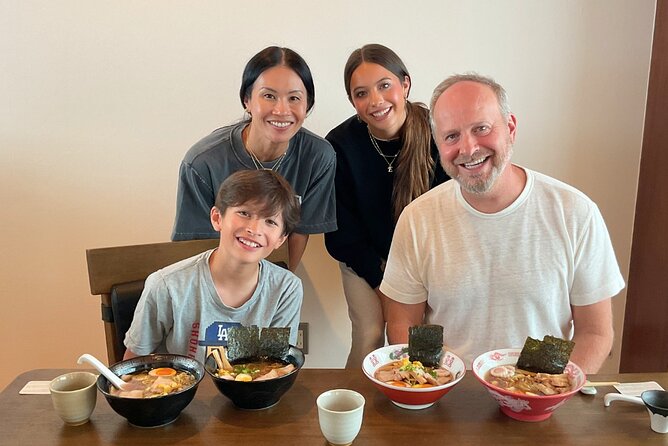
Ramen and sushi, taught in plain language. What makes this class feel different is the small-group size and the real cultural chat with hosts like Umi San and Kou San. You’ll cook in a cozy setup in Tsukishima, then taste what you made with unlimited sake pairing.
I especially like that you get hands-on help while learning to make ramen and sushi from scratch, plus a clear recipe gift so you can repeat it at home. The second big win is the intimate pace—this is capped at just four people—so questions don’t get lost in the noise.
One consideration: it’s only about 3 hours, so you’re not trying to become a full-time chef or master every ramen variable. Think of it as a smart skill boost and a fun Tokyo night, not a lifetime apprenticeship.
In This Review
- Key Highlights You’ll Actually Notice
- Entering A Cozy Tokyo Kitchen In Tsukishima
- The 3-Hour Game Plan: What Happens After You Walk In
- Ramen Skills: More Than Just The Finished Bowl
- Sushi Lessons: Building Confidence With A Hands-On Technique
- Optional Gyoza: When You Want One More Reason To Stay At The Table
- Sake Pairing and Drinks: Fun, But Also Practical
- Why The Tiny Group Size Matters (Even If You Don’t Care About Food)
- Meeting Point and Getting There Without Stress
- Price and Value: What You’re Really Paying For
- Who This Class Fits Best (And Who Should Think Twice)
- Should You Book This Cozy Tokyo Ramen and Sushi Class?
- FAQ
- What dishes will I learn to make?
- How long is the cooking class?
- How big is the group?
- Are sake pairings included?
- Do I get anything to take home?
- Is the price $79 all-inclusive?
- Is transportation included from my hotel?
- Where do I meet, and does it end there?
- Is this class suitable for beginners?
- What if I need to cancel?
Key Highlights You’ll Actually Notice
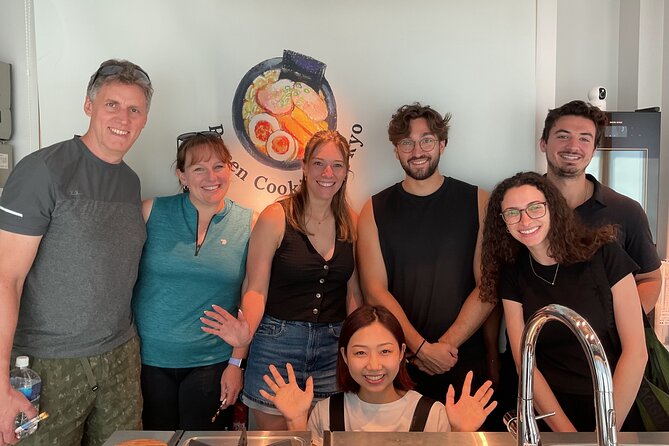
- Tiny class size (4 at a time): more hands-on guidance and easier conversation.
- Ramen + sushi focus: you learn two iconic dishes in one session.
- Optional gyoza: you might add gyoza depending on the class flow.
- Unlimited sake pairings (and non-alcoholic options): you can taste and sip without worrying.
- Take-home recipe gift: you leave with a real plan for recreating the dishes.
Entering A Cozy Tokyo Kitchen In Tsukishima
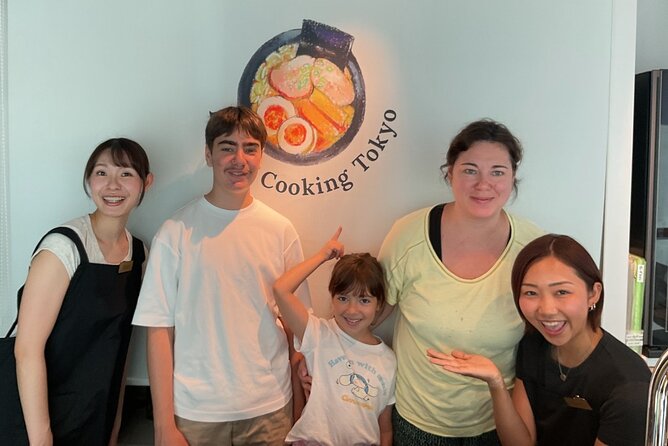
Tokyo cooking classes can be hit-or-miss. Some feel like a show where you only watch. This one aims for the opposite: you work, you eat, and you talk. The theme is Beyond Cooking, Feel the Connection, which basically means food is the bridge—not just the end goal.
The location is in the Chuo City area of Tsukishima. You start at 2-chōme-135 HAUS Tsukishima (Tokyo 104-0051), and the activity ends back at the same meeting point. It’s also near public transportation, which matters in a city where time can vanish if you overspend it on transfers.
In the room, the vibe is intentionally relaxed. The hosts are English-friendly Japanese cooks, and the energy feels warm, not stiff. In the group, you may meet instructors with names that come up often—Umi San, Kou San, Komi, Alissa, Risa, and Namiko—so you’re not dealing with a single voice or a single style. That variety helps if your brain learns better from different examples.
You can also read our reviews of more food & drink experiences in Tokyo



The 3-Hour Game Plan: What Happens After You Walk In
This is an approximately 3-hour class with a relaxed pace. You’re not just handed a set of instructions—you’re walked through cooking while hearing stories about Japanese culinary traditions. Those stories are not there to sound fancy. They’re there to make your food make sense.
A typical flow looks like this:
1) Welcome, setup, and cultural context
You’ll be greeted in the cozy space, then oriented to what you’ll cook. The class theme shows up immediately: you’re encouraged to connect with the food through conversation, not just memorization. Since it’s designed for beginners and experienced cooks, the teaching style generally stays clear and practical.
2) Cooking ramen from scratch
You’ll make ramen from scratch. The “from scratch” part is key for value. It means you’re not learning one tiny step—you’re building toward the finished bowl with guidance you can actually repeat later. You’ll also get method advice while you work, so you’re not stuck guessing what to do next.
3) Sushi creation (with optional gyoza)
You’ll also learn to create sushi from scratch. Depending on how the class is structured that day, gyoza may be an optional addition. Either way, the skill set overlaps: timing, seasoning balance, and technique matter in both dishes. The class keeps that logic visible instead of treating ramen and sushi like totally separate worlds.
4) Taste what you made, with pairings
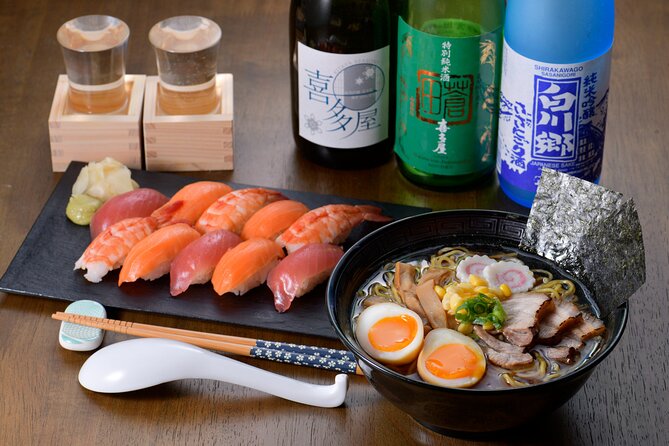
After cooking, you’ll eat your creations. This is where the experience feels most complete. You don’t just leave with a recipe folder—you leave with a remembered flavor. And you can add a drinks component too: unlimited sake pairings, Japanese beer, or non-alcoholic beverages.
5) Take-home recipes so you can cook again
Before you go, you receive a detailed recipe as a gift. That’s one of those small perks that turns into big long-term value. Cooking classes are fun in the moment. The winners are the ones that keep paying off when you’re back home.
Ramen Skills: More Than Just The Finished Bowl
Ramen is one of those foods people think they already know. Then they make it and realize there’s a reason good ramen tastes the way it does. In this class, you learn ramen from scratch, which gives you two major things.
First, you learn the rhythm. You can’t assemble a great bowl at the end if the earlier steps weren’t done with care. Cooking ramen in a guided setting helps you understand how the parts need to come together.
Second, you learn the “why,” even if the lesson stays practical. The class includes stories about Japanese culinary traditions while you cook, which helps explain what you’re doing and why certain choices matter. It’s the difference between memorizing steps and actually understanding flavor and technique.
The best part for real life: you’re not left with just a memory. You get a detailed recipe to recreate the ramen at home. That’s especially useful because ramen is one of those dishes where small adjustments can change everything, and the recipe gift gives you a starting point you can trust.
Sushi Lessons: Building Confidence With A Hands-On Technique
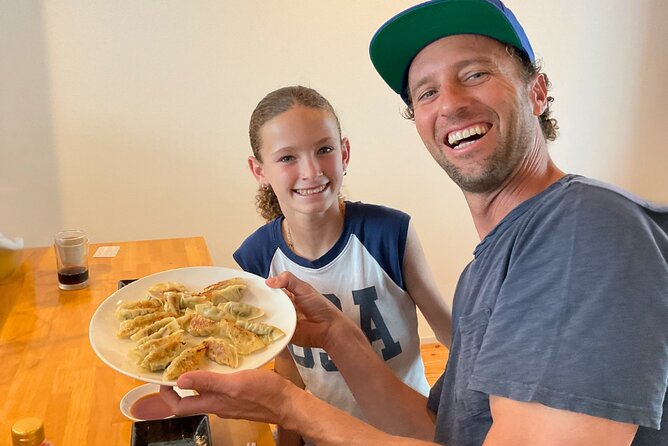
Sushi sounds fancy, but the class approach is meant to be reachable. You’ll create sushi from scratch, and that’s the confidence booster. The instruction style is designed for all skill levels, so you don’t have to already know knife work or rice handling to participate.
What I like about pairing sushi with ramen in the same session is that it prevents you from getting stuck in a single cooking mindset. Ramen tends to pull you toward balance and assembly. Sushi pushes you toward precision and consistency. Learning both helps you see Japanese cooking as a set of repeatable skills, not just separate dish trivia.
Another subtle win is the pacing. Because the class is small (capped at four people), you can get help before you fall too far behind. If rice, seasoning, or technique feels confusing, you have a real chance to ask and correct mid-process instead of hoping the next step will fix it.
As with ramen, you’ll be able to take the recipe home. That turns the class from a one-night experience into a skill you can practice again with fewer unknowns.
Optional Gyoza: When You Want One More Reason To Stay At The Table
The class is themed around ramen and sushi, but gyoza may be included as an option depending on the day. If gyoza is offered, it’s a logical add-on because the cooking mindset carries over: heat control, seasoning, and getting the final texture right.
Even if gyoza isn’t your personal priority, it’s worth noting that a flexible class structure can be good. If you love dumplings, you get extra value. If you don’t, the main focus stays on ramen and sushi.
Either way, the takeaway is the same: you’re practicing Japanese cooking methods in a real kitchen setting, not just taking pictures of finished dishes.
You can also read our reviews of more drinking tours in Tokyo

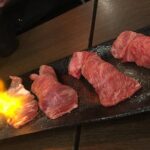


Sake Pairing and Drinks: Fun, But Also Practical
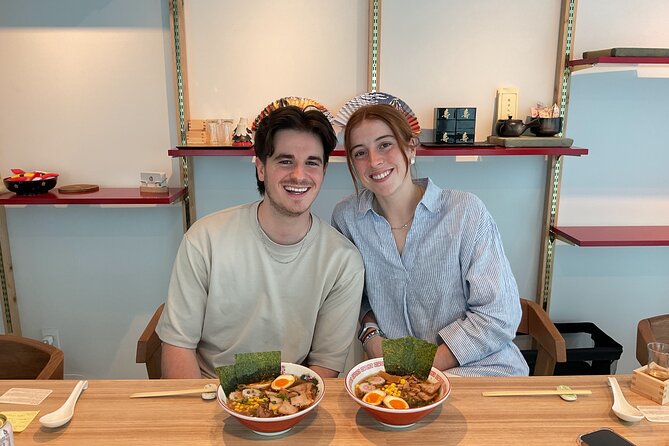
Food + drinks can go two ways: either it distracts, or it helps you learn. Here, sake pairing is included and unlimited. There’s also Japanese beer, plus non-alcoholic beverages. That matters because not everyone wants alcohol, and you don’t have to force it to enjoy the experience.
The practical benefit is that you taste the dishes while your brain is still fresh from cooking them. Drinks make flavors more noticeable—sweetness, acidity, salt, and fat all shift with each sip. Even if you don’t know sake varieties, unlimited pairing gives you multiple chances to figure out what goes well with what.
Also, the class keeps it social. You’re cooking with others, tasting together, and sharing conversation with English-friendly hosts. With sake in the mix, that conversation tends to flow more easily. Just pace yourself; the class is about three hours of work and eating, so you want to stay alert for the cooking steps.
Why The Tiny Group Size Matters (Even If You Don’t Care About Food)
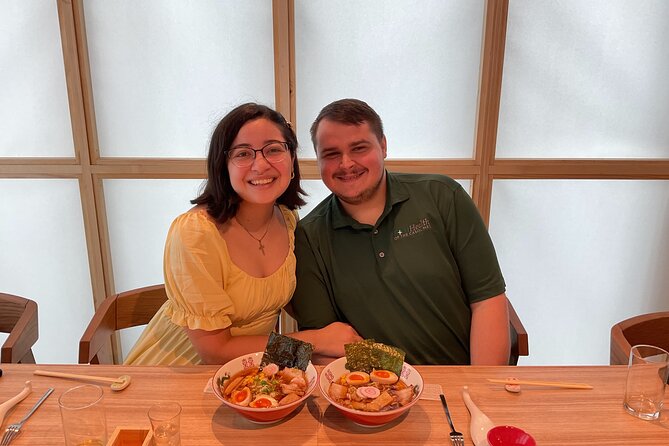
This is one of those features that sounds like logistics until you experience it. The class caps the group at four people, and the overall activity has a maximum of eight travelers. In plain terms: you’re not stuck watching someone else cook while you wait.
In a small group, you can:
- get feedback before you make the same mistake twice
- ask quick questions without feeling rushed
- hear the explanation clearly over the kitchen noise
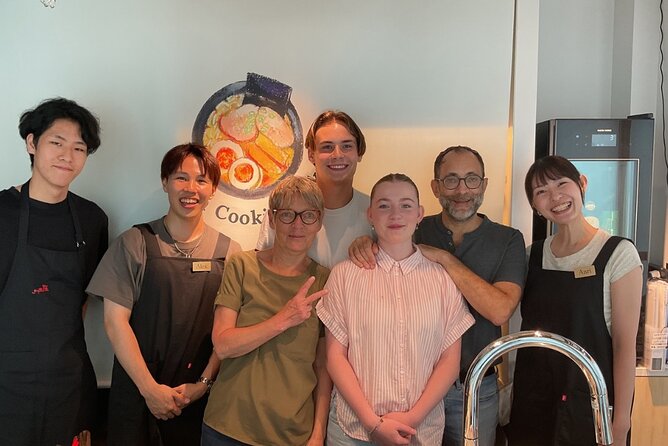
The instructors also have room to guide you. Names that come up a lot—Umi San and Kou San, with help from people like Komi, Namiko, and Alissa—suggest a team that enjoys teaching and interacting. That tone shows up in how the class supports questions and keeps the mood upbeat without getting chaotic.
If you’re someone who learns by doing, this size is the difference between a class you enjoy and a class you remember.
Meeting Point and Getting There Without Stress
You’ll meet at Japan, Chuo City, Tsukuda, 2-chōme135 HAUS Tsukishima. The good news is that it’s near public transportation, so you’re not trapped in a taxi loop. Since the activity ends back at the meeting point, you can plan your evening without a complicated route home.
Practical tip: arrive a bit early and get your bearings. A kitchen class runs on time, and you’ll enjoy it more when you’re not scrambling for the right entrance.
Price and Value: What You’re Really Paying For
At $79 for about 3 hours, this class sits in the “good value if you want skills” category. Why?
You’re paying for:
- hands-on instruction for ramen and sushi (and potentially gyoza)
- ingredients and the cooking environment (implied by the class format)
- unlimited sake pairings, Japanese beer, or non-alcoholic beverages
- a detailed recipe gift to recreate the dishes later
- all fees and taxes included
Private transportation is not included, but that’s normal for city-based experiences. The value here comes from what’s included: the teaching, the ingredients involved in making two iconic dishes, and the drinks pairing. If you were simply eating ramen and sushi out, you’d pay for food only. This gives you food plus technique plus an actual plan for cooking again.
The “small group” feature also improves the value. You’re getting more direct attention for the same money than you would in a big class, and it makes the experience feel less like a production and more like a real exchange.
Who This Class Fits Best (And Who Should Think Twice)
This class works well for:
- couples who want a shared activity beyond sightseeing
- families, since it’s suitable for all ages
- friends traveling together
- people who are beginners or who already cook but want a structured Japanese method refresher
It’s also a solid choice if your Tokyo time is limited. You can pack a skill-building experience into an evening without needing a full-day commitment.
Who might want to consider alternatives: if you hate structured tasting and pairings, or if you strongly prefer solo cooking time, this style of group interaction may not feel like your ideal. It’s designed for social learning, even though it stays small.
Should You Book This Cozy Tokyo Ramen and Sushi Class?
I’d book it if you want a genuine hands-on Japanese cooking experience in a small setting. The combo of ramen + sushi from scratch, the English-friendly hosts, and the take-home recipe gift creates value that lasts beyond your meal.
Book it with confidence if you like learning through doing and you want a relaxed cultural exchange where you can ask questions and actually use what you learn at home. If you’re planning Tokyo around food, this class is one of the best ways to turn eating into skill.
If you’re on the fence, ask yourself one question: do you want an activity you can repeat? With the detailed recipe gift and the focused teaching, this is built for that.
FAQ
What dishes will I learn to make?
You’ll learn to create ramen and sushi from scratch. Gyoza may be offered as an option as part of the class.
How long is the cooking class?
It’s about 3 hours.
How big is the group?
The class is capped at four people. The overall activity has a maximum of eight travelers.
Are sake pairings included?
Yes. You get unlimited sake pairings, plus Japanese beer or non-alcoholic beverages.
Do I get anything to take home?
Yes. You receive a detailed recipe as a gift so you can recreate the dishes at home.
Is the price $79 all-inclusive?
The price includes all fees and taxes.
Is transportation included from my hotel?
No. Private transportation is not included.
Where do I meet, and does it end there?
You start at 2-chōme135 HAUS Tsukishima in Tsukuda, Chuo City, Tokyo, and the activity ends back at the meeting point.
Is this class suitable for beginners?
Yes. It’s designed for all ages and skill levels, including beginners.
What if I need to cancel?
Free cancellation is available up to 24 hours in advance for a full refund. If you cancel less than 24 hours before the start time, the amount paid is not refunded.
If you tell me your travel dates and whether you’re most excited about ramen, sushi, or drinks, I can help you decide if this class fits your Tokyo plan.