REVIEW · TOKYO
From Tokyo: Mount Fuji Full-Day Customized Private Tour
Book on GetYourGuide →Operated by Travellers Japan · Bookable on GetYourGuide
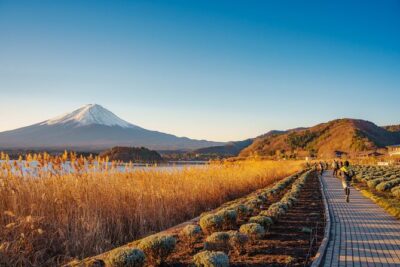
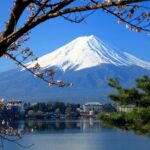
Fuji in a day beats waiting on plans. This private full-day route packs classic Mt. Fuji viewpoints, Oshino Hakkai, and Hakone National Park into one smooth car day. I also like that the trip is guided by a National Government Licensed English-speaking pro who can explain what you’re seeing and keep timing realistic.
My favorite part is the Mt. Fuji and Hakone “two-view” setup: you get the iconic Fuji closer up, then the calmer, almost cinematic Lake Ashi boat cruise plus a ropeway ride up Mt. Komagatake. One thing to keep in mind: Mt. Fuji visibility depends on weather, so you should plan for the possibility of hazy views.
In This Review
- Key things to know before you go
- How a Tokyo-to-Fuji-to-Hakone Private Day Actually Feels
- Your Pickup Choice: Tokyo, Shinjuku, Chiba, or Fujikawaguchiko
- Mount Fuji Stops That Matter: 5th Station and the Komagatake Ropeway
- Oshino Hakkai, Chureito Pagoda, and Fuji Sengen Shrines for Variety
- Hakone National Park: Owakudani and the Open-Air Museum
- Lake Ashi Cruise and Mt. Komagatake: The Day’s Calmer Core
- Time on the Clock: A 10-Hour Route That Tries to Be Realistic
- Price and Value: What $321 Per Group Really Buys You
- Guide Quality and the Human Touch: Names Like Malik and Ali
- Who Should Book This Private Mt. Fuji and Hakone Day Trip
- Should You Book This Tour?
- FAQ
- How long is the Mt. Fuji and Hakone day trip from Tokyo?
- What is the price for this private tour, and how big is the group?
- Where can the tour pick you up and drop you off?
- Will I definitely see Mt. Fuji?
- What are the main Mt. Fuji and Hakone experiences included?
- Is the tour guided?
- Is lunch included?
- Does the itinerary include Hakone sights like Owakudani or an art stop?
- Is this tour suitable for wheelchair users?
Key things to know before you go
- Private car + licensed guide: You set the pace and don’t fight for photo spots.
- Fuji 5th Station + Komagatake ropeway: Two distinct mountain moments in one day.
- Oshino Hakkai and Chureito-style viewpoints: Small, scenic stops that add variety beyond just Fuji.
- Lake Ashi boat cruise: A slower reset after the higher-energy sightseeing.
- Hakone Open-Air Museum and Owakudani: Big sights, short enough to fit in a day.
- Price is per group (up to 6): Often better value than paying two or three separate tickets.
How a Tokyo-to-Fuji-to-Hakone Private Day Actually Feels
This tour is built for people who want Mt. Fuji and Hakone without the usual Tokyo logistics headache. You ride in a comfortable private vehicle, and you’re not guessing where to stand or what matters first. The guide’s job is to connect the dots—what you’re looking at, why it’s famous, and how to get the best views given the day’s conditions.
What makes it work especially well is the pacing style: you don’t only rush from one “checkmark” to the next. You get a mix of short photo breaks and longer sightseeing blocks, so the day feels full but not frantic. And since it’s a private group, you can generally tailor the order a bit to match how your crew is doing.
If you love mountains and you like your sightseeing with a human guide (not just an app), you’ll probably enjoy the structure. You’ll also appreciate that the route includes both the Fuji area and the Hakone side, so the day doesn’t feel like the same view repeated.
You can also read our reviews of more private tours in Tokyo

Your Pickup Choice: Tokyo, Shinjuku, Chiba, or Fujikawaguchiko
Getting picked up matters more than most people think. A smooth start reduces stress, and it makes the day feel like a true day trip instead of a half-day scramble.
You have four pickup locations: Tokyo, Fujikawaguchiko, Chiba, and Shinjuku City. You also have matching drop-off options in Shinjuku City, Tokyo, Fujikawaguchiko, and Chiba, so you can plan around where you’re staying. That flexibility is useful if you’re bouncing between Tokyo neighborhoods or if you’re already near the Fuji area.
One practical note: because Mt. Fuji and Hakone timing depends on traffic and weather, your guide will often use the drive time well—pointing out where to look and setting expectations early. The tour includes a safety briefing at the Fuji viewing portion, which helps you know what to do once you’re out of the car and walking.
Mount Fuji Stops That Matter: 5th Station and the Komagatake Ropeway
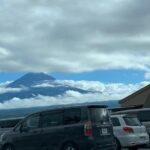
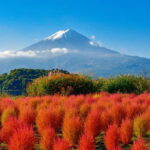
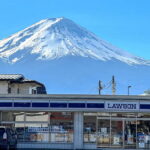
This is the heart of the day. You’ll spend time around Mt. Fuji, including a stop at the 5th Station—the classic area most people travel for when they want that closer-to-the-mountain feeling. You also get a key add-on that many day trips skip: the ropeway and summit experience on Mt. Komagatake.
Here’s why that combo is valuable. Mt. Fuji can look iconic from a distance, but you only get the emotional “scale” when you’re high enough to feel the mountain’s presence. Then, Komagatake gives you a different perspective—views that connect to the surrounding Hakone region and help the day feel like it’s more than one destination.
Keep your expectations grounded though: visibility isn’t guaranteed. The tour is weather-dependent, and your guide may adjust the plan if conditions aren’t great. That’s normal for this region, but it’s the one “watchout” factor you should plan around with patience.
Oshino Hakkai, Chureito Pagoda, and Fuji Sengen Shrines for Variety
A good Fuji day trip shouldn’t be only big views. It should also show you the human scale around the mountain. This route adds several cultural and scenic stops that break up the day and give you more than one type of photo.
You’ll visit:
- Oshino Hakkai (about 30 minutes): A small village known for its connection to Mt. Fuji’s water. It’s the kind of place where you can slow down and actually enjoy the details instead of just snapping one skyline shot.
- Chureito Pagoda (about 45 minutes): A famous composition spot. Expect a photo-focused stop where timing and vantage points matter.
- Arakura Fuji Sengen Shrine and Kitaguchi-hongu Fuji Sengen Shrine: These shrine visits add context to why Mt. Fuji is revered, not just photographed.
There are also scenic breaks around Lake Kawaguchi (about 1 hour), plus Oishi Park (about 1 hour). These parts of the day are about resetting your eyes: open sky, water views, and a less “stand in line” vibe than major city sights.
One smart detail in the plan: it mixes short stops (so you stay mobile) with longer blocks where you can take your time. If you’ve ever done a day trip where every stop is 10 minutes, you’ll appreciate this pacing.
Hakone National Park: Owakudani and the Open-Air Museum
Once you transition from the Fuji side toward Hakone, the scenery changes from “single icon” to “volcanic region with moods.” This portion of the day is where Hakone earns its reputation.
You’ll spend time in Hakone (about 30 minutes) and then hit Owakudani Valley (about 1 hour). Owakudani is the dramatic, geothermal-style area people come for when they want proof the region is alive with volcanic activity. Even if you’re not chasing every souvenir or every snack, it’s the sort of place that makes you understand why the area is treated differently from standard tourist towns.
Next comes the Hakone Open-Air Museum (about 1 hour). This is a nice contrast to the volcanic stops. It gives you a calmer kind of sightseeing, with a slower pace that can be a relief if your group tends to get tired of standing and walking purely for viewpoints.
There’s also “shopping time” built into the Owakudani block. That matters because Hakone days can feel long—having a chance to browse a bit helps the day feel balanced instead of purely observational.
You can also read our reviews of more tours and experiences in Tokyo
Lake Ashi Cruise and Mt. Komagatake: The Day’s Calmer Core
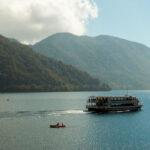
If I had to pick the most relaxing part of this itinerary, it’s the combination of Lake Ashi and the Komagatake views. After the morning’s mountain-focused stops and walking, the boat time feels like someone turned down the volume.
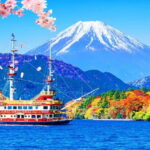
You’ll get a boat cruise on Lake Ashi (about 30 minutes). Even with short cruise duration, it changes how the day feels. Water views tend to level out crowds and noise, and your guide can usually help you position for better sightlines while you’re on the water.
Then there’s the ropeway to Mt. Komagatake’s summit and views of the surrounding Hakone National Park area. This is where you get a more “big region” feeling—less like a single postcard and more like you’re standing over a whole system of hills, valleys, and water.
The best move here is simple: wear warm layers. You’re in a mountain-and-lake setting, and the air can feel cooler once you’re moving around or near water. A camera helps too, but don’t obsess—this is one of those moments where your eyes will remember it even if the photo is only okay.
Time on the Clock: A 10-Hour Route That Tries to Be Realistic
A 10-hour day can be wonderful or exhausting, depending on how it’s paced. This plan does better than many by building in enough time per stop that you don’t constantly feel behind.
A few highlights of the timing rhythm:
- You start with multiple Fuji area stops and viewpoints, including that 5th Station experience.
- You then spend meaningful time around Lake Kawaguchi and Oishi Park, which helps you slow down.
- Hakone gets a concentrated set of sights (Owakudani, Open-Air Museum, plus time in Hakone).
- The day ends with Lake Ashi and then Gotemba Premium Outlets (about 1 hour).
That last shopping block is important context. Some people love it as a practical finish—souvenirs, snacks, and easy browsing. Others may prefer more time purely in Hakone. Since it’s your private group, your guide may help you decide how you want to spend that final hour, but you’ll still want to be realistic about your energy level.
One small caution: the tour involves moderate walking, and you’ll want comfortable shoes. Even if each stop isn’t long, the total day adds up.
Price and Value: What $321 Per Group Really Buys You
At $321 per group (up to 6), this isn’t a cheap tour in raw dollars—but it can be a smart value if you travel as a group. The price structure matters: you’re paying for a private vehicle and a licensed guide, which is hard to replicate with public transport plus DIY planning.
Here’s what you’re paying for that feels worth it:
- A National Government Licensed English-speaking guide, not a casual driver with a few tips.
- A private experience where you’re not stuck waiting your turn.
- Ticket-line skipping, which saves time at busy sights.
- Multiple regions in one day: Fuji area plus Hakone, plus a Lake Ashi cruise and Komagatake ropeway.
If you’re only traveling solo or as a couple, the price may feel steep. But if you can split costs among a small group, it starts to look much more reasonable compared to piecing together separate paid activities.
Also, you can choose a Japanese-style lunch option if it’s selected. That can reduce decision fatigue. Just remember lunch is only included if you pick that option ahead of time.
Guide Quality and the Human Touch: Names Like Malik and Ali
The difference between a “sightseeing bus day” and a truly good private tour is the guide’s touch: explaining what you’re seeing, adjusting for your pace, and handling the practical stuff without making you feel rushed.
In the experiences shared, guides such as Malik and Ali are highlighted for running a smooth day and hitting several scenic stops. One guide was even tied to family-friendly breaks and standout local sightseeing choices. That’s the kind of guidance you can’t fully manufacture on your own, because it’s not just directions—it’s knowing which stops make sense for photos, timing, and group comfort.
You’ll also notice the tour is flexible in a way that helps. It’s designed around weather conditions and visibility, and it can shift plans if needed. That matters on Mt. Fuji days, where the sky can change fast.
Who Should Book This Private Mt. Fuji and Hakone Day Trip
This tour is a great fit if you:
- Want Mt. Fuji plus Hakone in one day without juggling trains and transfers.
- Prefer a guide who speaks English and can explain what you’re looking at.
- Travel in a small group (up to 6) and want better per-person value.
- Like a mix of iconic views and cultural stops, not just one mountain viewpoint.
It may not be the best choice if you:
- Have back problems or are pregnant, since the day includes moderate walking.
- Use a wheelchair. The info notes wheelchair accessibility, but it also flags it as not suitable for wheelchair users. That mismatch is a signal to confirm details directly with the provider before you book.
Weather matters too. If your goal is crystal-clear Fuji photos every time, you’ll want a backup mindset. The route can also provide an alternative itinerary when conditions are poor.
Should You Book This Tour?
Book it if you want the easiest way to pack Mt. Fuji, Oshino Hakkai, Lake Ashi, Owakudani, and Hakone into one guided day—especially if you can split the cost with up to five people. The private setup, licensed English guide, ticket-line skipping, and the ropeway + cruise combo are the big reasons this feels efficient.
I’d hesitate only if your group is very sensitive to walking, if weather uncertainty would stress you out, or if accessibility needs are complex (because wheelchair suitability info is conflicting). If you can handle moderate walking and you’re okay with the Fuji visibility variable, this is the kind of day trip that can genuinely feel like you got more than you paid for.
FAQ
How long is the Mt. Fuji and Hakone day trip from Tokyo?
The tour lasts 10 hours.
What is the price for this private tour, and how big is the group?
It costs $321 per group, up to 6 people.
Where can the tour pick you up and drop you off?
Pickup options include Tokyo, Fujikawaguchiko, Chiba, and Shinjuku City. Drop-off options include Shinjuku City, Tokyo, Fujikawaguchiko, and Chiba.
Will I definitely see Mt. Fuji?
Sightings depend on weather, and visibility of Mt. Fuji can be affected. The tour notes that sightings cannot be guaranteed.
What are the main Mt. Fuji and Hakone experiences included?
You visit the 5th Station of Mt. Fuji, take a ropeway to the summit of Mt. Komagatake, and enjoy a boat cruise on Lake Ashi.
Is the tour guided?
Yes. It’s a private tour with a National Government Licensed English-speaking guide. There are also driver languages listed as English, Hindi, and Arabic, and you can skip the ticket line.
Is lunch included?
A Japanese-style lunch at a local restaurant is included only if you select the lunch option.
Does the itinerary include Hakone sights like Owakudani or an art stop?
Yes. It includes Owakudani Valley and the Hakone Open-Air Museum.
Is this tour suitable for wheelchair users?
The info lists wheelchair accessibility, but it also says it is not suitable for wheelchair users. You should confirm your specific needs before booking.