REVIEW · TOKYO
Private Day Tour in Tokyo with Government-Licensed Guide
Book on Viator →Operated by Travel Tokyo Agency · Bookable on Viator
Tokyo can feel like a maze. This private walking tour helps you plan the day and move with confidence, with government-licensed guidance and smart train pointers. I love two things most: the itinerary can be customized to your interests, and the guide makes Tokyo logistics feel easy, not stressful. The one catch is you’ll likely pay extra for big-ticket viewpoints like Shibuya Sky, Tokyo Tower, or Tokyo Skytree.
You’ll start in Shibuya, bounce between iconic neighborhoods and classic Tokyo temple spots, and come away with practical ideas for what to do after the tour. It’s built for first-timers and busy schedules, but it also works when you want a calmer day with only a few must-dos.
In This Review
- Key highlights you’ll care about before you go
- A private, government-licensed Tokyo walk that teaches real routes
- Where you start in Shibuya, and how the day actually moves
- Choosing your 3–4 stops: from Meiji Jingu to Kappabashi
- Meiji Jingu Shrine: a calm reset near Harajuku
- Takeshita Street (Harajuku): fashion energy with an easy walk
- Shibuya Sky: the viewpoint option that defines the modern skyline
- Shibuya Crossing: the photo moment, timed right
- Tokyo Tower and Zojo-ji: old-school Tokyo with a temple side
- Tsukiji Fish Market: outer-market atmosphere and food shopping
- Imperial Palace and the East Gardens: royal calm in the city
- Tokyo Skytree: the tall finish if you want maximum height
- Asakusa and Senso-ji: temple vibes plus street shopping
- Kappabashi (Kappabashi Dogugai): kitchen tools and fake food
- Shibuya vs. Asakusa: planning your day’s mood in advance
- Price and tickets: where your money goes (and where it doesn’t)
- Practical tips for riding Tokyo’s trains with less stress
- Who this private Tokyo highlights tour fits best
- Should you book this private highlights tour with Hiro?
- FAQ
- How long is the private Tokyo highlights tour?
- Is this tour private or shared?
- Where does the tour start?
- Can the itinerary be customized?
- What’s included in the price?
- What is not included?
- Do I need to buy a metro pass for the tour?
- How does confirmation work after booking?
- What if I change my plans and need to cancel?
Key highlights you’ll care about before you go
- Private group only means your pace and preferences drive the route, not a fixed bus timetable.
- 3–4 selectable stops from a well-chosen list keeps the day from feeling like a checklist sprint.
- Public-transport training helps you learn which lines and station exits matter once the tour ends.
- Hiro’s flexibility shows up in real situations, including last-minute changes and rerouting for events.
- Photo help and smart station routes, including finding elevators when stairs are a problem, can save a lot of pain.
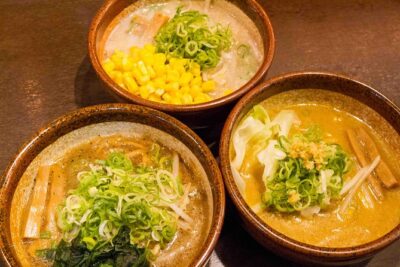
- Local food recommendations often appear as part of the day, with picks that can include sushi or ramen.
A private, government-licensed Tokyo walk that teaches real routes
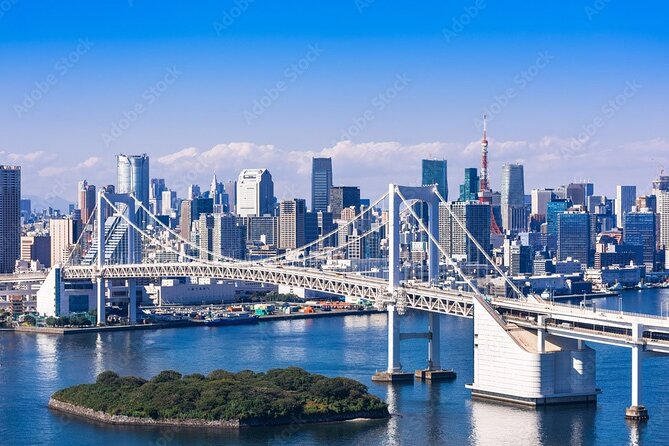
A good Tokyo tour does more than point. It helps you understand how the city works. This one is built around a private, walking-style day with a licensed local guide, so you can cover a lot of ground without feeling like you’re guessing your way across town.
The big win is that you’re not just learning sights. You’re learning how to get there. Many first-time visitors can’t read street signs well yet, and train stations are their own little universe. The guide’s focus on public transport turns that uncertainty into something you can use on your own later.
The tour is priced at $108.99 per person for about 6 hours, and you’re paying for time plus expertise, not just admissions. If you’re comparing it to hiring a taxi all day, this usually feels like better value. If you’re only chasing one viewpoint, it might feel pricier once you add entry fees.
You can also read our reviews of more guided tours in Tokyo
Where you start in Shibuya, and how the day actually moves
The day begins at Shibuya Scramble Square (2-chōme-24-12, Shibuya). You can also get pickup offered, but the meeting point is in Shibuya, which is useful because Shibuya is a transit hub with lots of train and subway connections.
From there, the guide typically mixes walking time with short rides, depending on which stops you choose. The structure makes sense: you get neighborhood context from walking, and you avoid wasted time by using the rail system intelligently. The tour ends back at the meeting point, which keeps it simple at the end of a long day.
This is also the kind of tour that can handle heat, rain, or a sudden change in plans. In past tours, Hiro has been flexible with what you want to see and has even adapted the route mid-day. If you’re traveling with kids or anyone with mobility limits, that flexibility matters more than most people expect.
Choosing your 3–4 stops: from Meiji Jingu to Kappabashi
The experience is advertised as a customizable walking tour where you choose about 3–4 sites from the list of Tokyo highlights. That’s a smart format in Tokyo, where the distance between famous places can be longer than it looks on a map.
Here’s how to think about selecting your stops so the day feels balanced rather than frantic.
Meiji Jingu Shrine: a calm reset near Harajuku
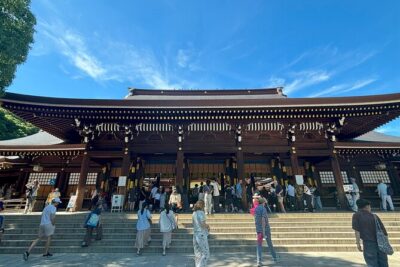
If you want your Tokyo day to start with a breather, Meiji Jingu is the right move. It’s just beside the busy Harajuku area, yet it feels like you’ve walked into a different world. The shrine is dedicated to Emperor Meiji and his consort, Empress Shoken, which gives the place a deeper sense than it usually gets in photos.
Practical note: this stop is free and typically doesn’t require long entry lines. It’s also a great spot for learning basic shrine etiquette without the pressure of figuring it out on your own.
Takeshita Street (Harajuku): fashion energy with an easy walk
Next door to Meiji Jingu, Harajuku and Takeshita Street are where Tokyo shows its youth culture—fashion, snacks, and quick hits of street style. This is fun if you enjoy people-watching and want an instant “wow, this is Japan” moment.
This stop is also free, so you’re spending time, not money. If you’re not into crowds, consider keeping it short and pairing it with Meiji Jingu for contrast.
You can also read our reviews of more private tours in Tokyo


Shibuya Sky: the viewpoint option that defines the modern skyline
Shibuya Sky is a 360° open-air observation deck on top of Shibuya Scramble Square. It’s the kind of view that turns your photos into something you can point to later and explain to friends.
But admission isn’t included. You’ll want to budget 2,700 yen for adults. It’s worth it if you want a dramatic, modern Tokyo panorama and you’re okay paying for the ticket. If your group is more budget-minded, you can skip it and still get plenty of skyline energy from other stops.
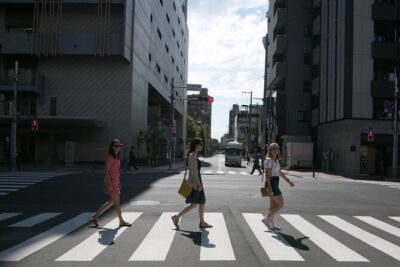
Shibuya Crossing: the photo moment, timed right
Shibuya Crossing is famous for a reason: it’s a convergence point where major crossing flows happen together. It’s also the kind of place where your photos depend on timing, since lights and crowds move in cycles.
This stop is free, so it’s an easy win as long as you treat it like a quick moment rather than your whole afternoon.
Tokyo Tower and Zojo-ji: old-school Tokyo with a temple side
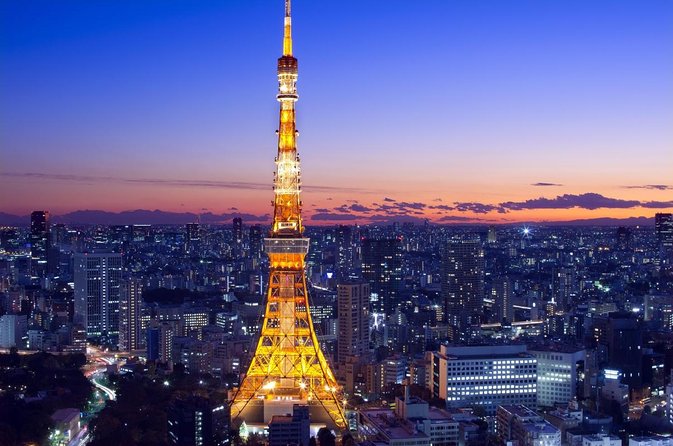
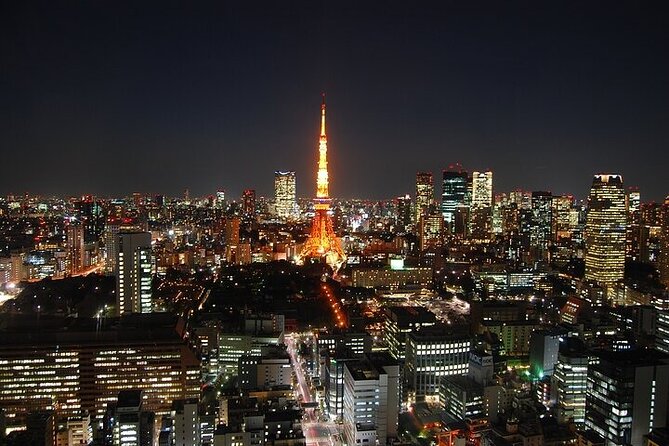
If you want Tokyo’s skyline in a more classic frame, Tokyo Tower is perfect. Built in 1958 and standing 333 meters tall, it’s a symbol of Tokyo’s post–World War II “rebirth” era. The location also pairs well with cultural context.
Next to it is Zojo-ji Temple, with grounds that include the mausoleum of the Tokugawa family. That combination is a good reminder that Tokyo isn’t only neon and towers. It’s also long memory and family lines tied to Japanese history.
Admission isn’t included for Tokyo Tower’s observation decks (listed as 1,500 yen for adults). If you pick Tokyo Tower, you’re basically choosing a traditional icon and a temple stop together.
Tsukiji Fish Market: outer-market atmosphere and food shopping
Tsukiji Fish Market is where you see how Tokyo cooks. The tour focuses on the outer market, where chefs shop for high-quality seafood. You get the energy of a working food district without needing fancy reservations or a formal restaurant booking.
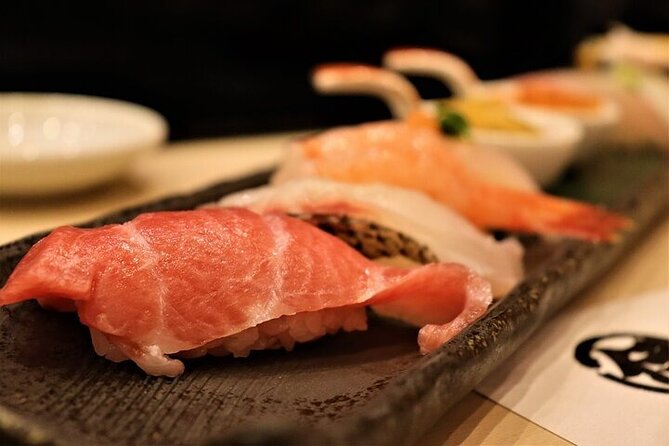
This stop is free in terms of the market tour walk. The best part is that it’s also a practical food lesson: the guide can point out what to look for, and in past tours Hiro has worked in a solid lunch plan. That has included sushi in the Tsukiji area and, for some days and requests, even ramen as a quick win.
Imperial Palace and the East Gardens: royal calm in the city
If Shibuya and Harajuku feel like Tokyo in “instant mode,” the Imperial Palace area gives you slow down time. The current palace sits on the former site of Edo Castle, which helps explain why Tokyo’s layout has so much layered meaning.
Most grounds aren’t open, but the East Gardens are accessible on select days. The stop itself is listed as free, so you’re paying mostly with time and walking comfort.
This is also one of those places where having a guide helps. Tokyo has a lot of rules you only learn by being told—where to go, what’s open, and what to expect.
Tokyo Skytree: the tall finish if you want maximum height
Tokyo Skytree is the big tall one in the East. It’s tied to broadcasting and is the centerpiece of Tokyo Skytree Town in Sumida City, not far from Asakusa.
But it’s not included. The listed admission is 2,100 yen weekdays and 2,300 yen holidays for adults. If you’re choosing only one tower day, Skytree can be your “big ticket” stop. If your schedule is tight, you might pick Tokyo Tower instead for a more classic feel, or skip both and save money.
Asakusa and Senso-ji: temple vibes plus street shopping
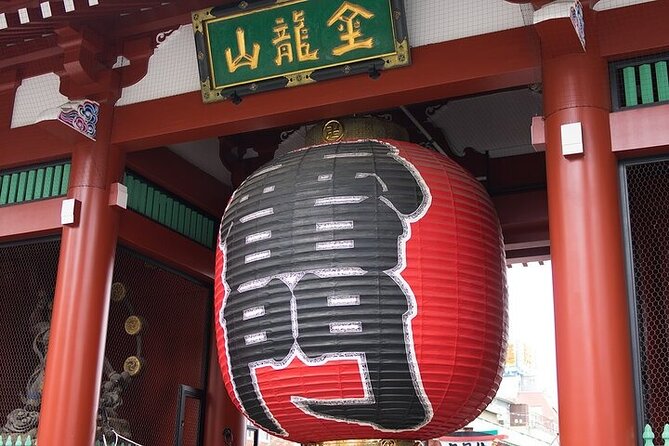
Asakusa is a neighborhood where you can feel Tokyo’s older soul. The classic anchor is Senso-ji Temple, one of Tokyo’s most colorful and popular temples.
Senso-ji is free to visit, and it’s an easy place to slow down. If you want a Tokyo contrast day, this is it: lantern-lit streets, souvenir lanes, and a temple you can understand even without speaking much Japanese.
Kappabashi (Kappabashi Dogugai): kitchen tools and fake food
Between temples and seafood markets, Kappabashi Street is the shopping stop that makes you smile. Stores sell kitchen equipment and paper supplies for restaurants, plus plastic food models that show passersby what dishes look like.
This stop is free and quick (listed as 10 minutes), so it works well as a “wrap” stop after temples. It’s a great place to pick up small gifts that aren’t mass-market souvenirs.
Shibuya vs. Asakusa: planning your day’s mood in advance
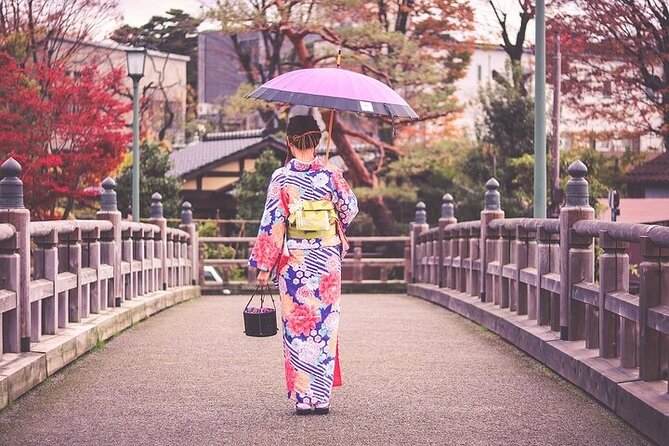
The itinerary offers both modern Tokyo (Shibuya, towers, skyscraper views) and traditional Tokyo (Meiji Jingu, Senso-ji, Imperial Palace). Your tour can feel very different depending on your mix.
A simple way to choose:
- If you want modern Tokyo energy, pick Shibuya Sky and Shibuya Crossing, then add one cultural stop like Meiji Jingu or Zojo-ji.
- If you want classic Tokyo culture, prioritize Asakusa/Senso-ji, then add Tsukiji for food and Imperial Palace for calm.
- If you’re deciding between towers, choose one based on ticket budget and which skyline style you want: Tokyo Tower (classic icon) or Skytree (maximum height).
Because you select around 3–4 sites, you won’t be forced to do everything. That’s the whole point: Tokyo is big. Your time is limited.
Price and tickets: where your money goes (and where it doesn’t)
At $108.99 per person, you’re paying for a private day with a licensed guide. The included parts are clear: the guide, a customizable walking tour of 3–4 sites from the list, and meet-up in Tokyo. Pickup is offered, and the tour uses a mobile ticket.
What usually adds cost:
- Transportation fees are not included. The listing suggests a 24-hour Metro Pass: 900 yen adult, 450 yen child.
- Major observation deck admissions are not included:
- Shibuya Sky: 2,700 yen adult
- Tokyo Tower observation decks: 1,500 yen adult
- Tokyo Skytree: 2,100 yen weekdays / 2,300 yen holidays adults
- Lunch is not included.
- Any extra facilities beyond the main sights could have their own fees.
For value, the math is simple. If you skip both observation decks and focus on free sites (Meiji Jingu, Harajuku, Shibuya Crossing, Zojo-ji, Tsukiji outer market, Imperial Palace area/free access points, Senso-ji, Kappabashi), the tour cost stays close to the base price. If you add one viewpoint ticket, expect a noticeable jump. If you add multiple, it’s still worth it, but now your “tour day budget” needs to include skyline entry fees.
Practical tips for riding Tokyo’s trains with less stress
Tokyo’s trains are excellent once you understand them. They’re chaotic if you don’t. This is why a guide matters.
A few practical lessons you can expect from a day like this:
- You’ll learn how to use the rail system efficiently, including which stations make sense for certain neighborhoods.
- You’ll get help planning station routes so you’re not stuck fighting endless stairs.
- In past tours, Hiro has found elevator routes when possible, which is a big quality-of-life factor in Tokyo.
Another useful angle: you don’t just follow a route. You learn how to think about it. That’s what makes your next day in Tokyo easier, whether you’re headed to a museum, a shopping area, or a neighborhood that isn’t on the standard postcard list.
And if your interests are niche or time-sensitive, the private format is your advantage. Hiro has shown flexibility for last-minute changes, including adapting timing for street events when schedules shift.
Who this private Tokyo highlights tour fits best
This tour works especially well if you:
- Are in Tokyo for a short trip and want a high-impact first day
- Prefer a guide who can adjust the plan for kids, adults, or mixed interests
- Want help navigating public transport without feeling lost
- Like the mix of modern and traditional Tokyo rather than only one style
It’s also a good choice for people who want to photograph Tokyo but don’t want to waste an hour figuring out where to stand and when to go.
If you already know exactly which places you want and you’re comfortable building a route on your own, you might not need a private guide. But if you want less friction, this tour is built for that purpose.
Should you book this private highlights tour with Hiro?
If your goal is a well-paced “best of Tokyo” day with real guidance, I’d book it. The strongest reason is the combination of private customization and practical transit help. That’s what turns famous places into a Tokyo you can navigate, not just a Tokyo you pass through.
I’d skip or downscale the viewpoint stops if budget matters. Free sights like Meiji Jingu, Senso-ji, Zojo-ji area, Tsukiji outer market, Shibuya Crossing, and Kappabashi can create a full day without heavy admission costs.
If you’re traveling soon, book early. It’s commonly reserved about 63 days in advance, and Shibuya-based meeting points make timing easy once your schedule is locked.
Bottom line: choose the stops that match your mood, add one paid skyline ticket if it fits your budget, and rely on the guide to make the logistics behave.
FAQ
How long is the private Tokyo highlights tour?
It runs for about 6 hours.
Is this tour private or shared?
It’s private. Only your group participates.
Where does the tour start?
The meeting point is Shibuya Scramble Square (2-chōme-24-12 Shibuya, Tokyo).
Can the itinerary be customized?
Yes. You can choose your walking tour sites from the available highlights list (about 3–4 sites).
What’s included in the price?
A licensed local guide, a customizable walking tour of selected stops, and meeting in Tokyo. Pickup is offered.
What is not included?
Transportation fees, lunch, and admission fees for paid viewpoints like Shibuya Sky, Tokyo Tower observation decks, and Tokyo Skytree.
Do I need to buy a metro pass for the tour?
Transportation fees are not included. The tour info lists a 24-hour Metro Pass price (900 yen adult, 450 yen child) as an option.
How does confirmation work after booking?
You’ll receive confirmation within 48 hours of booking, subject to availability.
What if I change my plans and need to cancel?
Free cancellation is available up to 24 hours before the experience starts for a full refund.