Tokyo hits different when you have a local plan. This 7-hour full-day tour strings together major sights and calmer spots, all with an English guide who knows how to move efficiently.
I like that it’s built around free-to-enter stops, so you’re not constantly paying admission just to stay on schedule. I also love the hands-on local coaching—public transport manners, what to watch for, and how to get around without stress. One thing to consider: it’s a lot of walking (the tour expects up to 20,000 steps), and it’s not a good fit if you’re dealing with low fitness, back problems, or pregnancy.
In This Review
- Key highlights worth your time
- Why this one-day Tokyo loop works on a first visit
- The guides: what they do beyond saying dates and names
- The walking plan: metro hops plus about 20,000 steps
- Stop-by-stop: Konbini culture, shrines, and the iconic Tokyo hits
- Seven-Eleven: Konbini culture that feels surprisingly Japanese
- Meiji Jingu Shrine: a forest pause inside the city
- Shibuya Hachiko and the neighborhood vibe
- Shibuya Scramble Crossing: the photo moment with real-time context
- Tsukiji Honganji Temple: a standout that isn’t just about seafood
- Tsukiji Outer Market: Japan’s kitchen, for real
- Imperial Palace grounds and Marunouchi: history meets the workday
- Tokyo Station: red-brick elegance and transit energy
- Akihabara and Asakusa: from neon pop culture to old Tokyo prayers
- Akihabara: Electric Town for anime and gaming fans
- Sensoji Temple and the Asakusa rhythm: Kaminarimon to prayer streets
- Asakusa Shrine: a quieter Shinto finish inside the same area
- How much does it cost, and why the value makes sense
- Who this tour suits best (and who should skip it)
- Should you book this Tokyo full-course tour?
- FAQ
- Where is the meeting point?
- How long is the tour?
- Is the tour offered in English?
- How big is the group?
- What is included in the price?
- What is not included?
- Are the attractions free to enter?
- Do I need an IC card for the metro?
- What should I bring?
- Is it suitable for children or people with mobility concerns?
Key highlights worth your time
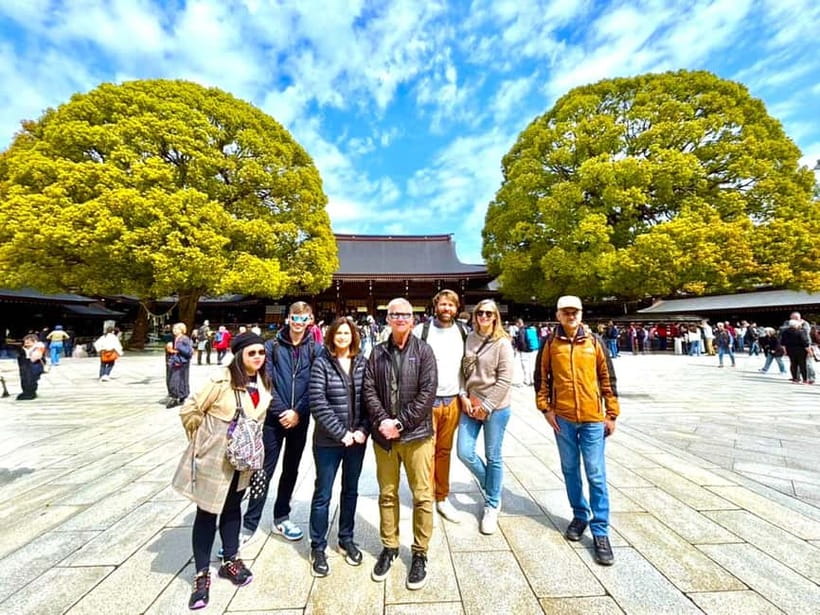
- Small group of 7: less crowding, more question time, easier pacing for photos.
- Free entry at every stop listed: you spend money on food and transport, not tickets.
- IC card and cash basics taught: you leave knowing how to pay and ride like a regular.
- Stop choices cover old Tokyo and modern Tokyo: shrines/temples and neon districts in one day.
- Guides like Sam and Yasuko: born-and-raised explanations with practical etiquette and easy map guidance.
- Metro hopping between areas: you see more with less backtracking.
Why this one-day Tokyo loop works on a first visit
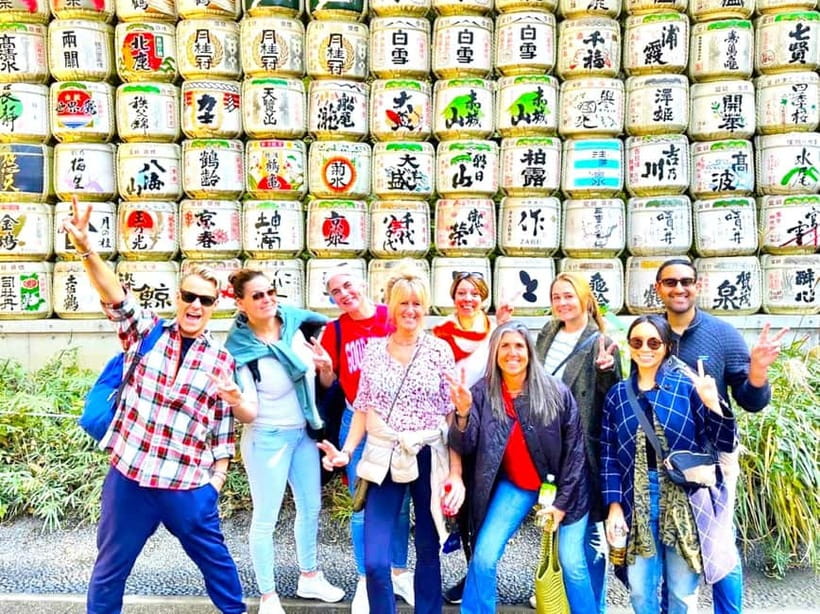
Tokyo can feel like you’re walking through layers of different cities. One minute you’re at a massive shrine; the next you’re in a maze of train lines and shop signs. This tour helps because it gives you a real route, not just a list of landmarks.
I like that it’s structured for your first day energy: you’ll learn the rhythm of the city—how people queue, how the stations flow, and how to keep your day moving on foot. You also get a practical sense of where you’ll want to return once you’ve caught your breath.
And it doesn’t waste time with only “photos only” places. You’ll also spend time in spots that make you slow down—like temple grounds, quiet shrine paths, and markets where you can actually feel what daily life looks like.
You can also read our reviews of more tours and experiences in Tokyo.



The guides: what they do beyond saying dates and names
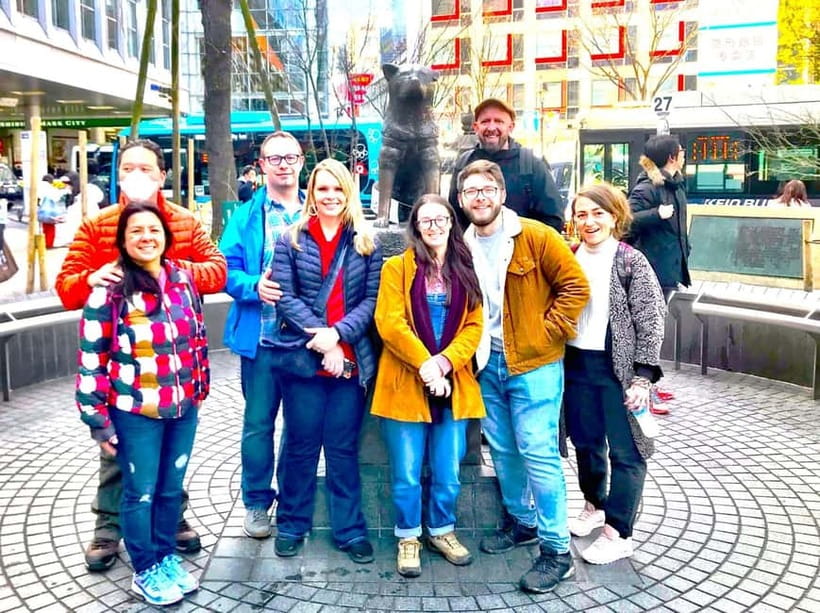
A great Tokyo guide doesn’t just recite history. They explain what to do with your body and your voice in public. On this tour, you’ll get that kind of guidance early, and it matters more than you’d think.
The guides are born-and-raised Japanese experts, and they’re trained to a high standard. In practice, that means you get clear answers and helpful context—not vague “this is important” statements. People mention guides like Sam and Yasuko, and the pattern is the same: strong local knowledge plus a friendly, organized way of moving through busy areas.
You’ll also hear practical etiquette points tied to what you’re seeing. For example, when you’re near religious sites, your guide helps you understand where to stand, how to behave, and how to respect the space without turning it into a classroom.
The walking plan: metro hops plus about 20,000 steps
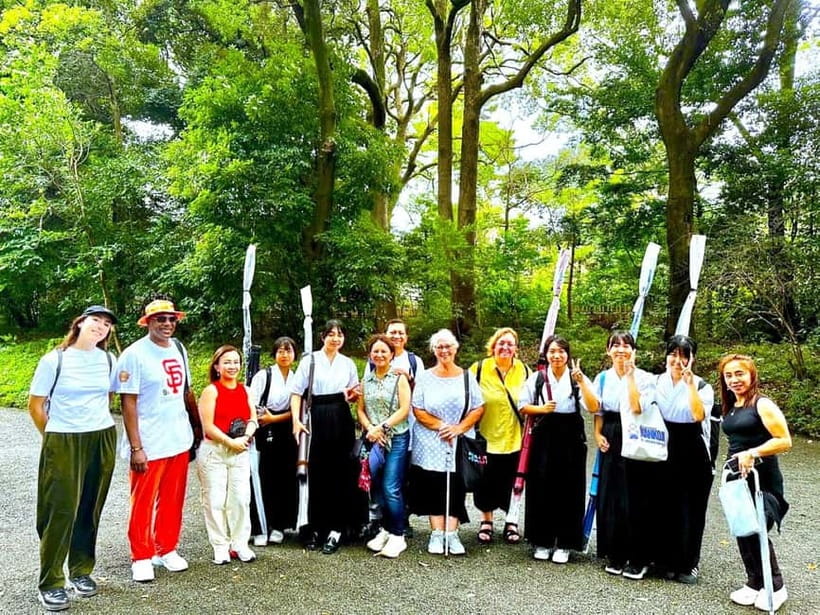
This is a 7-hour day that combines metro and on-foot walking. The important part isn’t the number on the schedule. It’s the reality that Tokyo is built for walking, and this route uses that strength.
What to bring:
- Comfortable shoes (sporty is best)
- A public transport ticket/IC card for metro travel
- Cash (JPY), since some shops and small spots use cash-only systems
You should also plan for weather. Rain happens. The tour expects you to bring an umbrella or raincoat as the day goes on. And because the day is time-tight, late arrivals can’t join once the tour departs—so show up at the meeting point with a little buffer.
If you’re the type who gets sore quickly, you’ll want to treat this like an active day. The tour isn’t listed as suitable for mobility issues, people with back problems, or anyone who finds long walking uncomfortable.
Stop-by-stop: Konbini culture, shrines, and the iconic Tokyo hits
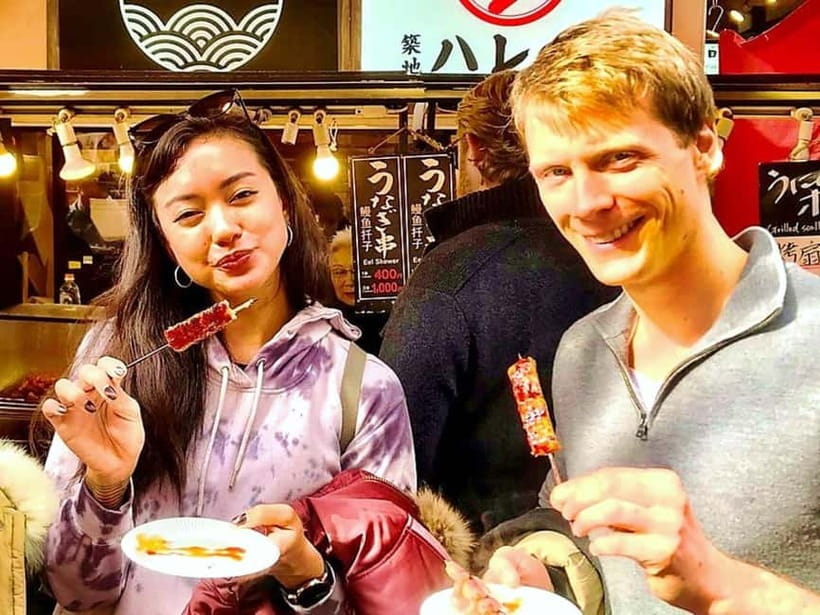
Below is the feel of the route and what each stop gives you. Think of it as two halves: traditional calm first, then big-city energy, then back to old Tokyo charm.
Seven-Eleven: Konbini culture that feels surprisingly Japanese
Most first-time visitors underestimate convenience stores. This stop helps you understand why. You’ll look at the way Konbini culture works—how these stores fit into daily life, and why they’re more than just a quick snack stop.
You don’t need to do a deep food tasting marathon here. The value is learning what’s normal in Tokyo and how to use a Konbini like a local: fast, practical, and usually easy even when language feels tricky.






Meiji Jingu Shrine: a forest pause inside the city
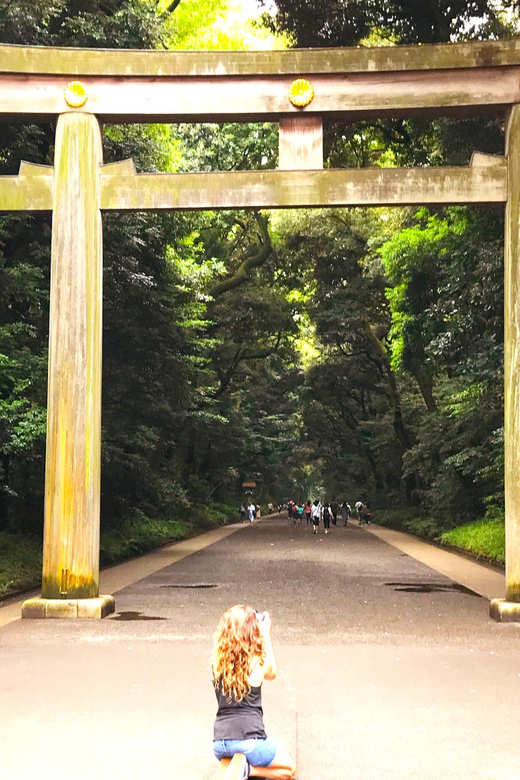
Then you shift to quiet. Meiji Jingu Shrine is a green break that makes Tokyo’s noise feel far away. Expect a serene walk through a forested approach where the air changes and people slow down.
This is a good moment for your brain to reset. It also teaches you a key Tokyo skill: you’re not just visiting sights—you’re learning how different parts of the day can require different behavior and energy.
Shibuya Hachiko and the neighborhood vibe
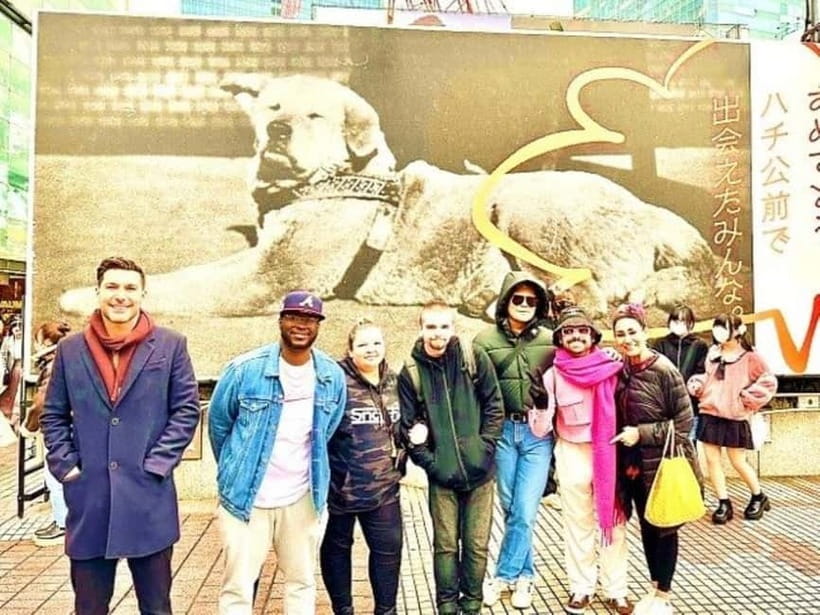
Next comes Shibuya. You’ll see the Hachiko statue and hear the story behind it. That story isn’t just cute—it’s a quick way to understand how loyalty and public memory work in Japanese culture.
From there, your guide helps you read the area. Shibuya isn’t one thing. It’s shopping streets, station chaos, and people-watching all stacked together. Having someone explain the local flow helps you avoid getting trapped in the wrong direction.
Shibuya Scramble Crossing: the photo moment with real-time context
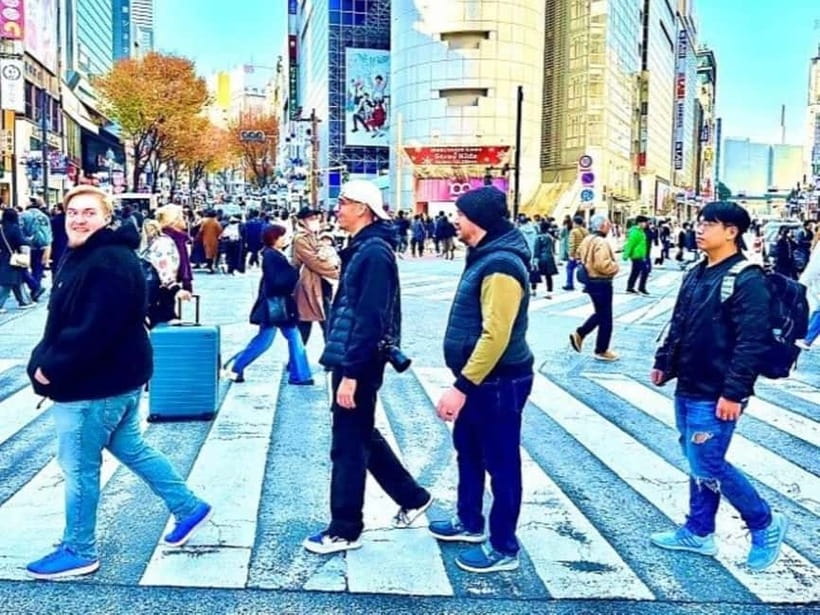
The Shibuya Scramble Crossing is the obvious stop—so why include it? Because it’s also the easiest place to practice what you’ve been taught about crowd movement and crossing etiquette.
You’ll get the classic moment, but you’ll also understand how to time yourself and not get spun around in the middle of the intersection. It’s a great stop to frame your Tokyo day: this is modern, loud, and designed for movement.
Tsukiji Honganji Temple: a standout that isn’t just about seafood
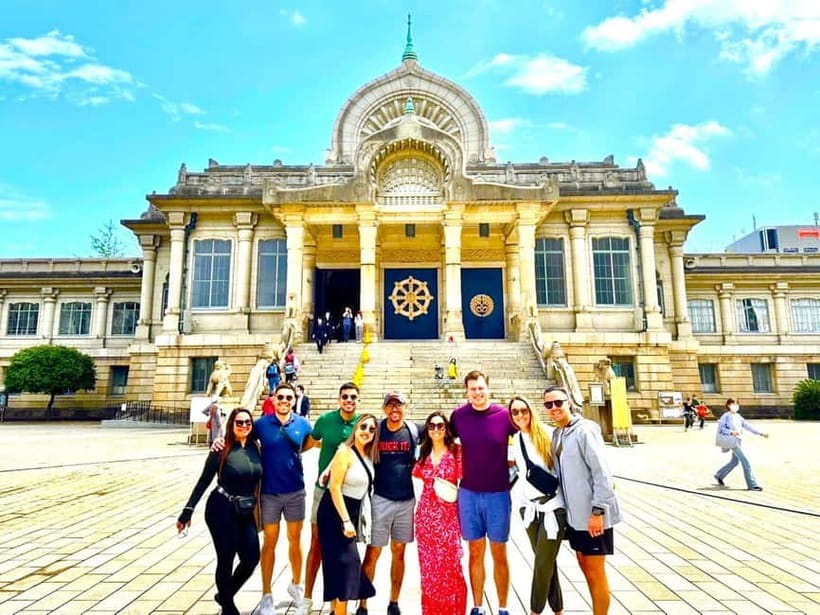
Tsukiji usually equals food. But Tsukiji Honganji Temple brings in a different kind of interest. You’ll see an unusual temple style with Indian-inspired architecture and stained glass details.
This stop is useful because it breaks the “only market, only snack” pattern. It gives your day contrast and helps you see Tsukiji as more than a tourist shopping zone.
Tsukiji Outer Market: Japan’s kitchen, for real
Now for the stomach. The Tsukiji Outer Market is where you can connect food with place—fresh seafood, Wagyu, and quick local bites. The point here isn’t that you must eat everything. It’s that you’ll understand what people come for and how the market feels in motion.
You’ll likely want to bring cash for purchases, since some stalls are cash-only. And because lunch at Tsukiji isn’t included, you can choose what matches your taste and your walking stamina.
If you’re vegetarian or vegan, the tour says options are always available. You’ll just want to ask your guide for suggestions that fit the places you can actually access on foot that day.
Imperial Palace grounds and Marunouchi: history meets the workday
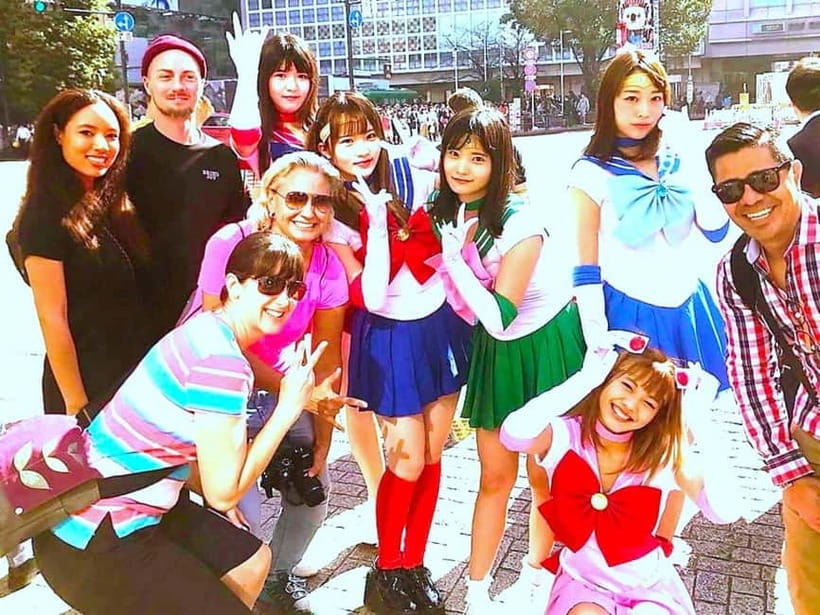
Tokyo has a dramatic “power and tradition” section, and this is it. You’ll visit The Imperial Palace, including walking parts of the grounds and seeing the stone walls that hint at old Edo Castle scale.
Then you move into Marunouchi, a district where sleek towers sit beside imperial-era scenery. This part of the tour is good if you like structure—wide streets, clean sightlines, and the sense that Tokyo can be both formal and modern in the same view.
Tokyo Station: red-brick elegance and transit energy
Next up is Tokyo Station, famous for its red-brick look. It’s both a landmark and a working hub, so you get that “icon as daily life” feeling right away.
This stop works especially well as a mental anchor. After you’ve seen stations and crossings all day, Tokyo Station helps you understand how the city’s architecture supports the flow of commuters.
Akihabara and Asakusa: from neon pop culture to old Tokyo prayers
These two areas are opposites, and that’s why they’re such a smart pairing.
Akihabara: Electric Town for anime and gaming fans
Akihabara is where Tokyo’s pop culture gets loud. This is a neon-heavy zone built for shopping and browsing—anime goods, games, and all the techy fandom energy that makes Akihabara famous.
This is also a good stop for souvenirs that feel specific to Tokyo, not generic. Because the tour day is tight, don’t expect to do a full shopping spree. Instead, treat it like a first scan so you know where to return later if something catches your eye.
Sensoji Temple and the Asakusa rhythm: Kaminarimon to prayer streets
Then you shift to Asakusa. You’ll visit Sensoji Temple, Tokyo’s oldest temple, and walk through the Kaminarimon Gate area, which is famous for dramatic entrance energy.
What you get here is old Tokyo texture: incense-like atmosphere, souvenir street motion, and the feeling that the city has a memory you can walk into.
Asakusa Shrine: a quieter Shinto finish inside the same area
Finally, you’ll end with Asakusa Shrine, which sits within the broader Sensoji area. It’s a calmer counterpoint to the busiest entrance streets.
This final stop is a nice way to close the day. You’ve seen modern Tokyo’s motion. Now you wrap with an atmosphere that feels slower and more grounded.
How much does it cost, and why the value makes sense
The price is listed at $77 per person for a 7-hour experience. The biggest value angle is that the tour states all attractions on the route are free to enter. That means your money goes to the guide and the day’s organization, not ticket fees.
You still pay for what’s not included:
- Metro and JR train fares (approx. 1,500 JPY / 10 USD)
- Food and drinks (lunch at Tsukiji, snacks)
So the honest math looks like: you’re paying for your guide’s route planning, local know-how, and time savings, then adding transport and meals on top. If you’ve ever tried building a Tokyo day yourself under time pressure, you know how expensive that “time” can feel. This tour gives you a ready-made path.
Small group size matters too. Limited to 7 participants, it’s easier for your guide to keep track of where everyone is and easier for you to ask questions without shouting over a crowd.
Who this tour suits best (and who should skip it)
This tour is a great fit if:
- it’s your first day in Tokyo and you want bearings fast
- you have limited time and you want a strong mix of iconic sights plus local-style guidance
- you like learning how to behave in public spaces, not just taking photos
It’s less suitable if:
- you’re under 13 (the tour notes it’s not suitable for children under 13)
- you’re pregnant or have mobility or back issues
- you have low fitness or are traveling with a cold
- you hate long walking days
If your travel style is “show me the highlights and teach me the system,” this tour matches that mindset.
Should you book this Tokyo full-course tour?
If you want a structured first-day Tokyo experience with a small group, strong local guidance, and free-to-enter stops, I’d book it. It’s especially worth it when you’re short on time and you’d rather spend your energy exploring than figuring out trains, entrances, and etiquette on your own.
I’d hesitate only if you’re not comfortable walking around Tokyo for hours, or if your health makes active days difficult. Otherwise, this is the kind of day that gives you a map in your head. Afterward, you’ll know which areas you want to revisit—and you’ll feel more confident doing it.
FAQ
Where is the meeting point?
Meet at JR Yoyogi station (West exit), outside the ticket gate at 1-chōme-34 Yoyogi, Shibuya City, Tokyo 151-0053.
How long is the tour?
The tour duration is 7 hours.
Is the tour offered in English?
Yes, the tour has a live English guide.
How big is the group?
The group is small, limited to 7 participants.
What is included in the price?
The price includes the professional guide fee and all taxes included.
What is not included?
Not included are transportation fares (Metro and JR train) and food and drinks (including lunch at Tsukiji and snacks).
Are the attractions free to enter?
Yes. The tour states that all attractions on the tour are free to enter.
Do I need an IC card for the metro?
Yes. You’ll need a transportation IC card such as Suica, Pasmo, or Icoca for Metro travel.
What should I bring?
Bring comfortable shoes, cash (JPY), and your public transport ticket (or IC card). Also bring rain gear since you’ll continue in rain.
Is it suitable for children or people with mobility concerns?
It’s not suitable for children under 13. It is also not suitable for pregnant guests, wheelchair users, and people with mobility or back problems.