REVIEW · TOKYO
Tokyo 8hr Private Tour with Government-Licensed Guide
Book on Viator →Operated by Japan Guide Agency · Bookable on Viator
Tokyo can feel huge fast. This private, government-licensed 8-hour walking tour helps you stitch the city together with a custom route built from the classic sights. I like that you get real orientation, not just checklists, plus a guide who can adjust the day as your group moves.
Two things I especially like: hotel-area meet-up for convenience and choosing 4–6 stops so you don’t get dragged through Tokyo’s most famous places in the wrong order. If you want a first-day view of contrasts—temples to tech to gardens—this format makes it easy.
One possible drawback: you should expect heavy walking and long station hops. In one example, a group logged around 22,000 steps, and the tour still works best when you’re comfortable moving.
In This Review
- Key highlights at a glance
- A licensed guide plus a flexible 8-hour route
- How pickup and walking between neighborhoods really works
- Choosing 4 to 6 stops: the menu of Tokyo must-sees
- Asakusa and Imperial Palace East Gardens: tradition with breathing room
- Shibuya Crossing, Harajuku Takeshita Street, and Akihabara energy
- Gardens and museums: where you slow down
- Tsukiji Fish Market: the short window that can still pay off
- Meiji Jingu and the “Tokyo religion lesson” moments
- Price and value: why $201.51 can be worth it
- Who this tour suits best (and who may want a different plan)
- Tips to make the day easier (and comfier)
- Should you book this Tokyo 8-hour private tour?
- FAQ
- Is this tour really private?
- How does hotel pickup work if it’s a walking tour?
- How many stops can I choose?
- Are entrance fees included?
- Does the tour include entering the Imperial Palace?
- Is Tokyo Tower access included?
- Will the guide speak English?
- Can I change my tour date?
Key highlights at a glance
- Government-licensed English guide who can explain what you’re seeing and how to act in sacred spaces
- Pick 4–6 stops from a menu that ranges from Asakusa to Shibuya to Akihabara
- Hotel-area meet-up (no private vehicle) plus public transport navigation support
- Many sights are free, while gardens and museum tickets may be extra
- A flexible pace that can include detours for photos, snacks, or shopping
- Great for first-time orientation, especially if you want to learn the subway rhythm
A licensed guide plus a flexible 8-hour route
This is built for people who want Tokyo to make sense quickly. Instead of one fixed bus-style itinerary, you select 4–6 sites and the guide shapes the flow so you spend your energy where it matters to you.
You’ll cover a mix of old and new Tokyo: shrine mornings, a temple or two, a major crossroads, and a neighborhood that feels like it has its own soundtrack. The best part is that you can choose the balance—more gardens and slow walks, or more neon and shopping streets.
A lot of guides lean into cultural details, not just names. For example, one guide’s style included explaining the simple customs around entering shrines and temples, which makes your visits feel more meaningful than a quick photo run.
You can also read our reviews of more guided tours in Tokyo
How pickup and walking between neighborhoods really works
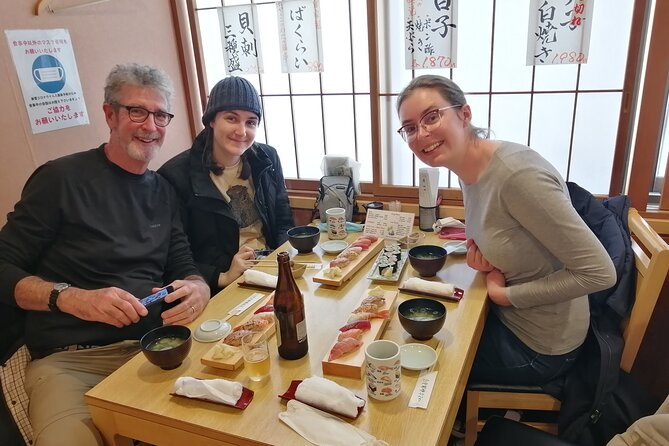
Despite the phrase hotel pickup, this is a walking tour. The guide meets you on foot within a designated Tokyo area, which usually means you’ll start close to where you’re staying. If you’re near major transit lines, that’s a big advantage because the day can flow without waiting on a vehicle.
You’ll also use public transport during the day. People describe walking between stations, taking trains/subways, and using trains efficiently when lines and crowds are working in your favor.
Practical takeaway: if you’re planning footwear, pack for pavement. Even when individual stops are short—like 5 to 30 minutes for certain photo moments—your day adds up.
Choosing 4 to 6 stops: the menu of Tokyo must-sees
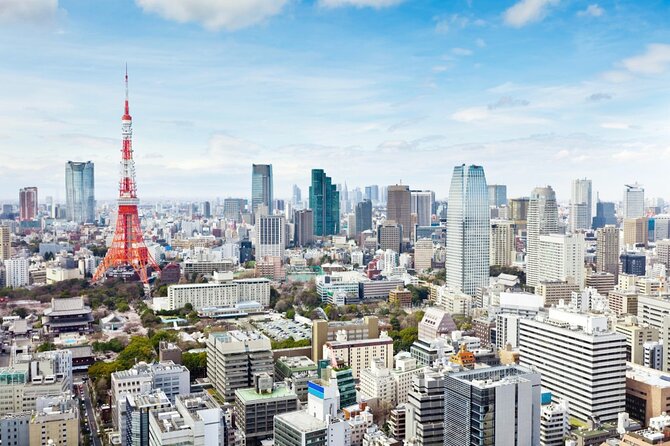
Think of the itinerary list as your stop menu. The tour is designed so you can build a “greatest hits” day or a theme day (culture, gardens, street life, tech).
From the menu, you’ll commonly see options like:
- Asakusa (including the area around Senso-ji)
- Imperial Palace area (with time in the park/gardens, not inside the palace)
- Shibuya Crossing (the Scramble)
- Shinjuku Gyoen National Garden
- Tsukiji Fish Market area
- Meiji Jingu Shrine
- Akihabara (electronics and gaming culture)
- Tokyo National Museum
- Koishikawa Korakuen, Hama Rikyu Gardens, Rikugien, and Yoyogi Park
- Harajuku’s Takeshita Street
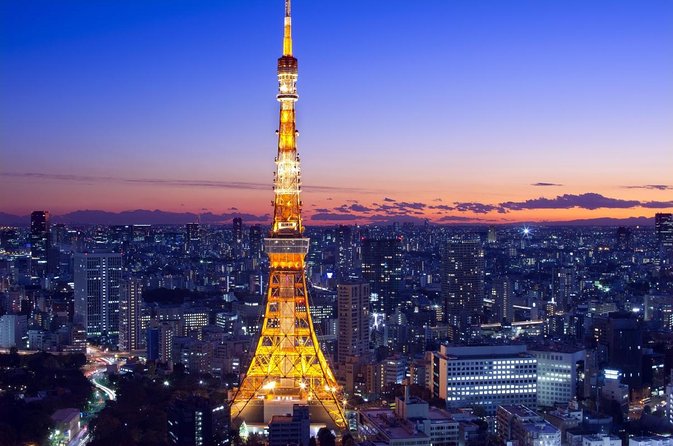
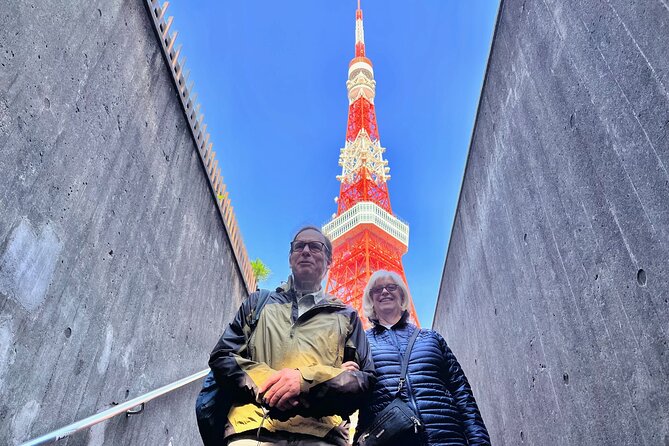
- Tokyo Tower (main deck only)
Here’s how the “4–6 stops” decision helps you. Tokyo sights are spread out, so fewer stops means you can actually see them. More stops can turn into a blur—fun, but exhausting.
Asakusa and Imperial Palace East Gardens: tradition with breathing room
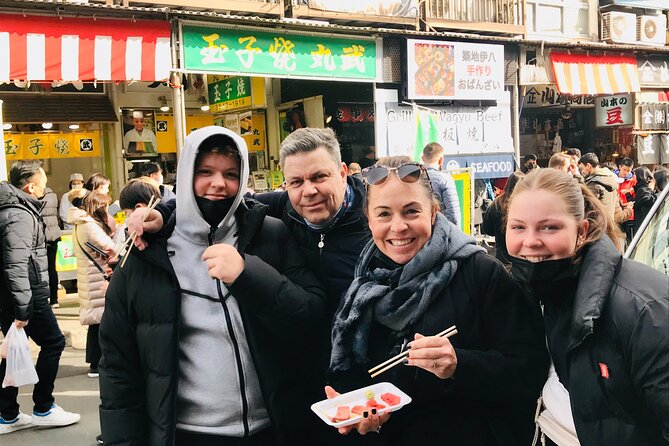
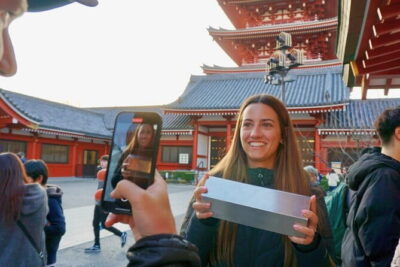
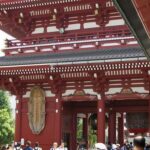
If you want a Tokyo “start strong” day, Asakusa is a smart anchor. This tour’s Asakusa time often pairs temple energy with a chance to wander the surrounding streets without rushing through everything. It’s also where you get that classic sensory mix—smells, crowds, and the kind of street texture that makes Tokyo feel real.
Senso-ji is on the list, and one big advantage of having a guide is knowing what’s worth slowing down for. Instead of treating the visit as a stop-and-go photo set, you can learn the background and then decide where you want your time.
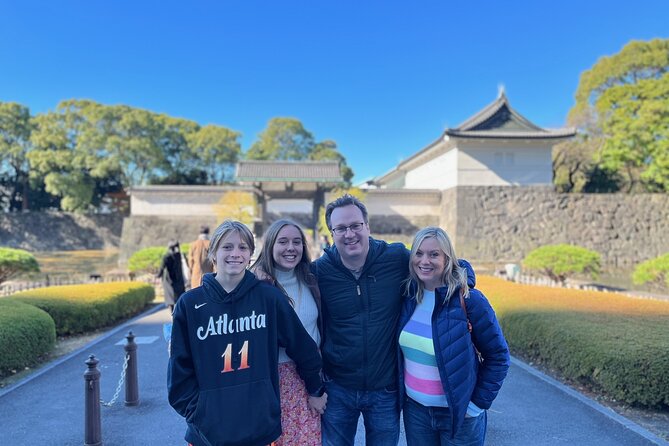
Then you can contrast that with the Imperial Palace area. The key detail: the tour does not include access inside the Imperial Palace, but it can include time in the surrounding park area and gardens. That matters because the moat-and-wall setting gives you scale, history, and calm without the special palace entry.
Shibuya Crossing, Harajuku Takeshita Street, and Akihabara energy
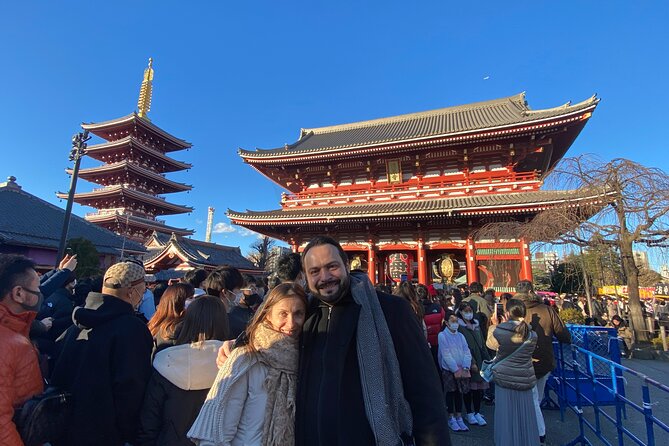
Tokyo’s “big city pulse” shows up hard here. If Shibuya Crossing is on your list, expect it to be a crowd-and-light experience. A guide’s role is more than pointing—it’s helping you time your photo moment and navigate the station maze without losing 20 minutes every time a train changes platforms.
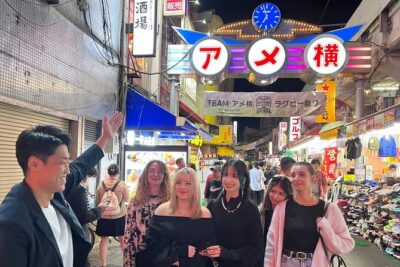
Harajuku’s Takeshita Street gives you the teenager-fashion snapshot. It’s short on time here in the menu, but that’s part of the charm: you get the buzz without needing hours to shop every storefront.
Akihabara adds a different kind of excitement. The list includes a quick pass, so you’ll likely focus on what you care about—electronics, anime/gaming culture, or just the vibe of the area. If your group has kids, this is often a great place to let interest set the pace.
One small but practical advantage from guides in this program: people describe help with subway navigation and even photo-taking during the day. That can be a real time-saver when you’re trying to keep a group moving.
You can also read our reviews of more private tours in Tokyo


Gardens and museums: where you slow down
Tokyo isn’t only concrete. This tour includes several garden options, and they’re worth picking because they break the day into “move” and “breathe” sections.
Some options that may appear on your route:
- Shinjuku Gyoen National Garden (admission not included)
- Koishikawa Korakuen Garden (admission not included)
- Hama Rikyu Gardens (admission not included)
- Rikugien Garden (admission not included)
- Yoyogi Park (admission free on the menu)
These gardens can be the difference between a day that feels like survival and a day that feels like travel. If you choose one garden, you’re also choosing a calmer pace, often with time to step away from major station areas.
Museums are on the menu too. Tokyo National Museum appears as an option (admission not included). If you care about art and artifacts, adding a museum stop can make the day feel balanced—less “photos only,” more context.
Tsukiji Fish Market: the short window that can still pay off
Tsukiji is famous, and that can make it feel like a trap: arrive too late, take a quick look, and leave without understanding the point. This tour gives you a structured, timed window—enough to see the market area atmosphere without turning it into an all-day commitment.
The menu lists Tsukiji with a short time block. That’s good for most first-day visitors, because you’ll already be tired from train connections. If you want the most out of it, arrive hungry for snacks and curious about what you’re seeing.
Also, the tour doesn’t include lunch, so you’ll likely build food into your own choices. The advantage of a guide is that they can suggest where the vibe matches your tastes—fast, sit-down, or something in-between.
Meiji Jingu and the “Tokyo religion lesson” moments
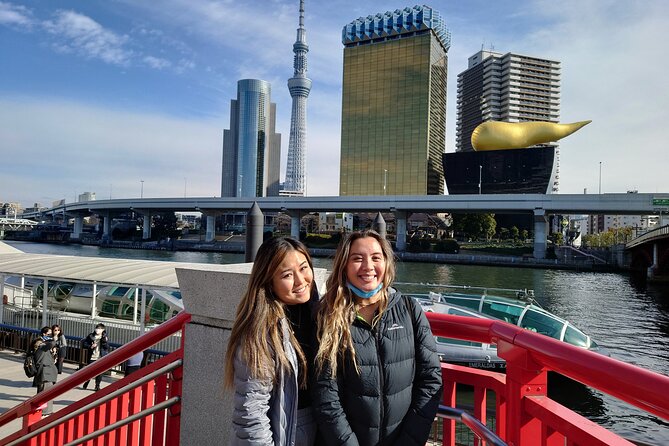
Meiji Jingu is one of the most practical places to visit with a guide because it’s both easy to reach and easy to understand once someone explains the setting. The tour includes Meiji Jingu Shrine with a short time window, which is enough for a walk through the entrance area and a meaningful pause if you’re guided on what to notice.
This is where customs details can matter. One guide’s approach included explaining the steps and meaning of purification before entering, which turns your visit from tourist mode into respectful participant mode.
Then you can swing back into the city’s rhythm—often pairing the shrine with a neighborhood stop later like Harajuku or Akihabara. That mix is a strong reason this tour works as an intro.
Price and value: why $201.51 can be worth it
At $201.51 per person for about 8 hours, you’re paying for three things: a private guide, the flexibility to choose 4–6 sites, and time saved navigating Tokyo.
Does it replace paying for transit and tickets? No. Transportation fees and many admission tickets are not included. Lunch isn’t included either, and some stops are free while others list admission as not included.
So where is the value?
- You avoid planning overload. Tokyo’s neighborhoods can be confusing if you’re trying to decide on your own.
- You get a guide who can explain what you’re seeing while you walk, so the day doesn’t turn into silent wandering.
- You can adjust in real time. People describe guides helping with weather changes, extra stops, and adapting pacing for family needs.
If your group includes seniors, kids, or anyone who gets stressed by crowded stations, the guide’s ability to route efficiently can easily justify the cost compared with solo planning.
Who this tour suits best (and who may want a different plan)
This tour fits you if you want:
- A first visit to Tokyo and an efficient orientation day
- A private format where you can pick the sights that actually match your interests
- Help learning train/subway basics so your next days feel easier
It can be less ideal if:
- You have limited mobility or you hate long walking days. It’s a walking tour, and step totals can get high.
- Your group expects mostly indoor museums or slow pacing with minimal transfers. The schedule is built around mixing neighborhoods, so movement is part of the package.
If you’re traveling with an elderly person or someone with knee issues, ask your guide early to set a slower rhythm. The tour is flexible, and some guides are known for checking how the group is doing during the day.
Tips to make the day easier (and comfier)
A few smart prep moves can upgrade the experience fast:
- Wear comfortable shoes and plan for pavement plus steps between transit stops.
- Bring a small water bottle or plan to buy water during the day, since you’ll be out for hours.
- If you care about certain sights, pick them first. Then add one “contrast” stop—either a garden or a loud neighborhood like Shibuya/Harajuku.
- If you’re nervous about subway navigation, tell the guide on day one that you want help with the basics. Some guides are known for teaching how lines work and how to move through stations efficiently.
Also, you may see options like Tokyo Tower where only the main deck is included, not the top deck. If the view from higher levels is a must, plan your expectations and discuss it with your guide during customization.
Should you book this Tokyo 8-hour private tour?
Book it if you want a private, structured intro to Tokyo with the freedom to choose your pace and priorities. The strongest reason to choose this format is that it saves you from the common first-day trap: seeing ten photos worth of sights while learning almost nothing.
I’d skip or consider a different plan if you want a low-walking day, or if your group’s priorities are mostly indoor, single-building destinations. In Tokyo, getting from A to B is part of the experience, and this tour leans into that.
If you can handle a full day on your feet, this is a great way to get oriented and leave Tokyo with clear mental maps—temples on one end, modern city life on the other, and calmer green breaks in between.
FAQ
Is this tour really private?
Yes. It’s a private tour/activity where only your group participates.
How does hotel pickup work if it’s a walking tour?
The tour includes a hotel-area meet-up for convenience, and the guide meets you on foot within a designated area. The day itself is still a walking tour, with public transportation used between neighborhoods.
How many stops can I choose?
You can customize the itinerary by choosing 4–6 sites from the list of options.
Are entrance fees included?
Some stops list admission as free, while others list admission as not included (for example, several gardens and Tokyo National Museum). Lunch and transportation fees are not included.
Does the tour include entering the Imperial Palace?
No. The tour includes time in the Imperial Palace area as listed, but it does not include access to the inside of the Imperial Palace.
Is Tokyo Tower access included?
Only access up to the main deck is included. The top deck is not included.
Will the guide speak English?
Yes. The tour includes a licensed local English-speaking guide.
Can I change my tour date?
Tour dates can be changed up to 2 days before the tour start time, and this may result in a change of guide or availability.