REVIEW · TOKYO
Tokyo: Yasukuni Shrine and Yushukan Museum Guided Tour
Book on Viator →Operated by DeepExperience · Bookable on Viator
Two Tokyo stops, one heavy subject. I like how Yasukuni Shrine turns Japanese war memory into a calm, reflective walk, and I like that the Yushukan Museum visit is built into the tour with included admission and a guide who gives the context behind what you see. One drawback: this is sensitive, and the sites are controversial—so come prepared for complicated feelings and hard historical questions.
This tour runs about 2 hours 30 minutes and works well if you want structure without rushing. I also like the mobile ticket convenience and the fact it’s a private tour for just your group, so you can ask direct questions without performing in front of strangers.
In This Review
- Key things to know before you go
- A 2.5-hour Tokyo plan for shrine memory and wartime artifacts
- Meeting at the First Torii: how to start without stress
- Yasukuni Shrine: what a guide helps you notice in 40 minutes
- Yushukan Museum: wartime exhibits explained with real context
- Guide-led questioning: why names like Kyo and Takashi matter
- Price and value: $84.70 for tickets, time, and interpretation
- Who this tour is great for (and who should think twice)
- Should you book the Tokyo Yasukuni Shrine and Yushukan Tour?
- FAQ
- How long is the Yasukuni Shrine and Yushukan Museum guided tour?
- Where does the tour start?
- What is included in the price?
- Is Yasukuni Shrine admission free?
- Is food or drink included?
- Where does the tour end?
- Is this tour private?
- How do I get my tickets?
- Will I get confirmation right after booking?
- Can I cancel for a full refund?
- Is the tour suitable for people with service animals?
Key things to know before you go
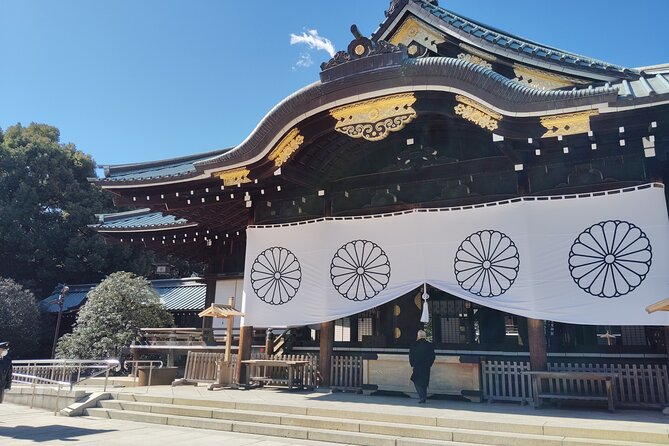
- Prebooked shrine entry saves your time even though the shrine admission is free
- Yushukan admission is included, so you’re not hunting for tickets mid-day
- You’ll cover Japan’s modern timeline with a guide-led explanation from the Tokugawa shogunate era onward
- Shinto and Buddhism show up in the talk, not just as background words
- A guide will handle tough questions without dodging the complicated parts of military history
- You need to plan around food, since nothing is included
A 2.5-hour Tokyo plan for shrine memory and wartime artifacts
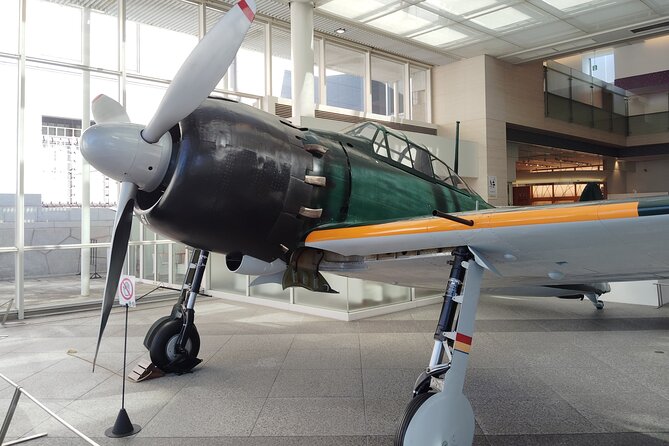
If your Tokyo itinerary is packed, this tour is a smart way to add meaning without turning it into a marathon. You get two connected experiences: a shrine that holds the memory of Japan’s war dead, and a museum that presents wartime history through exhibitions and artifacts. The pairing matters. Alone, you might see buildings and displays. With a guide, you start to see how people understood and recorded those events—and why interpretations can clash.
I also like the pacing. About 40 minutes at the shrine gives you time to look, pause, and listen. Then you move to the museum for roughly 1 hour 50 minutes, which is enough time to take in exhibits and still ask questions. If you’re the type who wants to know what you’re looking at (not just where to stand for photos), this structure fits.
One practical thought: this is not a light “look at pretty things” stop. It’s more like a history lesson with a solemn setting. Bring a calm attitude, and if you’re sensitive to war topics, consider going earlier in the day when your head feels clearer.
You can also read our reviews of more guided tours in Tokyo

Meeting at the First Torii: how to start without stress
Your tour start point is at Yasukuni Shrine, the First Torii (3 Chome-1-1 Kudankita, Chiyoda City, Tokyo 102-0073). It’s the kind of meeting place that helps you get oriented fast, because you’re not guessing which entrance a guide used last week.
Because the tour uses a mobile ticket, you’ll want your phone charged and ready. This kind of check-in is usually the quickest way to avoid delays. It also means less fumbling with printed passes in a busy Tokyo station area.
Transport-wise, the tour is near public transportation. That matters because you’re doing a fixed start at the shrine and then ending at the museum, so you don’t want to waste time with last-minute routing. Wear comfortable shoes too. Even though the stops are timed, you’ll still be walking in a shrine setting and moving through museum halls.
Yasukuni Shrine: what a guide helps you notice in 40 minutes
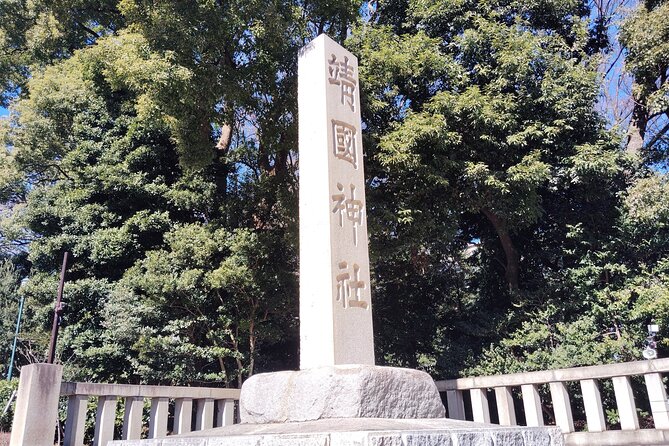
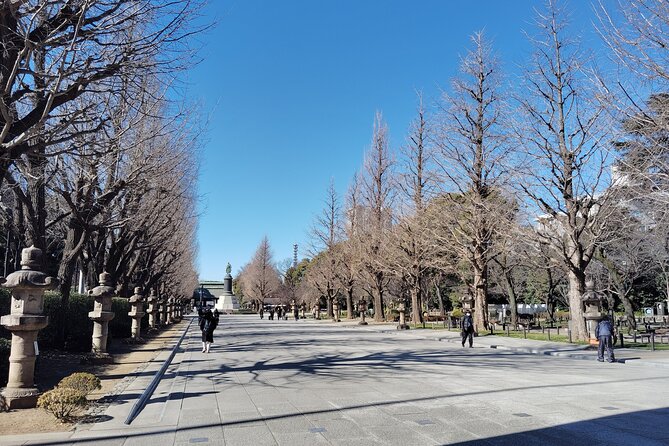
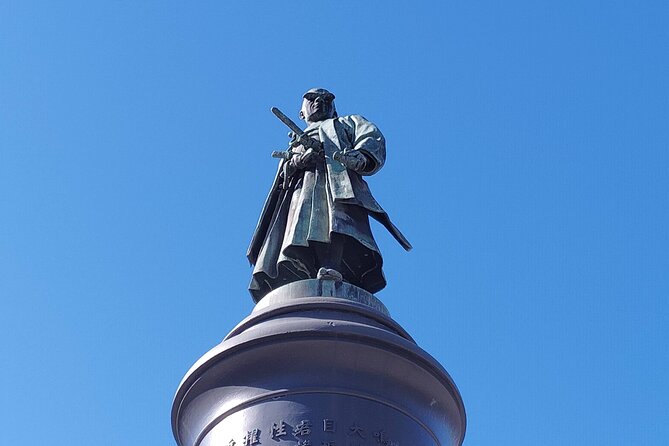
At Yasukuni Shrine, the main experience is reflective. The shrine is where Japan honors those who gave their lives in past conflicts, spanning from the Tokugawa shogunate era through World War II. With a guide, that range becomes more than a timeline on a sign. You’re guided through the background of the shrine and the millions of war dead enshrined there, which helps you understand why visitors treat it with such seriousness.
I especially appreciate that the guide doesn’t keep things abstract. In one tour experience, the group discussed the place of Shinto and Buddhism in Japanese culture, which adds a layer many first-time visitors miss. If you know the basics already, you’ll still enjoy hearing how a guide ties religious practice to how people remember history.
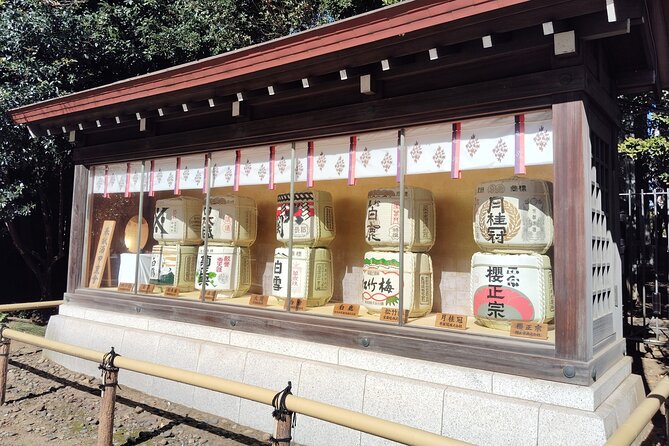
The shrine experience can also be visually detailed. In a private tour described with a guide named Takashi, there was extra attention to the garden and flower arrangements and how their significance is part of the overall atmosphere. That’s a good reminder: you can treat the grounds like a backdrop, or you can slow down and read the cultural cues.
A small caution: because the topic is controversial, your guide will be talking about memory, sacrifice, and historical framing. You might not agree with every interpretation you hear—and that’s okay. The best way to benefit is to ask questions that start with why and how rather than who’s right. You’ll leave with a clearer sense of how the shrine functions as a place of commemoration.
Yushukan Museum: wartime exhibits explained with real context
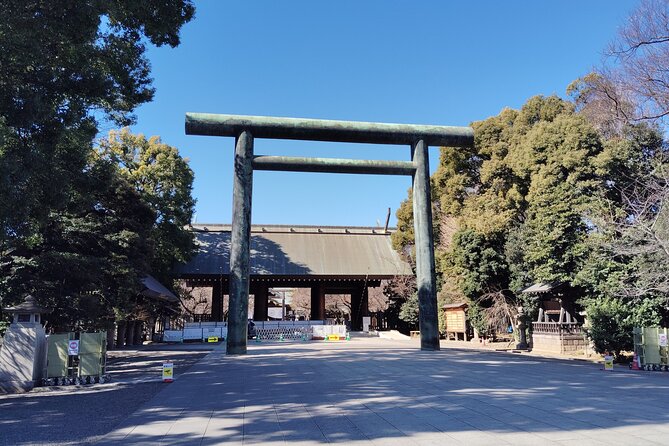
The second stop is Yushukan Museum, and this is where the “history classroom” feel gets stronger. Admission to the museum is included, so once you arrive, you can focus on the exhibits instead of logistics.
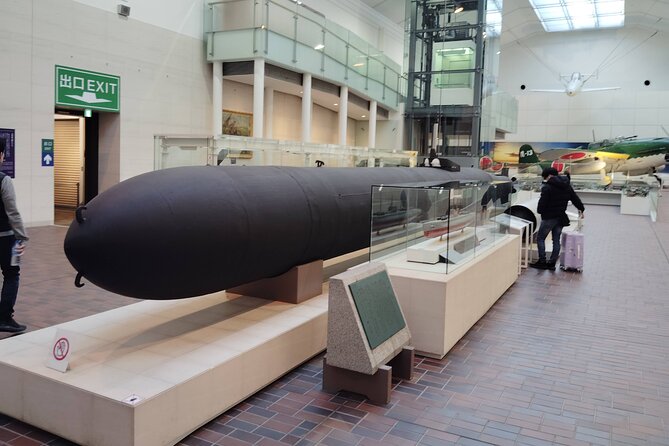
Yushukan is described as a poignant journey through Japan’s wartime history, with exhibitions and artifacts tied to conflicts and the stories of those who perished in battle. A guide helps connect the museum content to the shrine visit. That connection is valuable. Without it, museum displays can feel like separate blocks of information. With it, you start to see the bigger thread of how Japan presents wartime remembrance.
One guide named Kyo was praised for being extremely knowledgeable and for giving meaningful detail. Another guide, Takashi, was praised for answering questions and not shying away from complicated aspects of Japanese military history. That combination—clarity plus willingness to tackle hard questions—is what you want here. War history is not simple, and the museum is not built for one quick takeaway.
If you’re trying to make the museum visit “worth the time,” here’s what to do: pick a few themes before you go in. For example, focus on how the exhibits treat causes, experiences, and consequences. Then use your guide to explain what you’re seeing. In this tour style, you’re not stuck staring at labels—you can ask follow-ups as you go.
Guide-led questioning: why names like Kyo and Takashi matter
This tour stands or falls on the guide. The consistent theme in top feedback is that the guide doesn’t treat the subject like a script. In one experience, the guide Kyo was highlighted as extremely knowledgeable, with a calm command of the material. In another, the guide Takashi answered questions and directly addressed complicated aspects of Japanese military history.
That matters because Yasukuni and Yushukan aren’t just historical stops; they’re also places where people carry strong opinions. A strong guide can help you hold multiple ideas at once: the human cost of war, the way societies memorialize, and the reasons these sites remain debated.
You’ll also get a stronger timeline in your head. One tour description specifically called out an in-depth history lesson moving from the shogunate through the Meiji period. When a guide can stitch those eras into a single explanation, you stop feeling lost. You can place each part of what you see into a story that makes sense.
My practical advice: don’t rely on museum signage alone. Ask questions like:
- What am I supposed to understand from this exhibit?
- How does this connect to the shrine’s purpose?
- Why do people disagree about how these events are remembered?
If you do that, the tour’s 2.5-hour time block turns into real learning, not just a visit.
You can also read our reviews of more museum experiences in Tokyo

Price and value: $84.70 for tickets, time, and interpretation
At $84.70 per person, this isn’t the cheapest thing you can add to Tokyo. But it also isn’t trying to be. You’re paying for three key things:
1) Prebooked time-saving access at the shrine
Even when entry is free, waiting and figuring out where to go can waste your limited sightseeing hours. Prebooking plus a guide meeting you at a clear spot helps you use your time.
2) Yushukan museum admission included
That turns the cost into a simpler equation. You’re not adding surprise ticket fees later.
3) A guide who explains controversial, complicated context
This is the part you feel after you leave. Yasukuni and Yushukan are easy to visit and hard to interpret. Paying for interpretation is often the difference between “I saw things” and “I understand why those things matter to Japanese history and culture.”
There are also group discounts listed, which can improve value if you’re traveling with friends. And since it’s private for your group, you’re not fighting over speaking turns like you would in a large bus tour.
For best value, go into the experience with at least a small plan: decide what you want to learn (religious context, wartime history framing, or historical timeline). That way the guide’s time actually matches your interests.
Who this tour is great for (and who should think twice)
This tour is a strong fit if you want:
- Guided history rather than self-guided wandering
- A clearer sense of how Japanese commemoration and wartime memory connect
- Help understanding Shinto and Buddhism’s role in cultural framing
- Direct answers about complicated military history topics
It may feel like a poor match if you’re looking for a purely uplifting or casual outing. This is a place of remembrance tied to death and conflict, and the whole setup is described as controversial in the surrounding context. If you prefer upbeat stops or you’re trying to avoid heavy themes while traveling, you might choose something else.
That said, if you’re curious, thoughtful, and willing to listen—even if you don’t agree—you’ll likely get a lot from the guided structure and the time at both sites.
Should you book the Tokyo Yasukuni Shrine and Yushukan Tour?
I’d book it if you want a focused, efficient way to understand Japan’s war memory through two linked perspectives: the shrine’s commemorative space and the museum’s wartime exhibits. The biggest selling point is the guide-led explanations, including Shinto and Buddhism context and direct help with complicated history questions. With the prebooked entry at the shrine and included museum admission, you avoid common hassle and keep the day running smoothly.
I’d skip it if you’re avoiding political and historical controversy during your trip, or if you want a light itinerary. In that case, the emotional weight can outweigh the learning.
If you do book, go in with a question mindset, and give yourself permission to feel unsettled for a bit. That’s part of what these places are for.
FAQ
How long is the Yasukuni Shrine and Yushukan Museum guided tour?
The tour lasts about 2 hours 30 minutes, with around 40 minutes at Yasukuni Shrine and about 1 hour 50 minutes at Yushukan.
Where does the tour start?
Meet at Yasukuni Shrine, the First Torii (3 Chome-1-1 Kudankita, Chiyoda City, Tokyo 102-0073).
What is included in the price?
The price includes the Yushukan Museum admission fee and the guide fee, plus guided study of contemporary history surrounding Japan.
Is Yasukuni Shrine admission free?
Yes, the shrine admission ticket is listed as free, and the tour includes a prebooked entry ticket to save time.
Is food or drink included?
No. Food and drinks are not included.
Where does the tour end?
It ends at Yushukan Museum in Chiyoda City, Tokyo.
Is this tour private?
Yes. It’s listed as private, meaning only your group will participate.
How do I get my tickets?
The tour uses a mobile ticket.
Will I get confirmation right after booking?
You should receive confirmation at the time of booking.
Can I cancel for a full refund?
Yes. Free cancellation is available up to 24 hours before the experience start time for a full refund.
Is the tour suitable for people with service animals?
Service animals are allowed.
If you tell me your travel dates and whether you want a calmer history tone or you’re ready for tough questions, I can help you decide if this is the right fit for your Tokyo plan.