REVIEW · TOKYO
EXCLUSIVE Tokyo: Kichijoji Small-Group Food & Bar Hopping
Book on GetYourGuide →Operated by Hashigotabi · Bookable on GetYourGuide
Tokyo nights get real in Kichijoji. This exclusive small-group izakaya and bar-hopping experience puts you into the kind of places that can feel awkward to enter on your own, with a guide who helps you order, read the room, and connect with the neighborhood. What I like most is the access to locals-only spots (not just an English-menu circuit) and the way your host, often Hibi, turns the drinking-table customs into something you can actually use while you’re there.
That said, there’s one catch to plan for: drinks aren’t included, and you’ll want cash (coins especially). Also, if you’re strictly vegan, vegetarian, or need to avoid severe gluten cross-contact, this tour may not work for you.
In This Review
- Key Things You’ll Notice Right Away
- Kichijoji After Dark: Why This Neighborhood Works
- Meeting at Baskin-Robbins: Simple Logistics That Save Time
- Your Guide Hibi: Ordering Help, Etiquette, and Real Conversation
- Hashigo-zake Rhythm: How the 3 Hours Actually Flow
- Inside Each Izakaya: What You’ll Eat and Why It Feels Different
- Drinks, Money, and the Coin-Heavy Reality
- Cameras, No-Photography Signs, and Table Etiquette
- Price and Value: Why $109 Can Be a Good Deal
- Who This Tour Suits (and Who Might Want a Different Plan)
- Should You Book This Hashigo-zake Night?
- FAQ
- How much does the Kichijoji small-group food and bar hopping tour cost?
- How long is the tour?
- Where is the meeting point?
- How big is the group?
- How many places will we visit?
- Are drinks included?
- What should I bring?
- Can the tour accommodate strict vegan, vegetarian, or Celiac diets?
- What ages are allowed?
Key Things You’ll Notice Right Away
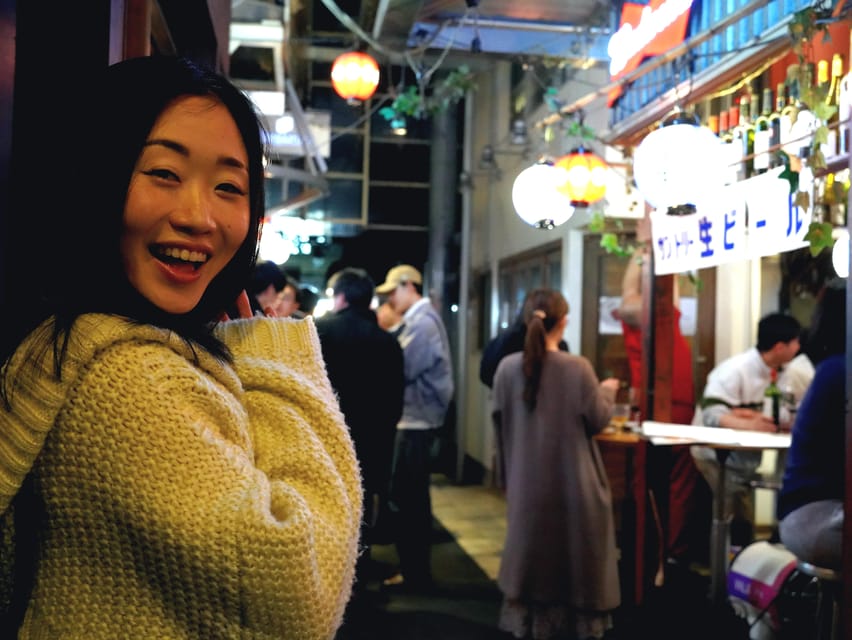
- Locals-only door openings: You’re not trying to blag your way into places with regulars-only energy.
- Small group size (up to 6): That matters because it helps the group fit into tighter “hole-in-the-wall” spots.
- Hashigo-zake pacing: You hop between 3–5 bars/izakaya without feeling rushed or lost.
- Hibi-style hosting: Friendly, conversational, and focused on getting you ordering and etiquette right.
- Food + drink guidance with a real budget in mind: Drinks typically run 400–700 yen each, so you can plan ahead.
- Kichijoji’s alleyway nightlife: Including areas visitors often miss, with a “stay off the tourist map” vibe.
Kichijoji After Dark: Why This Neighborhood Works
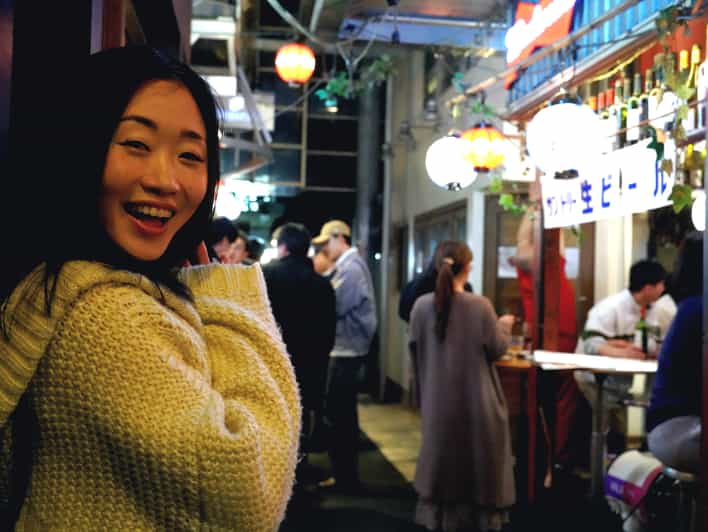
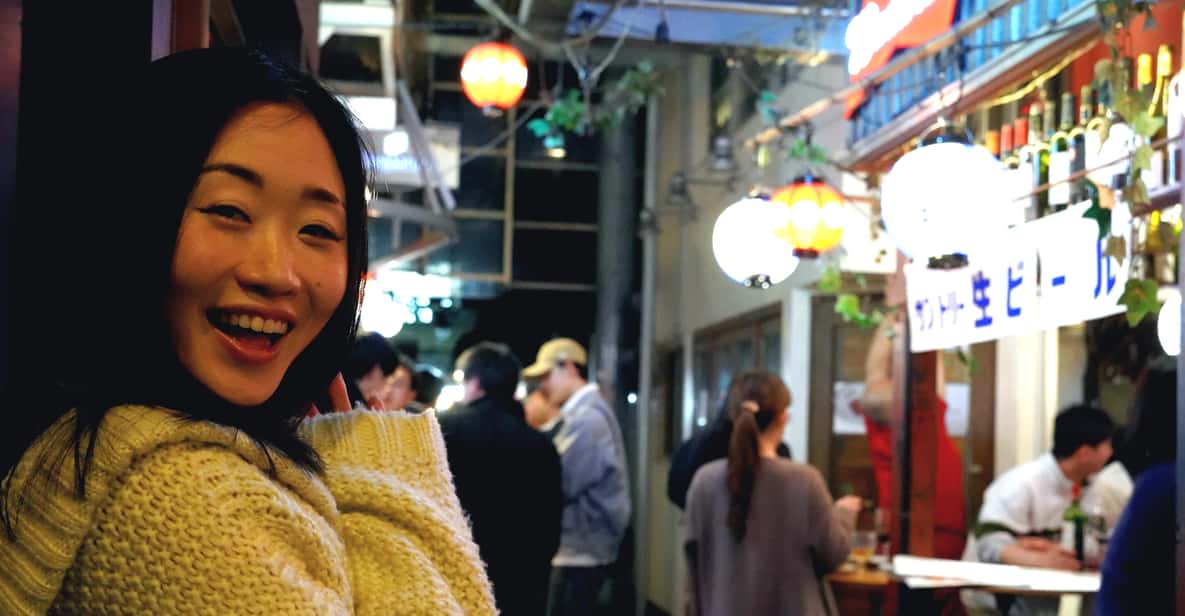
Kichijoji is one of those Tokyo neighborhoods that feels grown-up at night. You’re not stuck in the neon spectacle. Instead, you get narrow streets, side alleys, and a lot of everyday people heading to relaxed izakaya dinners and casual drinks.
This tour is built for that setting. Kichijoji is famous for Harmonica Alley, and the experience focuses on the area’s family-run bars and cozy spots that don’t cater to solo visitors. The vibe is important: you’re there for conversations, small plates, and the rhythm of Japanese drinking-table culture, not just “collecting” photos.
If you want Tokyo nightlife that feels local and lived-in, this is a smart match.
You can also read our reviews of more food & drink experiences in Tokyo


Meeting at Baskin-Robbins: Simple Logistics That Save Time
Your meeting point is easy to find once you know what to look for: take the north exit of Kichijoji Station and find a Baskin-Robbins near the bus stop. That’s your anchor.
Why I like this kind of meeting setup: it’s visible, it’s not a secret code, and it helps you start the night without stress. And since this is a timed, small-group tour, you’ll want to get there on time so the whole group can roll into the first stop smoothly.
Practical tip: wear comfortable shoes. Kichijoji’s best nightlife corners often involve a bit of walking between tight spots, and you’ll feel it after 3 hours.
Your Guide Hibi: Ordering Help, Etiquette, and Real Conversation
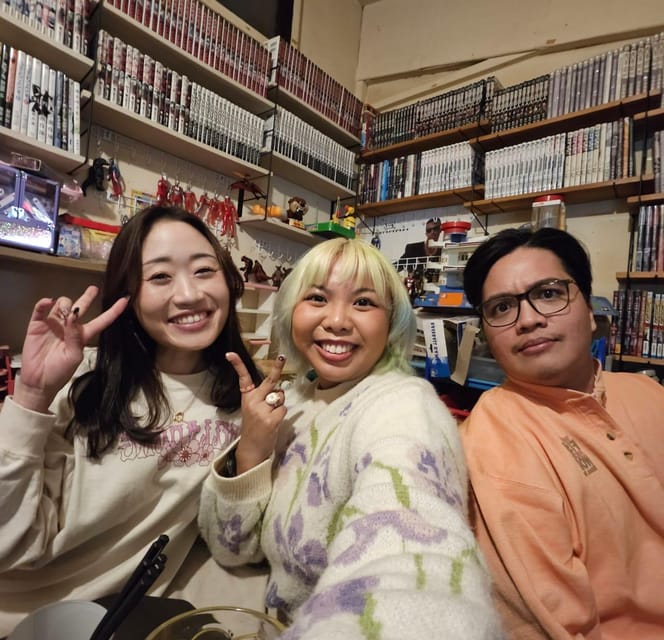
The star here is the guide-host dynamic. Your guide isn’t just there to translate menus; they also handle the social choreography that makes or breaks an izakaya night for foreigners.
From the info you’re given, you’ll get:
- Full interpretation from a bilingual guide (English and Japanese)
- Japanese drinking etiquette tips
- Useful Japanese phrase tips from a guide who also teaches languages
- Chat and cheers with locals in the area
In practice, that means you spend less time guessing and more time doing the fun part—eating, toasting, and asking questions. And the reviews consistently highlight Hibi’s style: friendly, knowledgeable in a human way, and good at turning ordering into an easy conversation instead of a challenge.
Also note the “tourist barrier” reality. Some places in Kichijoji can have no-photography signs or a regulars-only feel. With a trusted guide, you’re not walking in as a random stranger. You’re walking in as part of a planned, respectful group.
That changes everything. It’s the difference between hoping you’ll be tolerated and being treated like you belong for the evening.
Hashigo-zake Rhythm: How the 3 Hours Actually Flow
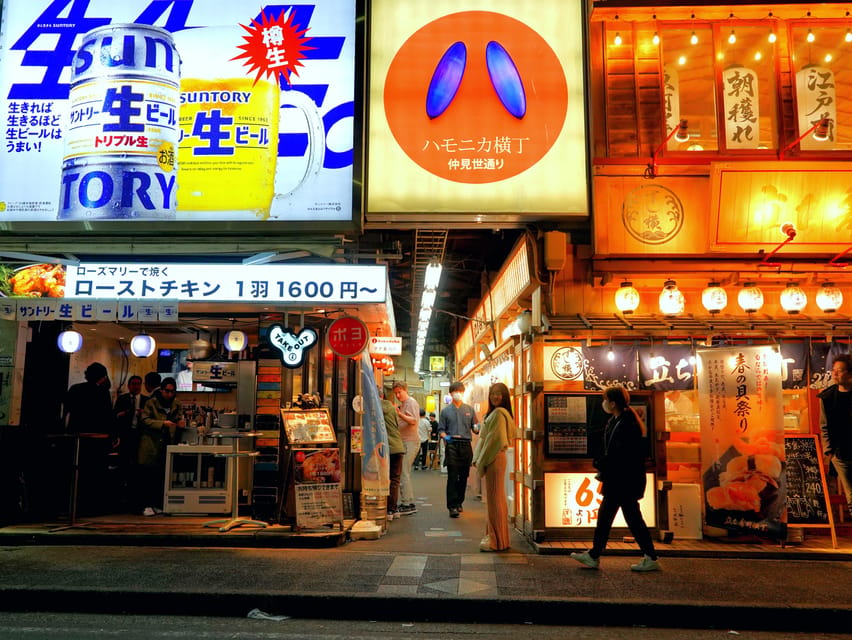
This is designed as a true bar-hopping experience—hashigo-zake—where you move from place to place while keeping the night coherent and enjoyable.
Here’s the structure you should expect:
- You start near the first landmark spot at the Baskin-Robbins meeting area.
- There’s a short photo stop (about 20 minutes), which helps you orient and settle into the neighborhood.
- Then you get a guided portion (about 20 minutes) that sets context for what you’re about to do and how to approach each table.
- After that, you spend the main portion of the night in Kichijoji (the full guided time is 3 hours total), hitting 3 to 5 izakaya and bar visits plus a local food-stall stop.
What makes this flow valuable is pacing. If you try to “wing it” alone, you can end up:
- Entering places that don’t want walk-ins
- Spending too long figuring out ordering
- Getting stuck in tourist clusters because you don’t know where to go next
Here, you’re guided through the rhythm so the night stays fun instead of logistical.
One more detail that matters: groups are limited to 6. That’s small enough for an intimate experience, but large enough to keep the energy lively. You can talk with your guide, compare what you’re eating, and still move efficiently between spots.
Inside Each Izakaya: What You’ll Eat and Why It Feels Different
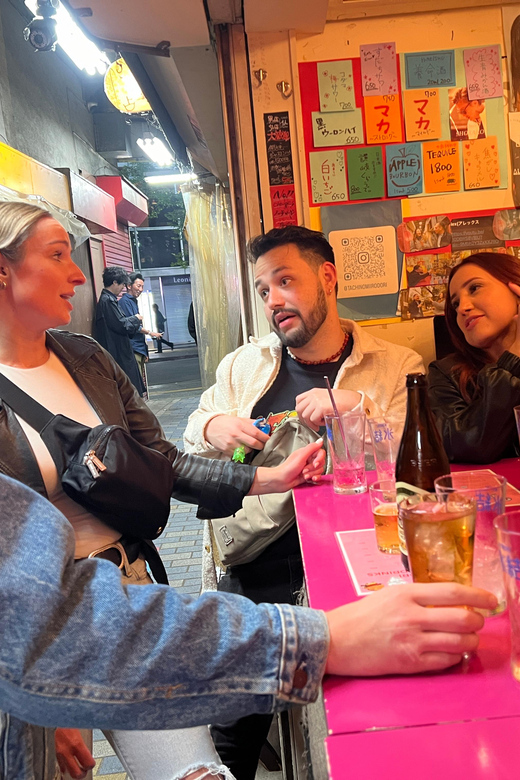
You’ll visit a set of local spots where food and drink are the main event—and where your guide’s recommendations steer you to the right items for each place.
What’s included:
- Local recommended food at each izakaya and stores
- Local food stall visits
- Japanese drinking etiquette tips
- The ordering guidance and interpretation that help you choose confidently
Because the tour is built for local culture, you can expect variety rather than the same menu at every stop. Each location is selected to show a different side of Kichijoji nightlife: different styles of bar snacks, small plates, and common izakaya staples that don’t always show up in the same way in tourist-focused areas.
Now, a quick reality check: the tour includes food, but drinks are not included. That’s not a scam—it’s actually good if you want control. Japanese bar culture is often about pairing what you eat with what you feel like drinking, and you’ll typically choose from drinks that are usually around 400 to 700 yen.
If you’re the type who likes to try a lot of small things, this format is fun. If you only want one drink total, you might feel like the night is calorie-light on liquids—so budget accordingly.
You can also read our reviews of more tours and experiences in Tokyo



Drinks, Money, and the Coin-Heavy Reality
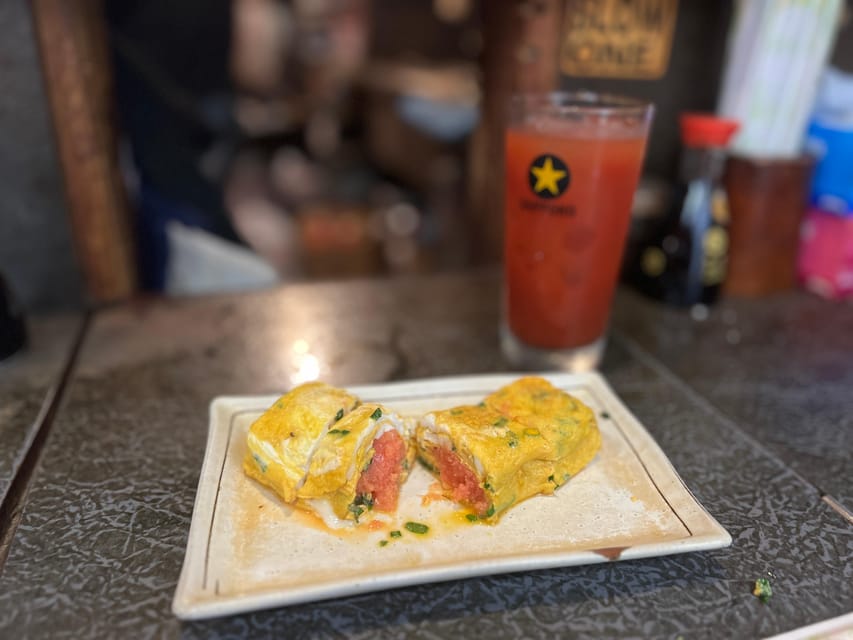
Bring cash, and bring enough of it to feel relaxed. The tour explicitly notes that you’ll need cash in the local bar area so bring a lot of coins.
This is one of those “Japan details” that can make or break your experience. When you don’t have the right payment method, you lose time and energy. Coins also tend to be part of the everyday flow in smaller places.
A sensible approach:
- Plan to pay for drinks (not included)
- Expect each drink to land roughly in the 400–700 yen range
- Bring extra coins so you don’t end up stopping the fun to find change
If you’re used to card-only travel, consider this your moment to go analog. It’s a small inconvenience that keeps the evening moving.
Cameras, No-Photography Signs, and Table Etiquette
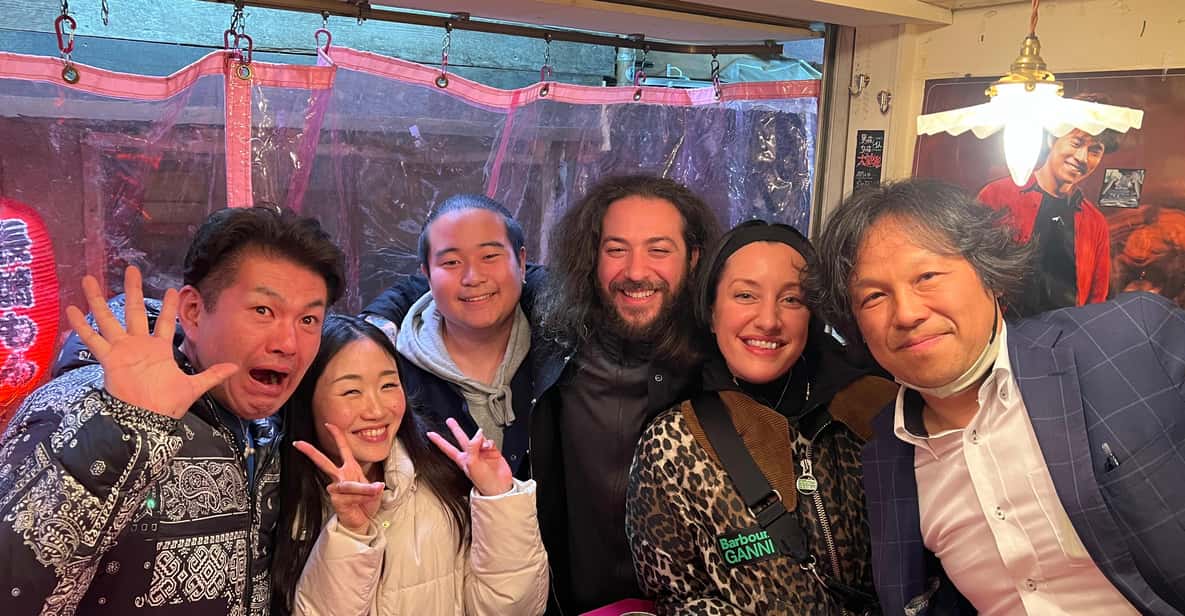
A lot of izakaya culture is social and situational. Some places can have no-photography signs, and some have a regulars-only vibe that feels intimidating at first.
That’s exactly why this tour exists. Your guide helps you read those cues and follow the local rules without making it awkward. You’ll also receive drinking etiquette tips and phrase tips so you’re not just “pointing and hoping” at the menu.
Practical camera advice: if you bring a camera, be ready to put it away when signs or body language say so. In tight spaces, you’ll get better results by being respectful first and curious second.
Price and Value: Why $109 Can Be a Good Deal
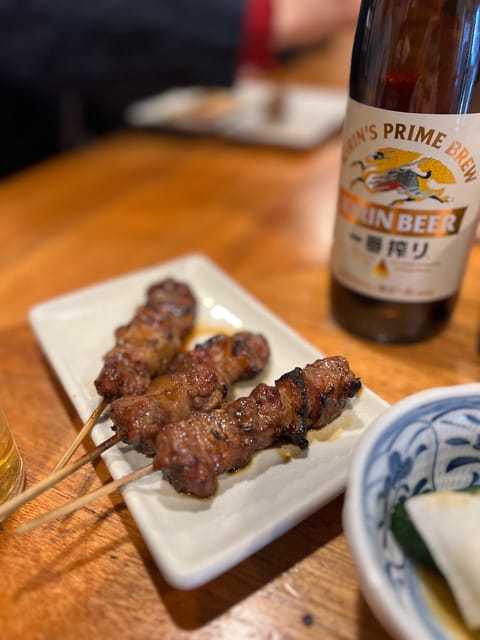
At $109 per person for about 3 hours, the price sounds simple—but the value comes from what you’re buying.
You’re not just paying for food. You’re paying for:
- Access to spots that can feel closed to solo visitors
- A small-group structure that lets you fit into tighter places
- Multiple stops (3–5 izakaya and bars plus a local food stall)
- Full interpretation and practical etiquette guidance
- Ordering help so you’re not wasting time translating or guessing
Also, because drinks aren’t included, you avoid the common problem of “bundled drinks” where you don’t like what you’re stuck with. Instead, you can choose based on the food you ordered and your personal taste.
So the math usually works like this:
- The base tour covers the planned food experience and guide support.
- You add drinks based on what you actually want.
- The guide’s local access can save you the cost of time, wrong-door frustration, and missed spots.
If you want a uniquely local night in Tokyo without turning it into a research project, this price can be fair.
Who This Tour Suits (and Who Might Want a Different Plan)
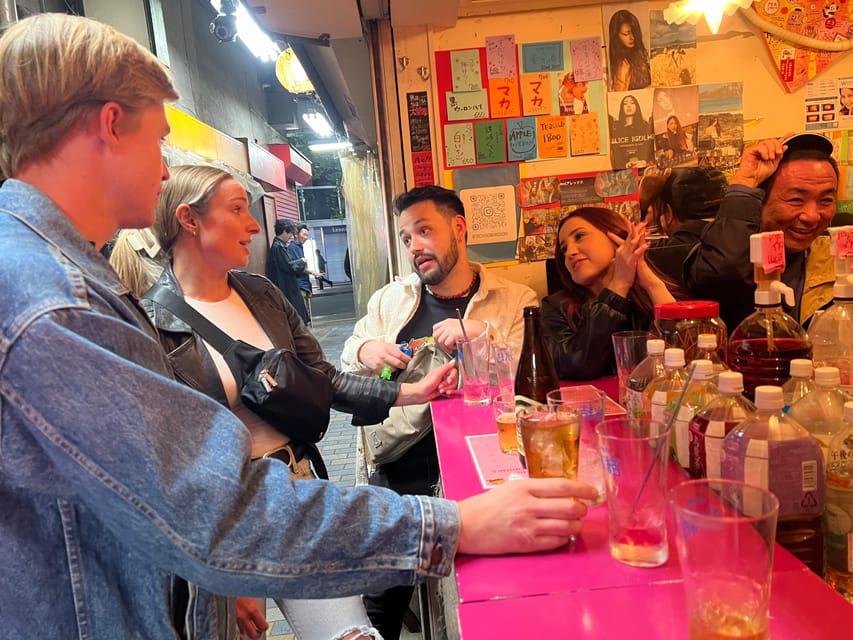
This tour is a great fit if you:
- Want an authentic izakaya/bar-hopping night in Kichijoji
- Prefer small groups and a guided plan over wandering
- Enjoy learning practical etiquette and trying local specialties
- Like conversation as much as food
It may not be ideal if you’re:
- Strictly vegan or vegetarian
- Managing severe gluten restrictions (Celiac)
- Traditional kitchen methods can limit safe options
- Under 20 years old for public tours
- The tour notes age 20+ only for public tours, while all ages are welcome for private tours.
If you fit the dietary needs loosely, contact the booking team ahead of time. The tour says you should notify them at booking so they can discuss options.
Should You Book This Hashigo-zake Night?
I’d book this if you want Tokyo nightlife that feels like Tokyo—less staged, more lived-in. The combination of small-group size, guided ordering and etiquette, and the ability to enter places with locals-only energy is exactly what makes this type of night worth paying for.
Skip it (or consider a different option) if you hate cash payments, refuse extra drink spending, or need strict dietary accommodations that the tour can’t guarantee.
My decision checklist:
- You’re excited to try 3–5 local drinking/eating stops.
- You’re willing to bring coins and follow house rules about cameras.
- You’re 20+ for a public tour.
- You’re okay with drinks being extra and chosen on the night.
If those boxes fit, this is the kind of Kichijoji evening you’ll remember for the feeling more than for the souvenir photos.
FAQ
How much does the Kichijoji small-group food and bar hopping tour cost?
The price is $109 per person.
How long is the tour?
The duration is 3 hours.
Where is the meeting point?
Meet at the north exit of Kichijoji station, near the bus stop at a Baskin-Robbins.
How big is the group?
It’s a small group limited to 6 participants.
How many places will we visit?
You’ll visit 3 to 5 izakaya and bar visits, plus a local food stall visit.
Are drinks included?
No. Drinks are not included, and recommendations usually run about 400 to 700 yen.
What should I bring?
Bring comfortable shoes, a camera, and cash (coins help for the bar area).
Can the tour accommodate strict vegan, vegetarian, or Celiac diets?
No strict vegan/vegetarian options and no severe gluten/Celiac allergy accommodations are listed due to traditional kitchen methods. If you have flexible needs, you should notify the team at booking.
What ages are allowed?
For public tours, it’s age 20+ only. All ages are welcome for private tours.