REVIEW · TOKYO
Make traditional sweets “Nerikiri” and Matcha in Shibuya
Book on GetYourGuide →Operated by MumJapanese sweets studio · Bookable on GetYourGuide
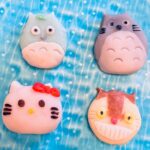
Nerikiri turns craft into edible art. In Shibuya, I like how this class blends traditional Japanese sweets with real creativity: you choose designs, shape them by hand, and even make an original version with seasonal motifs or fun characters.
Two things I really like: the table-style tea ceremony with matcha plus premium sweets from across Japan, and the step-by-step coaching that comes with a written recipe you can keep. One possible drawback is the tight format: it’s 90 minutes, so if you want a long sit-down food experience, this can feel short.
In This Review
- Key things to know before you go
- Nerikiri in Shibuya: what you’re really learning
- Getting there fast: Omotesando meeting point and the 20-second walk
- The Nerikiri workshop: from sample shapes to your own edible design
- The tea ceremony setup: matcha at your table, paired with premium sweets
- What the tasting teaches you about Japanese sweets (without the fuss)
- Price and value: where your $46 goes
- Who should book this Nerikiri and matcha class
- Small group energy: what “limited to 4” changes
- Timing tips: fit it into a Shibuya and Harajuku day
- Should you book the Nerikiri and matcha class in Shibuya?
- FAQ
- How long is the Nerikiri and matcha experience?
- How much does it cost per person?
- Where do we meet for the experience?
- Is the class in English?
- What time options are available?
- What will I make during the Nerikiri session?
- What is included besides the Nerikiri?
- Is this experience suitable for vegans or vegetarians?
- Is it wheelchair accessible?
- Who can participate, and is smoking allowed?
Key things to know before you go
- Small group size (up to 4) means you get hands-on time instead of watching from the sidelines
- Four Nerikiri styles: you’ll make several preselected shapes and then design your own
- Take-home sweets so you’re not just tasting and leaving
- Matcha at the table paired with premium sweets selected from all over Japan
- Suitable for vegans and vegetarians, so it’s easier to enjoy even with dietary limits
- English and Japanese instruction, with a host (including Hannah, per recent experiences) who guides clearly
Nerikiri in Shibuya: what you’re really learning
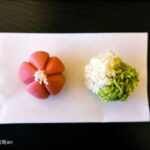
Nerikiri is the kind of Japanese sweet that looks too pretty to eat—until you realize it’s designed to be handled. It’s made with sweet white bean paste mixed with glutinous rice flour or yam, then shaped into smooth, sculpted forms. The beauty is that you’re not just decorating something. You’re changing texture and form with your own hands, which is exactly why the process feels so satisfying.
In Shibuya, this workshop turns that traditional technique into something approachable. You start with sample designs, then move into your own original idea. That shift matters. You get guided practice first, then you’re trusted to make choices.
The matcha part is the other half of the experience. The tea ceremony here is table-style, not the kind where you’re supposed to know etiquette already. You’ll be served matcha along with a selection of premium Japanese sweets, and the timing is set up so you can taste and compare while everything is fresh.
You can also read our reviews of more tours and experiences in Tokyo


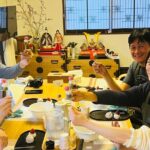
Getting there fast: Omotesando meeting point and the 20-second walk
This class is in Tokyo’s stylish pocket around Omotesando, and the logistics are refreshingly simple.
You meet at CHUMS Omotesando at 5-2-21 Jingumae, Shibuya City, Tokyo, specifically in front of the Brown building. From there, you walk together to the studio—just about 20 seconds away.
Why this matters: Shibuya and Harajuku are full of people and distractions, and a long, complicated meetup can ruin the start of an experience like this. Here, you’re in and settled quickly, and you’re not spending your class time playing navigation games.
The Nerikiri workshop: from sample shapes to your own edible design
The workshop runs 90 minutes, with start times at 9:00 AM, 1:00 PM, and 3:30 PM. Within that time, you’ll work through the main Nerikiri steps: choosing designs, shaping, and then creating your own.
Here’s how the experience is structured.
First, you pick from sample designs. You’ll make three different shapes from the options provided. The instructor helps you get the technique down so the texture stays workable and your shapes hold their form.
Next, you design an original Nerikiri sweet. This is where the class feels most personal. You’re encouraged to choose your motif—often something seasonal like flowers or leaves, or a character-style idea, depending on what’s available in the design set.
One practical detail I appreciate: everything you make can be taken home. That changes the feel of the class. You’re not trying to rush “pretty” for a photo and then toss it. You’re making something you can enjoy later with tea, or share with someone who didn’t join you.
Also, the class is taught in English and Japanese, and it’s set up so you can follow along step-by-step. Recent feedback highlights that the guidance is clear enough that you’re not stuck guessing what your hands should do next.
The tea ceremony setup: matcha at your table, paired with premium sweets
After the Nerikiri shaping, you sit down for a table-style tea ceremony. You’ll have matcha served with a selection of premium Japanese sweets.
This is not just a “sit and watch” moment. The way it’s timed and served makes tasting part of the learning. You’re encouraged to compare flavors across the sweets you’re given, so you start to notice differences that you’d miss if you only ate one item.
From the class notes you’re given, matcha isn’t treated like a generic drink either. It’s paired with sweets chosen from all over Japan, which is the point. You get a mini tasting flight, so you can begin connecting style, sweetness level, and texture to what you’re eating.
Recent experiences also mention that the host provides a written recipe, which is a big deal if you want to recreate the feeling of the workshop later at home. Even if you never make Nerikiri again, the recipe helps you understand what you just did and why it worked.
What the tasting teaches you about Japanese sweets (without the fuss)
A lot of food tours stop at the delicious part. This one leans into the comparison.
When you taste Nerikiri and then move into matcha and other premium sweets, you start noticing:
- How sweetness feels different depending on texture, not just sugar level
- How bean paste-forward sweets can taste smooth and balanced, especially alongside matcha
- How the shape and presentation connect to seasonal thinking in Japanese sweets
You don’t need any background to enjoy this. The class format makes it feel natural: make the sweet first, then taste and compare with guidance.
And because it’s in Shibuya, you can turn the class into a bigger day. Afterward, you can easily head to Meiji Shrine, Takeshita Street, and Shibuya Crossing. That pairing works well because you’re not dragging your energy through a long tour circuit. You get something hands-on, then you’re free to explore on your own.






Price and value: where your $46 goes
The price is $46 per person for about 90 minutes. Is that a lot? In Tokyo, food workshops can swing wildly in cost depending on how “experience” versus “product” they are.
Here’s the value logic as I see it:
- You’re paying for hands-on craft time with shaping and a personal design, not just a quick demo
- You get to take your sweets home, so it isn’t only a tasting moment
- Matcha plus premium sweets from all over Japan are included
- The group is intentionally small (limited to 4 participants), which reduces the “lost time” problem
If you’re the kind of traveler who likes making something with your hands, $46 feels like a fair trade. If you’re only interested in eating sweets and don’t care about craft, you might find a regular dessert stop better value.
Who should book this Nerikiri and matcha class
This class is built for a wide range of people. It’s described as enjoyable for all ages, from young kids up to seniors. The one hard boundary: it’s not suitable for children under 5.
It’s also suitable for vegans and vegetarians, which is a big help because Japanese sweets can sometimes be tricky depending on ingredients. If you’re traveling with dietary restrictions, you can treat this as a “yes, I can do that” cultural activity.
It’s especially good if you want a break from crowds. Shibuya can be loud and fast. This gives you a slower, focused hour and a half—hands busy, senses awake.
Small group energy: what “limited to 4” changes
A group of 4 changes the feel more than you’d think.
Instead of passing along instructions at a distance, you get closer guidance as you shape each Nerikiri piece. It also makes the original design part more comfortable. You can ask questions in the moment and adjust without feeling like you’re holding up a huge group.
Recent feedback also points to a host who makes people comfortable right away and explains each step clearly. That kind of coaching matters when you’re working with a dough-like paste where technique affects the final look and texture.
Timing tips: fit it into a Shibuya and Harajuku day
Choose your start time based on what you want the rest of your day to look like.
- Morning (9:00 AM): good if you like a calm start before Shibuya gets crowded
- Afternoon (1:00 PM): works well if you want to do lunch plans around Omotesando
- Late afternoon (3:30 PM): nice if you’re pairing it with sightseeing like Meiji Shrine or a final Harajuku stroll afterward
Because the meeting point is near Omotesando and the studio is a short walk, you won’t lose much time getting situated.
Should you book the Nerikiri and matcha class in Shibuya?
Book it if you want more than dessert. You’re learning the technique behind Nerikiri, shaping multiple pieces, creating an original design, and then sitting down for matcha with premium sweets. The small group size and take-home results are what make it feel worth it.
Skip it if you’re mainly after a quick snack or you want a longer culinary experience. This is 90 minutes, and it’s structured, not sprawling.
If you’re even a little curious about how Japanese sweets are made and presented, this is the kind of class that leaves you with something you can actually keep.
FAQ
How long is the Nerikiri and matcha experience?
The duration is 90 minutes.
How much does it cost per person?
The price is $46 per person.
Where do we meet for the experience?
You meet at 5-2-21 Jingumae, Shibuya City, Tokyo, in front of CHUMS Omotesando (in front of the Brown building).
Is the class in English?
Yes. Instruction is available in English and Japanese.
What time options are available?
Starting times are 9:00 AM, 1:00 PM, and 3:30 PM.
What will I make during the Nerikiri session?
You will make three different Nerikiri shapes from sample designs, and you can also create your own original Nerikiri design. Everything you make can be taken home.
What is included besides the Nerikiri?
You’ll also have a table-style tea ceremony with matcha and a selection of premium Japanese sweets.
Is this experience suitable for vegans or vegetarians?
Yes, it is suitable for vegans and vegetarians.
Is it wheelchair accessible?
Yes, the experience is wheelchair accessible.
Who can participate, and is smoking allowed?
Children under 5 years are not suitable. Smoking is not allowed.