REVIEW · TOKYO
Tokyo War History Tour: Yasukuni Shrine & War Museum
Book on GetYourGuide →Operated by DeepExperience, Inc. · Bookable on GetYourGuide
A visit to Yasukuni can feel heavy fast. This private Tokyo War History Tour pairs a guided walk through Yasukuni Shrine with time inside the Yushukan War Museum, so you’re not just looking at sights—you’re learning how modern Japan remembers war.
I especially like the structure: you get guided context for both the shrine’s memorial role and the museum’s war narrative. I also like that the tour keeps its tone balanced, with a licensed English-speaking guide giving multi-perspective background instead of pushing one political line. One thing to consider: the subject matter is sensitive, and you’ll be walking through a site many people treat as personal and emotional, not just historical.
In This Review
- Key things to know before you go
- Why Yasukuni Shrine is more than a stop on a map
- The shrine walk: torii gates, etiquette, and how ideology gets explained
- Yushukan War Museum: a guided read of Japan’s military story
- Things to pay attention to inside the museum
- Chidorigafuchi National Cemetery (extended option): religious vs state memory
- Private guided pacing: licensed English, and answers you can actually use
- Price and value: $87 for guided meaning, not just admissions
- Logistics that matter: walking time, what to bring, and photo limits
- Who this tour suits best (and who might not love it)
- Should you book the Tokyo War History Tour: Yasukuni Shrine and Yushukan War Museum?
- FAQ
- How long is the Tokyo War History Tour?
- Is this a private tour, and is the guide in English?
- What’s included at Yasukuni Shrine?
- Is admission to the Yushukan War Museum included?
- What does the extended option add?
- Can I take photos inside the museum?
- What should I bring?
Key things to know before you go
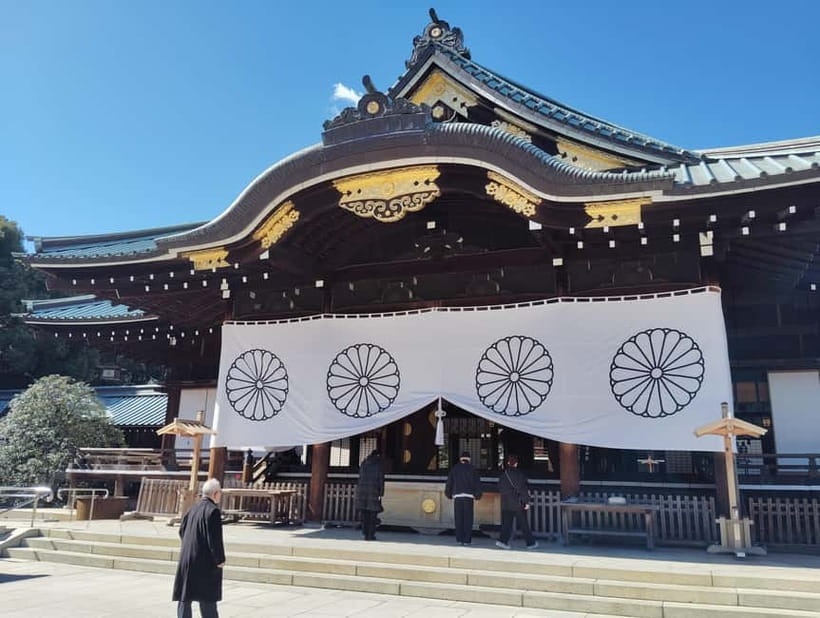
- Yasukuni’s unusual memorial function: it enshrines war dead (not a traditional deity), which changes how the space feels and why it matters.
- A museum with a distinct storyline: Yushukan presents Japan’s military history using its own framing, with your guide helping you read it critically.
- Short, respectful shrine etiquette: you’re guided through how to behave there, so you’re not guessing.
- Optional Chidorigafuchi comparison: the extended stop adds a state-administered cemetery to contrast religious vs governmental remembrance.
- Practical Tokyo oddities, too: one guide-style detail I like is how commentary can connect history with everyday rules, including old reasons behind how people walk and stand on escalators.
- Private-group pacing: you’re not squeezed into a crowd, and questions are easier to handle.
Why Yasukuni Shrine is more than a stop on a map
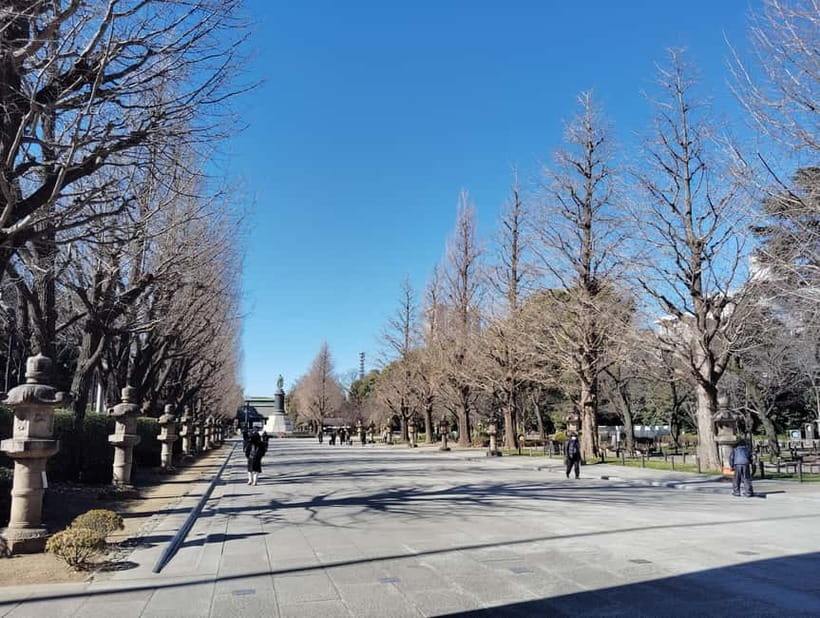
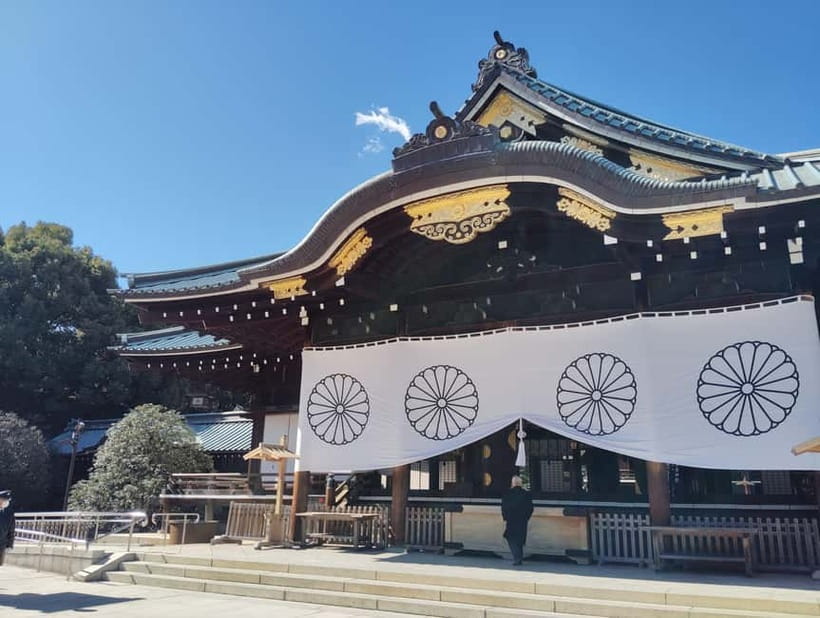
Yasukuni Shrine sits in that tricky category of places that don’t behave like typical tourist sites. Yes, it’s set up for visitors: you can walk the grounds, follow the flow toward the main areas, and learn as you go. But the core purpose is memorial—specifically for people Japan counts among its war dead from the Meiji Restoration through the Asia-Pacific War.
That matters because you’ll feel two layers at once. One layer is religious space and ritual. The other layer is national memory, wrapped into identity and policy debates that stretch beyond Japan’s borders. Your guide’s job here is to help you hold both layers in your head at the same time, without turning the visit into a political argument.
I think this is why the tour format works: it slows you down just enough to understand what you’re standing in, before you move on. You’re not left alone with headlines. You’re given historical context and asked, gently, to think about how war memory shapes modern society.
You can also read our reviews of more historical tours in Tokyo

The shrine walk: torii gates, etiquette, and how ideology gets explained
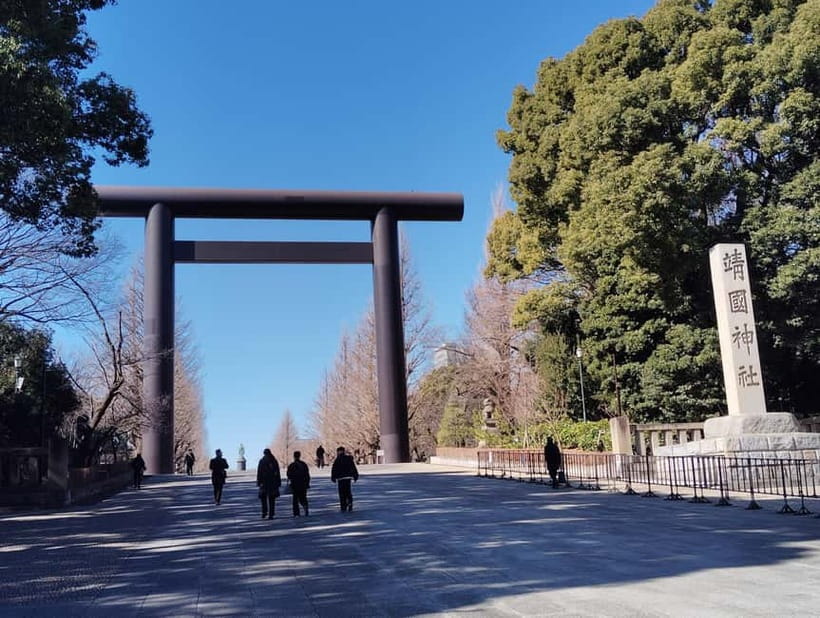
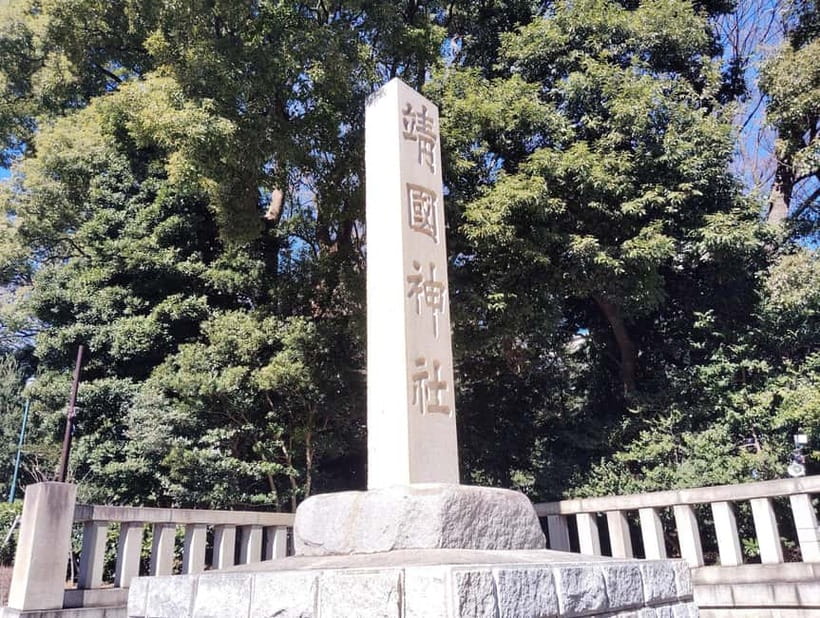
The tour begins at the first torii gate at Yasukuni. Even before you get into the details, the torii frames the experience like a threshold. Your guide then takes you through the shrine grounds in a focused walking segment of about forty minutes.
Here’s what you should expect from the guidance. Instead of listing dates, the commentary connects Japan’s shift from feudal systems to a modern nation-state. You’ll hear how things like samurai ethics, imperial ideology, and modernization affected Japan’s military development. The goal isn’t to turn history into a lecture you can’t use—it’s to give you a clearer map of how ideology and state-building can feed war.
You’ll also practice traditional shrine etiquette as you go. That’s not just for manners. Doing the correct steps, at the right times, is one of the fastest ways to understand how a place treats the past as something ongoing, not something finished.
One more thing: Yasukuni is unique because it enshrines the spirits of war dead rather than a conventional Shinto deity. That single detail changes the entire emotional tone of what you’re observing. For many Japanese families, it’s a site of mourning. For others, it’s part of a controversy about how the country frames responsibility and remembrance. Your guide’s balanced approach is meant to keep you oriented in that complexity.
Yushukan War Museum: a guided read of Japan’s military story
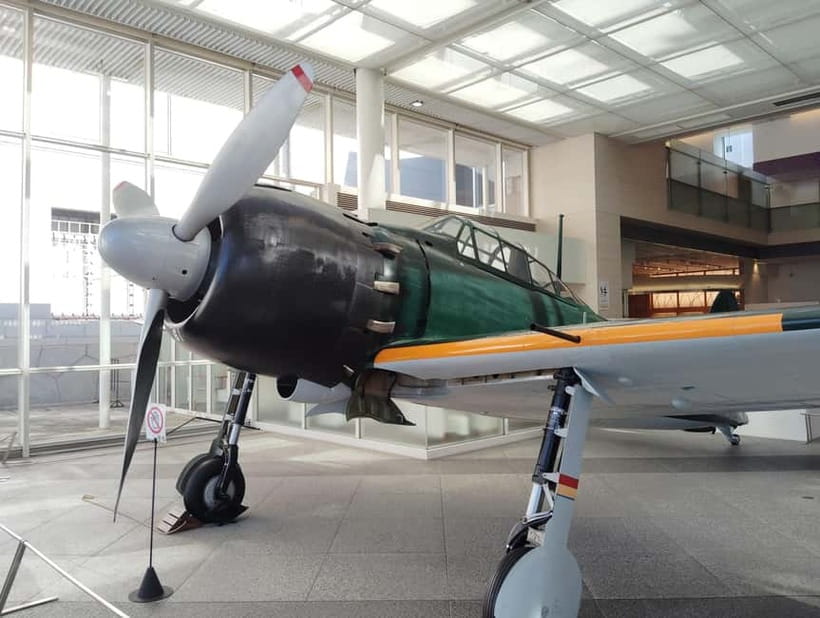
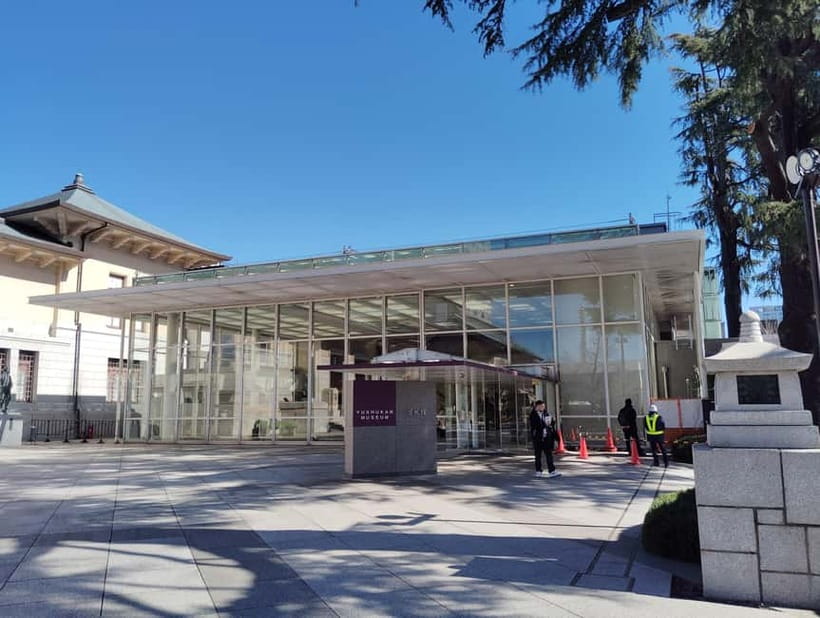
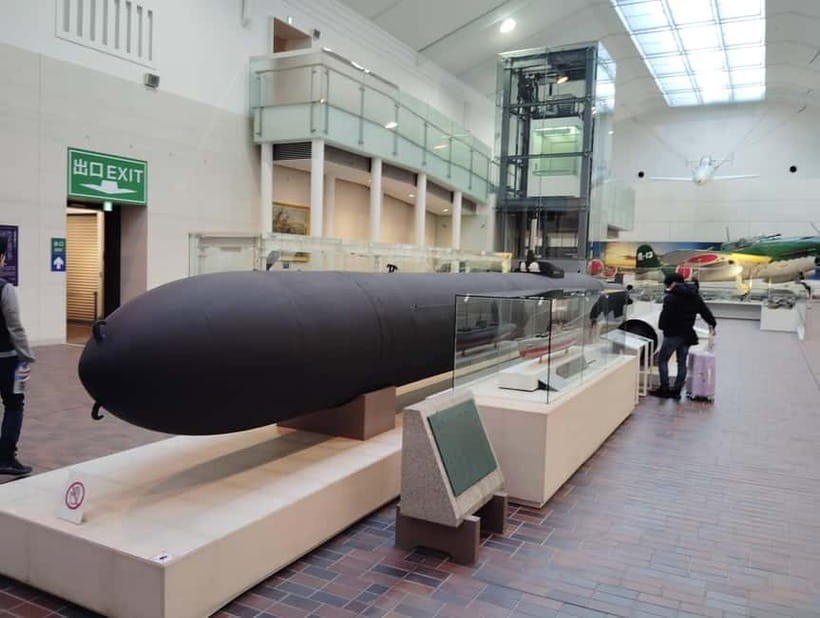
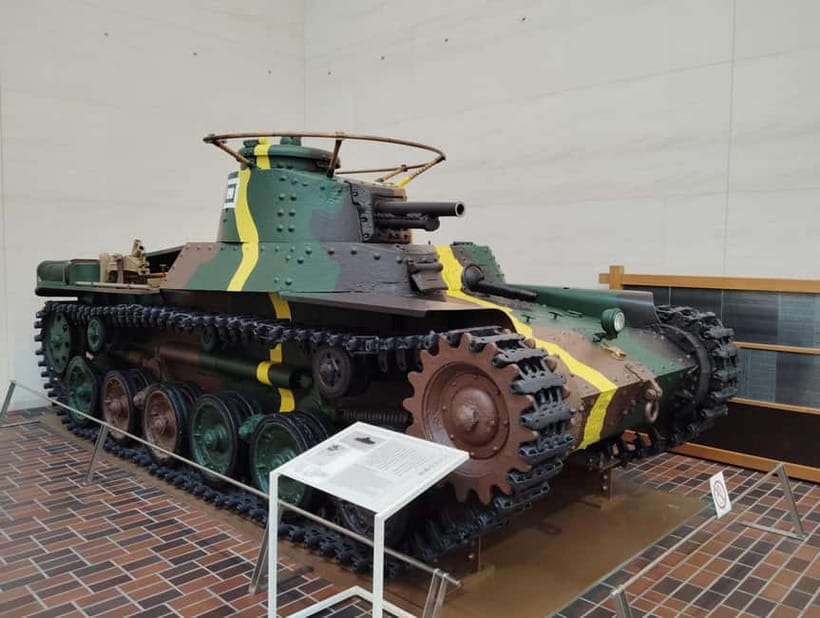
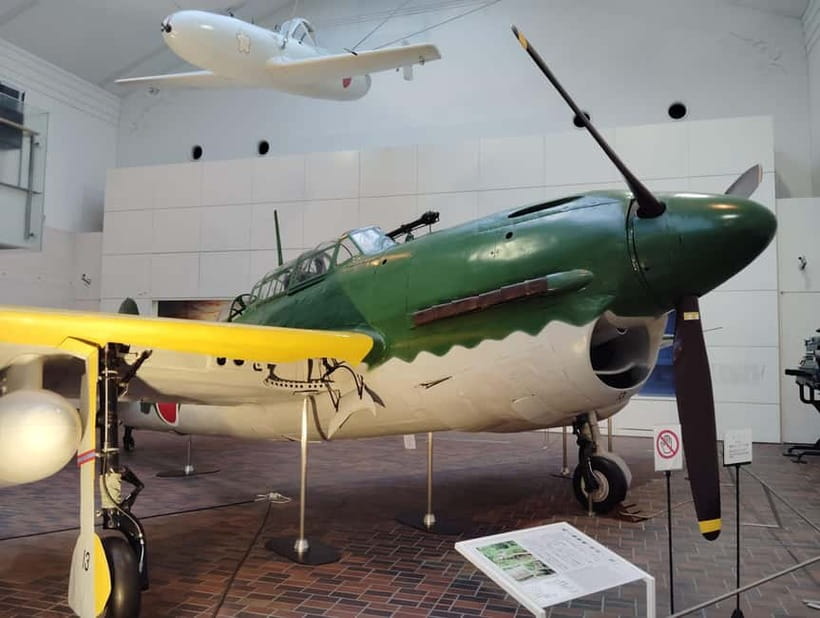
After the shrine, you move into the Yushukan War Museum, with roughly one hundred ten minutes inside. This is where the tour becomes more like an interpretive classroom, with artifacts, photos, and documents guiding you through Japan’s military history from the late Tokugawa period through World War II.
Here’s the honest framing: Yushukan presents Japan’s wars through a distinct narrative lens. In Japanese terms, it includes the era often referred to domestically as the Greater East Asia War, and it covers the Pacific War as well. Some visitors want the museum to behave like a neutral textbook. It doesn’t. It’s its own argument, built from selected presentation and interpretation.
That’s exactly why having a guide matters. Your guide provides context rooted in historical scholarship and helps you understand what you’re seeing and how meaning is constructed. Think of it as learning to read the exhibit like a document: what it includes, how it organizes events, and what a visitor might conclude if they only see the display without context.
Things to pay attention to inside the museum
I’d focus on three habits while you’re there:
- Notice the labels and the order. The sequence of rooms shapes your sense of causes and outcomes.
- Look for the framing terms. How names are used for conflicts can steer interpretation.
- Let the guide’s multi-perspective explanation do the heavy lifting. You’ll still make your own conclusions, but you won’t be guessing.
Photography rules can limit what you can capture. Flash photography isn’t allowed, and some areas may restrict photography. If photos are important to you, plan on taking more notes with your phone’s camera preview or just writing quick reminders instead of relying on pictures.
Chidorigafuchi National Cemetery (extended option): religious vs state memory
If you choose the extended option, the tour adds about one hour at Chidorigafuchi National Cemetery. This stop is designed for a specific learning payoff: comparison.
Chidorigafuchi is state-administered and secular in character. Established in 1959, it honors unidentified war dead repatriated from overseas battlefields. That’s a very different emotional and institutional message from Yasukuni Shrine, which is a religious memorial space with enshrined spirits.
So instead of experiencing only one type of remembrance, you get two approaches in one outing:
- Yasukuni: religious memorial with war dead enshrined
- Chidorigafuchi: governmental commemoration with a secular structure
When you stand with both in mind, you can better understand the broader question the tour keeps returning to: how a society chooses to remember war. Is it handled through ritual and enshrinement? Through public memorial administration and named or unnamed commemoration? The contrast is the lesson.
You can also read our reviews of more museum experiences in Tokyo
Private guided pacing: licensed English, and answers you can actually use
This is a private group tour with a licensed English-speaking guide. That structure changes the whole experience. In a crowd, you can see the site and still miss the why. In a private setting, you can ask practical questions and get direct answers.
The strongest praise I see associated with this tour type is the guide’s ability to connect history to details you might otherwise overlook. One example: a guide named Tatsuo is noted for sharing surprising context, like why people walk on the left side of the pavement and stand on the left on escalators—framed as a rule that predates cars. It’s a small detail, but it’s a good model for how the tour thinks: history shows up in everyday behavior, not only in museums.
Even if you’re not a history scholar, that style helps. You’ll understand what you’re looking at faster, and you’ll leave with clearer mental categories instead of a pile of facts.
Price and value: $87 for guided meaning, not just admissions
At $87 per person, the value is best understood as a bundled experience: you’re paying for a private guide, time with guided visits at both Yasukuni and inside the Yushukan War Museum, and the museum admission fee. If you take the extended option, you also add the Chidorigafuchi stop.
The key value point is time plus interpretation. A museum admission alone doesn’t teach you what the exhibit is trying to communicate or how that communication fits into Japan’s ongoing war memory debates. Here, you get guided commentary that’s meant to stay balanced while still being specific about historical context.
Duration is about 150 to 210 minutes, depending on whether you add Chidorigafuchi. That time window is long enough to walk the shrine grounds, handle museum content without rushing, and still complete a second memorial stop if chosen.
So if your goal is photos and a casual pass through Tokyo history, this might feel too structured. If your goal is to understand how Japan remembers, it’s priced like a thinking tour.
Logistics that matter: walking time, what to bring, and photo limits
This tour has moderate walking, including time inside the museum. That means your footwear matters more than you might expect, especially on a day when Tokyo sidewalks and museum floors can keep you moving for longer than planned.
Bring:
- Comfortable shoes
- Hat
- Camera
- Sunscreen
- Water
Rules to note:
- No smoking
- Flash photography isn’t allowed
- Photography may be restricted in certain museum areas
Also, you’re responsible for getting to the meeting point. The start point can vary depending on which option you book, so check what you receive when you reserve. If you’re the kind of traveler who likes to be early and calm, aim to arrive with enough buffer to settle in before the guide starts setting the context.
Who this tour suits best (and who might not love it)
This experience is ideal if you:
- care about modern Japanese history
- want to understand war memory and national identity
- are studying international relations or history and want a structured, guided encounter
- like museums and sites that require interpretation, not just sightseeing
It may be less ideal if:
- you need cheerful, light themes today
- you’re sensitive to discussions of war and its social and political legacy
- you prefer totally neutral, one-note explanations (because this tour is built around complexity and context)
In other words, this is for travelers who can handle serious subjects with respect. The atmosphere is not entertainment. It’s structured understanding.
Should you book the Tokyo War History Tour: Yasukuni Shrine and Yushukan War Museum?
I’d book it if you want to leave with more than impressions. The combination of Yasukuni’s memorial role, Yushukan’s exhibit narrative, and the optional Chidorigafuchi comparison gives you a rare chance to see how different institutions shape the meaning of war dead.
Pass if you’re looking for a quick photo circuit or you know you won’t handle sensitive topics well. Otherwise, choose comfortable shoes, bring water, and let your guide do what they’re best at: turning a difficult place into something you can understand without oversimplifying it.
FAQ
How long is the Tokyo War History Tour?
The duration is about 150 to 210 minutes, depending on the option you choose.
Is this a private tour, and is the guide in English?
Yes. It’s a private group tour with a licensed English-speaking guide.
What’s included at Yasukuni Shrine?
You’ll have a guided visit on the shrine grounds, with time to walk and learn in a structured way.
Is admission to the Yushukan War Museum included?
Yes. The Yushukan War Museum admission fee is included, and you’ll have a guided visit inside.
What does the extended option add?
The extended option includes a visit to Chidorigafuchi National Cemetery.
Can I take photos inside the museum?
Flash photography isn’t allowed, and photography may be restricted in certain areas of the museum.
What should I bring?
Wear comfortable shoes, and consider bringing a hat, camera, sunscreen, and water.