REVIEW · TOKYO
Tokyo Station Historical Walking Tour with Food and Anime
Book on Viator →Operated by Fantasy Travel · Bookable on Viator
Tokyo Station isn’t just a stop on the map. I love that this tour turns a giant transit hub into a walkable landmark, and I also love the way it mixes anime, food, and shopping into the story. One thing to consider: the station is huge and crowded, so you’ll want to keep your phone handy but your feet steady.
My favorite part is how the guide—Inok—makes the station feel understandable instead of overwhelming. With a small group (up to 10) and photos included, you’re set up to enjoy the details without spending your whole visit lost between platforms and shops.
In This Review
- Key points worth knowing before you go
- Why Tokyo Station Works So Well for a Guided Walk
- Price and Value: Why $39.02 Can Make Sense Here
- Start at Marunouchi North Gate: Where the Tour Becomes Real
- Stop 1: Marunouchi Ekimae Hiroba and the Station’s Public Face
- Stop 2: Red Brick Station Building Zone, Anime Energy, and Platform Time
- Shopping Inside Tokyo Station: Traditional Meets Modern Meets Anime
- Food in a Station: How to Get the Fun Without Overspending
- Photos Included: Why That Small Detail Matters
- How Inok’s Style Changes the Station From Chaos to Clarity
- Group Size and Timing: Getting Through a Mega-Hub in Two Hours
- Who This Tour Is Best For
- What’s Included (and What You’ll Pay for Yourself)
- Should You Book This Tokyo Station Tour?
- FAQ
- How long is the Tokyo Station historical walking tour?
- What is the meeting point?
- Where does the tour end?
- How much does it cost?
- Is the tour a small group?
- Is there an English-speaking guide?
- What about tickets and entry fees?
- Is food included?
- What should I bring or plan for?
- Can I cancel for a refund?
- Is it easy to join if I’m not sure about my Japanese?
Key points worth knowing before you go
- Small-group pacing with a max group size of 10, so you’re not stuck behind a crowd
- Anime + shopping routes inside Tokyo Station, not just a quick exterior photo stop
- Rail-platform access during the second stop where you can see trains and Shinkansen
- Two focused areas: Marunouchi history outside, then the red-brick station zone inside
- English-speaking guide with photos included, which helps when you’re navigating a complex station
- Mobile ticket for a smooth entry—no hunting for paper on a busy concourse
Why Tokyo Station Works So Well for a Guided Walk
Tokyo Station serves more than a million people a day, and that scale is the whole point. Without context, you’ll treat it like a hallway between places. With context, it becomes a place with structure, design choices, and a practical logic that you can follow even on your first visit.
This tour leans into that idea. You’re not just looking at pretty architecture; you’re learning how the station is organized and why certain areas matter. The “historical walking” part keeps you grounded, while the anime-and-food angle gives you something fun to do with what you’re seeing.
You can also read our reviews of more walking tours in Tokyo


Price and Value: Why $39.02 Can Make Sense Here
The price is $39.02 per person for about 2 hours, and that can feel like a splurge until you look at what’s included. You get an English-speaking guide, photos, and a guided route through Tokyo Station’s key zones—plus a chance to go into platform areas.
Here’s how I think about value in a station this big. You’re paying to save time and confusion. When you’re paying for a guide in a mega-hub, the win isn’t fancy extras—it’s that you walk out understanding where you are and how to move next time.
It also helps that the group cap is 10. In a place like this, small groups mean fewer bottlenecks and more chances to ask questions instead of standing still.
Start at Marunouchi North Gate: Where the Tour Becomes Real
You’ll meet at the JR EAST Travel Service Center at Tokyo Station, at the Marunouchi North Gate. From there, the group stays together and builds a clear path: start outside, then go inside.
This matters because Tokyo Station has multiple entrances, concourses, and layers. If you start in the wrong area, you waste the first part of your day figuring out which direction even counts as “toward the station.” Starting at a JR EAST service location gives you a reliable anchor.
And since the tour ends back at the meeting point, it’s a “loop” you can use later as a reference. You’ll know where you are relative to the big open spaces and the rail zones.
Stop 1: Marunouchi Ekimae Hiroba and the Station’s Public Face
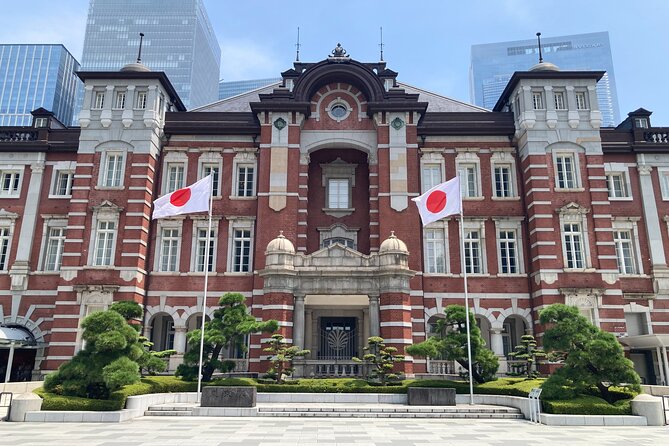
The first stop is Tokyo Station Marunouchi Ekimae Hiroba. It’s a great start because it’s the station’s visible front stage—an outdoor area where you can reset your bearings before going deep inside.
You’ll spend about 15 minutes here, and the goal is not to overload you with facts. It’s to give you a sense of Tokyo Station as a designed place, not just a maze. You’ll look at the historical Tokyo Station building from the outside and begin learning how the station’s layout connects to the surrounding city.
What I like about this approach: you get a quick “big picture” moment before you move into the busy interior. For first-timers, that reduces stress. For repeat visitors, it helps you spot the station’s structure when you normally just pass through.
Possible drawback: if you arrive when the exterior is busy, it can be harder to keep a calm group pace. Still, that’s part of Tokyo Station’s reality, and the brief timing keeps it from dragging.
Stop 2: Red Brick Station Building Zone, Anime Energy, and Platform Time
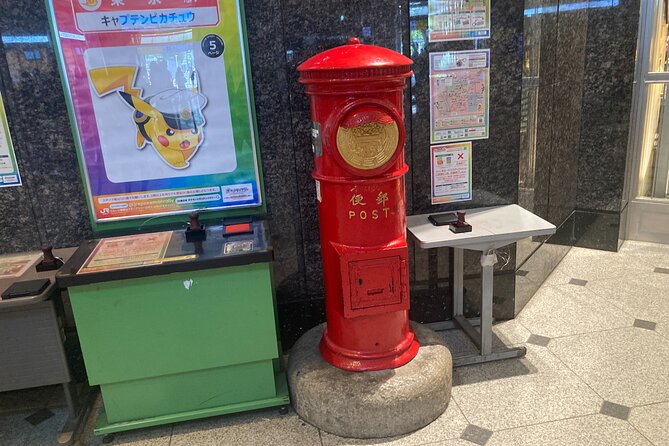
The second stop is the red-brick station building area described as mail-box shaped, and it’s where the tour shifts from history into more hands-on exploring. This is also the longest segment on the route, at about 1 hour 45 minutes.
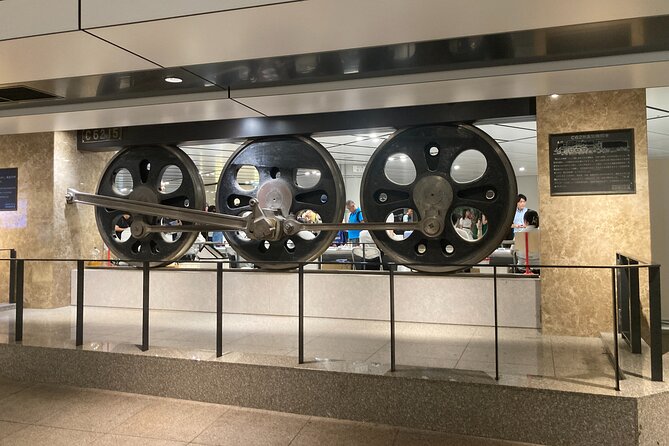
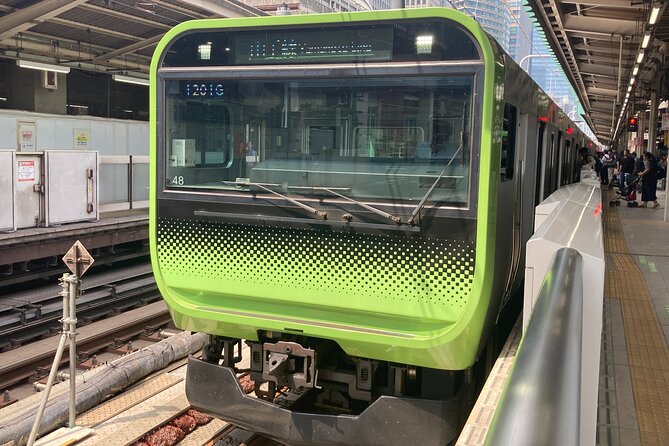
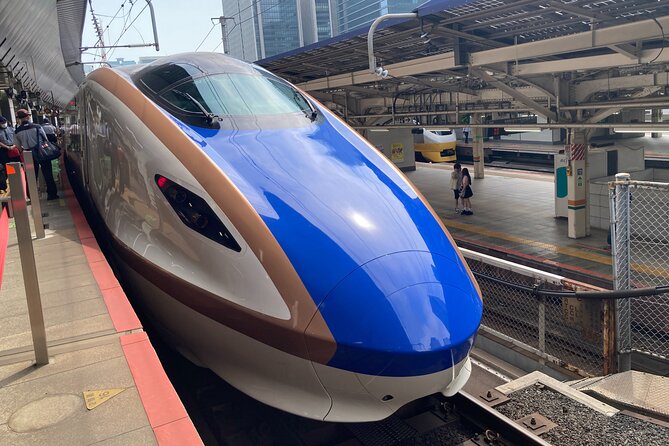
This part is built around three things: history, anime-themed stops, and food. You’ll go inside Tokyo Station, including an area connected to the railway platforms. The tour includes time where guests enter railway platforms for trains and Shinkansen.
That platform element is the big deal. You don’t just read about Japan’s rail power; you stand where the trains and Shinkansen operations happen, so your brain finally connects the station’s size to the system behind it. It also gives you a reason to slow down instead of power-walking to your next ticket gate.
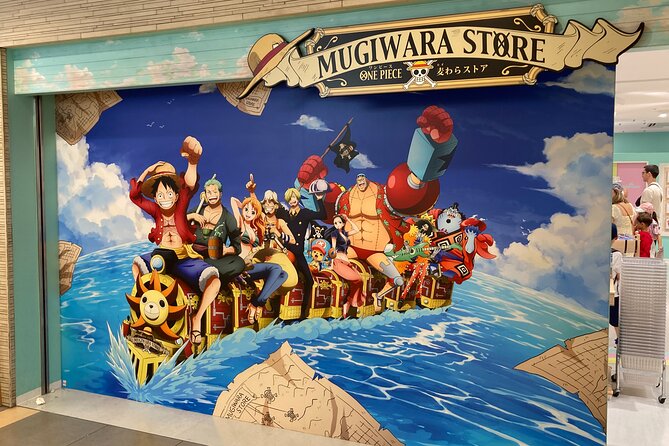
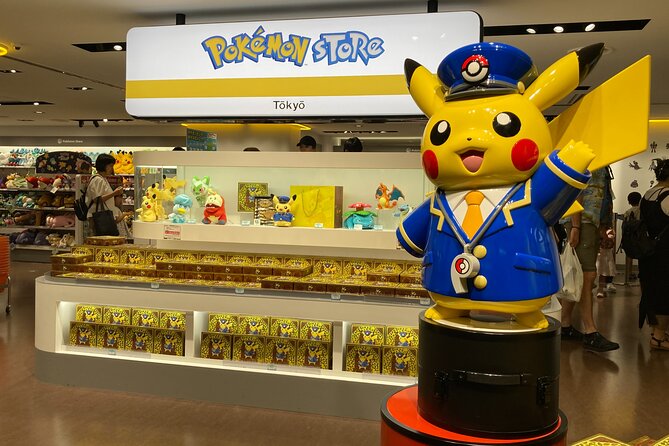
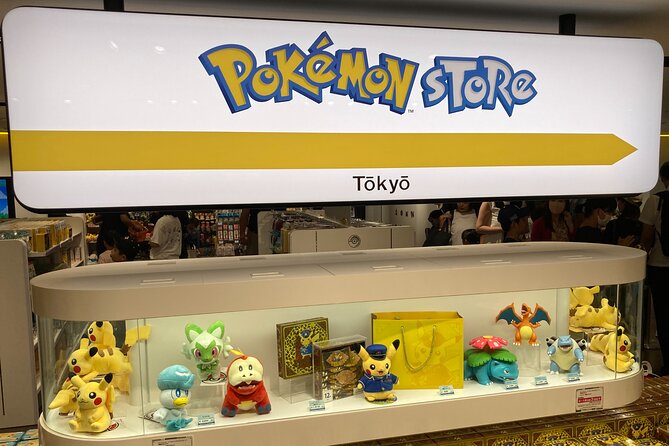
About the anime angle: the station offers anime items, and the tour route is geared toward that kind of browsing. That means you get to mix nostalgia and pop culture with the station’s real-world function. It’s not an abstract “anime shop” stop; it’s tied into the station’s geography.
Food is treated similarly. Street food is part of the experience vibe, but this is one area where you should plan on buying what you want on your own, since personal expenses aren’t included.
One consideration: the stop has admission listed as not included. The tour may require separate costs for certain areas during this stage. If you’re tight on budget, check what you expect to enter or purchase before going in.
You can also read our reviews of more food & drink experiences in Tokyo






Shopping Inside Tokyo Station: Traditional Meets Modern Meets Anime
Tokyo Station shopping isn’t a single store. It’s a set of shopping streets and indoor lanes that run inside the station’s structure. The tour is designed to point you toward those lanes and the mix you can expect: Japanese traditional items, modern goods, anime-related items, and food.
This is where a guided route helps most. If you try to shop on your own right away, you often hit the nearest storefronts and miss the variety. With a guide, you see the station’s shopping logic—what direction to walk for certain styles, and how the station’s layout supports browsing.
If your goal is to buy gifts, I’d treat this stop like a scouting trip. Look for small, easy-to-pack items first (traditional souvenirs, stationery, anime collectibles), then decide later if you want to go bigger. With limited time, you’ll shop smarter if you don’t try to cover everything.
Food in a Station: How to Get the Fun Without Overspending
The tour includes a food-and-shopping vibe, with street food part of the experience flow. Since personal expenses aren’t included, you’re in charge of what you buy.
Here’s how you can keep it fun and not chaotic:
- Choose one “treat” food item rather than trying to sample everything.
- If you want something filling, pick that first, then save sweets or snacks for later.
- If you see an anime-themed snack or drink, consider it your souvenir moment.
Tokyo Station food options can multiply fast once you start walking. The tour helps you move through the station with purpose, so your food choices feel intentional instead of random.
Photos Included: Why That Small Detail Matters
Photos are included, which sounds minor until you’re standing in a place this large. Tokyo Station is a real-world transit hub, not a theme park corner. That means good shots require timing and angles, and it helps to have someone else responsible for capturing them.
I’d use this for two goals: one wide shot to show the station vibe, and one close shot that includes your anime or shopping find (if you buy something). That gives your pictures context, not just objects.
How Inok’s Style Changes the Station From Chaos to Clarity
The strongest praise from the experience is about the guide. Inok’s approach is described as genuinely outstanding—turning Tokyo Station from a transit point into something you can understand as a historical landmark and a commercial hub.
That matches what you want from a tour in a place like this. The station is too big for facts alone. What you need is a guide who can explain the “why” behind what you’re seeing, while also giving you moments of fun—like anime-themed discovery and food opportunities.
If you’re the kind of traveler who hates spending an hour “finding your way,” you’ll appreciate the clarity here. And if you love architecture and rail culture, you’ll come away with a better mental map than you’d get from walking in circles.
Group Size and Timing: Getting Through a Mega-Hub in Two Hours
Two hours is tight for Tokyo Station, but that’s not a problem when the route is purposeful. The tour uses two main phases: a short exterior orientation (about 15 minutes) and a longer inside-and-platform segment (about 1 hour 45 minutes).
Because the group is capped at 10, the pace is easier to manage. You’re less likely to lose the leader, and you’ll have a better chance to ask quick questions when something feels confusing.
If you’re booking for a popular time slot, plan ahead. The tour is often booked about 20 days in advance on average, so waiting until the last minute can reduce your options.
Who This Tour Is Best For
This is a good match if:
- You’re seeing Tokyo Station for the first time and want quick clarity
- You like history, but you also want practical fun in the middle of it
- You care about anime shopping and want it tied to an actual route
- You want to see the station’s rail power up close, not just look at signage
It may be less ideal if you want a super slow, deep architectural study with long sit-down breaks. This is a “make it make sense fast” tour, not an all-day wandering plan.
Also, it’s designed for most travelers to participate, and it’s offered with an English-speaking guide.
What’s Included (and What You’ll Pay for Yourself)
Included:
- English-speaking guide
- Photos
- A guided experience through key Tokyo Station areas with a mobile ticket
Not included:
- Other personal expenses
And there’s an admission note for the second stop area. That suggests you should expect at least some part of the second segment may involve extra costs depending on what you enter. You’ll want to budget for snacks, drinks, and anything you choose to purchase.
Should You Book This Tokyo Station Tour?
I’d book it if you want Tokyo Station to feel understandable and fun in one go. The price is reasonable for a guided route in a place this complex, and the platform access plus anime-and-food vibe makes it more than a basic architecture walk.
Skip it only if you already know Tokyo Station well and you’re not interested in anime shopping or street-food style stops. If your plan is to move straight through the station with no time spent browsing, you’d get less out of a guided loop.
One final practical tip: since it’s commonly booked in advance, grab a spot early. Tokyo Station is a busy place, and this kind of small-group guided timing is hard to replace last minute.
FAQ
How long is the Tokyo Station historical walking tour?
The tour is about 2 hours.
What is the meeting point?
You’ll meet at the JR EAST Travel Service Center Tokyo Station, Marunouchi North Gate, 1-chōme-9-1 Marunouchi, Chiyoda City, Tokyo 100-0005, Japan.
Where does the tour end?
The tour ends back at the meeting point.
How much does it cost?
It costs $39.02 per person.
Is the tour a small group?
Yes. The maximum group size is 10 travelers.
Is there an English-speaking guide?
Yes, the tour includes an English-speaking guide.
What about tickets and entry fees?
The tour uses a mobile ticket. Admission is listed as free for the first stop, while the second stop has admission not included.
Is food included?
The tour includes a street-food and food experience vibe, but personal expenses are not included.
What should I bring or plan for?
Plan for personal spending if you want to buy food, snacks, or shopping items. The tour also includes photos.
Can I cancel for a refund?
Yes. You can cancel up to 24 hours in advance for a full refund.
Is it easy to join if I’m not sure about my Japanese?
Yes. Most travelers can participate, and the guide is English speaking.