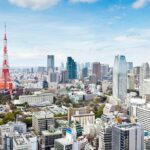
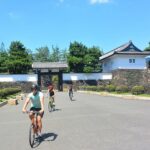
Tokyo starts differently before 9 a.m.
This private 5-hour route strings together top landmarks across Shibuya, Harajuku, Akihabara, Ueno, and Asakusa, with the added bonus of included temple and shrine entry. You also get a private English-speaking guide to help you move fast and photograph well—without wasting energy on confusion. The early timing is the whole point: you see major sights before they get swarmed.
What I like most is the temple and shrine entry included (you can spend your money on snacks instead of tickets). I also like that you’ll get professional photos taken during the tour, so you aren’t stuck asking strangers to shoot your group at the hardest angles. In one real highlight, the guide named Yukou was praised for being friendly and making sure the group knew what to do next, which matters a lot when Tokyo is moving at full speed.
The main consideration is the pace: it’s a walking tour with public transportation, so you’ll want moderate fitness and comfy shoes. Add in the fact that public transport fare and food aren’t included, and you’ll do best if you plan your budget and stomach ahead.
In This Review
- Quick Take: What Makes This Private Morning Tour Work
- Entering Tokyo at the Right Hour: Early Morning Advantage
- Meeting at Hachiko and Getting Oriented in Shibuya
- Shibuya Scramble Crossing: Photos, Movement, and Timing
- Meiji Jingu Shrine: A Forest Reset Between City Stops
- Harajuku’s Takeshita Street: Youth Fashion Without the Chaos
- Kanda Shrine: Prosperity, Protection, and a Different Crowd
- Akihabara: Electric Town for Anime, Gaming, and Gadgets
- Ueno’s Ameyoko Shopping Street: Snacks and Souvenirs on the Way to Asakusa
- Senso-ji Temple in Asakusa: Kaminarimon Gate and the Classic Temple Walk
- How a Private English-Speaking Guide Improves the Day
- Price and Value: What $97.22 Really Covers
- Photo Opportunities You’ll Actually Care About
- Logistics That Matter: Walking, Transit, and Timing
- Who This Tour Suits Best (And Who Might Not)
- Should You Book This Private Tokyo Early Morning Tour?
- FAQ
- How long is the private Tokyo early morning tour?
- Where does the tour start and end?
- What’s included in the price?
- Is transportation included?
- Does the tour include food and drinks?
- Is this a group tour or private tour?
- Is there mobile ticketing and how far in advance should I book?
Quick Take: What Makes This Private Morning Tour Work
- Early arrival at Shibuya Crossing for easier photos and fewer crowds at street level
- Meiji Jingu Shrine’s forest calm built right into the schedule, so you get a real reset
- Harajuku and Akihabara stops that mix youth fashion, anime culture, and classic Tokyo shopping
- Ueno’s Ameyoko shopping street for snacks and souvenir browsing near Asakusa
- Professional photo moments handled for you during the tour, not after the fact
- One guide, private focus: you get directions and pacing for your group size
Entering Tokyo at the Right Hour: Early Morning Advantage
Tokyo is at its best when you’re not fighting the crowd. Starting early means Shibuya feels more like a crossroads than a stampede, and the shrines have that quieter “walk in, breathe, look around” vibe. You’ll still see famous sights, but you’ll spend less time blocked by shoulder-to-shoulder foot traffic.
This matters even more if you’re visiting in hot or busy seasons. The tour is designed around momentum: hit the big icons early, then keep moving while the day is still manageable. The private format helps here because your guide can steer you toward easier crossings, photo angles, and the right order of sights.
You can also read our reviews of more guided tours in Tokyo
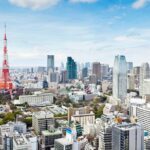
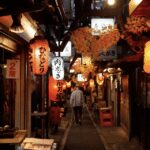
Meeting at Hachiko and Getting Oriented in Shibuya
You start at the Hachiko Statue at Dogenzaka, Shibuya. It’s a smart meeting point because it’s recognizable and in the middle of Tokyo’s most navigation-heavy neighborhood—exactly where a guide saves you time.
From the beginning, the goal is straightforward: get your bearings fast and start sightseeing without turning the first hour into map math. The tour also uses public transportation and walking, so your guide sets the rhythm early and keeps the route from feeling like random hopping.
Shibuya Scramble Crossing: Photos, Movement, and Timing
Shibuya Crossing is the main “wow” moment for many first-time visitors, and you’ll feel it right away. This stop is designed as a quick hit (around 20 minutes), with admission free, so you’re not burning half your morning chasing tickets.
What you should do with those 20 minutes is simple:
- Plan on taking photos from a few positions, not just one.
- Watch how the pedestrian lights work so you catch the big flow in your frame.
Early morning helps because the crossing is still busy, just not at full midday intensity. You’ll get the iconic scramble energy without losing time to long delays between photo spots.
Meiji Jingu Shrine: A Forest Reset Between City Stops
Then you shift gears to Meiji Jingu Shrine, about an hour of calm time. This is a Shinto shrine dedicated to Emperor Meiji and Empress Shoken, and the standout feature is that it sits in a lush forest-like area inside the city. In practice, it feels like you stepped away from traffic noise and back into something slower.
If you care about good photos, this is where the morning pays off. The lighting under tree cover tends to be forgiving, and you’ll have more room to frame the shrine approach without constant crowd interference.
A private guide also helps at places like this because they can point out where to pause for the best views and how to handle the flow of visitors while still taking your time.
Harajuku’s Takeshita Street: Youth Fashion Without the Chaos
From Meiji Jingu, you head to Harajuku for Takeshita Street, about 20 minutes. This is one of Tokyo’s most famous shopping lanes—known for trendy fashion, colorful sweets, and those small boutiques that tempt you even if you’re not a shopper.
This stop is short on purpose, and that’s a good thing. If you spend too long here at the wrong hour, you can end up in a slow-moving crush. The early timing keeps it fun instead of frustrating, so you can browse, grab a snack, and still have energy left for the rest of the day.
If your goal is photos that include the street’s personality, treat this like a walk-through: slow down for details, then keep moving so you don’t waste the limited time window.
You can also read our reviews of more private tours in Tokyo

Kanda Shrine: Prosperity, Protection, and a Different Crowd
Next up is Kanda Shrine (also known as Kanda Myojin), about 20 minutes. It’s a historic Shinto shrine that enshrines deities of prosperity and protection. It’s also popular with businesspeople and fans of anime and related pop culture, which makes the atmosphere feel a bit different from the “big tour bus” vibe people expect at top shrines.
This is the kind of stop I appreciate because it broadens Tokyo beyond the two biggest shrine headlines. You still get the spiritual landmark experience, but you’re not repeating the same theme back-to-back.
You’ll likely want to pause to observe the shrine grounds and then continue—this is a quick, focused cultural stop designed to fit the walking route without dragging.
Akihabara: Electric Town for Anime, Gaming, and Gadgets
Akihabara is next, about 30 minutes. It’s widely known as Tokyo’s electric town, with major appeal for anime, gaming, and electronics. You’ll find endless shops for gadgets and collectibles, plus there’s a strong presence of themed cafés (including maid cafés), even if you don’t plan to go in.
This is a great place for browsing your own interests rather than checking a checklist. If you love gaming tech, collectible figures, or Japanese pop culture merch, you’ll get value just by walking the lanes and peeking into shopfronts.
The practical tip: with only about half an hour, don’t plan to buy everything. Instead, identify one or two “must-see” shop categories and use the guide to point you where your interests line up.
Ueno’s Ameyoko Shopping Street: Snacks and Souvenirs on the Way to Asakusa
Then you roll into Ameyoko Shopping Street (Ameya-Yokocho) in Ueno for about 20 minutes. It’s known for an energetic, market-style atmosphere, and it has history as a black market after World War II that later evolved into a busy shopping area.
What you’ll likely enjoy here is the easy browsing. You can pick up small snacks, look for clothing and souvenirs, and enjoy a more local-feeling shopping rhythm than the super-central tourist streets. Even if you don’t buy much, it helps break the day into something more “Tokyo day-to-day” rather than only temples and icons.
Because food and drinks aren’t included, this is your chance to eat smarter:
- Treat meals like planned fuel, not an afterthought.
- Choose one or two snack buys and keep moving so you don’t lose time.
Senso-ji Temple in Asakusa: Kaminarimon Gate and the Classic Temple Walk
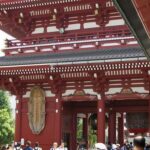
The final big anchor is Senso-ji Temple in Asakusa, about an hour. It’s Tokyo’s oldest and most famous Buddhist temple, founded in the 7th century, and it’s recognizable instantly thanks to the Kaminarimon Gate. You’ll also pass through or near Nakamise Street, lined with traditional shops.
This is where the tour hits that classic Tokyo “everybody knows this” feeling, and the early start usually helps you move through the approach with less stress. With a full hour, you can do the essential temple experience and still take time for photos around the gate and nearby streets.
Also, the tour ends in Asakusa near the Tokyo Cruise Asakusa Pier. If you want to keep going after the tour, this location is convenient, and Tokyo Skytree is also nearby—useful if you’re building a longer day.
How a Private English-Speaking Guide Improves the Day
A lot of tours can claim they’re “guided,” but a private guide is a different experience. You’re not stuck following a large group’s slow pace or constantly asking strangers to explain where to go next.
Here, your guide handles:
- Route navigation through neighborhoods that can be confusing without local help
- Practical timing so you hit each stop while it’s still manageable
- Photo and pacing help, especially at the “hard” spots like crossing streets and large shrine gates
The guide Yukou received praise for being friendly and for making sure the group understood what to do. That kind of confidence is worth something, because it reduces the little stress moments that add up when you’re walking in a big city.
Price and Value: What $97.22 Really Covers
At $97.22 per person for a roughly 5-hour private tour, the value comes from what’s included versus what you’d pay on your own.
In this package, you get:
- A local English-speaking guide
- Admission fees for temples and shrines
- Professional photos taken during the tour
What’s not included:
- Public transportation fare (listed as ¥900 per person)
- Food and drinks
So the smart way to see value is this: if you’d already be paying for shrine/temple entry and hiring someone (or constantly improvising) for navigation and photos, this becomes a tidy way to buy convenience and time. The private format means you’re not paying for a large group with diluted attention.
The one thing to plan for is transport fare and meals. If you budget those ahead of time, the rest feels like a straight deal for the number of major stops you cover.
Photo Opportunities You’ll Actually Care About
The tour calls out professional photos during the experience, and that’s a big plus for two reasons. First, it usually means you’ll have someone timing your group at iconic photo points. Second, you avoid the awkward stop-and-go of asking random passersby.
Plan for photos like this:
- Be ready to move when your guide indicates the spot.
- Keep your phone/camera accessible, even if photos are being taken, so you can capture your own versions too.
You’ll get multiple natural “photo anchors” across the route, from Shibuya Crossing to shrine gates and street scenes.
Logistics That Matter: Walking, Transit, and Timing
This is a walking experience with public transportation and plenty of time on foot. That’s not a bad thing—it’s what makes it feel like Tokyo rather than a bus tour. But it means you should wear shoes you can handle for a solid stretch.
Also, you’ll want to be at the meeting point on time. If you arrive late, the tour can’t wait, and you may miss the start of the route. I suggest building in extra buffer time because Shibuya is busy and trains can shuffle platform details.
In the middle of all that, your guide’s job is to keep the day smooth. The tour is designed as a sequence, so you’ll get the most out of it if you stick with the plan rather than branching off too often.
Who This Tour Suits Best (And Who Might Not)
This private early-morning plan is a great fit if you want:
- Major Tokyo highlights in one organized run
- Less crowd stress (early timing helps)
- A guide to navigate and explain what you’re seeing
- Photo help without spending your whole trip doing logistics
It’s less ideal if you want a slow, meandering day with lots of time to stop whenever something catches your eye. The schedule is designed to cover several neighborhoods in a fixed window, so freedom is best after the tour ends in Asakusa.
Should You Book This Private Tokyo Early Morning Tour?
Book it if you’re the type of visitor who wants a strong first Tokyo day with minimal friction. The combination of early crowds avoidance, included shrine and temple entry, and photo support makes it a practical choice when you care about both seeing landmarks and keeping your morning efficient.
Skip it if you hate walking or you want a totally unstructured day where you can wander for hours. In that case, you’d probably be happier with a slower self-guided approach.
If your plan is to pack in Shibuya’s iconic crossing, Harajuku’s street energy, Akihabara’s culture, and Asakusa’s classic temple scene—without spending your time guessing transit and photo spots—this private morning tour is built for that exact goal.
FAQ
How long is the private Tokyo early morning tour?
It runs about 5 hours.
Where does the tour start and end?
It starts at the Hachiko Statue in Shibuya and ends at Tokyo Cruise Asakusa Pier in Asakusa.
What’s included in the price?
You get an English-speaking local guide, admission fees for temples and shrines, and professional photos taken during the tour.
Is transportation included?
No. Public transportation fare is listed separately at ¥900 per person.
Does the tour include food and drinks?
No. Food and drinks are not included.
Is this a group tour or private tour?
It’s private, so only your group participates.
Is there mobile ticketing and how far in advance should I book?
The tour uses a mobile ticket, and it’s typically booked about 13 days in advance on average.