REVIEW · TOKYO
Tokyo, Shaped Around You: A Private Experience with a Local
Book on Viator →Operated by City Unscripted · Bookable on Viator
Tokyo’s best stories start with a plan. This private City Unscripted walking experience builds a route around you, then guides you through classic neighborhoods plus the side streets locals actually use.
I like the way the pre-tour questionnaire turns vague interests into a real plan, and I love that the route stays flexible as you go. I’ve also seen guides like Shoko and Tomo praised for adjusting the day fast when plans (or comfort levels) change.
One consideration: it’s a walking tour, with no vehicle included, and food, drinks, entry fees, and in-between transport costs aren’t included.
In This Review
- Key highlights worth your attention
- City Unscripted in Tokyo: private, paced, and built around you
- Price and value: what $107.62 buys you (and what it doesn’t)
- Where you meet near Harajuku (and how the day ends)
- How a private walking route works in Tokyo
- Getting oriented with a local at the start
- Shibuya Crossing and the neon street rhythm
- Kappabashi Street for knives, ceramics, and plastic food models
- Asakusa and Sensō-ji: history you can walk through
- Yanaka: the slower side of old Tokyo
- Ginza: department store polish meets specialty shopping
- Harajuku: Takeshita energy plus Meiji Shrine woods
- Shinjuku: skyscrapers, observation options, and old alley moments
- Food, photos, and comfort: how guides tend to elevate the day
- What your guide can do for you beyond sightseeing
- Who this tour is best for
- Should you book this private Tokyo local experience?
- FAQ
- How long is the private Tokyo experience?
- Is there a fixed itinerary with guaranteed stops?
- Are food, drinks, or entry fees included?
- Is transportation included during the tour?
- Can the guide meet us at our accommodation?
- Can I cancel and get a refund?
Key highlights worth your attention
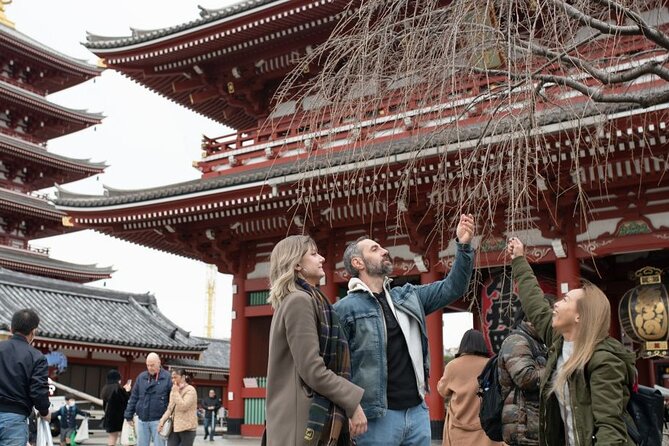
- Personal route, not a script: you answer questions first, then your guide shapes the day to fit your pace and priorities.
- Flexible timing (2 to 5 hours): you can aim for a quick orientation walk or a longer neighborhood sampler.
- Neighborhood mix you can actually feel: Shibuya and Harajuku energy plus Asakusa and Yanaka calm, in one flow.
- Practical local help: expect conversation that clarifies what you’re seeing and how to move through the city.
- Guide-by-guide differences are real: some guides go deep on history and language nuance, others focus on markets and everyday Tokyo.
- No fixed checklist: you won’t feel like you’re herded through set photo stops you don’t care about.
City Unscripted in Tokyo: private, paced, and built around you
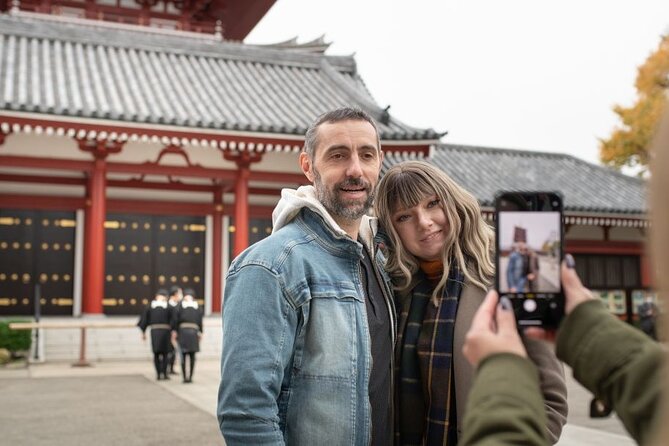
This is not the usual Tokyo sightseeing run. The whole point is a private experience shaped around your answers, so the day feels like you’re with a local friend who knows how to steer the sidewalk, not like you’re following a highlighted map.
The model is simple: you submit a short questionnaire, then you message your local host before you meet. That early back-and-forth matters because it helps your guide target what you care about, whether that’s temples, shopping streets, food, or just figuring out how to navigate quickly.
You can also read our reviews of more private tours in Tokyo


Price and value: what $107.62 buys you (and what it doesn’t)
At about $107.62 per person, you’re paying for a private local guide for roughly 2 to 5 hours. The value comes from the setup: questionnaire personalization, direct communication, and the ability to adjust the route on the fly.
What’s not included is also part of the math. Food and drinks, entry fees, and any transport costs during the experience (public transit or local taxis) are not covered. The tour is walking, so the extra spend is usually about what you choose to eat and where you pay in.
If you want a day that feels “done for you” without giving up control, this price can make sense—especially when you compare it to paying separately for transport help plus a standard guided checklist.
Where you meet near Harajuku (and how the day ends)
You’ll start at NewDays 原宿 in Jingūmae, Shibuya (Omotesando Exit, 1-chōme1820 1F). The experience ends back at the meeting point, which makes timing feel less chaotic than open-ended tours that drop you somewhere random.
Pickup is offered if your accommodation is central, and your guide can also meet you at your place if it’s convenient. That’s handy if you’re arriving with luggage or you want fewer “where do I go now” moments on your first day.
How a private walking route works in Tokyo
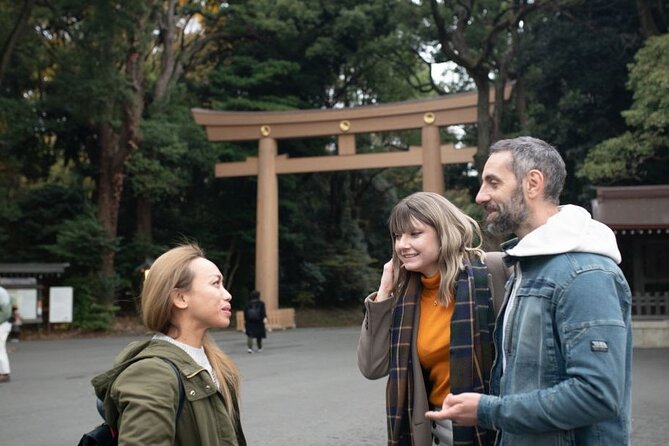
Because this is a walking experience with no private vehicle included, the tour is designed to use neighborhoods efficiently. Your guide may move between areas using public transportation or a local taxi, depending on your plan and what fits your pace best.
The biggest benefit of a private walking format is control of the flow. If you need a sit-down, a slower pace, or extra time for a shop or shrine, the day can stretch that way. I’ve seen guides described as patient and flexible, including support for guests who needed more breaks.
Getting oriented with a local at the start
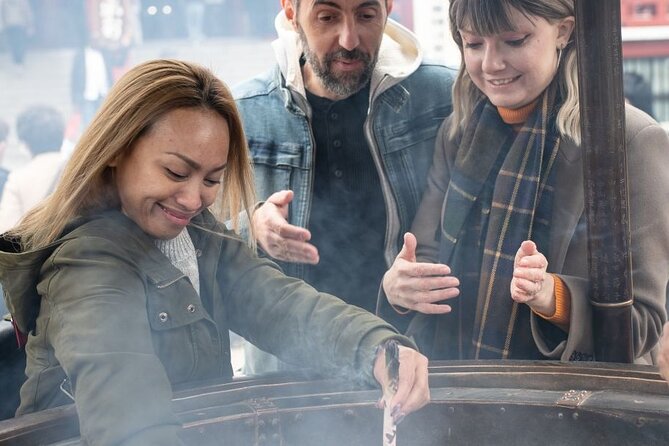
The beginning of the tour is usually about orientation: Tokyo through the eyes of someone who lives there. Your guide can explain not just what’s in front of you, but why those streets exist, how the area developed, and what to notice as you walk.
This first phase is also where your guide can fine-tune the rest of the day. If your questionnaire points to markets and food, they’ll steer the sequence differently than if you’re focused on shrines, fashion, or older residential streets.






Shibuya Crossing and the neon street rhythm
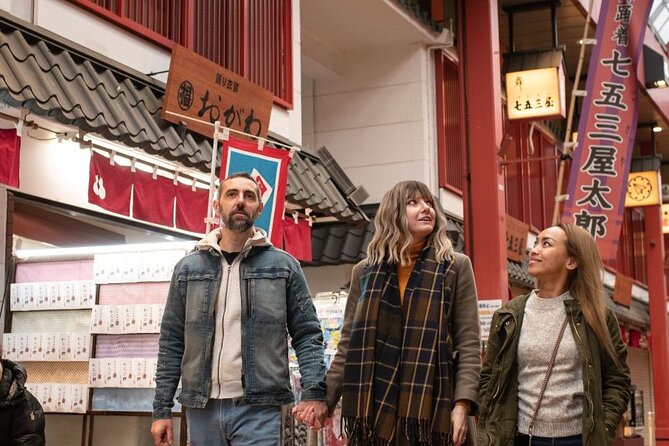
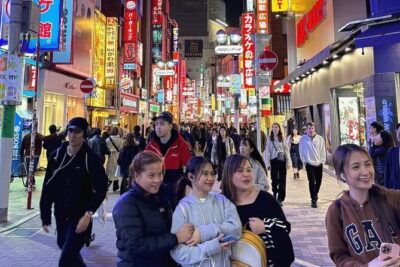
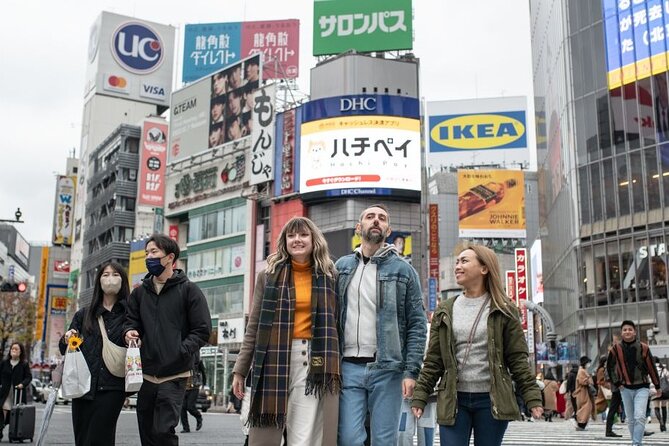
A highlight stop is Shibuya, especially around the area of the world-famous Shibuya Crossing. The experience here isn’t just seeing a famous intersection—it’s learning how to cross, when to cross, and what the surrounding streets are good for beyond the first photo.
Shibuya is also where your guide’s style shows. Some guides focus on the cultural explanations behind daily life and public behavior. Others emphasize the street-level shopping patterns, photo viewpoints, and how to avoid wasting time zigzagging.
Kappabashi Street for knives, ceramics, and plastic food models
Another common stop choice is Kappabashi Street, known for the tools chefs buy—think handcrafted knives, ceramics, and those famous plastic food models you’ll see in restaurant displays. This area is fun because it’s specific. You’re not just buying souvenirs; you’re seeing what the industry uses.
If you’re curious about how Japanese food culture gets packaged for the outside world, plastic food models are a great way in. Your guide can point out what details matter and how the designs communicate flavors and portion size at a glance.
Depending on your interests, your guide might swap this for the Tokyo Skytree surrounding district instead—useful if you want more skyline-facing views and shopping.
Asakusa and Sensō-ji: history you can walk through
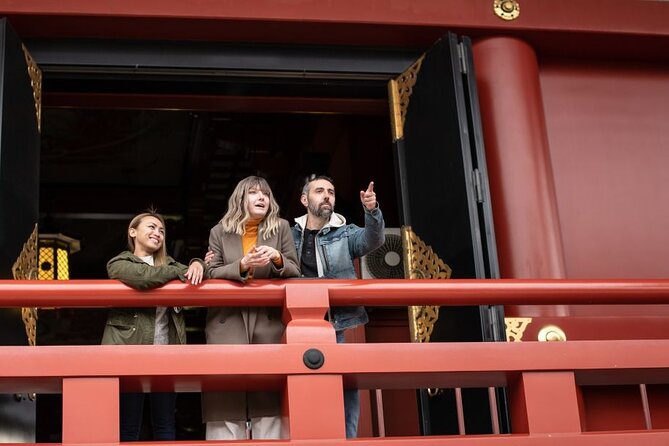
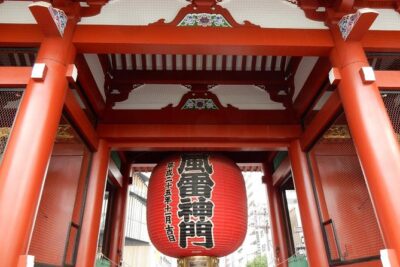
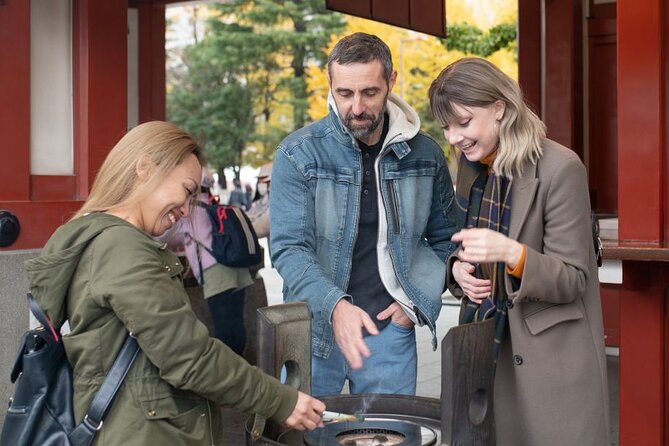
In Asakusa, you’ll get the iconic Sensō-ji Temple atmosphere plus guidance through the backstreets nearby. The value here is pacing. Many people arrive, snap a few pictures, then rush away. With a guide, you can slow down and notice the street structure, small rituals, and why the area feels different from modern Tokyo.
Your guide leads you through atmospheric backstreets lined with traditional touches, so you’re not just looking at one landmark. You’re understanding the neighborhood logic around it—where people walk, what they buy, and how the area keeps its character.
Yanaka: the slower side of old Tokyo
For a calmer contrast, Yanaka is often on the list. This area is known for traditional wooden houses, quiet temples, and small family-run cafés, which makes it a great middle-of-the-day reset if you’ve been in busy zones already.
The guide’s role here is subtle but important. Instead of “tourist viewing,” you get local context about what the streets mean and where to linger. If you like streets that feel human-scale, Yanaka gives you that without requiring big, formal visits.
Ginza: department store polish meets specialty shopping
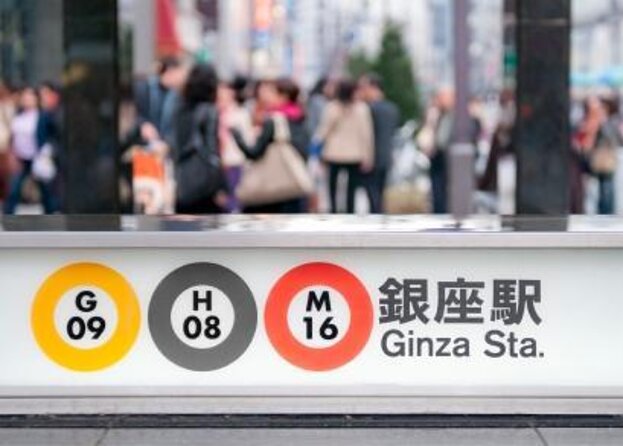
Ginza is a different Tokyo mood. It’s elegant, with department stores and luxury boutiques, but it also has traditional specialty shops that reward people who slow down and look.
With a guide, Ginza becomes more than window-shopping. You can ask what items people actually pick up here, what kinds of shops specialize in certain goods, and how this area sits between old Tokyo patterns and modern retail.
If your “must-see” includes something fashionable or high-end but you don’t want to feel out of place, this stop can work well because your guide acts as a translator for the shopping culture.
Harajuku: Takeshita energy plus Meiji Shrine woods
Harajuku is often a two-mode neighborhood in one tour. On one side, Takeshita Street can be loud and fashion-forward. On the other, the wooded paths around Meiji Shrine offer a quieter reset that helps you understand why locals come here beyond the photo crowds.
A good guide balances the contrast so you don’t feel like you’re bouncing between extremes without context. You’ll likely get help navigating where to go next, what to look for, and how to time your walk to avoid wasting effort.
If you like fashion, pop culture, and everyday tradition mixed together, this is where Harajuku shines.
Shinjuku: skyscrapers, observation options, and old alley moments
Shinjuku is famous for changing instantly: sleek skyscrapers turn into historic alleyways in a short walk. Your guide can shape the stop based on your mood—panoramic observation decks for skyline views, nostalgic izakayas if you want a classic atmosphere, or hidden-feeling alley streets if you want older Tokyo vibes.
This is also a strong area for practical advice. Shinjuku can feel maze-like, so having someone map the movement for you helps. Guides have been praised for helping people navigate and for giving tips that make trains and stations less intimidating.
Food, photos, and comfort: how guides tend to elevate the day
Food and entry fees aren’t included, but your guide can help you choose what fits that day. You might get restaurant suggestions on the walk, or help figuring out what to order at a place your guide knows people recommend.
A few examples of how guides can go beyond the basics: Amir has been praised for mixing temples and markets with food-market time. Apy supported a proposal by helping with photos and suggesting a good spot. Hiroko was noted for helping a family manage train logistics, including assistance with Shinkansen planning, and even sending a Japanese script for a nut allergy situation. That kind of care is exactly what you’re paying for: a guide who thinks ahead.
Comfort matters too. If you want to sit down when your feet or body need it, you can. Some guides are described as patient and understanding with break requests.
What your guide can do for you beyond sightseeing
A private guide in Tokyo is often worth it because they help you interpret what you’re seeing. That can mean cultural context around shrines and temple etiquette. It can also mean explaining why certain shopping streets exist and what different neighborhoods are “for.”
And because it’s private, you can ask odd questions without feeling awkward. Guides have been credited for answering deep questions about history, art, language, and philosophy, while still keeping the day moving at the right speed.
Who this tour is best for
This fits people who want a local-led day without committing to one fixed route. It’s especially good if you’re on a tight schedule and you want to cover multiple sides of Tokyo—modern energy, traditional areas, and street-level shopping—without feeling rushed.
It also works well for first-time visitors who want orientation help. People have described guides assisting with IC-card setup and metro navigation, which can be a big stress reducer when you’re still learning the train system.
If you’re a family, it can work too as long as you’re comfortable with a walking format. One family-focused tour included fun stops like themed shopping and animal-café style ideas alongside practical city orientation.
Should you book this private Tokyo local experience?
I’d book it if you want a private day that reacts to you. The pre-tour questionnaire and direct guide communication are the real win, because they turn Tokyo from a list of stops into a plan with a point.
Skip it—or at least think twice—if you want a fully ticketed, entry-fee included package with lots of dedicated vehicle time. Since it’s a walking experience, you’ll be happiest if you’re comfortable covering distances on foot and you’re okay paying for meals and any transport used between areas.
If your goal is to see Shibuya, Asakusa, Yanaka, Ginza, Harajuku, and Shinjuku-like moods in one cohesive day—at a pace that feels yours—this is a strong option.
FAQ
How long is the private Tokyo experience?
The duration is listed as 2 to 5 hours, depending on your plan and how your route shapes up on the day.
Is there a fixed itinerary with guaranteed stops?
No. It’s a private experience with a flexible route. Your guide adjusts the stops based on your preferences and what you choose together.
Are food, drinks, or entry fees included?
Food, drinks, and entry fees are not included. You can choose them together with your guide on the day if you want.
Is transportation included during the tour?
A walking tour format is used, and a private vehicle is not included. Public transportation or local taxis may be used to transfer between sites, and exact costs can be discussed with your host after booking.
Can the guide meet us at our accommodation?
Pickup is offered if your accommodation is central. The local host can meet you at your place if it is central.
Can I cancel and get a refund?
Yes. Cancellation is free up to 24 hours in advance for a full refund. If you cancel less than 24 hours before the start time, the amount paid is not refunded.