REVIEW · TOKYO
Tokyo: Tea Ceremony Experience in a small tea room
Book on GetYourGuide →Operated by Travel Japan Together · Bookable on GetYourGuide
Quiet beats traffic in Tokyo. This small-room matcha lesson near Kamogawa Delta-area riverside views lets you slow down fast and learn the real steps, not just watch from a distance. I especially love that you get hands-on tea prep guided by Mari, and you also get served traditional dried sweets in a calm setting.
One thing to consider: the place is in a residential area and the room is accessed by narrow stairs. If stairs are hard for you (or you prefer easy-to-find addresses), it’s smart to ask for clear directions ahead of time.
Key things I’d circle
- English instruction with Mari (20 years of tea experience)
- Small group up to 6 so you actually get time to practice
- Make your own matcha if you want, with step-by-step guidance
- Serene near Nishi-Nippori (7-minute walk) for a quieter break from the city
- Optional kimono request (and a heads-up it may cost extra)
In This Review
- Why this tea ceremony in Tokyo feels personal
- Meet Mari at Senraku-an and get oriented fast
- What happens during the 1-hour ceremony
- Matcha prep and sweets: the hands-on part you’ll remember
- The value question: is $51 worth it?
- Location perks: Nishi-Nippori and easy pairing with Yanaka
- English instruction and small-group comfort
- Optional kimono: fun, but double-check comfort and cost
- Should you book this tea ceremony near Tokyo’s Kamogawa Delta?
- FAQ
- Where is the meeting point?
- How long is the tea ceremony?
- What language is the instructor?
- How big is the group?
- What’s included in the price?
- Is transportation included?
- Can I request a kimono?
- What if the stairs are a problem?
Why this tea ceremony in Tokyo feels personal
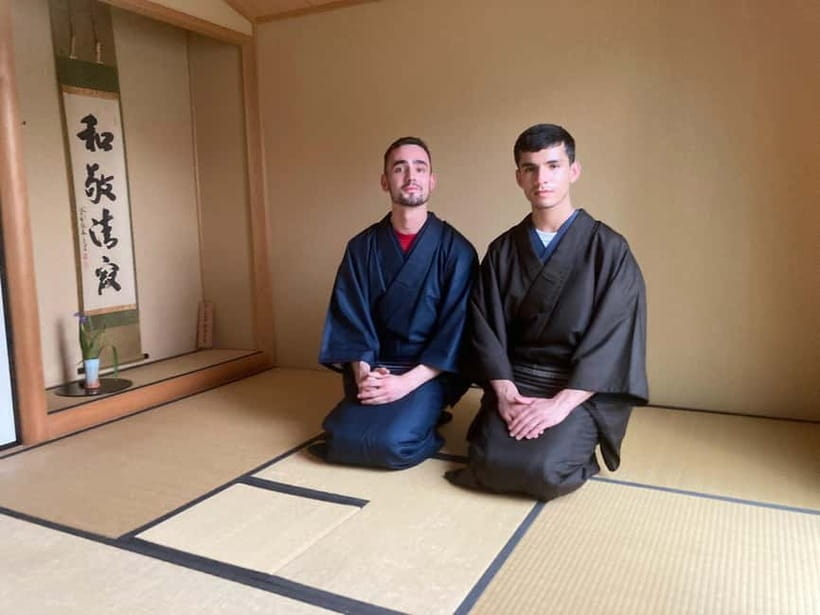
If you’ve only got one “culture” activity in Tokyo, a tea ceremony is a great pick because it’s simple and specific. You’re not trying to cram in ten sights—you’re learning one ritual with your hands, your attention, and your senses.
What makes this one stand out is the combination of a seasoned instructor and a small room setup. Mari’s background matters because she can explain not only what to do, but why the movements slow you down. I also like that the session is welcoming to people with zero tea knowledge; you don’t need to pretend you’re a connoisseur.
There’s also a practical satisfaction here: you’ll do the whisking and you’ll see what changes as you refine your steps. That’s the kind of souvenir you can take home—muscle memory, not just photos.
Meet Mari at Senraku-an and get oriented fast
You meet at Senraku-an about 10 minutes before the start. Plan to arrive early enough to settle yourself. In a small tea-room experience, a calm arrival helps everything go smoother.
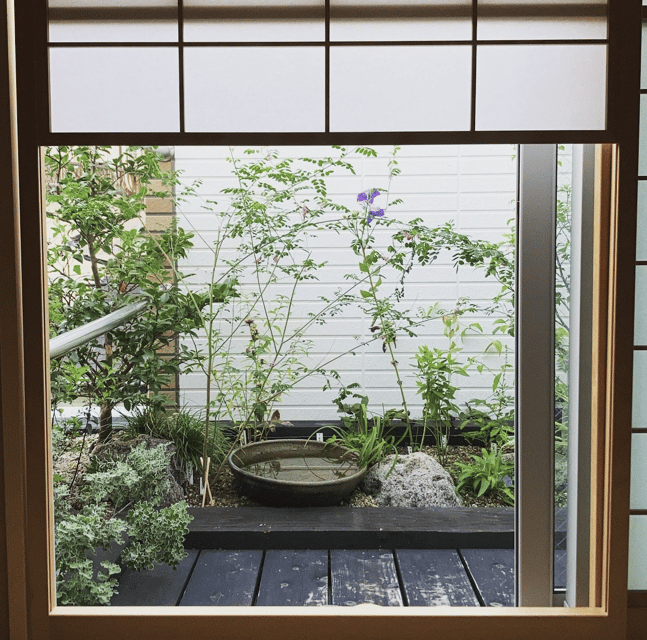
You’ll be walking from Nishi-Nippori station (about a 7-minute walk). The area is known for a quiet riverside feel, which helps you transition away from Tokyo’s pace. And if you’re pairing this with nearby neighborhood time later, the location is set up well: you’re close to Yanaka and Nezu Shrine.
One caution: this is described as a residential setting. A recent note flagged that the room can be tricky to locate for taxis, and that the tea room is reached by two flights of narrow stairs. If you’re traveling with someone who struggles with stairs, ask about the exact route in advance. It’s the kind of detail that makes a big difference in comfort.
You can also read our reviews of more tours and experiences in Tokyo.



What happens during the 1-hour ceremony
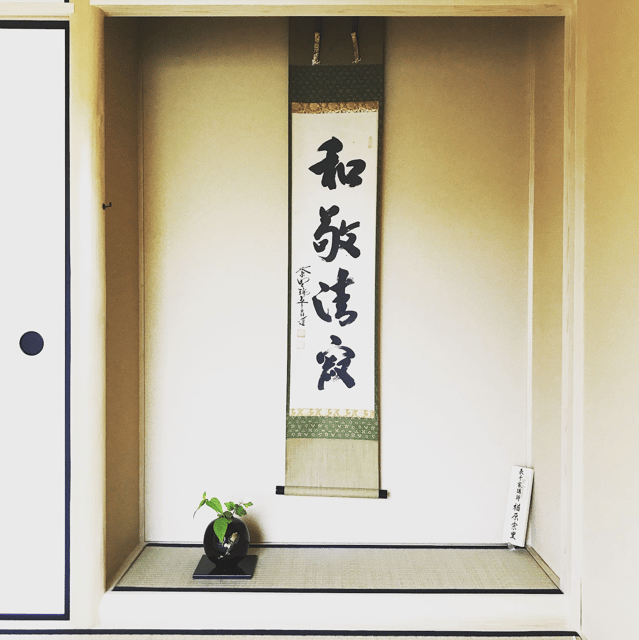
This is a 1-hour experience, and it’s structured enough that you won’t feel lost. You’ll start with instruction from Mari, then move into the main course: making matcha the right way, at a pace that supports mindfulness.
Even if you’ve never done a tea ceremony before, the session is designed to guide you without talking down. The pace is calm and focused—built for learning. Mari’s English instruction is a big part of that, especially for the parts where people usually get stuck: whisking technique, posture, and the rhythm of steps.
While the ceremony includes traditional elements, the practical focus is clear: you’ll understand the flow well enough to repeat it later. People who care about accuracy will appreciate the attention to movement and timing. People who just want something meaningful will appreciate that it doesn’t feel like a test.
Matcha prep and sweets: the hands-on part you’ll remember
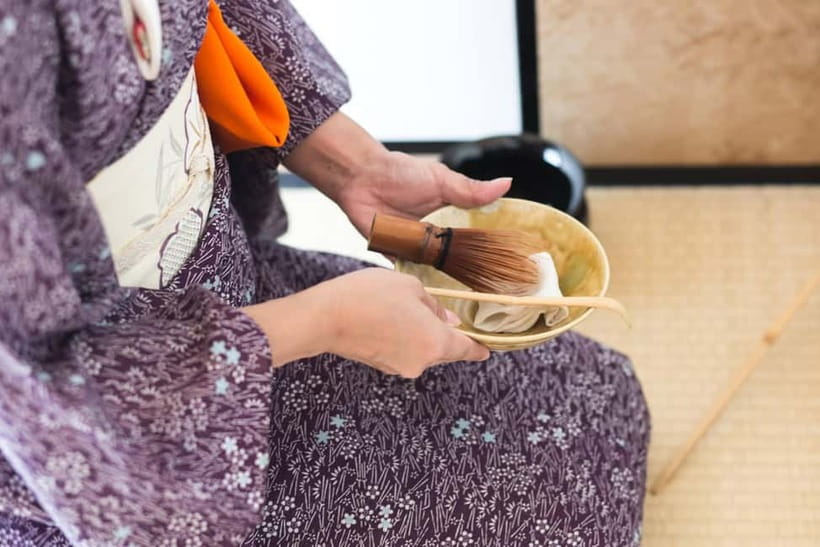
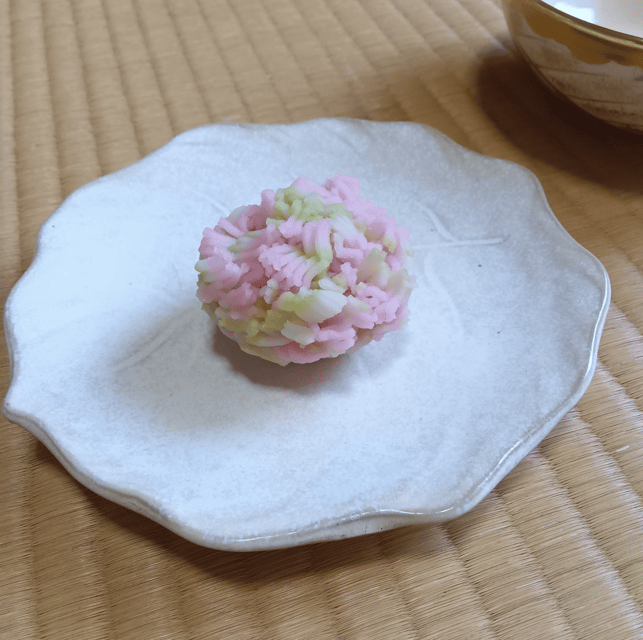
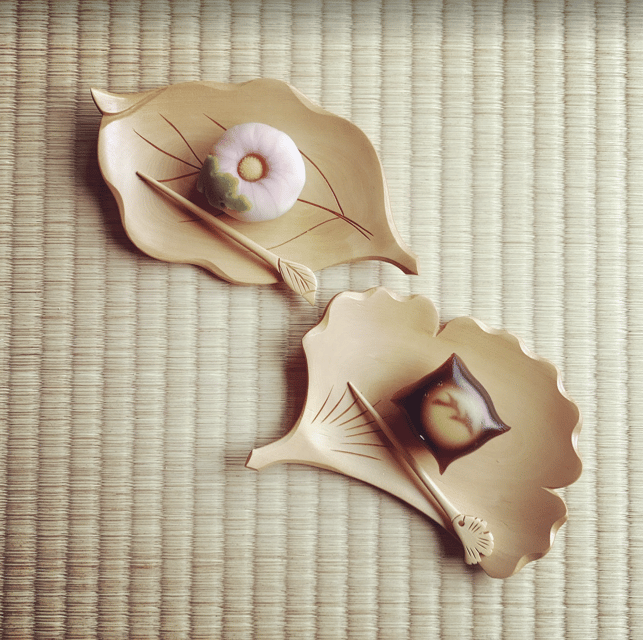
Your session includes matcha and traditional dried sweets. That matters because you’re experiencing the ceremony as a full little moment, not just drinking green tea.
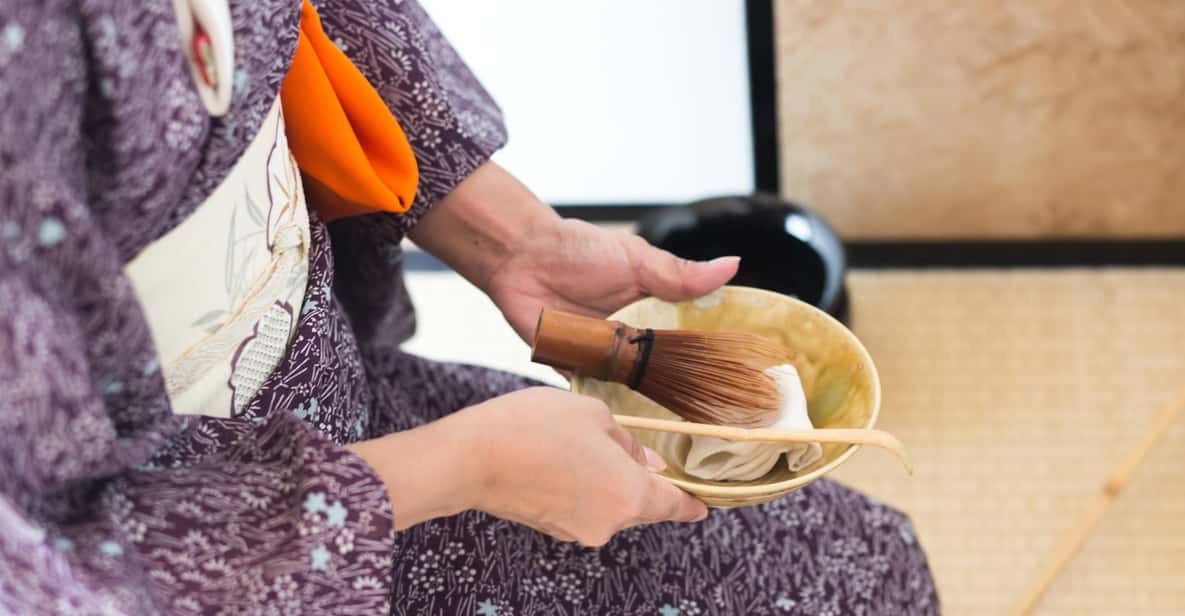
The matcha portion is the star. If you choose to, you’ll make your own tea under guidance. You’ll learn the whisking process with Mari’s direction, including the movements that reflect balance and mindfulness. The goal is not speed—it’s control and calm.
There’s also a small but helpful detail mentioned in feedback: Mari may show you how to fold the tea towel and then help you practice a few times. That kind of coaching is worth its weight because it turns vague instructions into something you can actually do with your own hands.
If you tend to learn best by doing, this is one of those activities that clicks. Watching alone can be calming, but preparing the matcha gives you a different level of understanding. You’ll likely come away thinking about texture, aroma, and the simple discipline of repeating precise motions.
The value question: is $51 worth it?
At $51 per person for one hour, the key question is what you’re buying. You’re not paying for a ticket to a show. You’re paying for an English-speaking instructor with 20 years of tea experience, plus the ingredients and guidance to participate.
Because the group is limited to 6 participants, you’re more likely to get individual attention. That’s a real value factor. In a larger classroom, you’d spend half your time watching. Here, you can ask questions and you can practice the steps that matter.
Also, the included sweets and matcha make the hour feel complete. You’re walking away with something more satisfying than a quick sip at a café—something closer to a guided ritual you personally performed.
If you’re the type who enjoys slow travel activities and doesn’t mind sitting quietly for an hour, this price generally makes sense. If you’re strictly sightseeing-on-a-clock and want constant motion, tea ceremony might feel too calm. But for many visitors, it’s exactly the change of pace Tokyo needed.
Location perks: Nishi-Nippori and easy pairing with Yanaka
Tokyo is huge, so location is not a small detail. This experience starts with a convenient walk from Nishi-Nippori station. That makes it easier to slot into a day without burning time on transfers.
Then there’s the neighborhood pairing potential. You’re close to Yanaka and Nezu Shrine, two areas that tend to feel more “lived-in” than the most skyscraper-heavy parts of the city. So after your tea ceremony, you can keep the mood going—slow streets, small stops, and a more local rhythm.
Another plus is the nearby riverside calm. The session location is described as serene, and that matters because tea ceremony is about focus. If you’re coming in already frazzled, the surrounding quiet helps you settle in before the first movement.






English instruction and small-group comfort
A lot of cultural activities in Japan can be intimidating if you feel like you’ll do everything wrong. This one tackles that head-on by using English instruction and keeping the group small.
The small group limit—up to 6 people—is a practical gift. You get time to understand the steps instead of rushing through them. You also have room to ask questions, and Mari can slow down when needed.
This also makes the experience suitable for a wide range of visitors:
- Couples who want a calm shared activity
- Families looking for something cultural that’s not overly complicated
- Solo travelers who want a guided reset in the middle of Tokyo days
From feedback, Mari is patient and supportive, including helping people practice small technique points. That’s the difference between feeling lost and actually learning.
Optional kimono: fun, but double-check comfort and cost
You can request kimono styling. The base session doesn’t include it, and the info notes kimono is an optional add-on.
A recent note flagged that kimono dressing can be expensive, so treat it as a value trade-off. If you want the photos and the full experience, it may be worth it. If you’re mainly here for the tea lesson, you can save money and put that toward snacks or a museum day.
Also consider the stairs issue again. If you’re wearing a kimono, narrow stairs can feel even tighter. If you do request kimono, it’s smart to ask how the dressing and tea-room access will work.
Should you book this tea ceremony near Tokyo’s Kamogawa Delta?
Book it if you want a calm, hands-on cultural experience that doesn’t require prior knowledge. This is a good fit for people who like learning through practice and who appreciate small-group attention. The included matcha, sweets, and guided participation make it feel complete for the time you spend.
Skip—or at least ask extra questions before booking—if you need easy step-free access or you dislike places that can be tricky to find in residential areas. The narrow-stair note matters, and taxis may not always locate the spot effortlessly. If stairs are an issue, send a message ahead and confirm the route.
One more reason I’d recommend booking: Tokyo can overwhelm you with speed. This gives you a structured hour where your brain gets to slow down. You leave with matcha skills, not just a memory.
FAQ
Where is the meeting point?
You meet at Senraku-an about 10 minutes before the experience.
How long is the tea ceremony?
The experience lasts 1 hour.
What language is the instructor?
The instructor provides the lesson in English.
How big is the group?
This is a small group limited to 6 participants.
What’s included in the price?
Matcha, traditional dried sweets, and the tea ceremony lesson with the instructor are included.
Is transportation included?
No. Transportation is not included.
Can I request a kimono?
Kimono is not included, but you can request it.
What if the stairs are a problem?
The tea room access involves two flights of narrow stairs. If mobility is a concern or you need easier access, ask the team for details before you go.