REVIEW · TOKYO
Shibuya: Pachinko Gaming Experience
Book on GetYourGuide →Operated by Horizon GK · Bookable on GetYourGuide
Pachinko looks chaotic until someone teaches you, and Shibuya makes that lesson easy to follow. I like the way you get pachinko fundamentals fast, including the key rules and how to actually play without embarrassing mistakes. I also like the cultural context you pick up on why this game became part of daily Japanese entertainment. The one drawback: the guided hour does not include the pachinko gaming fee, so you should expect extra spending once you’re inside.
You’ll meet at the Hachiko Memorial Statue area, right by the lottery ticket booth, and your guide holds a blue tablet so you can spot them quickly. With a small group limited to 3 people and English support plus translation, you spend the time learning the game instead of guessing.
In This Review
- Key points before you go
- Why Shibuya Pachinko Works Better Than Doing It Blind
- Meeting at Hachiko: How to Find Your Guide Fast
- The 1-Hour Format: What You Really Get for $19
- From Shibuya Streets to the Parlor: Why the Context Matters
- Inside the Pachinko Parlor: What You’ll Do Once You Walk In
- How the Rules Coaching Saves You from the Awkward Moments
- Getting the Most Out of the Coaching During Your One Hour
- The Shibuya Pachinko Subculture: What You’ll Notice After the Lesson
- Practical Stuff That Affects Your Experience (More Than You Think)
- The pachinko fee is extra
- You only have one hour
- This isn’t for everyone
- English support and interpretation help a lot
- Who This Tour Fits Best
- Price and Logistics: Is It Worth $19?
- Should You Book the Shibuya Pachinko Gaming Experience?
- FAQ
- Where is the meeting point?
- What time should I arrive?
- How long is the tour?
- How much does it cost?
- What’s included in the tour price?
- What is not included?
- Is the tour suitable for kids?
- Is the tour wheelchair accessible?
Key points before you go
- Small group of up to 3 means more time for your questions and less waiting around
- Learn the rules first so you know what you’re doing when the machine lights up
- Hachiko meeting point at Shibuya is easy to find, with the guide holding a blue tablet
- English live guide with translation helps you understand play instructions in real time
- Not a kids activity since it’s not suitable for children under 18
Why Shibuya Pachinko Works Better Than Doing It Blind
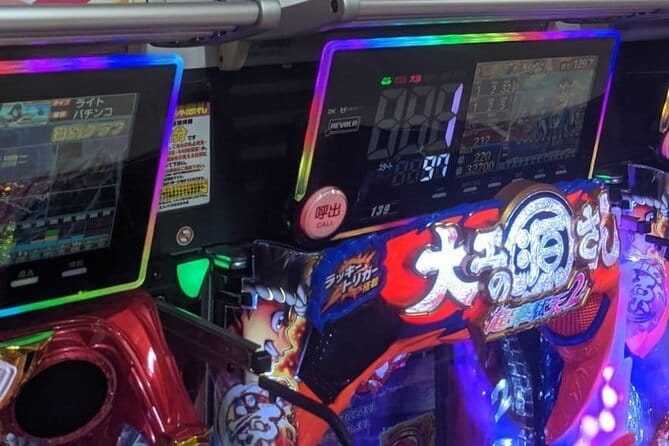
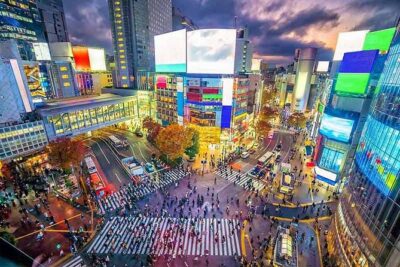
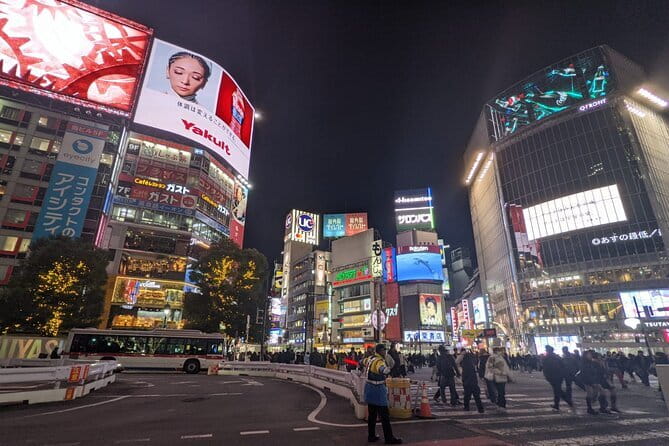
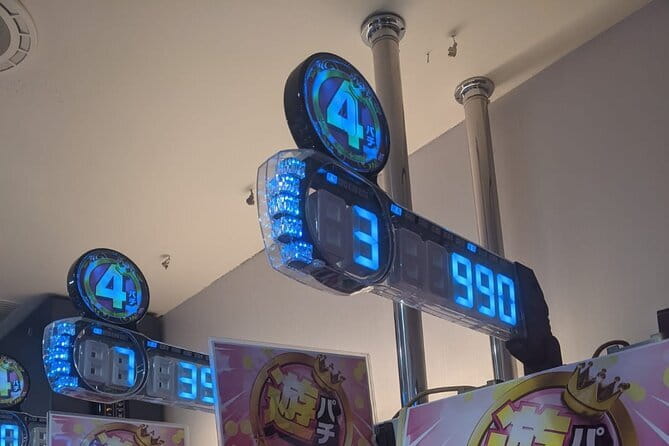
Shibuya is one of those places where you can’t help but notice the game culture. Even from the sidewalk, you’ll see the glow of pachinko parlors and the constant motion around them. But if you walk in without a guide, it can feel like you’re watching a complicated machine language you don’t speak.
That’s why this experience clicks. You get a structured introduction—history context plus practical instruction—so you can connect what you’re seeing to how the game actually works. And the small group size matters. With only a few people, you’re less likely to get pushed to the side while someone else asks the questions you were afraid to ask.
I also appreciate that the focus isn’t on gambling bravado. The tour pitch is about learning and not looking clueless at the machine. That makes it feel like a real introduction, not a hard sell.
You can also read our reviews of more tours and experiences in Tokyo.



Meeting at Hachiko: How to Find Your Guide Fast
Your starting point is near the Hachiko Memorial Statue, right on the side where you can see the lottery ticket booth. The guide waits in front of that booth, and you’re told to arrive about 5 minutes early.
Two details help you get your bearings:
- The guide will be holding a blue tablet.
- If the guide doesn’t appear after 20 minutes, it’s treated as a no-show, and you’re encouraged to contact the provider directly if you get lost.
This might sound like boring logistics, but it’s part of the value. Shibuya is busy, and pachinko parlors can be crowded too. If you’re late, you lose the whole pace of the hour.
The 1-Hour Format: What You Really Get for $19
At $19 per person for an hour, you’re paying for instruction and interpretation—not for the chance to rack up free credits. The actual pachinko gaming fee is not included, and drinks aren’t included either.
So the right way to think about value is this: you’re buying a guided, English explanation of what’s going on in the parlor. Without that, you’d be spending your time figuring out basics while everyone else is already moving through the process.
Because the group is small (limited to 3), the guide can slow down for you. That’s especially helpful if pachinko is new and you don’t know which parts matter most. In the end, you get a better first experience, which is worth real money in Japan—time is never cheap.
From Shibuya Streets to the Parlor: Why the Context Matters
Before you even touch a machine, you’ll walk through Shibuya City with a guide. The goal is to understand why pachinko isn’t just a game. It’s social entertainment, a kind of shared ritual people come to for noise, lights, competition, and conversation.
You also get a short history thread. Pachinko traces back to the early 20th century, evolving from a simpler mechanical pinball-like idea into the high-tech machines you’ll see today. That matters because modern parlors feel intense. Knowing where the format came from makes it less mysterious and more interesting.
Even if you aren’t a history buff, this context helps you read the parlor environment:
- Why it’s designed to be fast and attention-grabbing
- Why the layout encourages repeated attempts
- Why people treat it like more than just luck
Inside the Pachinko Parlor: What You’ll Do Once You Walk In
Once you step into the parlor, the first thing you’ll notice is sensory overload: bright lights, constant sounds, and machines everywhere. This is exactly where a guide helps. Your job shouldn’t be to translate a manual in your head.
You’ll learn the basics of gameplay, centered on two practical steps:
- Purchasing your first set of metal balls
- Launching them into the machine
That’s the core loop. Everything else is built around how your shots interact with the parlor’s internal mechanics and targets. You aren’t expected to become an expert in one hour. Instead, you’re taught enough to participate without freezing, guessing, or making avoidable mistakes.





How the Rules Coaching Saves You from the Awkward Moments
One of the most useful parts of this kind of tour is that you’re not left alone to figure out etiquette and operation. The experience is designed to help you not become embarrassing at pachinko.
In practical terms, that means you’ll receive an explanation of the rules and how to operate the machine during your session, with translation and interpretation support. So if you’re unsure about what’s happening mid-game, you can ask.
The best outcome of that approach is confidence. When you know what you’re supposed to do, the noise and flashing lights stop being confusing and start being part of the entertainment.
And coaching doesn’t mean rigid. A guide named Ing is specifically praised for explaining the unique nature of pachinko clearly, and other feedback highlights positive, patient support—especially when people start getting results.
Getting the Most Out of the Coaching During Your One Hour
Because your time is limited, you’ll want to ask smart questions early. Here’s how I’d use the hour if I were you:
- Ask what you should watch for after you shoot (what changes when a result happens)
- Ask what the guide wants you to do next, step by step
- Ask for a quick reset if you feel lost at any point
Your goal isn’t to win a fortune. It’s to understand the mechanics enough that you leave knowing what you experienced, not just that you pressed buttons.
Small-group instruction makes this realistic. With only up to 3 participants, there’s less chance of getting brushed aside, and you can get clarity faster.
The Shibuya Pachinko Subculture: What You’ll Notice After the Lesson
Pachinko has been popular for decades, and in Shibuya it’s part of a larger entertainment scene. Once you understand the basics, you’ll start noticing patterns you might’ve missed before:
- People returning repeatedly, not treating it like a one-time event
- Different machines drawing different styles of play
- The way the space encourages focus and rhythm
This is also where the tour’s focus on social interaction pays off. You’re not just watching machines. You’re learning a shared language of behavior that locals follow without thinking too hard.
And that’s one reason I like starting at Shibuya rather than elsewhere. The city gives you a stage where pachinko looks like it belongs.
Practical Stuff That Affects Your Experience (More Than You Think)
A few details will shape how good your hour feels:
The pachinko fee is extra
The tour price covers the guide, rules explanation, and translation. Your pachinko gaming fee is separate, so go in with a budget for playing time. If you only want to watch, this experience still requires paying the gaming fee since the lesson is tied to actually doing it.
You only have one hour
You’ll get a useful introduction, not mastery. If you want repeated practice over multiple sessions, you’d likely need to come back on your own later.
This isn’t for everyone
It’s not suitable for children under 18. If you’re traveling with teens or a younger crowd, you’ll need to look for a different activity.
English support and interpretation help a lot
The tour runs in English with translation and interpretation. That means you can understand what the guide is saying about rules and play, not just follow gestures.
Who This Tour Fits Best
This is a great fit if:
- You’re curious about Japanese gaming culture and want a clean introduction
- You’re new to pachinko and want a guide to prevent confusion
- You prefer small groups and real Q&A over a big group rush
- You’d rather learn etiquette and rules early than get stuck inside a parlor
It’s less ideal if:
- You already know pachinko mechanics and just want to pay and play
- You hate any extra cost beyond the ticket price, since the gaming fee is not included
- You’re expecting a long practice session (it’s one hour)
Price and Logistics: Is It Worth $19?
For $19, you’re paying for time, translation, and the rules briefing inside a space where you can easily lose 60 minutes trying to figure things out yourself. Since pachinko play fees and drinks aren’t included, you should treat this as a guided starter course.
In my view, this is good value because:
- The guide helps you understand how to play instead of just watching
- Small group limits the chance you’ll feel rushed
- You get help with the practical “what do I do now” moments
If you were going to pay to play anyway, the extra spend is usually worth it when a guide prevents wasted attempts and confusion.
Should You Book the Shibuya Pachinko Gaming Experience?
If you want a straightforward way to experience pachinko culture without stumbling, I’d book it. The biggest strength is the combination of English live guidance, rules explanation, and hands-on coaching in a one-hour window. That’s exactly what you need for a first visit.
Skip it only if you already know how to play and you’re comfortable entering a parlor solo with no rule support. Otherwise, this tour is a smart, practical way to turn Shibuya’s pachinko glow into something you actually understand.
FAQ
Where is the meeting point?
Meet your guide near the Hachiko Memorial Statue, on the right side. Your guide will wait in front of the lottery ticket booth.
What time should I arrive?
Please reach about 5 minutes before the tour guide start time.
How long is the tour?
The tour lasts 1 hour.
How much does it cost?
The price is listed as $19 per person.
What’s included in the tour price?
It includes a guided tour, explanation of the rules for the pachinko game, and translation and interpretation.
What is not included?
The pachinko gaming fee and drinks are not included.
Is the tour suitable for kids?
No. It is not suitable for children under 18.
Is the tour wheelchair accessible?
Yes, it is wheelchair accessible.