REVIEW · TOKYO
Kamakura: One Day Private Tour with English Speaking Guide
Book on GetYourGuide →Operated by Japan Travelers · Bookable on GetYourGuide
Kamakura in one day feels like a time machine on wheels. I love how this private setup lets you hit the Great Buddha at Kōtoku-in and then keep moving at a pace that makes sense for your group. You’re not stuck with a rigid bus schedule, and the day is built around temples, coastal mood, and real daily Japan.
Two things I especially like: the private van with your driver keeps the transfers smooth, and the English-speaking guide can tailor the day to what you care about most. One thing to consider: since it’s also a driver-led logistics day, it’s worth being clear that your guide will actively join you at each main stop for explanations, not only for the ride.
In This Review
- Key Things to Know Before You Go
- Tokyo Pickup to Kamakura: Why This Tour Feels Easiest
- Entering Kōtoku-in: The Big Buddha Moment in Real Scale
- Hokokuji Bamboo Forest: A Photo Stop With Real Purpose
- Hase-dera Temple: Views, Steps, and a Slower Rhythm
- Tsurugaoka Hachimangu and KOMACHI Street: Shrines Plus Shopping Break
- Enoshima Island and Benten Shrines: Coastal Mood With Spiritual Stops
- Yokohama Add-On: Chinatown, Sankeien Gardens, and Shin-Yokohama Ramen Museum
- Yokohama Chinatown
- Sankeien Gardens
- Shin-Yokohama Ramen Museum
- Customization: How to Get More Value Out of Your Day
- Price and Logistics: Is $486 Per Group Worth It?
- What’s Included (and What You’ll Plan Around)
- A Note on Guide Coverage: Getting the Explanations You Paid For
- Who This Tour Suits Best (and Who Might Not)
- Should You Book This Kamakura Private Tour?
- FAQ
- How long is the Kamakura one-day private tour?
- Where does the tour start and end?
- Is lunch included?
- Are attraction admission fees included?
- What is included in the tour transportation and guiding?
- What languages is the guide available in?
- Is the tour suitable for everyone?
Key Things to Know Before You Go
- Private van comfort for a full 10 hours: Less stress between Kamakura and the Yokohama side trip.
- Kōtoku-in’s Great Buddha: A major, photo-ready stop with guided context.
- Hokokuji Bamboo Forest timing: A photo stop plus guided time, so you don’t just snap and rush.
- KOMACHI Street shopping included in the flow: You get a natural reason to pause and browse local goods.
- Enoshima’s Benten shrines: Expect multiple small shrine stops and a coastal vibe.
- Yokohama bonus day sights: Chinatown, Sankeien Gardens, and Shin-Yokohama Ramen Museum all fit into the plan.
Tokyo Pickup to Kamakura: Why This Tour Feels Easiest
You start in Tokyo with pickup from your hotel, then your group heads south by private van. With a trip this long, the quiet advantage is that you can stop focusing on directions and start focusing on what you’ll actually do when you arrive.
This is also a day with more than one “style” of sightseeing. You’re moving between temple grounds, shopping streets, and coastal island scenery, and the private vehicle helps keep those transitions from turning into wasted time. The tour is designed around a 10-hour window, so you get real coverage without feeling like you lived in a train.
You can also read our reviews of more guided tours in Tokyo
Entering Kōtoku-in: The Big Buddha Moment in Real Scale
Kōtoku-in is the headline stop, and it’s easy to see why. The tour takes you to the Big Image of Buddha here, with guided time that helps you understand what you’re looking at instead of just admiring the size.
The Big Buddha is one of those places where your brain shifts from sightseeing mode to “wait, this is bigger than I expected.” Guided context matters because it turns a landmark into a story you can remember. Plan for good walking shoes and take your time—this is a stop where photos are fun, but your best memories will come from slowing down inside the temple setting.
What you’ll like: guided explanation plus enough time to soak up the atmosphere.
Possible drawback: if you’re expecting a fast photo sprint, you might want to ask your guide to adjust timing before you start.
Hokokuji Bamboo Forest: A Photo Stop With Real Purpose
Next comes the Hokokuji Bamboo Forest, set up as a photo stop plus guided time. Even if you’ve seen bamboo imagery online, standing there changes the feeling. The sound, the light, and the way the paths funnel you forward make it more than a background.
Because this is placed early enough in the day, you can still enjoy it without rushing later when energy runs low. I like that you’re not stuck taking pictures from one spot; guided time gives you the chance to understand layout and choose where to linger.
Tip: bring your camera settings ready. Bamboo can make lighting tricky if clouds roll in, and you’ll want options for both bright and shaded spots.
Hase-dera Temple: Views, Steps, and a Slower Rhythm
Hase-dera is another guided temple stop, and it tends to be the kind of place where you naturally slow down. The grounds encourage walking, looking up, and pausing for views—exactly the kind of pacing that works well in a private format.
Even when schedules are tight, Hase-dera has a way of making the time feel more personal than a quick curbside stop. Your guide’s role matters here: instead of you wandering with a vague plan, you’ll have pointers for what to notice and what to skip.
What to watch for: comfortable shoes. Temple walking adds up fast, especially over a full-day route.
Tsurugaoka Hachimangu and KOMACHI Street: Shrines Plus Shopping Break
Then you reach Tsurugaoka Hachimangu, one of Kamakura’s central shrine experiences. You’ll have guided time here, plus sightseeing time. This is where the day starts to feel very local: you’re surrounded by a mix of worshippers, visitors, and people going about daily life.
The tour also builds in a stop for KOMACHI Street shopping as you head toward Hachiman. That detail matters because shopping streets in Japan aren’t just for souvenirs. KOMACHI is a chance to slow down, browse snacks and small gifts, and feel the shift from western travel rhythms to Japanese neighborhood flow.
How to use KOMACHI well: decide in advance what you want to buy. If you wait until you’re tired, you’ll end up with random impulse items. If you shop with a target—local snacks, small crafts, or temple-themed goods—you’ll get better value from the time.
You can also read our reviews of more private tours in Tokyo

Enoshima Island and Benten Shrines: Coastal Mood With Spiritual Stops
One of the best parts of the experience is the Enoshima element. This small island off the coast is known for shrines dedicated to Benten, connected to luck, wealth, music, and knowledge. The tour’s description makes it clear you’ll encounter multiple shrine spots, not just a quick viewpoint.
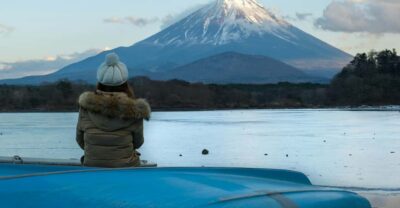
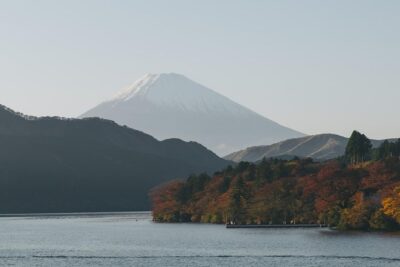
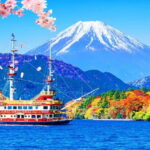
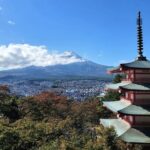
This is where the day changes texture. Kamakura can feel like dense layers of temples and history, while Enoshima adds coastal air and a sense of space. On a clear day, you may even get a stunning view of Mount Fuji, which is one of those moments that can feel like a personal bonus even if you came for the shrines.
Practical note: Enoshima can involve steps and uneven walking. If your legs are already tired from temples, you’ll feel it more here—pace yourself and take short rests.
Yokohama Add-On: Chinatown, Sankeien Gardens, and Shin-Yokohama Ramen Museum
After Kamakura, the tour expands into Yokohama, and it works because it gives you three different flavors in one stretch.
Yokohama Chinatown
You’ll spend guided sightseeing time in Yokohama Chinatown. This stop helps balance the spiritual side of the day with a food-and-street energy you can taste and see. Even if you don’t plan to do a full meal here, it’s a strong cultural contrast, and it’s a good place to pick up snacks for later.
Sankeien Gardens
Next is Sankeien Gardens with guided time and walking. Gardens are a great breather between heavier temple sites, and the guidance helps you understand what to notice as you move through the space. If you like pauses in your sightseeing—quiet views and slower movement—this stop is a strong inclusion.
Shin-Yokohama Ramen Museum
Finally, you go to Shin-Yokohama Ramen Museum. It’s a fun ending because it’s playful and hands-on, even if ramen isn’t the main reason you booked the tour. This is also where a day can shift from structured sightseeing to a more relaxed, wander-and-enjoy feeling.
Customization: How to Get More Value Out of Your Day
The tour is built to be customizable, which is a big deal when you have only 10 hours. Instead of just “seeing famous temples,” you can steer the day toward your personal checklist: more nature photos, more shrine focus, more shopping, or more guided explanations.
If you want the best results, decide early on two priorities and one flexibility point. For example:
- Priority 1: Great Buddha and major shrine sites
- Priority 2: Enoshima and coastal viewpoints
- Flexibility: how long you linger at bamboo, or how much time you spend browsing KOMACHI Street
A private guide can adjust pacing as you go. In particular, being able to ask for more time at a stop can make the difference between a day that feels rushed and a day that feels complete.
Price and Logistics: Is $486 Per Group Worth It?
At $486 per group up to 6, the price works out based on how you travel and what you’re trying to avoid. You’re paying for the private van ride, live guided service, and parking fees—plus the convenience of a hotel pickup and door-to-door return to Tokyo.
If you’re traveling as a pair, it can be more expensive per person than a shared tour, but you gain control of timing and a calmer experience. If you’re traveling as a small group, the math improves quickly because the cost is spread across more people.
This kind of day trip is also one of those “you don’t realize the value until you don’t have it” purchases. When you remove transfers by train plus the risk of getting turned around, your energy stays for the sights.
What’s Included (and What You’ll Plan Around)
Included:
- Private transportation by van
- Live tour guide (English, Hindi, Japanese)
- Customizable itinerary
- Water bottles
- Parking fees
Not included:
- Lunch
- Admission fees to attractions
So yes, you’ll want to plan for entry costs and meals. The simplest approach is to budget for lunch separately and treat admission fees as extra add-ons you pay on the spot or with whatever payment method the site accepts.
Also pack the basics the day actually requires: comfortable shoes, camera, and sunscreen. This is practical advice, not romance. You’ll walk more than you think, and temple grounds and coastal areas can get sun-heavy.
A Note on Guide Coverage: Getting the Explanations You Paid For
This tour includes a live tour guide, and that’s the heart of why you choose it. One practical consideration: on any day trip that mixes sites with driving and parking, you’ll want your guide to actively join at the main stops so you get the history and context you’re expecting.
My advice is straightforward: before the first site, make sure expectations are clear—your guide should be with you for key visits like Kōtoku-in, Hase-dera, and the shrine stops. If your guide ever needs to coordinate logistics, you still want enough explanation time at each place to make the guided portion feel worth it.
Who This Tour Suits Best (and Who Might Not)
This private format fits best if you value pacing and control. You’ll likely enjoy it if you want a mix of:
- major Kamakura temple and shrine sights
- some shopping time on KOMACHI Street
- Enoshima’s Benten shrines and possible Fuji views
- a Yokohama cultural add-on without running a second day
It’s also a good pick if you don’t want the hassle of planning routes between Tokyo, Kamakura, and Yokohama. That’s a lot of geography for a single day, and the private vehicle is the make-or-break tool.
Not suitable:
- Pregnant women (listed as not suitable for this activity)
And a common comfort rule: you’ll want to avoid smoking during the tour since smoking isn’t allowed.
Should You Book This Kamakura Private Tour?
I’d book it if you want a comfortable, private, guide-led day that hits major Kamakura landmarks plus Enoshima and a Yokohama highlight set. The combination is efficient: shrines and temples by morning, coastal spirituality and possible Fuji vibes in the mix, then Chinatown, gardens, and a fun ramen finale.
I’d pause and ask questions before booking if guide time feels unclear to you. The day depends on explanations at the sights, so make sure your guide will accompany you at the key visits, not only during driving.
If you’re the type who likes structure but still wants flexibility, this is a strong match. You’ll come away with more than photos—you’ll understand what you saw and why it matters in Kamakura’s world.
FAQ
How long is the Kamakura one-day private tour?
The tour duration is 10 hours.
Where does the tour start and end?
It starts with pickup from your Tokyo hotel and ends with an arrival back in Tokyo.
Is lunch included?
No. Lunch is not included.
Are attraction admission fees included?
No. Admission fees to attractions are not included.
What is included in the tour transportation and guiding?
You get private transportation by van and a live tour guide.
What languages is the guide available in?
The live tour guide is available in English, Hindi, and Japanese.
Is the tour suitable for everyone?
It is not suitable for pregnant women, and smoking is not allowed.