REVIEW · TOKYO
Tokyo: Asakusa & Senso-ji Temple 1.5-Hour Guided Tour
Book on GetYourGuide →Operated by DeepExperience, Inc. · Bookable on GetYourGuide
Tokyo’s oldest temple feels personal fast. This 90-minute Asakusa & Senso-ji guided tour makes the rituals make sense, from the start at Kaminarimon to pulling an omikuji fortune. I particularly like the way a professional guide explains temple etiquette and the meaning behind what you’re doing, and I also like that the tour includes the incense and omikuji fees so you’re not hunting for extras. One drawback: it’s fast, so you’ll be focused on the main experience rather than wandering every corner of the huge grounds.
You’ll start inside the Asakusa Culture and Tourism Center (2nd floor) and follow your guide in English, often identified by a yellow sign. The guide name that shows up in standout feedback is Yohei, and the common theme is clear: you learn what you’re seeing and how to do it respectfully, not just where to stand for photos. If you want a slow, self-paced day at Senso-ji, this might feel a little too structured—but for a first taste of Asakusa, it’s a smart hit of meaning and value.
In This Review
- Key highlights you’ll feel right away
- Senso-ji in 90 minutes: what you really get
- Finding your guide at Asakusa Culture and Tourism Center
- Kaminarimon first: a landmark you’ll understand more after the tour
- Purification rituals at Sensō-ji: water, incense, and manners
- Omikuji fortunes: included, explained, and delightfully odd
- Nakamise Shopping Street: shopping with less guesswork
- Price and value: is $27 worth a guided Senso-ji stop?
- Who this tour suits best (and who might skip it)
- The small-group feel: smoother than solo, without losing flexibility
- Should you book the Asakusa & Senso-ji guided tour?
- FAQ
- How long is the Tokyo: Asakusa & Senso-ji Temple 1.5-Hour Guided Tour?
- Where is the meeting point?
- What is the price per person?
- Is the tour guided in English?
- What is included in the tour price?
- Is food or drink included?
- Where do the tour activities take place?
- Does the tour include purification rituals?
- Is the tour wheelchair accessible?
- Can I choose a private or small group option?
Key highlights you’ll feel right away
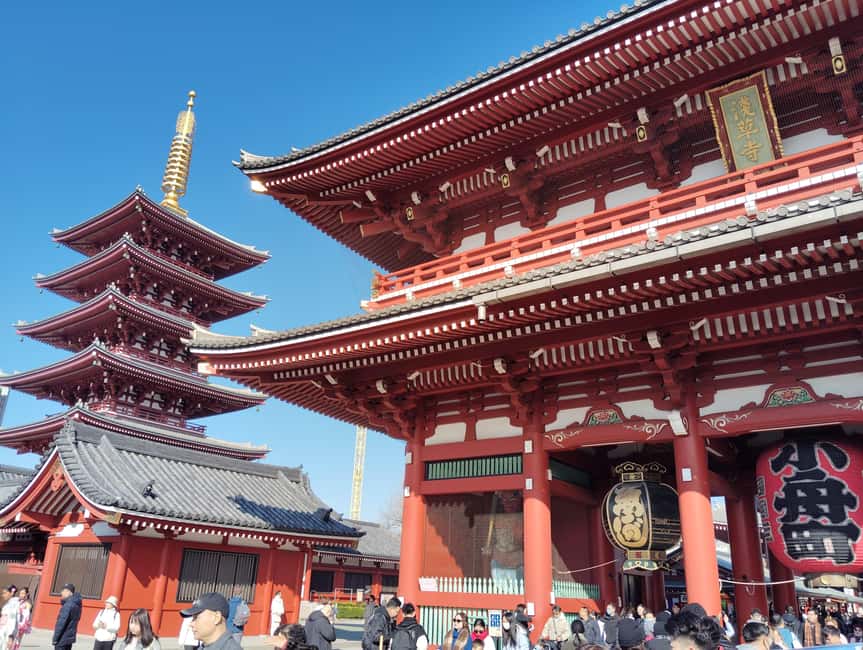
- A guided walkthrough at Tokyo’s oldest temple with a 1,400-year story behind what you see
- Purification rituals with water and incense that you can do correctly (and understand)
- Omikuji fortunes included, so you draw one without extra hunting
- Omikuji and etiquette explained in plain language, so the temple feels less confusing
- Nakamise Shopping Street stop for traditional snacks and souvenirs with context
- Small groups and wheelchair accessible for a smoother experience in a busy area
Senso-ji in 90 minutes: what you really get
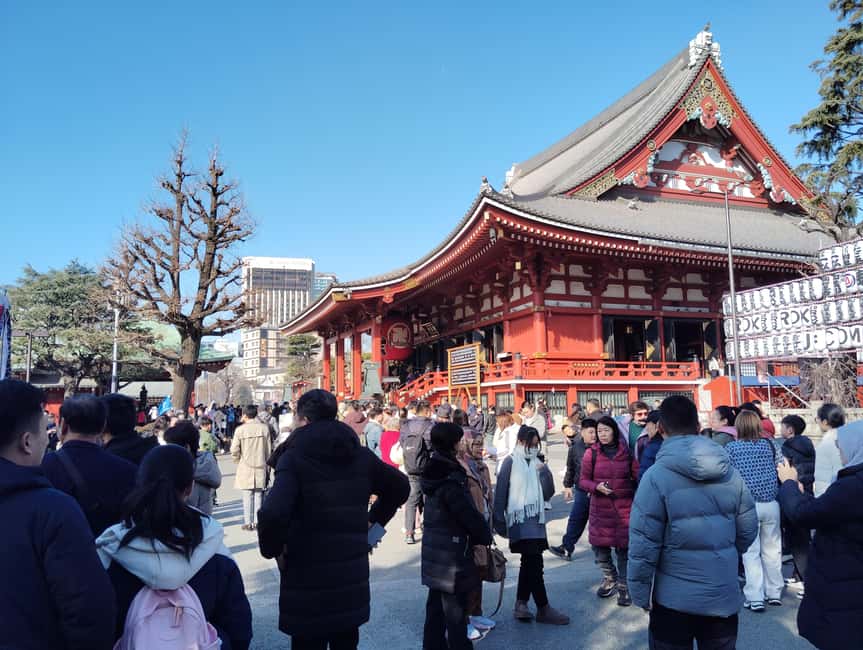
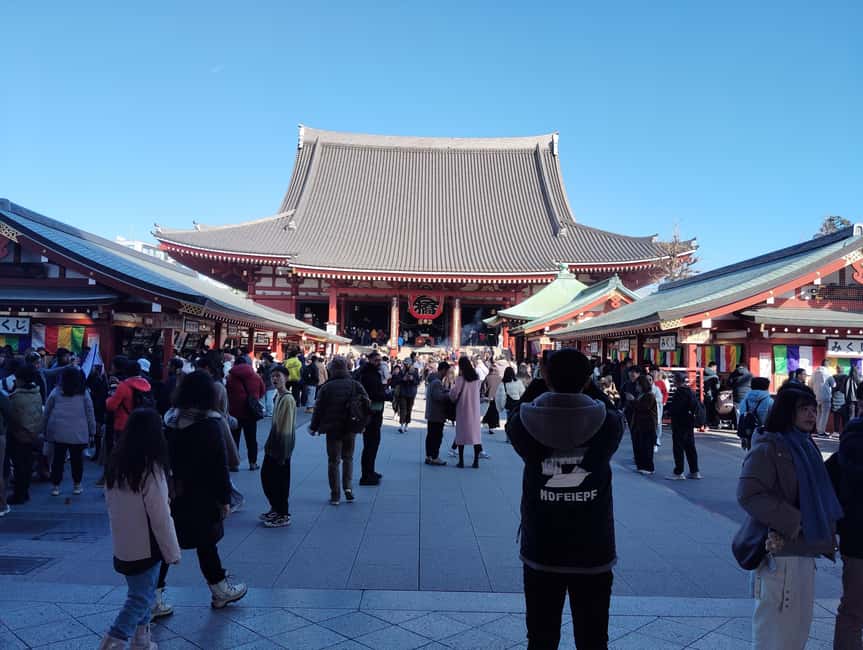
This tour is built around one mission: help you experience Senso-ji the way it’s meant to be experienced, not just photographed. You’ll spend most of your time at the temple grounds and get support through the parts that usually confuse first-timers—especially the practical etiquette and the order of rituals.
Senso-ji is described as Tokyo’s oldest temple, with a reported 1,400-year history. That’s not just a trivia number. It changes how you’ll read the place, because you’ll hear what people are still doing today and why it links back to centuries of faith.
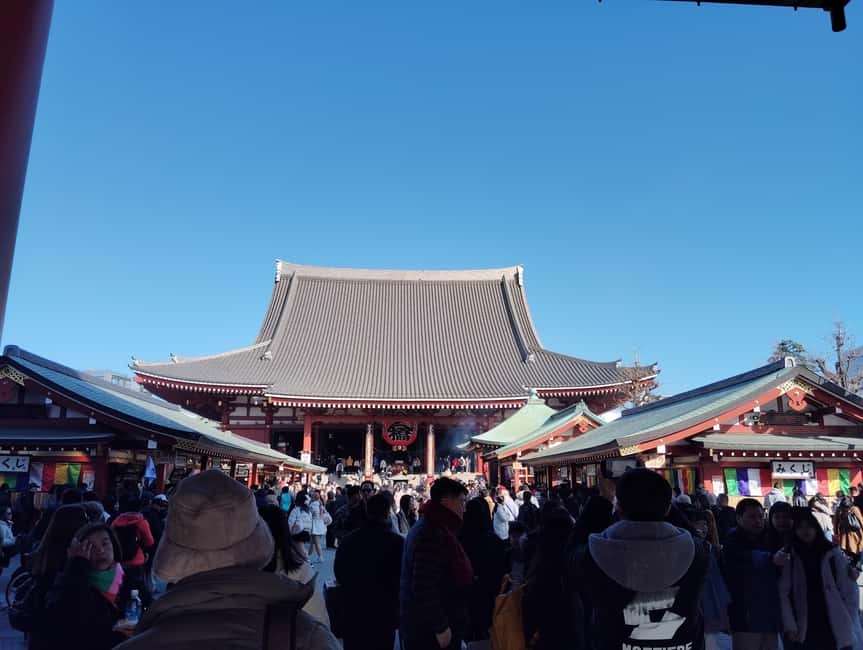
The pacing is tight. You’ll see the major highlights at a comfortable walking rhythm, but you won’t have time to meander endlessly into every hall. If you’re the type who wants to linger, think of this as a guided doorway into Senso-ji, then plan a little extra time on your own afterward.
You can also read our reviews of more guided tours in Tokyo
Finding your guide at Asakusa Culture and Tourism Center
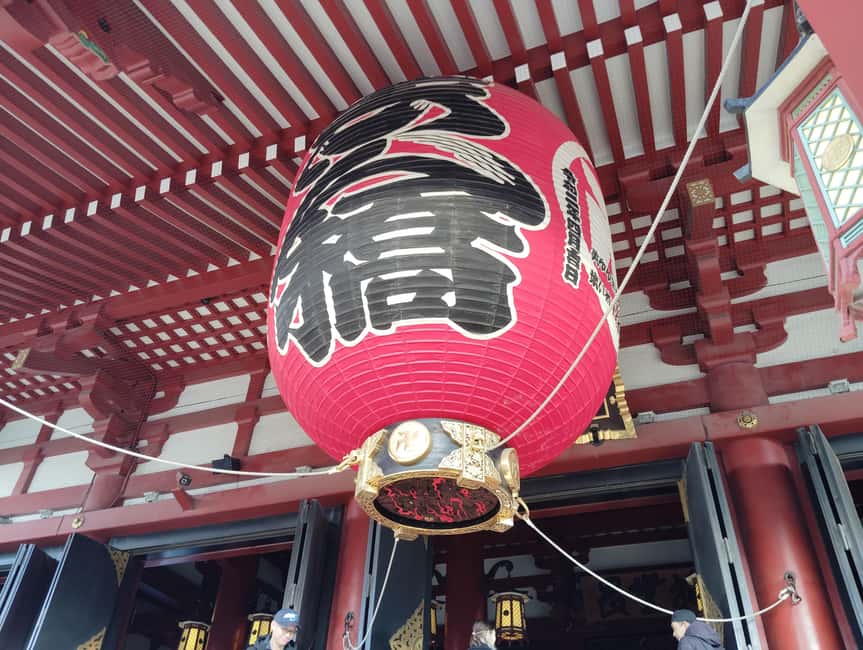
Your meeting point is inside the Asakusa Culture and Tourism Center, on the 2nd floor. The guide holds a yellow sign, which is a small detail, but it matters when you’re arriving in a crowded sightseeing zone.
This start location is convenient because it gets you off the street and moving quickly into the temple area. It also signals that the tour is set up for first-timers, meaning you get a handhold before you face all the visual noise of Asakusa.
Duration is 90 minutes total, which is ideal if you’re trying to fit a major cultural stop into a day that already includes other neighborhoods or viewpoints. You’ll get structure without losing your entire morning or afternoon.
Kaminarimon first: a landmark you’ll understand more after the tour
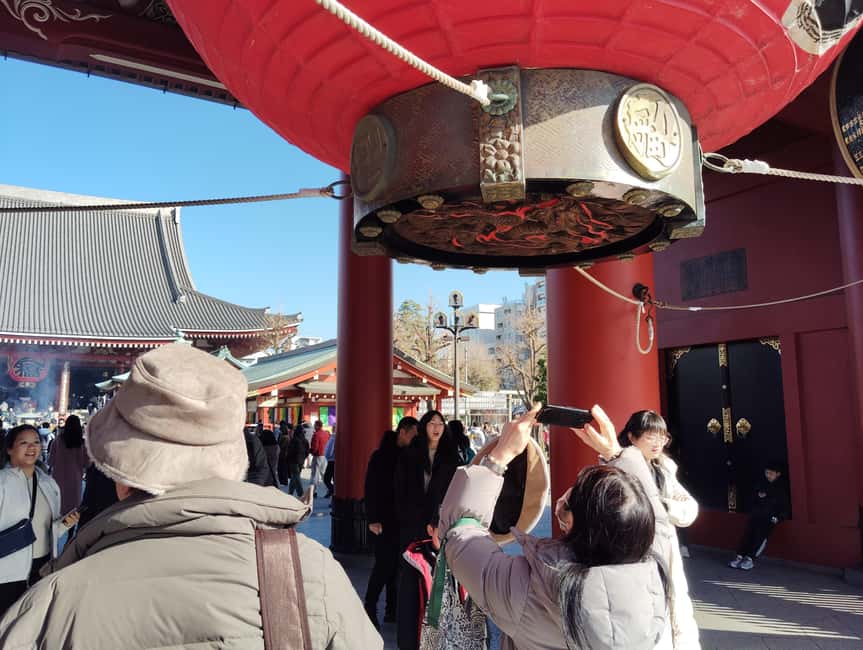
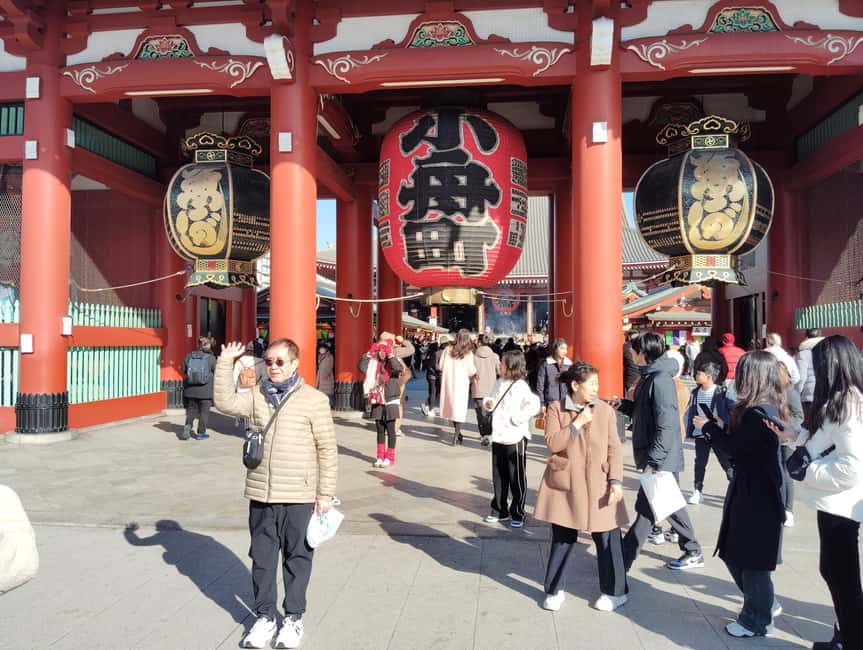
You’ll pass by Kaminarimon, the thunder gate, as part of the route. It’s scheduled for about 20 minutes, which is enough time to orient yourself and take it in without feeling rushed off to the next thing immediately.
Here’s why I like starting with Kaminarimon: it frames the whole experience. Once you see the gate and learn what it represents in the temple approach, the rest of Senso-ji clicks into place like a map you didn’t know you needed.
You’ll also finish at Asakusa-dera’s Kaminarimon, which is a nice way to wrap up. It helps you feel like you completed a loop: gate in, rituals and temple on foot, shopping street on the way out.
Purification rituals at Sensō-ji: water, incense, and manners
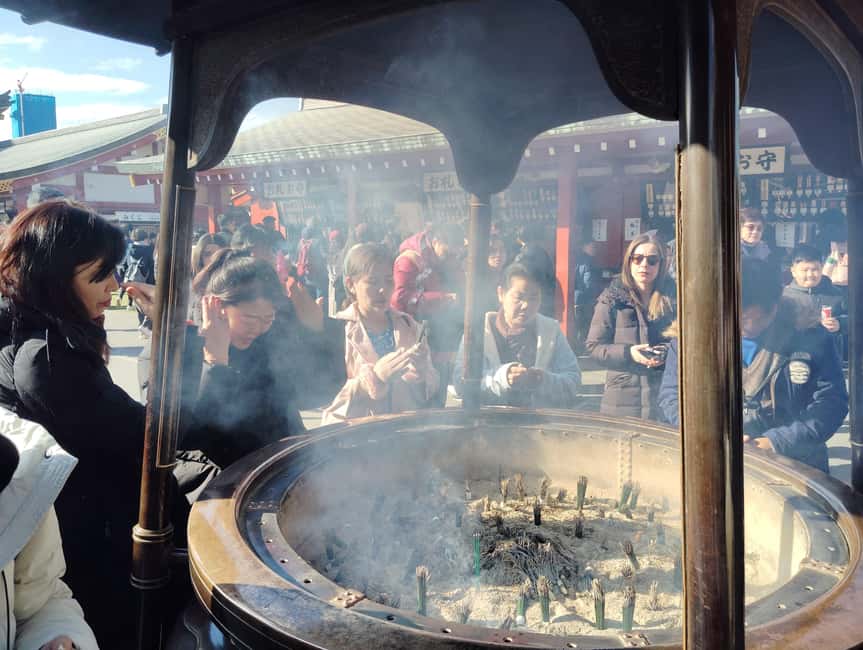
At the heart of this tour is the temple experience itself: purification and preparation. The guide leads you through the process of visiting the temple while you purify your body and mind using water and incense.
This is one of those moments where “knowing what to do” is half the value. Many people arrive at Senso-ji ready to look, but unsure about etiquette. With a guide in English, you’re not left guessing where to stand, how to proceed, or what the ritual is trying to accomplish.
The tour also includes incense fees, which is helpful because incense is easy to overlook as a potential add-on. By including it, the tour keeps your experience smoother and more predictable.
One more detail that makes this section feel meaningful: the description notes that the main image in the main hall is a hidden Buddha image, believed to save many people. You won’t only be doing physical actions. You’ll also hear the spiritual context behind why the temple space feels the way it does.
Omikuji fortunes: included, explained, and delightfully odd
Next up is the omikuji fortune-drawing. You’ll be able to draw one during the experience, and the omikuji fee is included.
Omikuji can seem like a gimmick if you treat it like a souvenir. With guidance, it turns into something more practical. You learn how to participate, and you’re less likely to treat the ritual like a joke—so the experience lands better.
The tour highlights that these fortunes are known for surprising results. Even if you don’t think the paper will change your life, the fun is in the ritual and the conversation it sparks. It’s also a low-effort way to take home a piece of the day that’s tied directly to the temple, not generic shopping.
I also like that the guide connects etiquette to the ritual. If you’re drawing a fortune, burning incense, or moving through temple areas, the guide’s direction helps you behave like you belong—respectfully and without stress.






Nakamise Shopping Street: shopping with less guesswork
After Senso-ji, you’ll stroll Nakamise Shopping Street. The schedule gives you about 15 minutes here, which is a good length for browsing without letting shopping swallow your whole time.
Nakamise is known for traditional snacks and souvenirs, and this stop fits naturally after the temple. You’ve already slowed down for the cultural core, so the shopping becomes a simple follow-up rather than the main event.
Since food & drink aren’t included, you’re free to choose what fits your tastes and budget. That’s a plus if you’re picky about snacks or you’re trying not to blow your day on impulse buys.
The guide’s presence can also make a difference even here. When you understand the flow of the area and what you’re looking at, you shop faster and spend smarter.
Price and value: is $27 worth a guided Senso-ji stop?
At $27 per person for 90 minutes, this tour is priced like a focused, “make it easy” experience rather than a full-day private excursion. What you’re paying for is time plus guidance at the moments where people usually feel lost.
What’s included matters for value:
- English speaking guide
- Incense fees
- Omikuji fee
That means you’re not just buying a walking tour with no extras. You’re also covering key participation costs that can otherwise surprise you at the last minute.
What’s not included is also clear: food & drink. That’s normal for a temple-and-shopping format, and it keeps the tour from pushing you toward specific vendors.
If you’re visiting Asakusa for the first time and you want to do Senso-ji respectfully, I think this price is fair. The biggest “value win” is confidence: you’ll know how to handle the rituals and etiquette, and you won’t feel like you’re guessing your way through a sacred space.
Who this tour suits best (and who might skip it)
This tour is a great fit if:
- You want Senso-ji explained in English rather than trying to decode it on your own
- You care about doing rituals correctly, like purification and incense
- You want omikuji without worrying about fees or how to participate
- You like a structured plan that still leaves room for browsing Nakamise
It may not be your best match if:
- You prefer a long, slow day at one site
- You plan to spend a lot of time photographing and wandering outside the main flow
- You want meals and free time built directly into the tour length (food isn’t included)
The small-group feel: smoother than solo, without losing flexibility
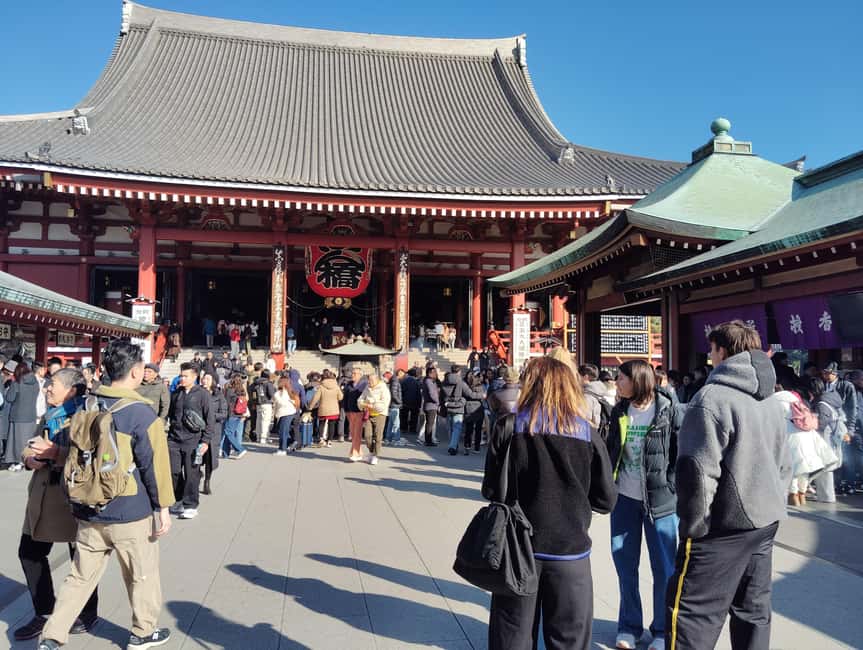
The tour notes private or small groups available. In a place like Senso-ji, that usually translates into less waiting and more practical guidance. You can hear directions clearly and follow along without constantly re-checking where everyone is.
Wheelchair accessibility is also included, which is a strong sign the route planning is practical. That matters because temples and tourist streets can be uneven, but this experience is specifically described as wheelchair accessible.
If you’re traveling with limited time, a guided format is also a stress-reducer. Instead of spending your energy figuring out what to do next, you can spend it noticing the details—the gate, the incense, the rhythm of the space.
Should you book the Asakusa & Senso-ji guided tour?
Book it if this is your first trip to Asakusa and you want Senso-ji to feel understandable and respectful. The combination of purification rituals, incense + omikuji fees included, and a guide-led explanation makes it a strong value for the time you’ll spend.
Skip it (or add extra solo time) if you’re the kind of visitor who likes hours of free wandering on sacred grounds. This tour focuses on the core experience in a tight window, so it’s best used as a foundation—not your only stop at Senso-ji.
If you do book it, arrive a bit early so you can settle before meeting. Then treat the experience like a guided cultural workout: listen, follow the steps, draw your omikuji, and use Nakamise afterward as your reward lap.
FAQ
How long is the Tokyo: Asakusa & Senso-ji Temple 1.5-Hour Guided Tour?
The tour lasts 90 minutes.
Where is the meeting point?
Meet inside the Asakusa Culture and Tourism Center, on the 2nd floor. The guide will be holding a yellow sign.
What is the price per person?
The price is $27 per person.
Is the tour guided in English?
Yes. It’s an English-speaking live guide.
What is included in the tour price?
The tour includes an English-speaking guide, incense fees, and the omikuji fee.
Is food or drink included?
No. Food and drink are not included.
Where do the tour activities take place?
You’ll visit Kaminarimon, Senso-ji Temple, and Nakamise Shopping Street, and you finish at Asakusa-dera’s Kaminarimon.
Does the tour include purification rituals?
Yes. The guide leads you through purification with water and incense.
Is the tour wheelchair accessible?
Yes, the tour is wheelchair accessible.
Can I choose a private or small group option?
Yes. Private or small groups are available.