REVIEW · TOKYO
Tokyo: Private Mount Fuji Tour with Pickup and Drop-Off
Book on GetYourGuide →Operated by Naruhito Japan tours · Bookable on GetYourGuide
Mount Fuji, minus the crowd stress. This private, customizable day trip out of Tokyo lets you set the pace with a private guide, and it funnels you to Fuji-view spots like Lake Kawaguchi. I love that your route can shift with the day’s weather, and I love that the stops are built for real photo time, not rushed drive-bys.
One thing to keep in mind: Fuji visibility is never guaranteed, and the 5th Station may depend on what’s possible that day and how your guide times it.
In This Review
- Key highlights worth planning around
- How Tokyo pickup turns a long day into a smooth one
- Lake Kawaguchi: the calm Fuji moment you’ll remember
- Oshino Hakkai: spring water, thatched roofs, and a steady pace
- Oishi Park: cherry blossoms and sweeping Fuji views
- The 5th Station decision: worth it, but not guaranteed
- Side stops your guide may add when the day allows it
- How guides keep timing under control (and why it matters on Fuji days)
- Food and entry fees: budget it so you don’t get surprised
- Price and value: when $350 per group makes sense
- Who this private Fuji day trip suits best
- Should you book this private Mount Fuji tour?
- FAQ
- Is this a private tour?
- What’s the price and group size?
- Does the tour include hotel pickup and drop-off?
- What transportation is used?
- What places can the itinerary include?
- Are entry fees included?
- Is food included?
- What should I bring?
- Is it suitable for everyone?
- What languages are supported?
Key highlights worth planning around
- Hotel pickup and drop-off in an air-conditioned van keeps the day simple from the start.
- Lake Kawaguchi gives you that postcard mirror effect when the skies cooperate.
- Oshino Hakkai mixes thatched-roof scenery with spring-water sights and a low-stress pace.
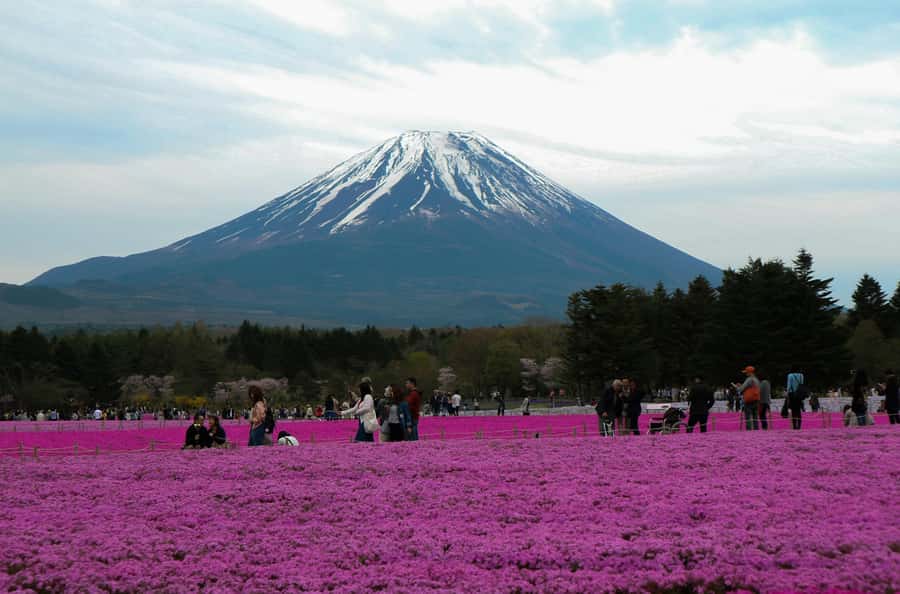
- Oishi Park is a strong choice for classic Fuji views, especially when seasonal blooms are involved.
- Your guide can reorder priorities based on visibility and your interests (some guides even adjust on the fly to catch better angles).
How Tokyo pickup turns a long day into a smooth one
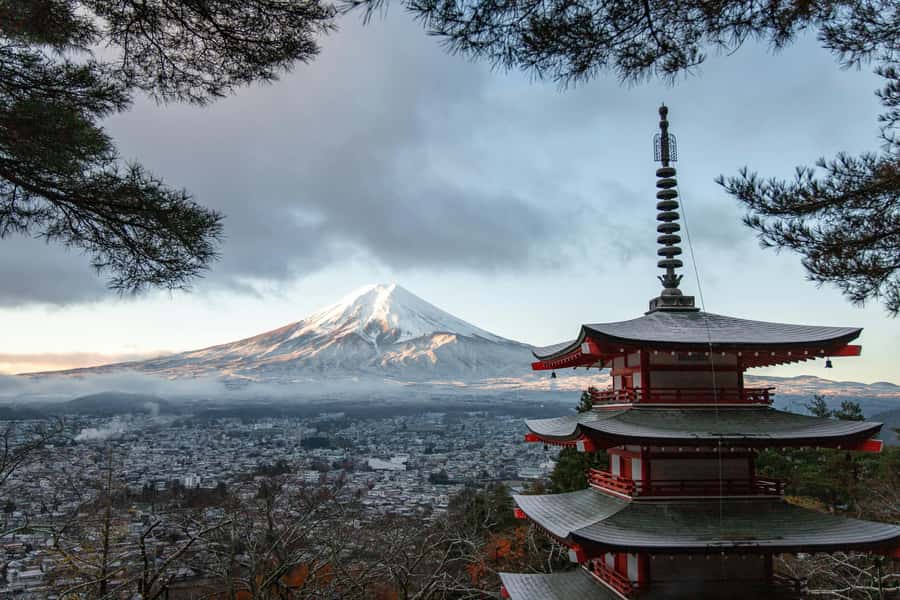
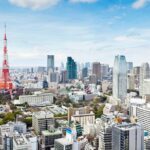
The biggest win here is that you don’t have to fight Tokyo trains, luggage, and transfers just to get to Mount Fuji. Your day starts with hotel pickup, then you roll out in a comfortable, air-conditioned van. That matters because the Fuji day game is mostly about timing: traffic, daylight, and weather all move fast.
Once you’re on the road, you’re not stuck on a fixed bus schedule. You can ask for more time at viewpoints, less time at shops, or a different stop order if your group is photo-first or food-first. Guides on these trips often seem to run the day like a checklist with eyes open, including keeping you updated about timing while you’re waiting for the next best view.
Also: it’s private. That means you can talk to your guide about what you care about—Fuji viewpoints, short walks, photo angles, or cultural stops—and the van becomes your mobile base camp.
You can also read our reviews of more private tours in Tokyo

Lake Kawaguchi: the calm Fuji moment you’ll remember
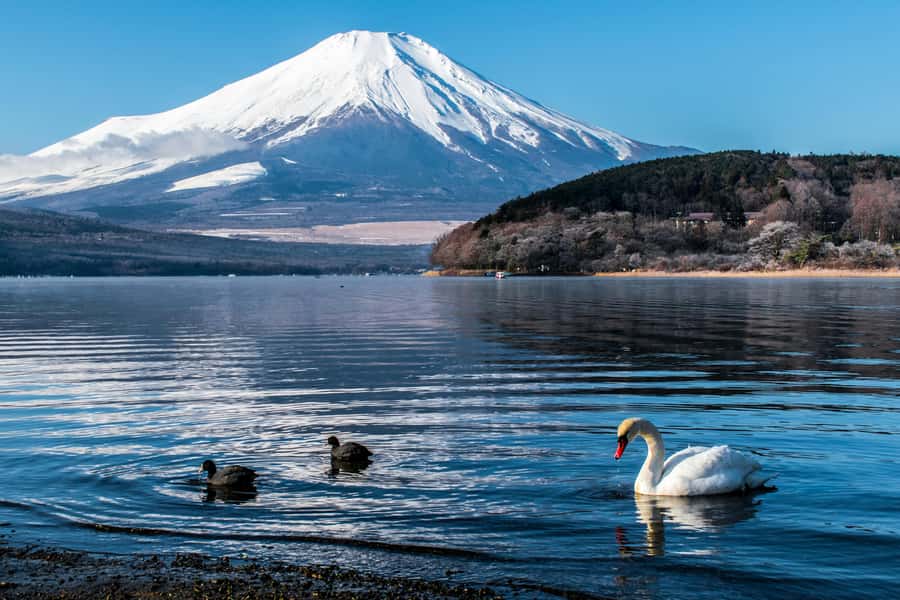
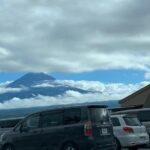
Lake Kawaguchi is the first real “wow” stop on most versions of this day. The concept is simple: when visibility is good, you get a clean reflection of Mount Fuji in still water. Even when the mountain is partially hidden, the lakefront gives you layers of scenery—shoreline views, changing light, and photo opportunities from multiple angles.
Why this stop works well on a private tour: you can linger. On group tours, “see it and go” is common. Here, you can spend time waiting for a clearer window, shifting your position slightly for better framing, or taking a slower walk along the area that feels easiest for your group.
If your priority is photographs, tell your guide right away. Guides like Harry have been praised for staying flexible based on visibility, which is exactly what you want for lake-and-mountain shots. That flexibility can turn a gray day into a good day.
Oshino Hakkai: spring water, thatched roofs, and a steady pace
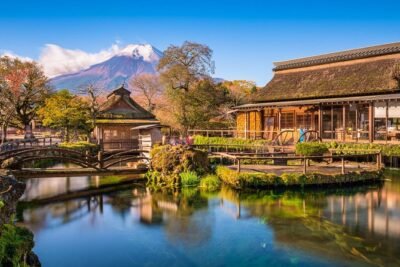
Oshino Hakkai is a favorite because it feels different from the big scenic viewpoint stops. Instead of chasing the highest angle, you get scenery tied to water and tradition. You’ll find crystal-clear spring waters and traditional thatched-roof houses, which makes the area feel more village-like and less like a viewpoint parking lot.
This is also a practical stop. It’s a good place to stretch your legs without needing serious hiking. If you’re traveling with mixed ages or energy levels, it’s the kind of place where you can choose how long you wander and where you want to pause.
One more smart move: bring your time budget here. This is where you slow down and absorb the details—water channels, small alleys, and photo corners that don’t require a big climb.
Oishi Park: cherry blossoms and sweeping Fuji views
Oishi Park is known for sweeping views of Mount Fuji and, in some seasons, dramatic cherry blossoms. The value of this stop on a private tour is simple: you can time your visit depending on what the day is giving you.
If Fuji is visible clearly, you’ll want enough time to walk to the best angles. If the clouds are thin but not perfect, you might want to keep checking conditions instead of packing up immediately. That’s one of the reasons these trips score well: your guide can shift your plan without turning the day into chaos.
And yes, this is a photo stop. But it’s also a reset for your brain. After van time and earlier viewpoints, it’s a place where you can just look—then take photos when the mountain lines up with the scenery.
The 5th Station decision: worth it, but not guaranteed
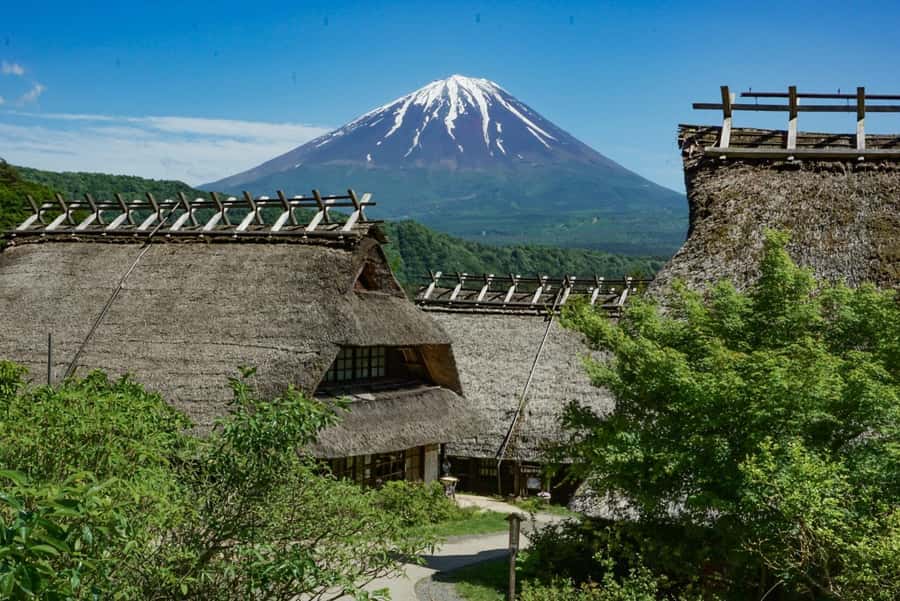
The Mount Fuji 5th Station is the big ticket item for many people. The upside is clear: higher altitude often means wider panorama views. You also get the feeling of being right at the edge of the Fuji experience, not just viewing it from the base.
The trade-off is also clear: it’s not automatically part of every day, and it depends on conditions and timing. One key consideration: on some days, your best plan may focus on what’s achievable and photogenic at the base or park level rather than committing to the higher station.
So here’s the advice that will help you most: ask your guide early whether the 5th Station fits your day. If visibility is iffy and time is tight, you may get better overall value by spending that time at viewpoints that you can actually see clearly.






Side stops your guide may add when the day allows it
This tour is built around customization, so your itinerary can include different nearby Fuji-area highlights depending on your group’s interests and what conditions allow. Some commonly added options you might see include:
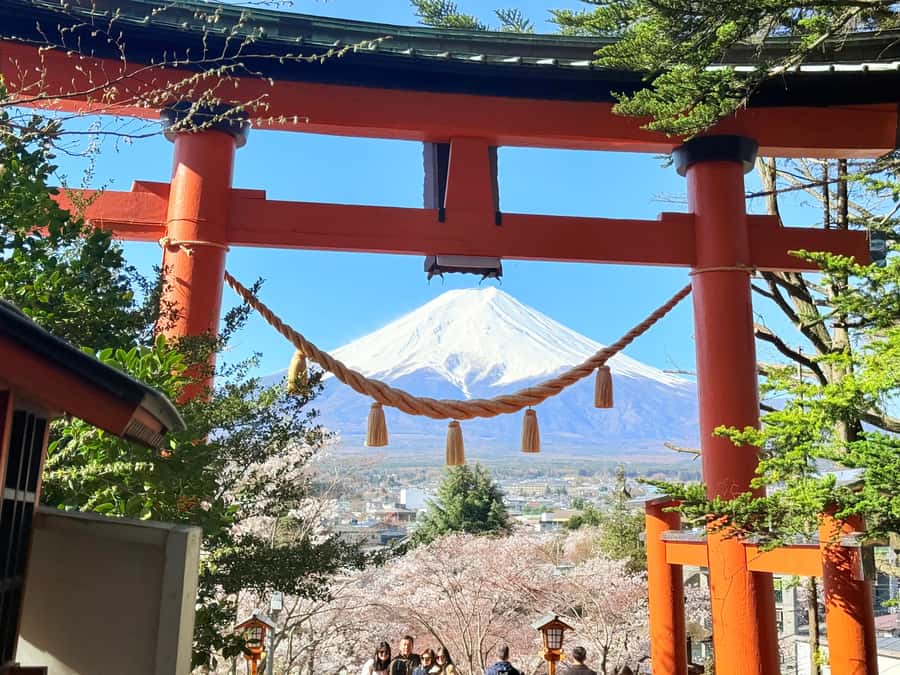
- Arakurayama Sengen Park, known for picturesque Fuji views with seasonal blossoms in the foreground (especially in mid-April timing).
- Saiko Iyashi, a historical village area with thatched-roof buildings.
- Extra viewpoint stops and photo breaks if your guide finds better angles.
You might also hear about optional activities like hiking, speed boating, or other roadside food stops. These aren’t guaranteed in every version, but the private format makes it easier to say yes when the moment feels right.
One thing I like: guides often don’t just follow a script. For example, Ahmed has been mentioned for bringing snacks like strawberries and making an additional ice-cave stop when there was extra time. That’s the kind of “small flexibility” that turns a standard sightseeing day into something that feels tailored.
How guides keep timing under control (and why it matters on Fuji days)
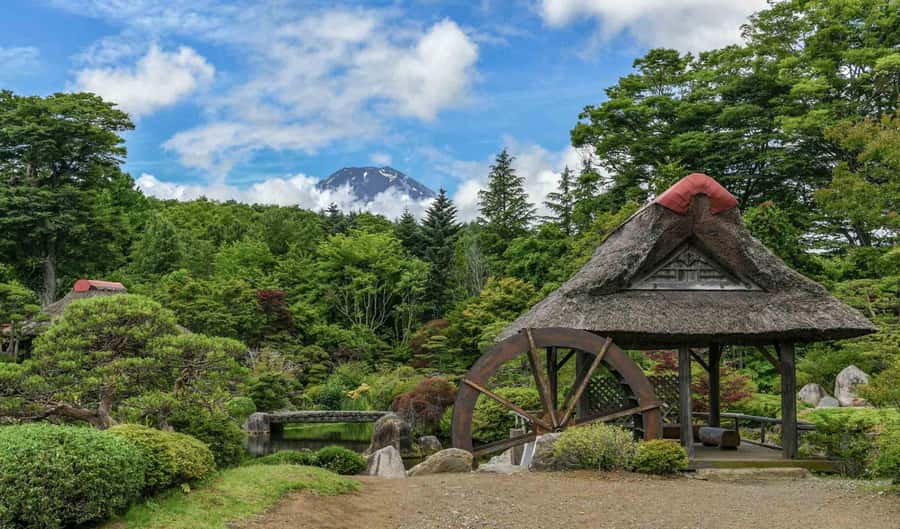
Private doesn’t mean random. In this kind of trip, the best guides act like day managers with good instincts.
From past guest experiences, a pattern shows up: guides arrive early when possible to avoid Tokyo traffic and to beat crowds at popular stops. Michelle’s experience highlighted an early pickup that helped dodge congestion, and James described a traffic-aware route change that also allowed extra time later. Those details matter because Fuji viewing windows can be short.
You’ll also benefit if your guide provides practical support, like direction on where to stand for photos and where to eat. Ahmed has been described as using printed info sheets for stops, and multiple guides have been praised for patience and clear updates about pickup times and timing during the day.
Language support is another practical angle. The tour includes English, Hindi, Japanese, and Urdu, which makes it easier to communicate preferences and ask questions without guesswork.
Food and entry fees: budget it so you don’t get surprised
The tour includes the private guide, pickup and drop-off, and transportation in an air-conditioned van. What’s not included is also clearly important: entry fees and food and drinks.
In real terms, that means you should plan to spend on meals and any paid attractions you choose to add on the day. If you have dietary needs, this is one of the easiest points to handle in a private format. Charise’s experience, for example, mentioned getting halal-friendly food options in the area, which is exactly the kind of request you should make early.
Bring water planning too. If your guide stops near spring areas, that’s a convenient chance to fill up, but don’t assume it will work for every person or every season. Comfortable shoes matter here because even “easy walking” adds up when you’re moving between viewpoints.
Price and value: when $350 per group makes sense
The price is $350 per group (up to 5). That’s not cheap in isolation, but it’s easier to justify when you compare what you’re getting: private transportation from Tokyo, pickup/drop-off at your hotel, and a guide who can customize the plan.
Here’s how to think about value:
- If you split the cost across 5 people, it’s effectively lower per person than most private transfers plus guide time combined.
- You’re paying for time saved (no transit wrangling), decision-making help (route and stop timing), and flexibility when Fuji visibility changes.
Where this price is hardest to justify is when you’re traveling solo or as a couple and you don’t plan to use customization. If you mainly want a checklist of viewpoints with no flexibility, a cheaper group option might fit. But if you care about pacing, photo angles, and adapting to weather, the private setup often feels worth it fast.
Who this private Fuji day trip suits best
This tour is a good match if you want control. You’ll like it if your group enjoys:
- Photo time with multiple stops and room to wait for better views
- A paced day that can include culture stops like Oshino Hakkai
- A guide who can adjust based on the day’s conditions
It may be a poor fit if anyone in your group has mobility or health limitations that make higher steps difficult or long walking uncomfortable. The tour notes it is not suitable for pregnant women and not suitable for people with back problems.
Also note the reality of Fuji: even with the best plan, clouds can happen. If you only want the 5th Station and nothing else, talk to your guide in advance so you understand how your day will be handled if conditions make the station unrealistic.
Should you book this private Mount Fuji tour?
Book it if you want a single day that feels organized but not rigid. The combination of hotel pickup, a private van, and a guide who can shift stops based on visibility is what turns a Fuji day into a calmer, more satisfying experience.
Skip or reconsider if your group has very specific demands that can’t flex—like needing the 5th Station no matter the weather—or if health constraints make walking and uneven areas a problem.
If you do book, do one thing right away: send your must-sees and priorities to the company before the day starts. Then you’ll get the best version of this private format—your day, your pace, and a Fuji plan that actually has room to adapt.
FAQ
Is this a private tour?
Yes. It’s a private tour with your own guide and dedicated transportation.
What’s the price and group size?
It costs $350 per group up to 5.
Does the tour include hotel pickup and drop-off?
Yes. Hotel pickup and drop-off are included.
What transportation is used?
You’ll travel in an air-conditioned van.
What places can the itinerary include?
Common stops include Lake Kawaguchi, Oishi Park, and Oshino Hakkai. The Mount Fuji 5th Station is possible, but it depends on what your guide can work into the day.
Are entry fees included?
No. Entry fees are not included.
Is food included?
No. Food and drinks are not included, though your guide can help with lunch choices.
What should I bring?
Bring comfortable shoes and a camera.
Is it suitable for everyone?
No. It’s listed as not suitable for pregnant women and not suitable for people with back problems.
What languages are supported?
The guide can support English, Hindi, Japanese, and Urdu.