Tokyo can feel like a video game with too many buttons. This private tour gives you a full day plan that still leaves space to talk with your guide and adjust on the fly. You’ll cover iconic neighborhoods like Ginza, Shibuya, Akihabara, Asakusa, plus quieter mood-change stops built into the route.
Two things I really like: the pickup + air-conditioned vehicle make the day feel easy, and the onboard Wi‑Fi helps you stay on top of maps, transit thoughts, and sharing photos without wasting time. A possible downside: it’s a packed day. Even with smart routing, you’ll want comfortable shoes and a flexible mindset, especially if you’re sensitive to crowds.
In This Review
- Key Takeaways Before You Go
- Price and Logistics: What You’re Really Paying For
- A Private Day That Moves Well: How the 8 Hours Work
- Stop 1: Tsukiji Outer Market for Food-First Tokyo
- Stop 2: Hama Rikyu Gardens for a Breath of Quiet
- Stop 3: Ginza for Architecture, Craft Shops, and Restaurant Energy
- Stop 4: Imperial Palace Grounds and the National Diet Building
- Stop 5: Akihabara for Anime, Games, and Electronics Browsing
- Stop 6: Senso-ji Temple in Asakusa for Old-Tokyo Atmosphere
- Stop 7: Omotesando for Architecture and Fashion Streets
- Stop 8: Harajuku for Youth Culture and Fashion Drama
- Stop 9: Meiji Jingu Shrine for a Real Pause
- Stop 10: Shibuya Crossing for the Big City Reality Check
- Stop 11: Daikanyama for a Slower, Softer Tokyo Ending
- Comfort and Communication: Why the Best Part Is the Guide
- How to Get the Most From This Route
- Should You Book This Tokyo Private Tour?
- FAQ
- How long is the Tokyo private tour?
- What’s the price and group size?
- Do you get hotel pickup and onboard Wi‑Fi?
- Are tickets included for all stops?
- What’s included in the tour?
- What about meals?
Key Takeaways Before You Go
- One private group for up to 9 means you can actually set the pace and ask questions
- Hotel pickup reduces the biggest stress of Tokyo sightseeing
- Onboard Wi‑Fi helps you navigate, plan meals, and keep family connected
- AC comfort + bottled water and snacks keeps energy up during a long day
- A route that mixes classics with calmer neighborhoods to avoid feeling only tourist-trap busy
- Guides can handle real needs and requests, including examples like wheelchair support and reservation help
Price and Logistics: What You’re Really Paying For
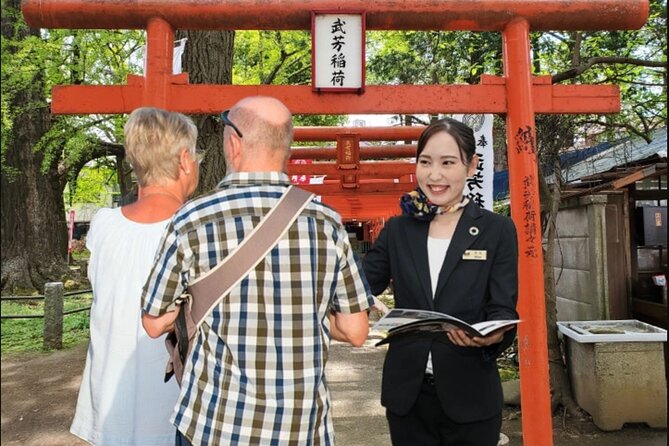
This tour costs $743.26 per group (up to 9) for about 8 hours. That price is easiest to understand if you think in “time you buy back.” Tokyo is efficient, but moving between areas can steal hours. Paying for private transport means you spend less effort figuring out trains and more time actually looking.
You also get a few practical extras that matter on a long day: hotel pickup, an air-conditioned vehicle, bottled water, snacks, and onboard Wi‑Fi. None of that sounds glamorous, but it’s what keeps day-trip energy from crashing mid-afternoon.
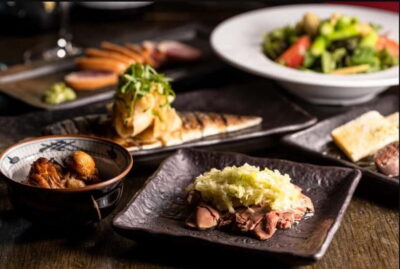
One more detail: lunch and dinner aren’t included. That’s normal for this style of tour, but it means you should plan for food breaks. If you’re the type who likes a sit-down meal, build in time for it during the day.
You can also read our reviews of more private tours in Tokyo

A Private Day That Moves Well: How the 8 Hours Work
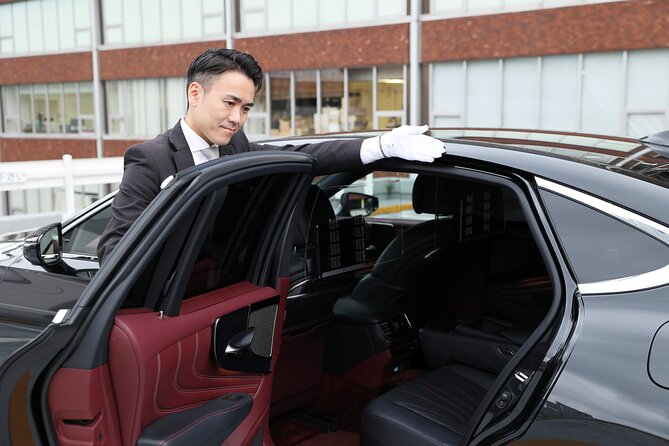
The route is designed like a top-city sampler. You start with Tokyo’s famous food-market area, then drift through gardens and major downtown sights, hit temples and shopping districts, and finish with a modern-city peak followed by a calmer neighborhood reset.
The big advantage of a private setup is that your guide can steer the day based on what you care about, while still hitting the “if-you-miss-it-you’ll-regret-it” sites. In real-world examples from the guides (like Tomoya, Soya, Riley, Richie, and others), you’ll see a pattern: strong communication, flexible pacing, and willingness to adjust. That’s especially valuable if you’re traveling with mixed ages, or you want more time for photos at specific viewpoints.
Stop 1: Tsukiji Outer Market for Food-First Tokyo
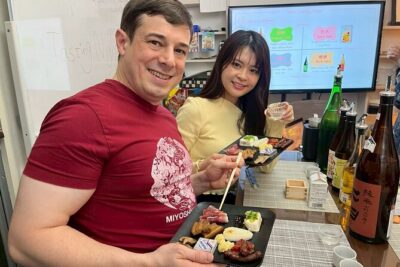
You’ll begin at Tsukiji Jogai Market. Important context: the main Tsukiji Market shifted to Toyosu in 2018, but the outer market is still where you’ll find stalls, shops, and casual bites.
Why this start works: Tsukiji sets the tone. You get the food-energy of Tokyo early, and it’s one of those areas where even if you don’t buy much, the sights and small shops give you an instant sense of place. Many people end up snacking lightly here, which helps later when the day gets more temple-and-neighborhood heavy.
What to watch: it’s busy. If your group is sensitive to tight spaces, lean on your guide for timing and where to stand so you don’t feel like you’re constantly rerouting around shoulder-to-shoulder crowds.
Stop 2: Hama Rikyu Gardens for a Breath of Quiet

Next is Hama Rikyu Gardens. This isn’t just a pretty green stop. The garden has served multiple roles over centuries, starting as a feudal lord’s residence and duck-hunting grounds from the 17th to 19th centuries, then later transformed into a public garden.
Admission note: it’s listed as not included, so if you want this stop, plan for the separate ticket cost. Even so, it’s a smart contrast after market noise. Gardens give you space to slow down, and they’re also great for learning context from your guide—Tokyo history doesn’t always feel obvious until someone points it out.
Time is about 40 minutes, which is enough for a look-and-photos loop without turning this into a half-day detour.
Stop 3: Ginza for Architecture, Craft Shops, and Restaurant Energy
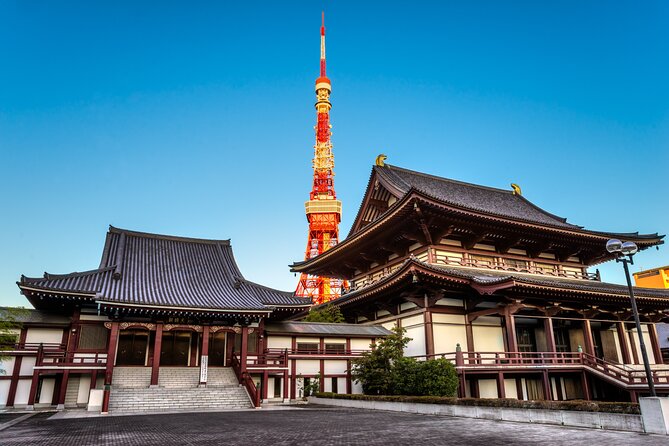
Then it’s Ginza. This is Tokyo’s upscale centerpiece: boutiques, galleries, Japanese traditional crafts, and a big range of restaurant styles, including cutting-edge architecture.
I like Ginza on a private route because it’s easy to get “lost” in the details without losing the day. Your guide can point out what to look for based on your interests—whether that’s design, shopping style, or simply where the best photo angles tend to be.
What to watch: Ginza can feel expensive and busy. If your group just wants atmosphere rather than shopping, you’ll still enjoy the area. You just want to keep expectations realistic: you’re observing a polished part of Tokyo, not hunting bargains.






Stop 4: Imperial Palace Grounds and the National Diet Building
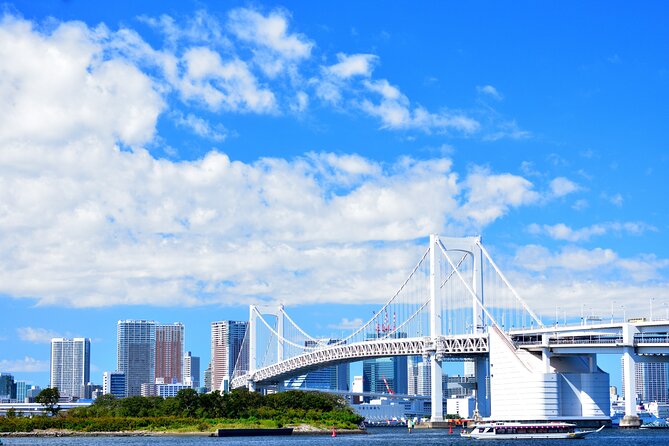
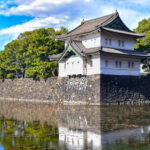
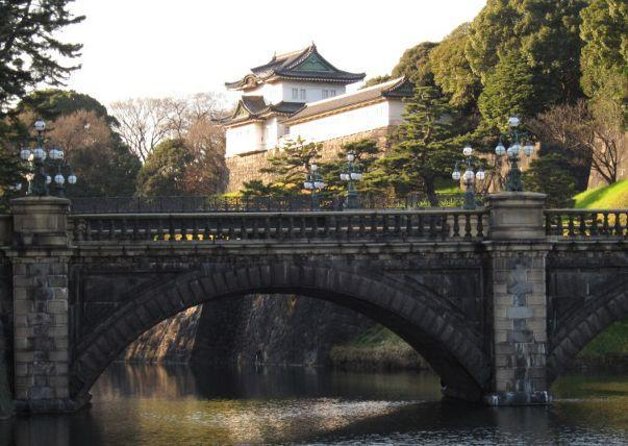
The itinerary includes the Imperial Palace area. The palace site traces back to the Tokugawa shogun family castle (1603–1868), and it became the Imperial Palace when political power returned to Emperor Meiji. Even if you don’t have time for deep museum stops, the grounds help you understand Tokyo’s political and historical shift.
Also included in this section is the National Diet building (Parliament). It’s notable for being one of the few buildings in Tokyo that survived the air raids of 1945 and was built in 1936.
Time is short here (around 30 minutes for the Imperial Palace stop), so treat it as a “spotlight visit.” You’ll get the orientation and context, and then you move on before your feet revolt.
Stop 5: Akihabara for Anime, Games, and Electronics Browsing
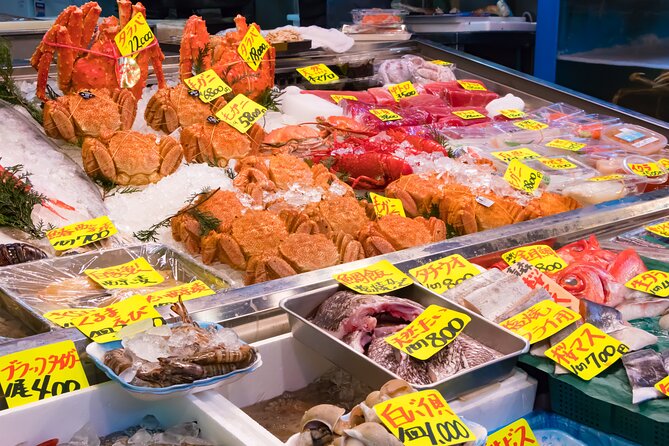
After history and politics, you get a total vibe shift to Akihabara—a top Tokyo district for gaming, anime culture, and electronics. You’ll find everything from tiny component-focused stalls to larger electronics retailers.
Why Akihabara belongs on this route: it’s one of the few places where you can see Tokyo’s pop culture and tech side in the same walking area. Even if you’re not a hardcore gamer or collector, it’s still fun to browse and watch how the district is organized around specific interests.
Time is about 1 hour, which works because Akihabara has infinite rabbit holes. A private guide helps you avoid the “we walked for an hour and saw nothing” problem by steering you to the most relevant streets and storefronts for your interests.
Stop 6: Senso-ji Temple in Asakusa for Old-Tokyo Atmosphere
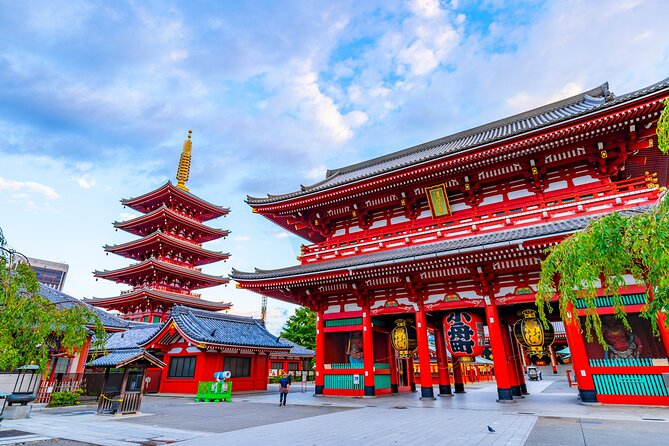
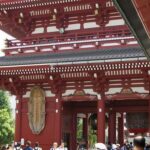
Next is Senso-ji Temple, described as the oldest temple in Tokyo. The stop is also tied to the origin story of Asakusa: the name Asakusa appears in history as early as 628, when fishermen found a small statue of Kannon in the area.
This is a classic Tokyo stop for a reason. Temple areas give you a sense of continuity: ancient traditions mixed with modern city motion. The tour’s pacing makes it more than a quick photo and exit.
Time is about 1 hour. Use it to slow down and watch how people move through the space. If you’re traveling with kids or multigenerational groups, temple areas are usually easier for everyone to enjoy since you can keep the day calm even in busy streets.
Stop 7: Omotesando for Architecture and Fashion Streets
Then you’ll head to Omotesando—a stylish avenue known for buildings designed by leading architects. You also get fashion-brand presence, but the real hook here is the street-level experience of modern design.
Time is about 30 minutes. That’s short, but it’s enough if your guide helps you focus on what you’ll actually notice from the sidewalk. If architecture is your thing, ask your guide where to stand for the best streetscape view.
What to watch: it’s a shopping-and-design district. If you prefer temples, markets, and neighborhoods with local food stops, you might want to use this time for street wandering rather than store-hopping.
Stop 8: Harajuku for Youth Culture and Fashion Drama
Next is Harajuku—built for people who like Tokyo’s youth culture and offbeat style. Expect unique fashion trends and bold building and street aesthetics.
Time is about 30 minutes. This stop is ideal for a quick reset after Omotesando. Think of it as the “Tokyo after dark trends, but daytime” energy zone.
If your group enjoys street photography, this is usually one of the most fun areas to walk through. Your guide can steer you toward viewpoints that work without turning it into a constant crowd-collision game.
Stop 9: Meiji Jingu Shrine for a Real Pause
Then comes Meiji Jingu Shrine, which is famous for its calm atmosphere and a break from the city’s pace. The grounds can feel like you stepped into another world, which matters when the day has included markets, crossings, and shopping streets.
There’s also a specific practical note: on Saturdays and Sundays, you might be able to see a traditional Japanese wedding ceremony. It’s not guaranteed, but it’s a good reason to keep your eyes up and your camera ready.
Time is about 30 minutes. This is the “restore your brain” stop before the most intense urban scenes later in the itinerary.
Stop 10: Shibuya Crossing for the Big City Reality Check
Now you hit Shibuya Crossing, famous as the busiest intersection in the world. It’s one of those sights where “seeing it” and “understanding the scale” are different things—until you’re standing there watching the flow of people.
Time is about 15 minutes. Don’t plan to linger too long here if your group is sensitive to noise or crowds. Use your time wisely: stand where you can see the crowd movement, take photos quickly, and then let your guide move you on.
Stop 11: Daikanyama for a Slower, Softer Tokyo Ending
You’ll finish with Daikanyama (and the nearby vibe of Nakameguro is often mentioned). This area has boutiques and cafes, with a less frantic pace than the more famous districts.
Time is about 30 minutes, and that’s a perfect final stop. After all the big-name intensity earlier, Daikanyama is a calmer place to look at design, grab a drink, and decompress.
I like finishing here because it makes the end of the day feel like Tokyo has more than one personality. The last memory you take home isn’t only crowds and icons—it’s also texture.
Comfort and Communication: Why the Best Part Is the Guide
The itinerary is strong, but the private-guide component is what makes it feel like a real experience instead of a checklist.
Across the guide examples you were given, a few themes repeat:
- Flexible pacing so the day works for groups with different energy levels (including examples like senior-friendly support).
- English communication that’s clear enough for questions, not just canned explanations.
- Tailoring based on interests—some guides have added request-based stops or handled reservation needs for specific wants, such as arranging time at places like a hedgehog cafe.
Also, the comfort basics are handled well. You’ll have AC, water, and snacks, which sounds small until you’re in mid-day heat with a walking plan. In several examples, guides made a point of keeping the day comfortable during hot conditions and guiding safely through busy streets.
How to Get the Most From This Route
If you want this day to feel smooth, do three things.
First, pick your priorities. This tour covers a lot of districts, so decide which two or three you’ll care about most. For many people it’s Asakusa and Meiji Jingu for culture, then Shibuya and Akihabara for modern Tokyo.
Second, plan your footwear like you mean it. The day includes multiple neighborhoods, and even if the stops are time-boxed, you’ll still walk plenty.
Third, use your guide’s flexibility. If you have a must-buy item, a photo request, or a specific food direction, it’s the private format that makes those possible. You’re not trapped in a rigid group schedule.
Should You Book This Tokyo Private Tour?
Book it if you want a one-day Tokyo overview that’s easy to manage, especially if:
- you’d rather not wrestle with trains and transfers,
- your group includes different ages or different mobility needs,
- you want both major sights and some variety in mood and neighborhood style,
- you value AC comfort, Wi‑Fi, and built-in snacks.
Skip it if you’re hoping for a slow, museum-heavy day or you want lunch and dinner handled inside the tour. This is a “see a lot without stress” plan, not a leisurely sit-down marathon.
If your goal is: get your bearings fast, understand what you’re looking at, and still have Tokyo feel real, this private route is a very sensible way to do it in one day.
FAQ
How long is the Tokyo private tour?
It’s listed as about 8 hours.
What’s the price and group size?
The price is $743.26 per group, for up to 9 people.
Do you get hotel pickup and onboard Wi‑Fi?
Yes. Hotel pickup is offered, and there is Wi‑Fi on board.
Are tickets included for all stops?
Most stops list admission ticket free, but Hama Rikyu Gardens is not included, so you should plan for that separate cost.
What’s included in the tour?
Included items are bottled water, snacks, an air-conditioned vehicle, Wi‑Fi on board, and private transportation.
What about meals?
Lunch and dinner are not included, so you’ll want to plan food breaks during the day.