REVIEW · TOKYO
Tokyo Private Half-Day Tour with a Local – Secrets & Highlights
Book on Viator →Operated by City Unscripted · Bookable on Viator
Tokyo changes fast with the right guide. This private half-day walk through historic and modern neighborhoods is built around what you want to see, not a one-size-fits-all route.
I like that the plan is customized before you even step outside. You fill out a questionnaire, then your host shapes the route so you don’t waste time wandering where you’re not interested.
One thing to consider: it’s primarily a walking tour, so comfortable shoes and a realistic pace matter.
In This Review
- Key things that make this Tokyo tour worth your time
- How the custom questionnaire turns into a smarter Tokyo walk
- Meeting at Asakusa Culture Tourist Information Center: start where Tokyo makes sense
- Temple time with a guide: seeing the grounds, not just the headline
- Asakusa shopping street: souvenirs, snacks, and the art of not getting stuck
- Along the river: old downtown views without the rush
- Showa-era alleys: slow walking through narrow lanes and stories
- Kagurazaka lanes and quiet shrines: old Tokyo with modern edges
- What’s included (and what you’ll plan yourself)
- Price and value for a private guide at about $143 per person
- Who this tour suits best in Tokyo (and who might not love it)
- Should you book this Tokyo private half-day tour?
- FAQ
- How long is the Tokyo private half-day tour?
- Is this tour private or shared?
- What’s included in the tour price?
- Do I need to pay for transportation during the tour?
- Can I choose the start time?
- What is the cancellation policy?
Key things that make this Tokyo tour worth your time
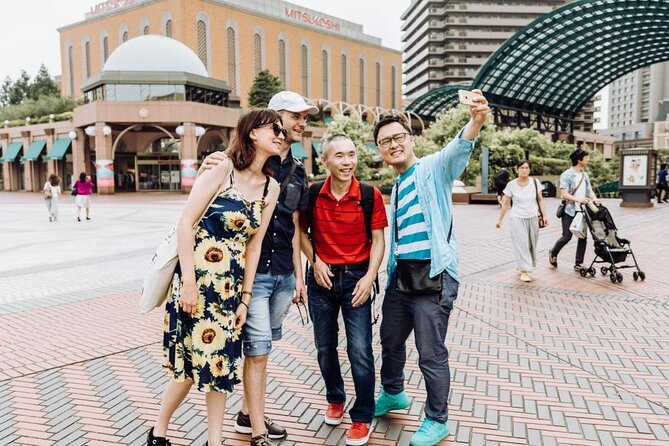
- A truly private tour for your party, so you can move at your speed (and ask questions without a herd mentality).
- Customized routing based on your interests, from history and quiet streets to shopping and photo stops.
- Asakusa + old Tokyo districts in one tight 4-hour loop, without the usual scramble.
- Local perspective in crowded areas, which is a big deal around temple grounds and shopping streets.
- Kagurazaka’s mix of calm and character, including narrow lanes and small shrines.
- Strong guide communication, with hosts reaching out ahead of time to coordinate and adjust if timing slips.
How the custom questionnaire turns into a smarter Tokyo walk
The best part of this tour is the attitude: you’re not signing up for a preset checklist. After booking, you get a short questionnaire where you share your interests, must-sees, and preferences, and then your host personally reaches out to shape the itinerary around you.
That matters in Tokyo. The city has enough variety that a generic “top sights” list can feel like running from point A to point B. Here, the “A” and “B” can change based on what you like—so your time doesn’t vanish in transit or in places you’d rather skip.
I also like that you’re not locked into a strict order forever. Even within the core neighborhoods, a good guide can shift emphasis—more photo stops if you want them, extra time in quieter streets if crowds are your enemy, or a different angle on the same area if you’re chasing views.
In practice, you may get a host with a specific style. I’ve seen guides named Chiara, Taishiro, Mari, and Hiroko praised for being friendly, flexible, and easy to coordinate with. Others—like Emir, Kay, Alberto, and Patrick—came up with the kind of practical street knowledge that helps your walk feel like a local circuit instead of a museum route.
You can also read our reviews of more private tours in Tokyo



Meeting at Asakusa Culture Tourist Information Center: start where Tokyo makes sense
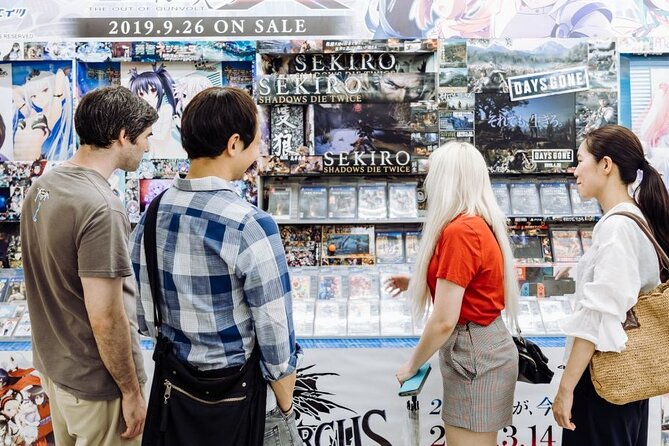
Your tour starts and ends back at the Asakusa Culture Tourist Information Center. That location is useful because it anchors the experience in the historical east side, where so many “first visit” photos tend to happen—but where you also can walk into calmer side streets fast.
If you’re new to Tokyo, this is a good thing. You avoid the stress of meeting “somewhere near the station” with no clear reference point. You know the exact meeting spot, and the tour returns there, which helps when your day plans are tight.
Another practical win: this is near public transportation. The tour is primarily walking, but you may use transit or taxis between sites if needed, with extra local transport costs handled through discussion with your host after you finalize.
So here’s what I suggest: plan for a smooth start, but keep your expectations realistic. Tokyo stations are huge, and even with great signage, it’s easy to lose time if you arrive rushed. Give yourself a few extra minutes to orient, grab water, and settle into “walk mode.”
Temple time with a guide: seeing the grounds, not just the headline
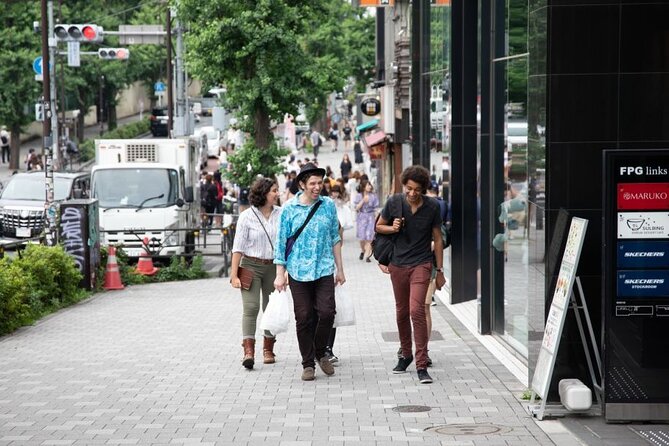
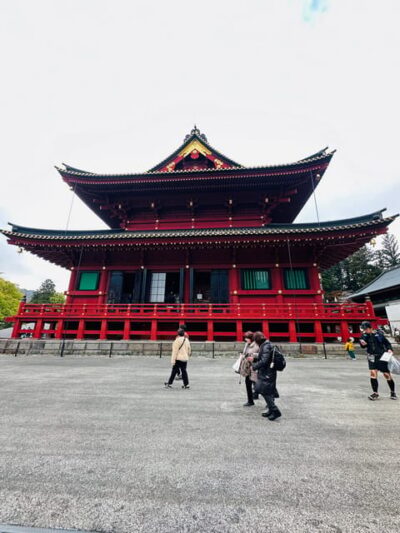
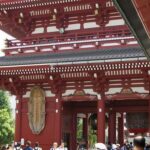
One of the core stops is Tokyo’s oldest and most famous temple. Your host guides you through the impressive grounds and explains the history and cultural meaning as you go.
This kind of stop can be either great or annoying depending on how you approach it. On your own, you might spend most of your time dodging foot traffic and photographing the main view. With a guide, you can slow down and focus on what the space means: why it’s arranged the way it is, what people do there, and what to notice beyond the obvious.
A useful consideration: temple areas can be crowded. The advantage of a good guide is simple—your route through the crowds is smarter. Even when it’s busy, a local host can help you find calmer corners, choose better vantage points, and keep the pacing from turning into frustration.
If you’re the type who likes stories, you’ll likely enjoy this stop. If you’re mainly there for the photos, you can still get value, because the guide can steer you toward less chaotic angles and help you time your pictures during natural breaks in the flow.
Asakusa shopping street: souvenirs, snacks, and the art of not getting stuck
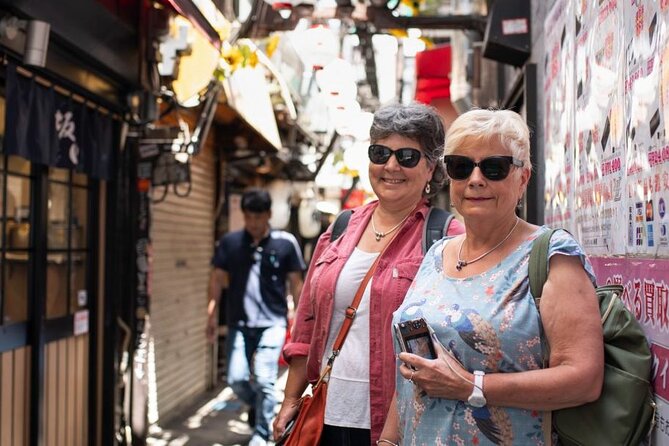
After the temple stop, you head to Japan’s oldest shopping street in Asakusa. Your host helps you wander the lane, with insights into traditional souvenirs, local snacks, and crafts—plus the context behind why people come back year after year.
This is the kind of Tokyo experience that feels fun when you’re moving with purpose. On your own, it’s easy to drift into decision fatigue: too many stalls, too many “should I buy this” moments, and you’re still trying to find your way to the next location.
With a guide, you can pick a lane—food, crafts, or classic souvenirs—and get a sense of what’s worth your yen and what’s just noise. Many hosts also help with practical crowd management, which is a quiet superpower when narrow streets get packed.
Here’s another point I like: this stop blends traditional shopping with real street atmosphere. You’re not just buying a thing, you’re stepping into a living neighborhood where the everyday rhythm is part of the experience.
Wear layers. This area can swing from hot to cool fast, especially depending on season and sun. And don’t plan to eat a huge meal right before—snacking is basically part of the program.
Along the river: old downtown views without the rush
Next comes a riverside stroll with views of old downtown Tokyo. Your host walks with you through a more peaceful stretch, with scenery that looks good year-round—and is especially striking during cherry blossom season.
A riverside stop does two things for your day. First, it breaks up the dense foot traffic of temple and shopping streets. Second, it gives your brain a chance to connect neighborhoods instead of treating each one like a separate theme park.
This is also where you’ll often appreciate a guide who knows good angles for photos. Even if you’re not “a photography person,” river viewpoints tend to create that classic Tokyo skyline feel—but from a calmer perspective than the main tourist routes.
Practical tip: if you’re sensitive to wind or temperature shifts, bring a light layer. Riversides can feel cooler than you expect, especially later in the day.
You can also read our reviews of more tours and experiences in Tokyo


Showa-era alleys: slow walking through narrow lanes and stories
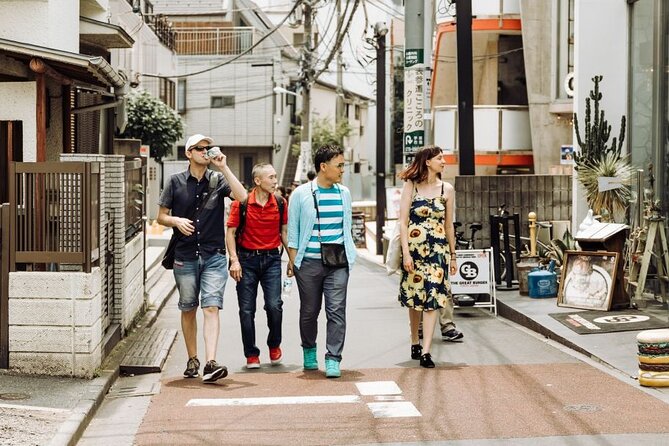
After the river, you move into the narrow, atmospheric alleys of a historic district. This part is described as having Showa-era charm, with your host sharing stories and pointing out hidden corners that show Tokyo’s layered past.
This is one of the best sections for people who enjoy “in-between Tokyo.” Instead of landmarks, you’re looking at smaller details: street width, the way buildings sit close together, the mood of the side streets, and the everyday life you can’t capture from a big thoroughfare.
The drawback is also straightforward: the streets are narrow. That means foot traffic can bottleneck, and you’ll want to follow your guide’s timing and spacing. If you’re prone to getting impatient in crowds, this section can feel slower than you planned—until you relax and let the alley atmosphere do its job.
Also, take advantage of the “with a local” part here. These streets are the hardest to navigate solo without constantly backtracking. A host helps you stay oriented, keeps your walk efficient, and turns a maze into an intentional loop.
If you’re traveling with kids or someone who tires easily, tell your host upfront. A great guide will adjust pace and choose when to linger and when to keep moving.
Kagurazaka lanes and quiet shrines: old Tokyo with modern edges
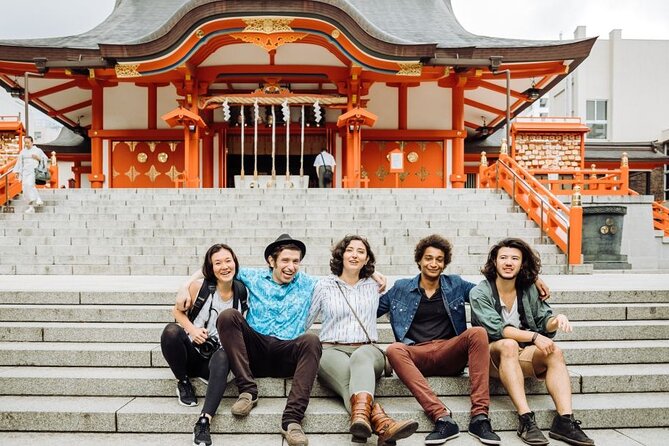
The final named district is Kagurazaka, known for winding lanes and a blend of old Tokyo atmosphere, modern boutiques, and quiet shrines. Your host leads you through tucked-away alleys and café-style corners, where the vibe shifts from street-to-street.
Kagurazaka is a strong finish because it feels different from Asakusa. If Asakusa gives you temple energy and traditional street shopping, Kagurazaka tends to feel more intimate: smaller streets, calmer pockets, and a sense of discovery that doesn’t depend on big crowds.
In reviews, people appreciated guides like Royce and Marc for tailoring regional focus and including off-the-beaten-path stops. Patrick was also noted for mixing well-known sights with harder-to-find areas and even specific photo viewpoints for major intersections. Those kinds of “we’ll go where you’d miss” touches are exactly what this Kagurazaka segment can deliver when your host steers the walk.
One consideration: this is still a walking tour in a hilly, alley-heavy district. If you have mobility limits or you’re not used to uneven sidewalks, you’ll want to communicate that early. Your host can use transit or taxis between sites if needed, but the walking portion is still the backbone.
What’s included (and what you’ll plan yourself)
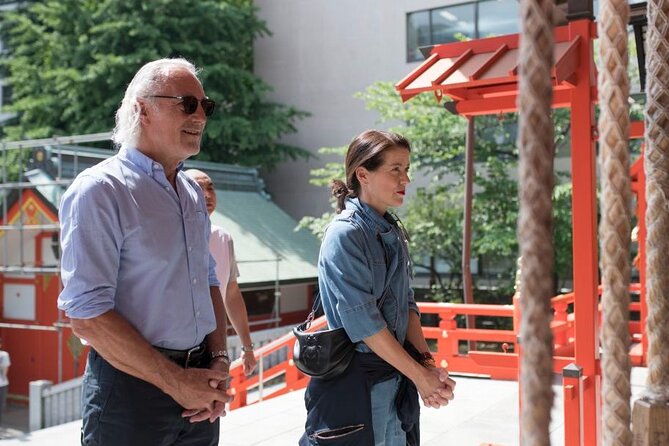
This experience includes a private walking experience with insider tips, flexible start times, and pre-tour planning via questionnaire and direct communication with your host.
What’s not included is also important:
- Food and drinks aren’t included.
- Tickets to attractions aren’t included.
- Transportation isn’t included, though public transport or taxis may be used to transfer between sites (with additional cost discussed with your host).
- Gratuities are optional.
So plan like a Tokyo walker, not like a bus tour. Bring cash for snacks and small purchases, and expect to buy your own drinks. If you’re hoping for a museum ticket or a guided entry fee somewhere, you’ll need to confirm it with your host and budget accordingly, since the tour itself isn’t covering tickets.
The good news: the route is mostly outdoor and street-based, so you won’t lose the day waiting in lines for timed entry. Your time stays flexible, and your guide can adjust when crowds shift.
Price and value for a private guide at about $143 per person
At $143.14 per person for about 4 hours, you’re paying roughly $35.80 per hour per person. That sounds high if you’re thinking in terms of public transit and self-guided wandering, but it can be a solid value when you factor in what you’re buying.
You’re buying:
- Private pacing for your party (not a shared group timeline).
- A guide who can shift the plan toward your interests instead of dragging you through stops you don’t care about.
- On-the-ground decision support in crowd zones, especially around temple areas and narrow lanes.
- Local context that helps you actually understand what you’re seeing.
You should also consider that this is booked fairly in advance—on average about 63 days—so the best availability can disappear for popular dates. If Tokyo is your “only big city” stop, locking in a half-day early can be smart.
Group discounts are listed as a feature, which can help if you’re traveling with friends or family who want the same private routing without paying a separate full price for two separate tours.
Who this tour suits best in Tokyo (and who might not love it)
This tour is a great match if you:
- Want first-day orientation in Tokyo without turning your whole schedule into a checklist.
- Like the mix of temple + old streets + calmer alleys.
- Enjoy shopping but prefer guidance that helps you focus (snacks, crafts, souvenirs).
- Care about “where do I go next” in a city that can feel like a puzzle.
It’s also a good fit for families, as long as you’re okay with walking time. One review highlighted a family-friendly, entertaining approach from a guide (Emir), which is exactly what you want if kids get restless.
You might think twice if you:
- Want mostly indoor attractions and ticketed experiences (food, drinks, and attraction tickets aren’t included).
- Are not comfortable with walking, hills, and narrow lanes.
- Expect a vehicle-based sightseeing tour (this one is primarily on foot).
Still, if your needs are clear, the private format gives you room to shape the walk. You can pick your preferred start time, and hosts have shown flexibility when meeting times shift.
Should you book this Tokyo private half-day tour?
Yes, if you want your Tokyo day to feel like a plan made for you, not a generic itinerary. The biggest selling point is the combination of customization and a compact route that covers Asakusa temple area, historic street energy, a calmer river pause, Showa-era alleys, and Kagurazaka’s old-yet-modern lanes.
I’d book it if you’re the type who enjoys asking questions, noticing details, and getting help with crowds and navigation. It’s also a strong option for couples, small groups, and families who want a warm, human pace.
If you want a mostly hands-off, self-guided day with no walking intensity, then you may prefer something else. But if you’re willing to put on good shoes and let a local host steer the day, this one can turn into one of your easiest Tokyo memories.
FAQ
How long is the Tokyo private half-day tour?
It lasts about 4 hours.
Is this tour private or shared?
It’s private and only your group participates.
What’s included in the tour price?
You get a private, personalized walking experience with insider tips, flexible start times, and a pre-tour questionnaire to tailor the route. Food, drinks, and attraction tickets are not included.
Do I need to pay for transportation during the tour?
Transportation isn’t included. The tour is primarily walking, and public transport or local taxis may be used between sites for an additional cost discussed with your host.
Can I choose the start time?
Yes. You can select a preferred time when booking, and the start time can be flexible.
What is the cancellation policy?
You can cancel for a full refund if you cancel at least 24 hours before the experience’s start time. If you cancel less than 24 hours before, the amount paid isn’t refunded.