REVIEW · TOKYO
Tokyo: Classic Tsukiji Food Tour
Book on GetYourGuide →Operated by Arigato Travel KK · Bookable on GetYourGuide
Tsukiji tastes better with a guide. This Classic Tsukiji Food Tour turns an early market walk into real food context, from breakfast tastings to seasonal bites you can actually name and seek out later. I like how the format stays practical in a place that can otherwise feel like sensory overload, and I like the human touch from guides such as Yappy and Kay, who make the stories line up with what you’re eating.
One watch-out: this is a walking-level advanced morning, so you’ll want comfy shoes and a mindset for narrow lanes and lots of moving. If you dislike seafood, the tour may feel less flexible since tastings heavily lean into fish and sea flavors.
In This Review
- Key Things I’d Tell a Friend First
- First Step in Tsukiji: Meeting at Turret Coffee Shop
- Breakfast That Actually Prepares You for the Market
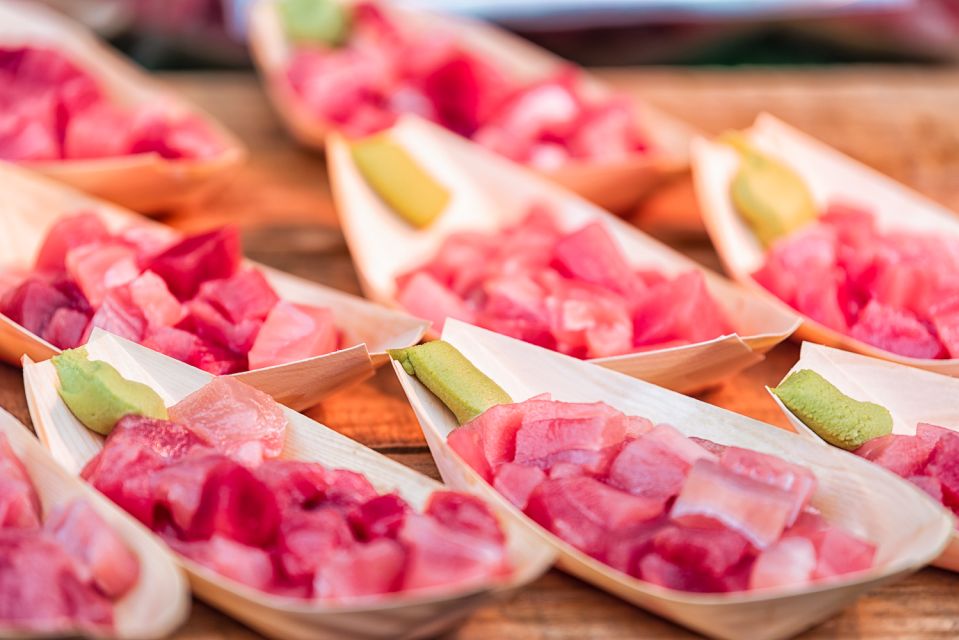
- Outer Market Alleyway Tastings: Seafood, Pickles, and Real Wasabi
- Regional and Seasonal Bites Beyond the Usual Names
- The Shrine Stop: Where Market Life Meets Time
- Price and Value: Is $181 Worth It for 3 Hours?
- The Guides Make the Difference (and the Pace)
- What to Bring, and What to Expect From the Walk
- Who This Tour Works Best For
- Should You Book the Classic Tsukiji Food Tour?
- FAQ
- How long is the Tsukiji tour?
- How many people are in the group?
- Where do I meet the guide?
- What’s included in the price?
- What is not included?
- Is the tour guided in English?
- Is free cancellation available?
- Do I need a passport?
- Are baby strollers allowed?
- Is there a minimum number of people per booking?
Key Things I’d Tell a Friend First
- Small group (up to 10) keeps you from getting lost in the crowd and helps the guide tailor pacing.
- Breakfast at a local restaurant sets the tone with grilled fish, rice, and miso soup, not just random snacks.
- Outer Market tastings focus on what’s seasonal and regional, so you’re not eating the same three things.
- Japanese sweets included, which is great because many food tours skip the ending.
- English live guide with strong on-the-ground confidence navigating alleys and stalls.
- Most tours include a shrine stop connected to Tsukiji’s longer human story, not just seafood.
First Step in Tsukiji: Meeting at Turret Coffee Shop
You’ll meet at Turret Coffee Shop in Tsukiji, taking Exit 2, and your guide will be holding an Arigato Travel sign. I like this kind of meeting point because it’s easy to find without playing the phone-map game in a busy area.
From there, you’ll start with the market mindset: keep your head up, watch where you step, and be ready for quick transitions between stalls and narrow walkways. With a group capped at 10, it’s easier to stay together when the pathways tighten.
You can also read our reviews of more food & drink experiences in Tokyo



Breakfast That Actually Prepares You for the Market
The tour begins with breakfast at a local restaurant, and this is one of the smartest parts of the whole experience. You’re not just eating to fill a gap. You’re building a flavor baseline before you hit the Tsukiji Outer Market chaos.
In real terms, expect a traditional-style meal that can include grilled fish (mackerel or black cod show up in the tour experience), miso soup, and rice. Several guides also steer guests toward how to eat with intention—what to notice, what order to try things, and how the flavors work together rather than as standalone bites.
If you’re arriving hungry, this is also a confidence booster. After breakfast, you’ll be less worried about whether you’re missing something important. You’re ready to ask, point, and taste.
Outer Market Alleyway Tastings: Seafood, Pickles, and Real Wasabi
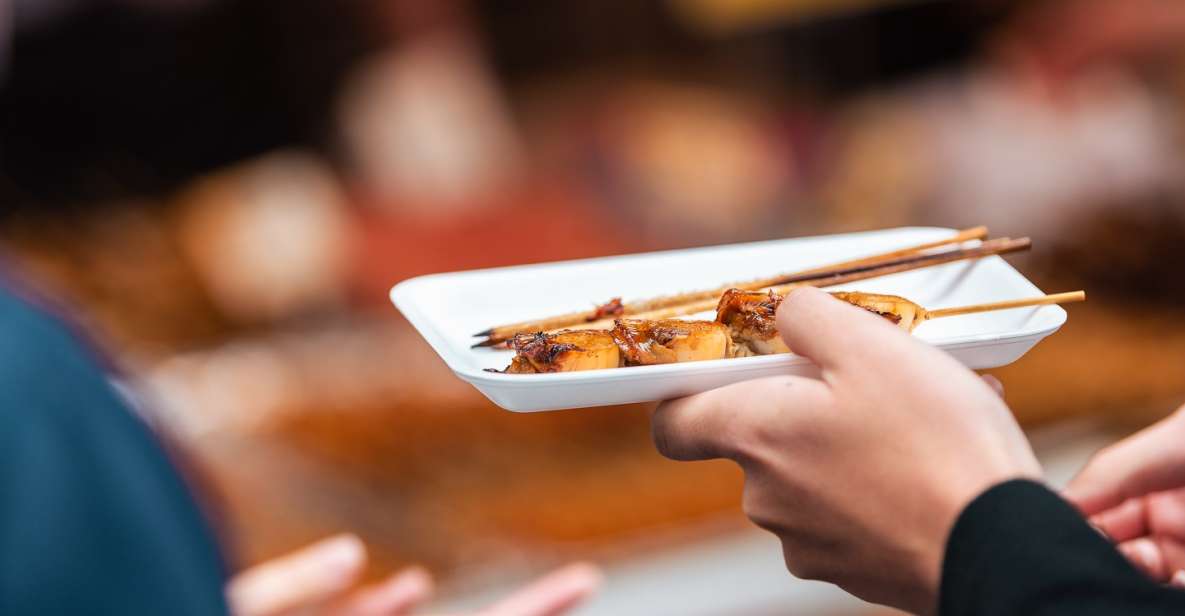
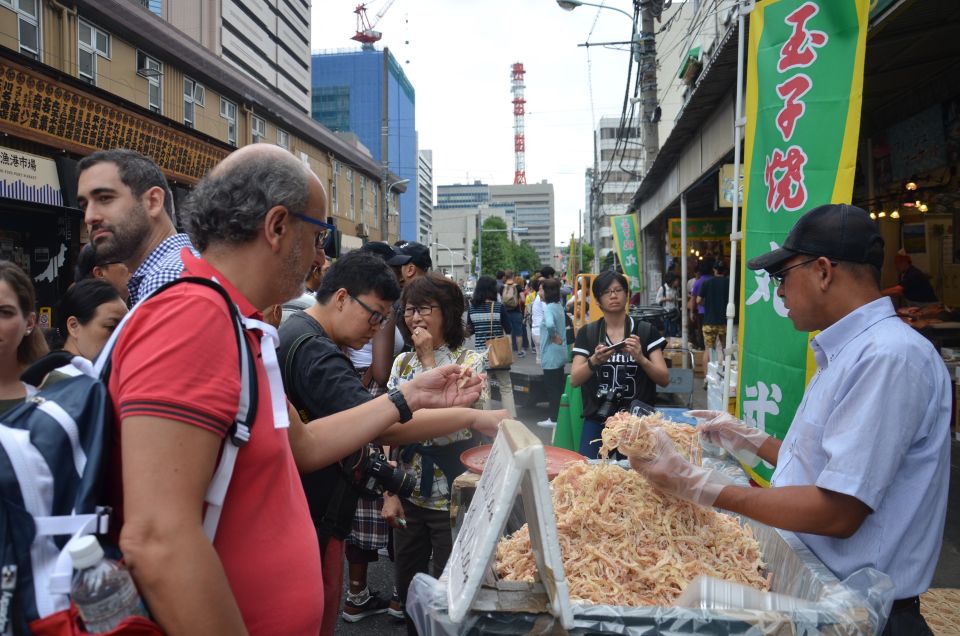
Once you’re fed, you’ll walk through the Tsukiji Outer Market area with tastings that are designed to teach your palate. This is where the tour earns its keep: you get multiple bites, but they’re chosen to make sense as a progression.
Here’s the kind of range you can expect in the overall experience:
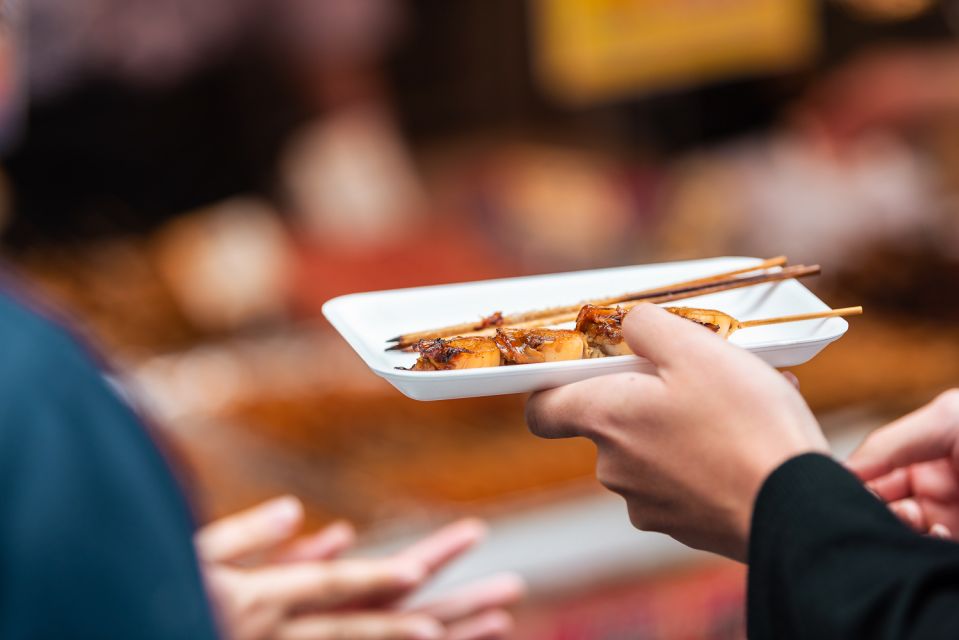
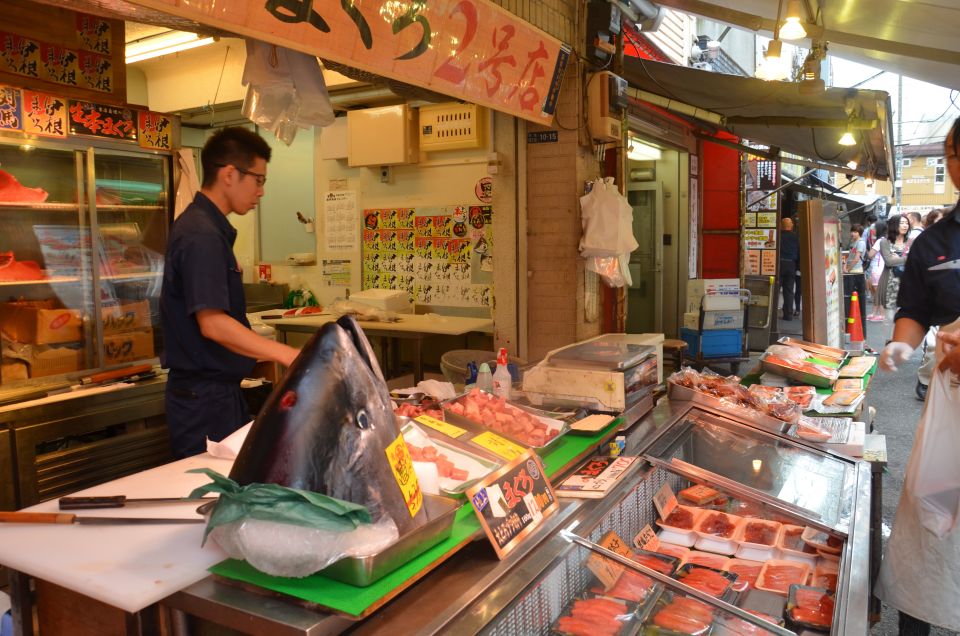
- Seafood-forward items, including fish-based tastings tied to freshness and seasonality
- Pickles and spice-flavored snacks that help cut through richness
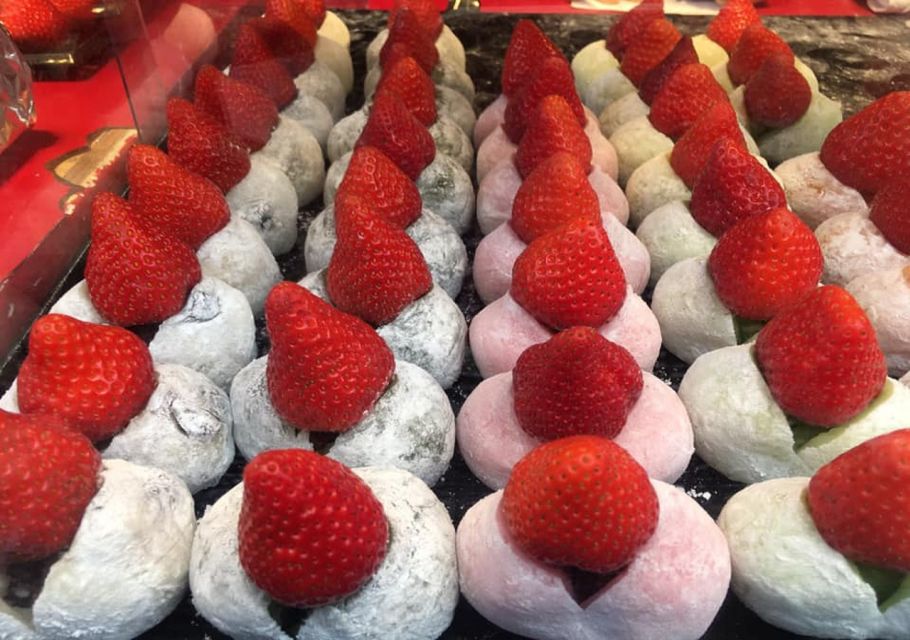
- Traditional Japanese sweets included in the itinerary
A standout detail from the guide style is food technique. One example is learning how to grate fresh wasabi, which turns an item most people treat like a condiment into something you understand as an ingredient with texture and aroma.
I also like how guides build navigation skills into the walk. Some guides are known for moving confidently through crowd pockets and narrow lanes while still stopping long enough to explain what you’re seeing. That matters in Tsukiji, where it’s easy to spot interesting stalls and then miss the important context.
Regional and Seasonal Bites Beyond the Usual Names

A classic mistake in food tourism is chasing the most famous things and ending up with the most generic versions. This tour leans the other way by including regional and seasonal food from around Japan.
That approach helps you do two things:
1) Learn the logic behind Japanese flavors, not just the items
2) Leave with a better sense of what to order later, once you’re on your own
You’ll also get traditional Japanese sweets as part of the included experience, which is useful because it rounds out the trip. You don’t walk away only thinking about salt and fat from seafood. You remember the cleaner, sweeter finish too.
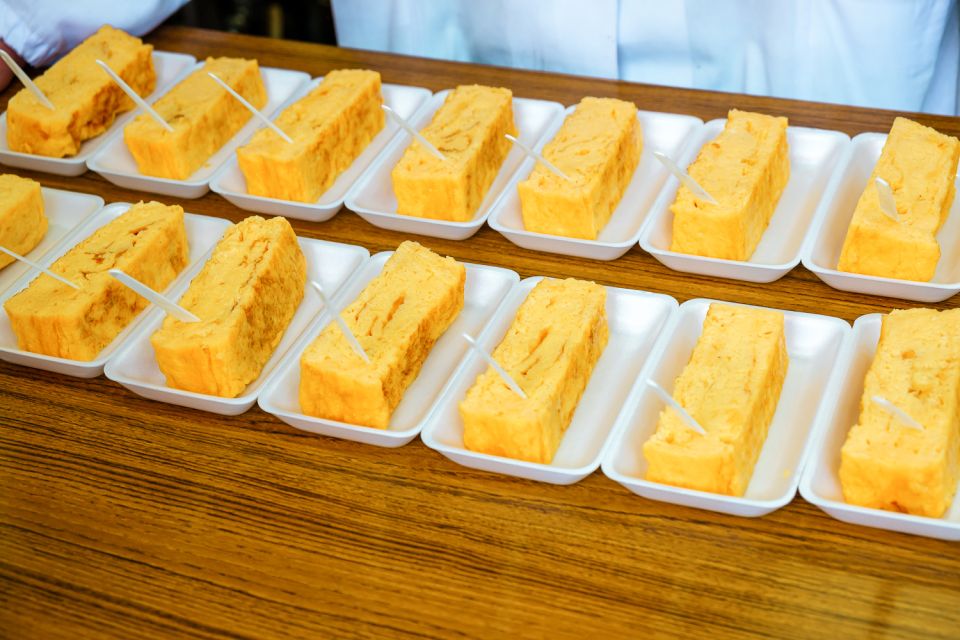
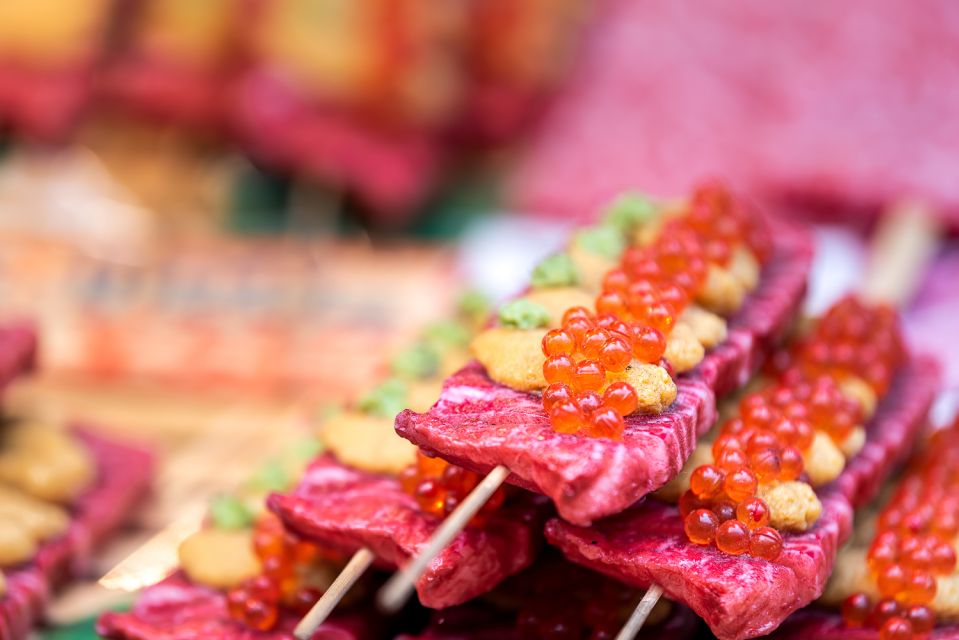
And yes, the tour can include some truly unusual finds. Examples from the guide experiences include fish-shaped custard-style desserts and other market specialties that you’d likely overlook if you were just wandering independently.
The Shrine Stop: Where Market Life Meets Time
Mid-morning, you’ll include a shrine stop steeped in history—over 300 years old in this experience. This is not filler. It’s a helpful reminder that Tsukiji isn’t only about commerce; it’s part of a longer rhythm of community life.
The shrine break also gives your body a moment to reset. Walking at a fast pace through tight lanes works up a sweat. A shrine stop lets you slow down enough to absorb what you’ve been eating and hearing.
If you’re a first-timer to Japan, this added cultural anchor makes the market feel less like a show and more like a place with continuity. It also helps you connect the food to everyday life instead of treating it as a checklist.
You can also read our reviews of more tours and experiences in Tokyo



Price and Value: Is $181 Worth It for 3 Hours?
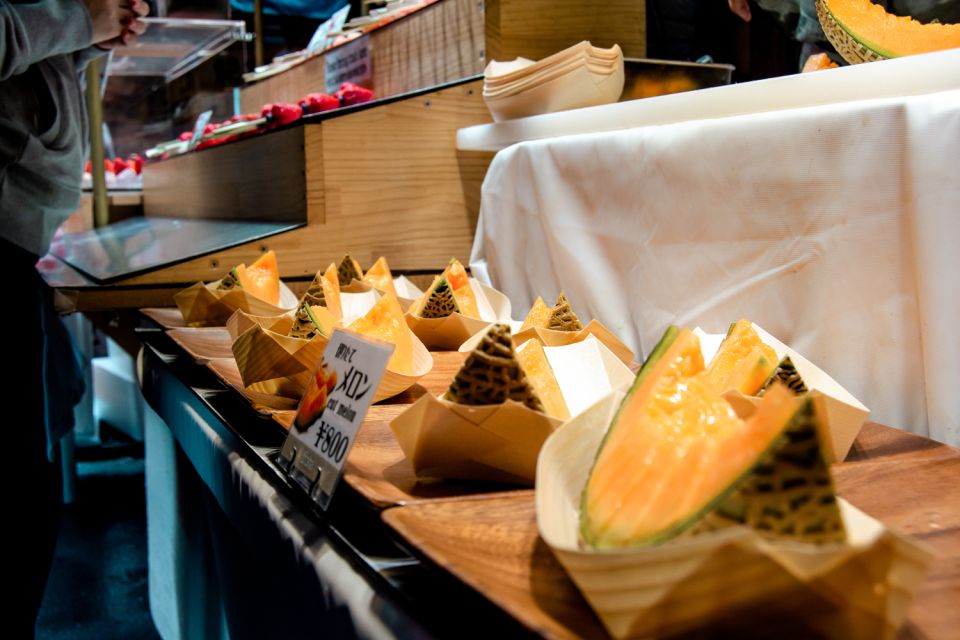
At $181 per person for 3 hours, this isn’t a budget snack crawl. But the value case is clear if you look at what’s included and what a good guide changes.
You’re getting:
- Breakfast at a local restaurant
- Multiple food tastings from the Tsukiji Outer Market area
- Traditional Japanese sweets
- Regional and seasonal bites that help you understand what you’re eating
The practical value is mostly time and judgment. In Tsukiji, figuring out where to eat, what to try, and how to order can take trial-and-error. With a guide, you compress that learning curve into a focused morning.
That said, it may feel pricey depending on your group. One guest noted it was expensive for a group of four, but still felt it was worth it. If you split the cost among fewer people, you’ll likely feel the price more strongly. If you’re the kind of eater who wants more than a quick sampling, it tends to land as a solid deal.
Also remember what’s not included: transportation costs and additional drinks/food beyond what’s part of the tour. So budget a little for that if you get thirsty after tastings.
The Guides Make the Difference (and the Pace)
This tour lives or dies on the guide. In guide experiences linked to this tour style, English communication is repeatedly praised, along with a sense of humor and the ability to answer real questions—not just rattle off facts.
Some guides are known for extra effort, such as taking more time to explain what you’re tasting, guiding guests to make a picnic later, or helping with practical items like setting up a transit app on a phone. One guide experience even describes helping guests navigate big crowds during New Year season, which tells you the skill is more than just friendly storytelling.
I also like that the tour is structured as a small group capped at 10. That keeps the guide from feeling stretched thin and helps you ask follow-ups without being rushed.
If you’re worried about feeling awkward in a market environment, this is exactly where a guide helps. You’ll feel steadier, and you’ll come away with choices you can repeat later.
What to Bring, and What to Expect From the Walk
Because the tour is walking-level advanced, plan for a lot of movement. Bring comfortable shoes and keep your daypack simple. This is a morning where you want your hands free for tasting and taking what you need.
The tour also calls for you to bring a passport. If you’re traveling with children aged 10 and up, a copy of the passport is required, which affects what you should have ready before you go.
Two practical notes that matter in the moment:
- Avoid bringing a stroller; strollers are not allowed.
- If you have children, they must be accompanied by an adult (and the passport copy requirement applies for age 10+).
Who This Tour Works Best For
This tour is ideal if you want a guided food education with just enough structure to avoid wasting time. It’s especially strong for:
- First-timers to Japan who want to learn fast in a place that can overwhelm
- Food lovers who want more than a couple bites
- People who like fish and want to understand freshness and preparation
It’s also a good fit if you’re traveling with teens, since guide energy and clear explanations can make the experience feel like a fun mission rather than a lecture.
If you don’t eat seafood or you’re extremely picky, you might want to double-check whether the tastings align with your preferences before booking. The market focus means seafood is central to the whole logic of the morning.
Should You Book the Classic Tsukiji Food Tour?
Yes, you should book it if you want a smart, food-first introduction to Tsukiji that includes breakfast, multiple tastings, and Japanese sweets in a small group. The guide-driven navigation and technique explanations (like fresh wasabi prep) are the kind of details that make the market feel understandable.
I’d skip it only if you’re looking for a slow, leisurely stroll or if seafood-based tastings will be a problem for you. Also, if $181 feels too tight for your budget, you can still enjoy Tsukiji—but you’ll likely spend more time figuring things out on your own.
If your goal is to leave with names for what you ate, confidence to order later, and a better grasp of Japanese food culture in three hours, this one fits the bill.
FAQ
How long is the Tsukiji tour?
The tour duration is 3 hours.
How many people are in the group?
It’s a small group limited to 10 participants.
Where do I meet the guide?
Meet at Turret Coffee Shop in Tsukiji (take Exit 2). Your guide will be there holding an Arigato Travel sign.
What’s included in the price?
Included are breakfast at a local restaurant, food tastings from the Tsukiji Outer Market area, traditional Japanese sweets, and exploration of regional food from around Japan.
What is not included?
Hotel pick-up is not included (it can be arranged for an additional charge). Gratuity, transportation costs, and additional drinks or food are also not included, though you can purchase more at your own expense.
Is the tour guided in English?
Yes. It’s a live tour guide in English.
Is free cancellation available?
Yes. You can cancel up to 24 hours in advance for a full refund.
Do I need a passport?
You should bring a passport. A copy of your passport is required for those aged 10 and above.
Are baby strollers allowed?
No, baby strollers are not allowed.
Is there a minimum number of people per booking?
Yes. A minimum of 2 people per booking is required.