REVIEW · TOKYO
Tokyo Private Customizable Full Day Tour
Book on Viator →Operated by Japan Awaits · Bookable on Viator
Tokyo can feel like a thousand choices. This private, customizable full-day tour helps you turn that chaos into a clean plan. You pick what you want to see, and your guide shapes the schedule around it—so you can hit major sights without spending your day map-checking.
I especially like the 4–5 site approach. It keeps the day focused, with time to actually enjoy each neighborhood instead of sprinting between photo stops. I also like that the guide can handle reservations and bookings, plus arrange city transport so you don’t burn time figuring out the best way to get from A to B.
One thing to consider: you’ll still be walking through real Tokyo crowds and stations, and the tour asks for moderate physical fitness. If you hate crowds or long walks, you’ll want to choose fewer stops or pick options that match your pace.
In This Review
- Key Things I’d Pay Attention To
- A Private Day in Tokyo That You Actually Control
- The Sight Menu: What Each Stop Feels Like (and What to Watch For)
- Tsukiji Outer Market: Food, Energy, and Quick Bites
- Akihabara: Otaku and Manga Culture in Full Technicolor
- Imperial Palace Area: Edo Castle Roots and a Formal Tokyo
- Asakusa and Nakamise-dori: The Old Temple Road
- Tokyo Skytree: A 450-Meter View Fix
- Ueno Park: Big Green Space With Tokugawa Echoes
- Old-Tokyo Streets Near Ueno Park: Slower, Local, and Walkable
- Ginza: Premier Shopping District, Polished and Central
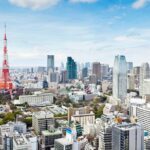
- Tokyo Tower: Views and the Post-War Symbol Angle
- Shibuya Crossing and Hachiko: The Photo You Came For
- The Meiji Jingu Shrine: Tokyo’s Most Important Shinto Shrine
- The World’s Busiest Railway Station Area: Modern Tokyo in Transit Form
- Shinjuku Gyoen National Garden: A Big Park Break
- Hotel Pickup, Guide Planning, and Booking Help That Saves Your Brain
- Pacing, Walking, and Crowd Reality (Plan Around It)
- Price and Value: Is $250.83 Per Person Actually Fair?
- Who This Tour Fits Best
- Should You Book This Tokyo Private Customizable Full Day Tour?
- FAQ
- How long is the Tokyo private tour?
- Is this tour private?
- How many sights can I choose?
- Does the tour include hotel pickup and drop-off?
- Will I have an English-speaking guide?
- Are reservations and bookings handled for us?
- What kind of tickets or documents do I receive?
- What’s required after I book?
- What is the cancellation situation?
Key Things I’d Pay Attention To
- Custom itinerary (4 to 5 sites): You control the day’s mix of markets, temples, parks, shopping, and viewpoints.
- Reservations and bookings included: Your guide works ahead so your schedule stays practical.
- Hotel pickup and drop-off: Door-to-meetup convenience in a city where trains are great but transfers take planning.
- English-speaking professional guide: Clear explanations and someone to help you decide on the fly.
- A sightseeing menu that covers old and new Tokyo: From Asakusa to Shibuya, plus gardens and shrines.
- Transit support: One review noted prepaid metro tickets, which can save time and hassle.
A Private Day in Tokyo That You Actually Control
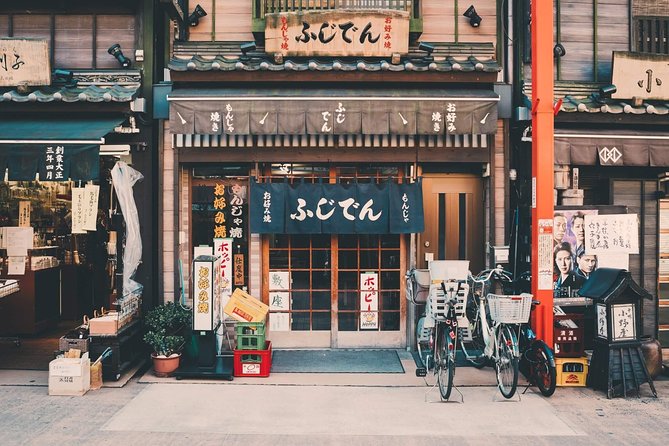
Tokyo is best when you get a mix: one part landmarks, one part everyday street life, and one part “wait, this is beautiful” breaks. This tour is built for that. Instead of locking you into a fixed group route, you choose from a list of major sights and your guide turns it into a workable itinerary for an 8-hour day.
That matters because Tokyo planning has two common traps. First, the sights are far enough apart that a slow start can crush your day. Second, some places look easy on paper but get time-heavy once you add queues, station navigation, and meal timing. With this format, your guide plans the order, helps organize transport, and—when needed—makes bookings on your behalf.
You’re also buying something hard to measure: undivided attention. In a private setting, you can ask questions in the moment, adjust when you feel tired, and spend a little extra time where you’re actually interested. It’s a good match if you like your days to feel personal rather than scripted.
You can also read our reviews of more private tours in Tokyo


The Sight Menu: What Each Stop Feels Like (and What to Watch For)
The itinerary includes a long list of possible highlights. In practice, you’ll typically choose 4 to 5 sites so the day stays enjoyable. Here’s how the listed stops tend to work as experiences, plus what to consider before you pick them.
Tsukiji Outer Market: Food, Energy, and Quick Bites
Tsukiji Outer Market is famous for fresh seafood and the old tuna auction legacy. Even if you don’t go specifically for raw fish, you’ll still feel the atmosphere: narrow streets, intense smells, and stalls designed for people who want to taste as they walk.
Why it’s worth a pick: It’s one of the quickest ways to get the Tokyo food vibe without needing a food tour specialist.
What to watch for: It can get crowded and fast-moving. If you’re not a breakfast person, plan to arrive ready to snack rather than expecting long sit-down meals.
Akihabara: Otaku and Manga Culture in Full Technicolor
Akihabara is the center of Japan’s otaku and manga world, with electronics shops and geek-friendly browsing everywhere. This is where you go for model kits, character merchandise, niche gadgets, and the kind of street-level excitement that feels different from mainstream shopping districts.
Why it’s worth a pick: If you’re into pop culture or just want a street that’s unapologetically themed, this is a high-payoff stop.
What to watch for: If electronics shopping is not your thing, it can feel like you’re walking through storefronts rather than seeing landmarks. Pair it with something calmer later, like a garden or shrine.
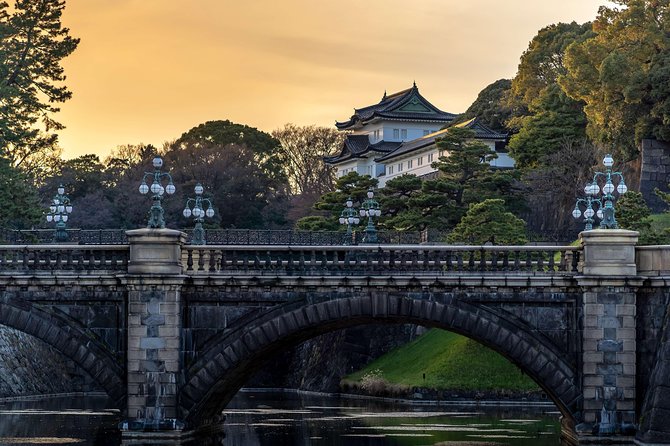
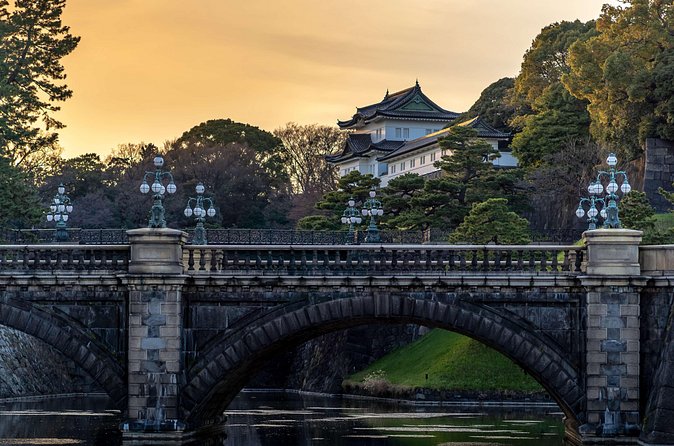
Imperial Palace Area: Edo Castle Roots and a Formal Tokyo
The tour lists the Imperial Palace as being on the former Edo Castle site and as the residence of the Imperial Family. Even when you’re not doing a deep historical tour, the setting gives you a sense of Tokyo’s power center—quiet grandeur, wide spaces, and a feeling of formality compared to the surrounding neighborhoods.
Why it’s worth a pick: Great for first-timers who want a meaningful Tokyo chapter beyond shopping and nightlife.
What to watch for: Depending on access and how your day is paced, this can feel more like a scenic walking area than an all-day “do everything” stop. If your ideal day is action-heavy, you might keep it to a shorter visit.
You can also read our reviews of more tours and experiences in Tokyo


Asakusa and Nakamise-dori: The Old Temple Road
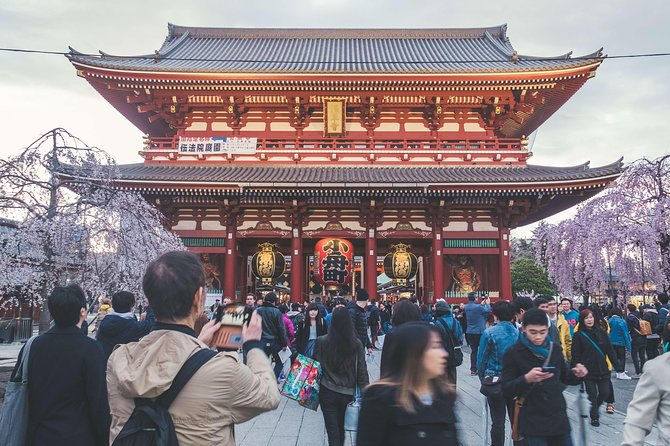
This is where you get Tokyo’s iconic old-meets-new vibe. The tour describes Senso-ji as Tokyo’s oldest and most significant temple since 645. Nakamise-dori runs alongside it, lined with shops over 100 years old.
Why it’s worth a pick: It’s one of those places where you can bounce between atmosphere, snacks, souvenirs, and photos without needing a plan down to the minute.
What to watch for: It’s popular. You’ll likely be moving through crowds, especially if your timing hits peak hours.
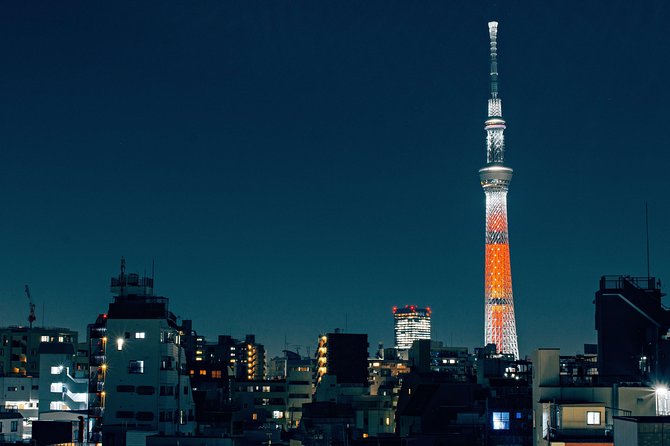
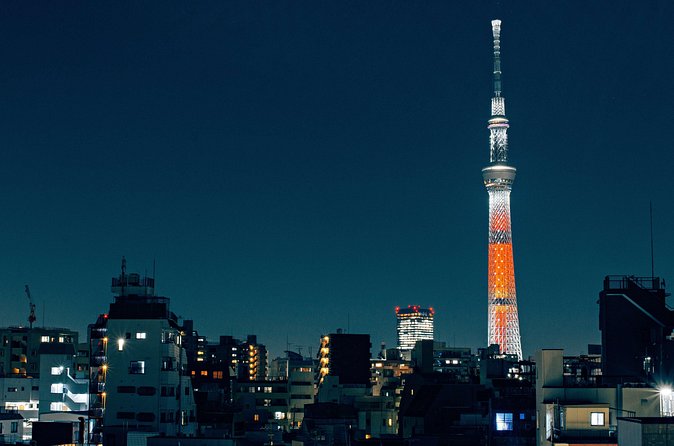
Tokyo Skytree: A 450-Meter View Fix
If your goal is a “see the whole city” moment, Tokyo Skytree is a strong contender. The tour highlights it as the tallest structure in Japan at 450 meters, with city views from above.
Why it’s worth a pick: When Tokyo weather cooperates, the view can turn into your favorite single memory of the day.
What to watch for: Skytree time depends on lines and weather. If your day already includes a lot of indoor shopping, balance it with outdoor areas so the skyline moment feels special.
Ueno Park: Big Green Space With Tokugawa Echoes
The tour describes Ueno Park as a large park originally owned by the ruling Tokugawa clan. That historical tie gives the area a sense of place beyond just being a park.
Why it’s worth a pick: It’s a pressure-release valve in the middle of a busy Tokyo day. Even if you don’t spend hours, a park stop helps your pacing feel human.
What to watch for: If you pick too many major shopping stops, Ueno can end up feeling like a quick walk-through. Treat it like your downtime.
Old-Tokyo Streets Near Ueno Park: Slower, Local, and Walkable
The itinerary also includes a district with a pleasant atmosphere of old Tokyo within walking distance of Ueno Park. This is the kind of neighborhood stop that helps your day feel less like a checklist.
Why it’s worth a pick: It adds texture—side streets, small shops, and a different rhythm than the big-name districts.
What to watch for: It’s not a “one big attraction” stop. Your enjoyment depends on whether you like wandering and noticing details.
Ginza: Premier Shopping District, Polished and Central
Ginza is Tokyo’s most famous premier shopping district. This is where you go for high-end brands, department stores, and that polished, city-center energy.
Why it’s worth a pick: Great if you want modern Tokyo retail culture or you’re shopping for gifts you can’t easily find elsewhere.
What to watch for: If you’re chasing value or street-level surprises, Ginza can feel a bit more expensive and predictable. Pair it with a market or shrine so your day doesn’t feel too uniform.
Tokyo Tower: Views and the Post-War Symbol Angle
The tour includes Tokyo Tower and frames it as a symbol of Japan’s post-war rebirth, with the classic “getting-away-from-ground-level” sightseeing payoff.
Why it’s worth a pick: It’s a classic photo stop with a strong sense of Tokyo identity.
What to watch for: Like Skytree, timing and weather matter. If you choose both towers on the same day, you may want to keep them as highlights rather than trying to overdo everything else.
Shibuya Crossing and Hachiko: The Photo You Came For
Shibuya Crossing plus the Hachiko statue is basically the starter pack for modern Tokyo imagery. You get the iconic moment and a real sense of how Tokyo moves at full speed.
Why it’s worth a pick: It’s a recognizable landmark with instant atmosphere—great for first-timers.
What to watch for: Crowds are part of the experience. If you don’t like standing around watching, ask your guide to help you pick the best nearby moments to move through efficiently.
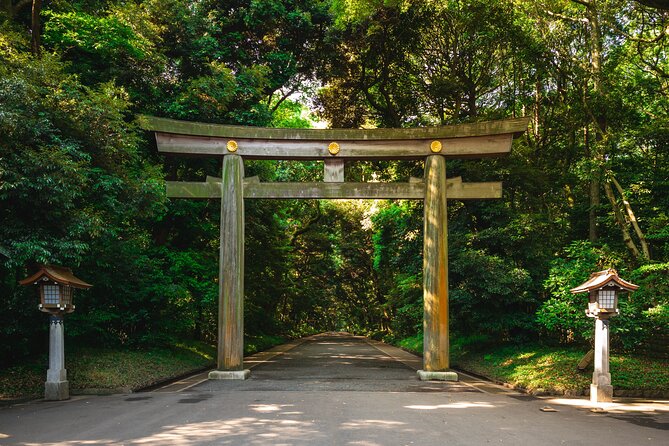
The Meiji Jingu Shrine: Tokyo’s Most Important Shinto Shrine
The tour lists the Meiji Jingu Shrine as Tokyo’s most important Shinto shrine. Shrines in Tokyo can feel like a reset button, and Meiji Jingu is known for that calmer, more natural feeling once you’re inside the grounds.
Why it’s worth a pick: It gives you a meaningful contrast to the loud, busy neighborhoods earlier in the day.
What to watch for: This is not a “quick photo and leave” stop if you want the mood. Give it time to slow you down.
The World’s Busiest Railway Station Area: Modern Tokyo in Transit Form
The itinerary includes the district around the world’s busiest railway station. Even if you’re not trying to ride everything, the area gives you a window into Tokyo’s daily mechanics—how people flow, how streets and stations connect, and how everything is designed to keep moving.
Why it’s worth a pick: Great for understanding Tokyo beyond sightseeing—this is where the city’s energy lives.
What to watch for: It can be overwhelming if you want quiet. Use it as a modern anchor point between calmer stops.
Shinjuku Gyoen National Garden: A Big Park Break
Shinjuku Gyoen is listed as one of Tokyo’s largest and most popular parks. This is another place where the pace changes from city motion to slow walking.
Why it’s worth a pick: It’s a strong choice when you want Tokyo nature without leaving the city.
What to watch for: It can eat time if you wander too long, so keep it as one of your main “sets” for the day rather than a quick add-on.
Hotel Pickup, Guide Planning, and Booking Help That Saves Your Brain
This is where the tour earns its keep. You get an English-speaking professional guide, hotel pickup and drop-off, and city transportation support. On paper, that’s just services. In real terms, it reduces the mental load that wrecks a lot of day plans.
One review highlighted that the guide met promptly with a sign and kept an eye on everyone’s timing. Another noted prepaid metro tickets. Those small details matter because Tokyo transit is efficient—but getting it right still takes attention. Having the guide handle the route and tickets helps you spend your energy on the actual sights.
The tour also includes 8-hour fully customized touring, with reservations and bookings made on your behalf. That’s a big deal if you’re visiting places that need time planning, or if you just want fewer calls, less searching, and more walking at your pace.
And yes—your guide can help with food timing too. One review called lunch a memorable highlight, specifically at a traditional Japanese restaurant. Even when meals aren’t listed as included, a guide-led day often means your schedule can be built around something worthwhile instead of whatever is closest.
Pacing, Walking, and Crowd Reality (Plan Around It)
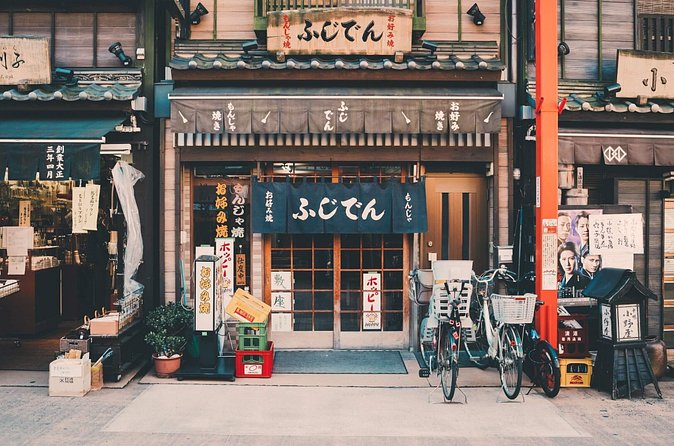
The tour sets “moderate physical fitness” as the expectation. That doesn’t mean you need to be an athlete. It does mean you should assume normal city walking, some stairs in transit areas, and time spent moving through crowded zones.
Here’s how I’d plan your picks to avoid a rough day:
- Choose one major food/market stop (Tsukiji or a similar style) and enjoy it, rather than piling on multiple intense market areas.
- Add one calmer stop (Meiji Jingu or a park like Ueno/Shinjuku Gyoen) to reset your legs.
- Pick one big-view target (Skytree or Tokyo Tower), since two can turn into a time squeeze if crowds and weather are not ideal.
Dress for the weather. Tokyo can shift quickly, and you’ll be outside or moving between neighborhoods. If your day includes parks, think about comfort shoes and layers.
Also keep arrival timing in mind. The day starts at 8:00 am, and the guide waits up to 30 minutes from the start time. Arrive early so you don’t lose your morning momentum.
Price and Value: Is $250.83 Per Person Actually Fair?
At $250.83 per person for an 8-hour private tour, the value depends on how you’d otherwise do the day. If you’re planning a DIY day, you’d still spend money on trains, entrance fees where applicable, and a lot of your time figuring logistics. You’d also likely lose the advantage of having a guide who can build a route that matches your interests.
This tour includes:
- hotel pickup and drop-off
- an English-speaking professional guide
- transportation within the city only
- reservations and bookings made on your behalf
- a day plan built around 4 to 5 sites
That combination is what you’re really paying for: time saved plus decision-making handled. You’re not buying just someone showing up with a map—you’re buying a plan.
It also notes group discounts, which can make it more cost-effective if you’re traveling with others. If you’re solo, it can still feel reasonable compared to other private guide setups in Tokyo, especially when your day includes multiple neighborhoods and major sights.
Who This Tour Fits Best
This tour suits you if:
- you’re a first-time Tokyo visitor who wants a lot of famous places without the stress of building an itinerary
- you like food and neighborhood variety, from market energy to shrine calm
- you want a private day where your guide can adjust based on your interests
- you’d rather spend time enjoying the city than working out transport and bookings
It might feel less ideal if:
- you want a slow, minimal-walking day with only one neighborhood
- you dislike crowds and iconic photo stops (you’ll still face crowd energy at places like Shibuya)
- you prefer fully DIY travel where you control every detail and don’t want to rely on a guide’s planning
Should You Book This Tokyo Private Customizable Full Day Tour?
If you’re the type who loves Tokyo but hates itinerary stress, this booking is a strong choice. The biggest reason: you get a private guide plus a practical structure—choose 4 to 5 sites, get pickup, and let the guide handle scheduling and bookings.
I’d especially book it if your ideal day includes a mix of food (Tsukiji), culture (Asakusa and Meiji Jingu), and viewpoints (Skytree or Tokyo Tower). That’s where the customization feels most valuable.
Before you decide, think about your walking tolerance and how many “big draw” stops you want. If you choose a balanced mix—one market, one neighborhood wander, one park, and one big-view—you’ll likely end with a day that feels memorable instead of rushed.
FAQ
How long is the Tokyo private tour?
It runs for about 8 hours.
Is this tour private?
Yes. It’s a private tour/activity, and only your group participates.
How many sights can I choose?
You can choose 4 to 5 sites for a personalized tour of Tokyo.
Does the tour include hotel pickup and drop-off?
Yes, hotel pickup and drop-off are included.
Will I have an English-speaking guide?
Yes. The tour includes an English-speaking professional tour guide.
Are reservations and bookings handled for us?
Yes. The tour includes reservations and bookings made on your behalf.
What kind of tickets or documents do I receive?
The tour notes that it uses a mobile ticket.
What’s required after I book?
After booking, you receive a link to the Tokyo Form within 48 hours. You should complete the form at least 7 days before your tour date.
What is the cancellation situation?
The provided information includes cancellation fees based on how many days before the tour you cancel. It also notes that if you cancel after the custom itinerary has been sent, the service fee of 15% of your total tour cost is nonrefundable.