REVIEW · TOKYO
Tokyo: Personalized Private 6-Hour Tour
Book on GetYourGuide →Operated by Field Trip Plus by Pastel Co., Ltd. · Bookable on GetYourGuide
Tokyo can be overwhelming. A private guide makes it feel doable. In just 6 hours, you’ll stitch together classic neighborhoods and food stops, with a route that’s meant to fit your pace and interests, from Meiji Shrine to Tsukiji Outer Market.
I especially like two parts: the chance to get specific help choosing what to eat at the fish market and the way the guide turns major sights into practical, human-scale experiences. One more thing I really value is that the tour is private, so you can ask questions and keep the day from turning into a rushed checklist.
The only real drawback to plan for is logistics. You’ll walk and use public transit, and many stations have few elevators or escalators, so stairs can be part of the day unless you flag your preference early.
In This Review
- Key moments that make this tour work
- How a personalized 6-hour Tokyo day actually feels
- Pickup, timing, and the reality of walking stairs
- Where the day can start: Meiji Shrine and the idea of a calm reset
- Harajuku’s pop fashion zone: shopping without getting lost
- Shibuya time: modern Japan with practical viewpoint stops
- Tsukiji Outer Market: eating your way through Tokyo (with help)
- Optional “great Tokyo mix” stops your guide may add
- The Naritasan Fukagawa Fudōdō stop: a spiritual palette cleanser
- A note on transportation and entrance fees: budget realism
- What past guide experiences tell me about how the day runs
- Price: is $459 per group up to 1 worth it?
- Who this tour suits best
- Should you book this Tokyo private 6-hour tour?
- FAQ
- What’s the duration of the Tokyo private tour?
- Where is pickup, and is pickup included?
- What languages are available for the live guide?
- What’s included in the price?
- What isn’t included?
- Is the tour accessible for people who need elevators or escalators?
- What’s the cancellation policy?
Key moments that make this tour work
- Private, interest-driven routing so you can focus on shopping, sights, or food without dead time
- Tsukiji Outer Market food exploration where you get help navigating what to try
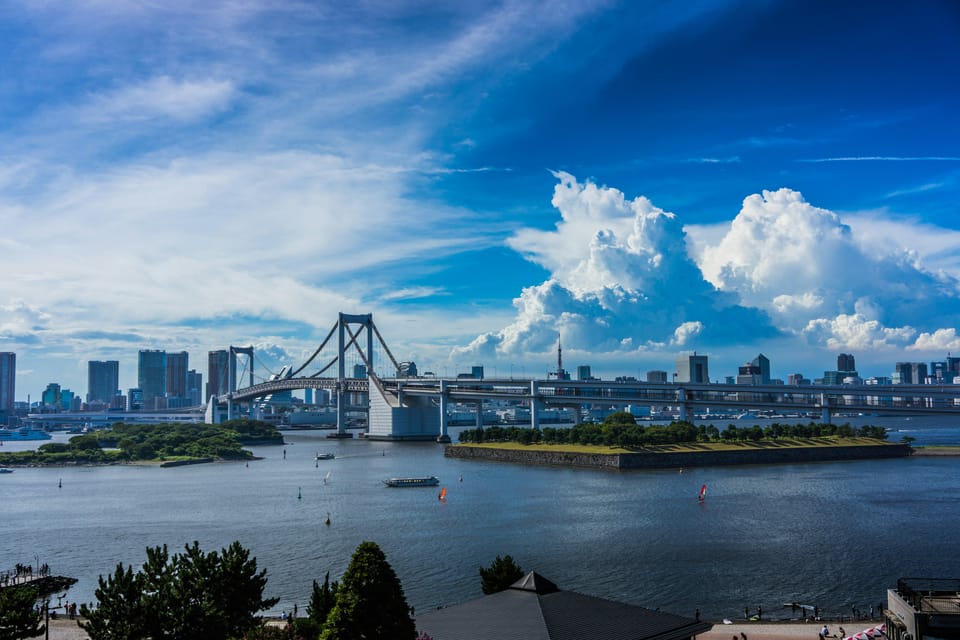
- Shibuya time with real local energy for views, streets, and quick shopping stops
- Old-town Yanaka-style browsing if your guide includes the small shopping streets option
- Clear cultural explanations in your guide’s language (English, French, German, or Spanish)
- A pace that can handle 3 to 4 major stops instead of stuffing in too much
How a personalized 6-hour Tokyo day actually feels
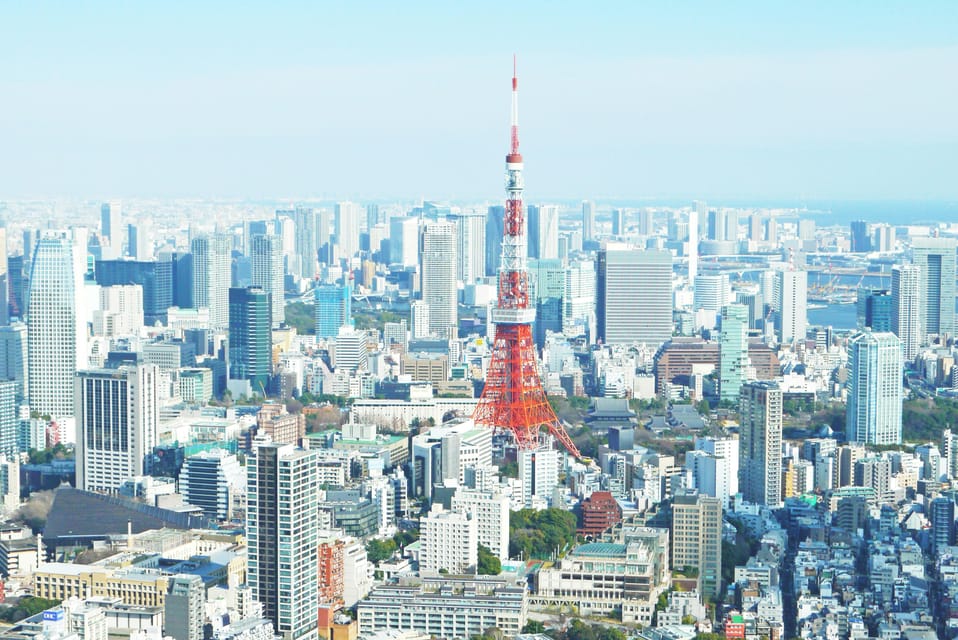
This is the kind of Tokyo tour that helps you see the city instead of just moving through it. You’re not stuck with one fixed route. A professional guide designs your day around what you care about, and the plan is built so you typically visit 3 or 4 attractions, depending on how fast you like to move and how long you linger for photos, snacks, or shopping.
You’ll also get a time-friendly structure. Even though Tokyo is big, the day is organized to keep you near the action. Expect repeated transfers by subway/metro, with walking between stops. It’s not a sit-and-watch tour, but it also isn’t a marathon.
One practical upside: pickup is handled in the lobby area near the reception desk at your hotel in Tokyo’s ward 23. If you’re staying in a central area, that makes the start easier than meeting at a distant station and trying to figure out where the guide is before coffee.
You can also read our reviews of more private tours in Tokyo



Pickup, timing, and the reality of walking stairs
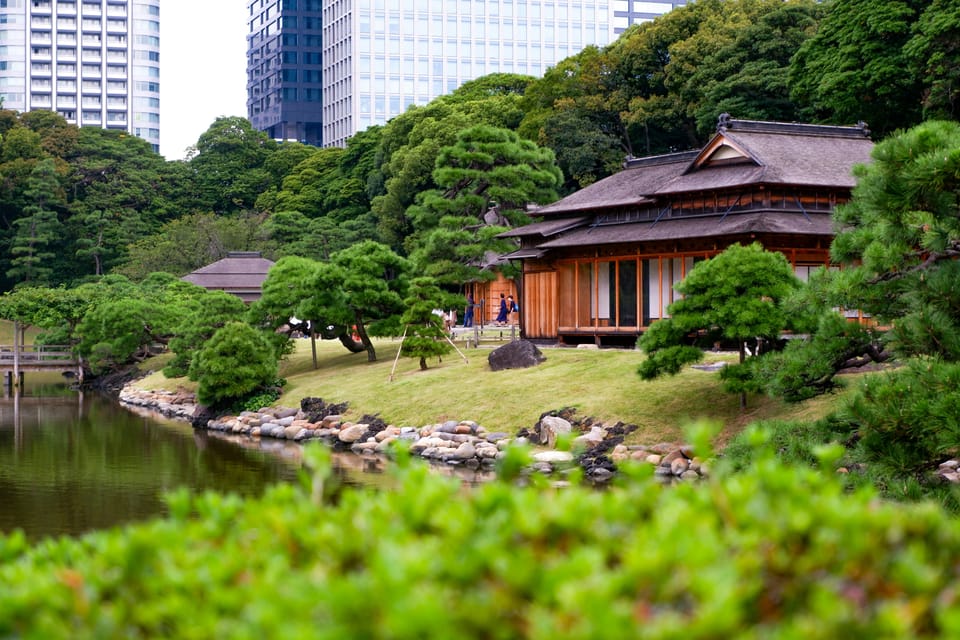
Pickup is included, and the tour meets you near your hotel’s reception desk. You’ll be handed over to your guide right at the beginning, which removes one of the biggest headaches in Tokyo—finding the meeting point while you’re already tired.
You should plan around walking. The tour includes public transportation and walking segments, and the guidance notes that most stations have limited elevators or escalators. So if stairs are an issue, tell your guide you prefer elevators/escalators when possible. This is one of those details that can turn a good day into a comfortable day.
Also note the time rule: if you arrive late, the tour still ends at the planned time. That means it’s worth building a small buffer into your morning or your return plans, especially if you’re juggling multiple tickets or a lunch stop on your own.
Where the day can start: Meiji Shrine and the idea of a calm reset
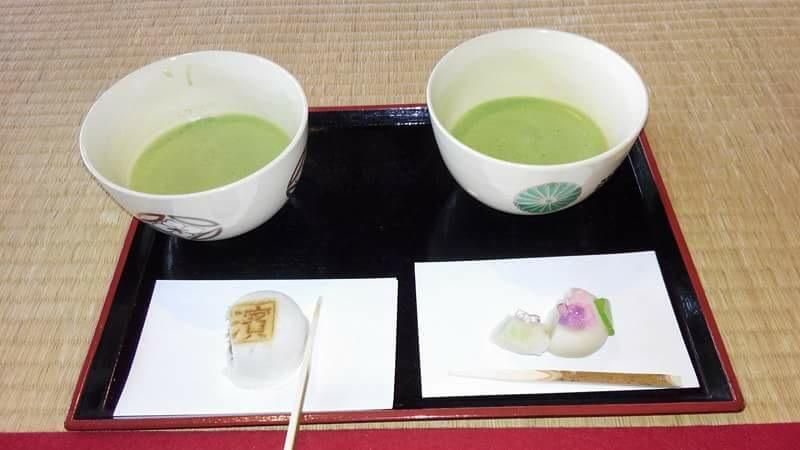
A common first anchor is Meiji Shrine, which gives you a quick reset from the city’s noise. The “forest shrine” vibe matters here. Even if you don’t plan to spend hours reading plaques, walking into that shaded space helps you get your bearings fast.
Why I like this stop on a guided route: your guide can point out what to notice without turning it into a lecture. You can keep it light—photos, a slow walk, and then you’re ready for the contrast of fashion streets and major intersections.
A drawback to keep in mind is simple: it’s one more place to cover on foot. If you’re sensitive to walking time early in the day, be ready for a short but active start.
Harajuku’s pop fashion zone: shopping without getting lost
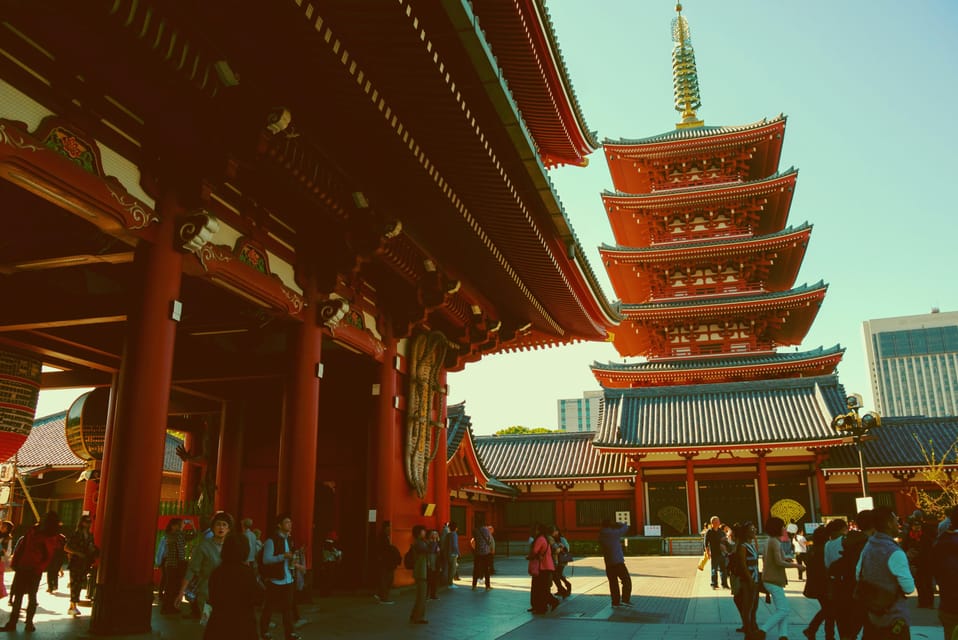
From the shrine area, the tour often swings toward Harajuku, known for pop fashion shopping and street-scene energy. This is a part of Tokyo where it’s easy to wander in circles if you’re not sure what you want to buy or what you’re looking at.
With a guide, you can aim your time. You get a walk with sightseeing and shopping built in, and the guide can steer you toward the kind of stores you’re interested in—whether that’s fashion browsing, themed goods, or just the fun of watching local street style.
If your goal is shopping, this is one of the best uses of a limited 6-hour window. You can treat it like an organized stroll: see what’s happening, pick a few stops, and move on before you burn out.
Shibuya time: modern Japan with practical viewpoint stops
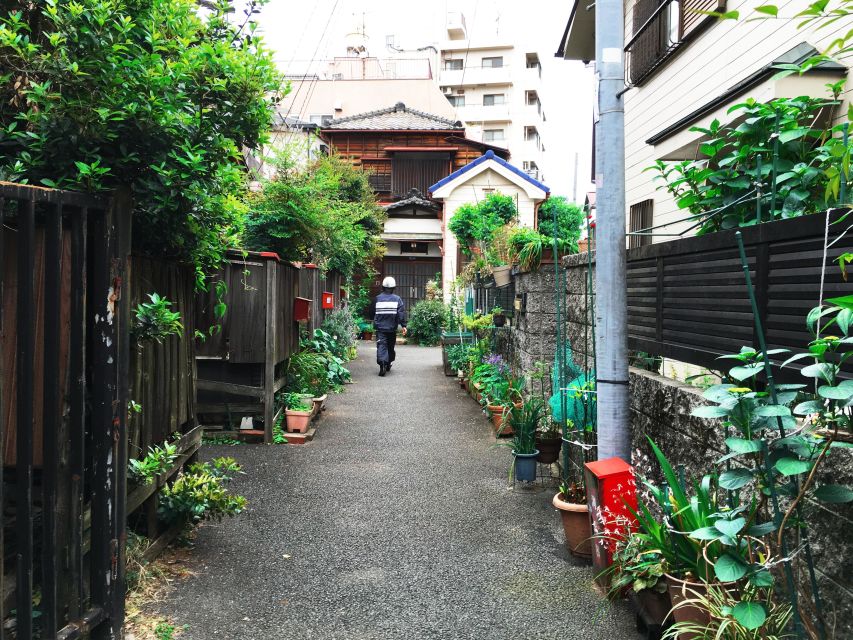
Shibuya is where Tokyo’s modern side goes loud. The tour typically includes time for visiting, walking, and scenic views on the way. That matters because Shibuya isn’t just one square. It’s multiple crossings, streets that fan out in different directions, and lots of photo angles.
What you’ll appreciate with a private guide is the ability to choose your timing. If you’re sensitive to crowds, you can time where you stand, where you walk, and how long you pause.
Also, Shibuya is one of the easiest neighborhoods to mix sightseeing and buying small things. If you’re hoping to bring home quick souvenirs without committing to a long department-store session, Shibuya is a smart place to do it.





Tsukiji Outer Market: eating your way through Tokyo (with help)
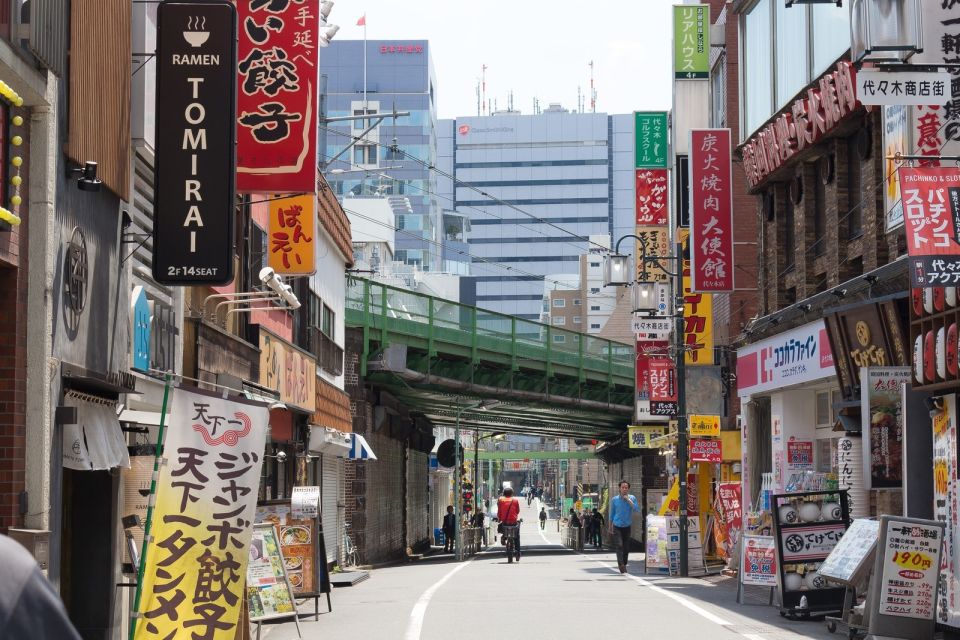
This tour’s food component is one of its strongest reasons to book. Tsukiji Outer Market focuses on what’s happening right around the market lanes—shops, stalls, and the kinds of snacks that make Tokyo feel like more than postcards.
The best part of having a guide here is decision-making. You don’t need to be a food expert. You can tell your guide what you like, what you don’t like, and how adventurous you want to be, and then get suggestions for what to try on the spot.
If you want a practical tip: bring comfort-first shoes and be ready for short bursts of walking between stalls. The market area is not designed for long, slow strolling with heavy bags.
And because lunch isn’t included (for either you or the guide), Tsukiji works well as your food anchor. It’s a natural place to handle your meal plans without forcing an extra reservation later.
Optional “great Tokyo mix” stops your guide may add
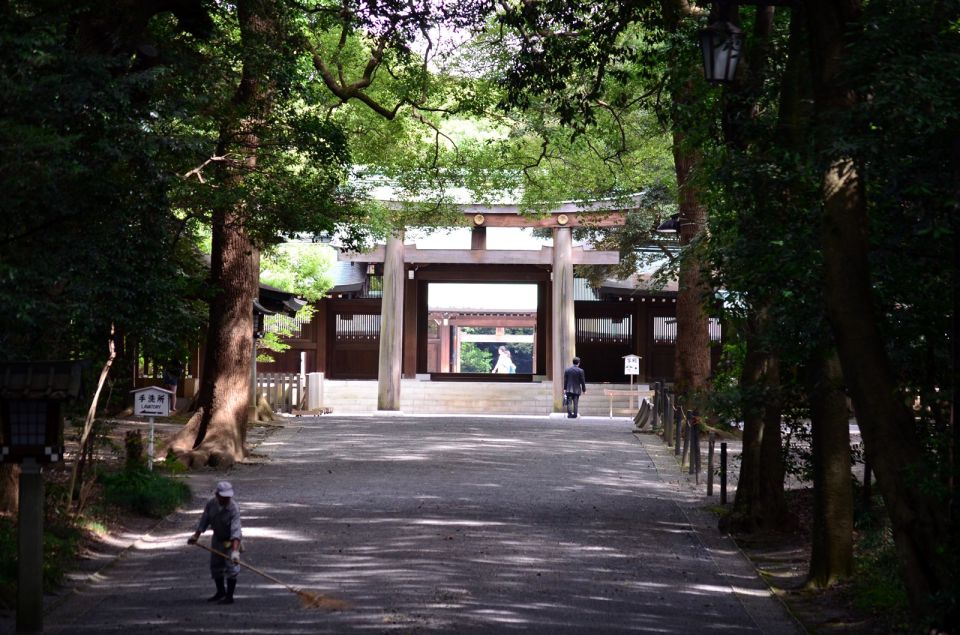
Because this is personalized, you may see different combinations beyond the core neighborhood hits. Here are highlights that fit well into the same kind of 6-hour rhythm:
- Imperial Palace East Garden: a green, classic counterpoint to the commercial streets. If you want Tokyo with quieter pacing, this can be a good mid- or late-day balance.
- Tokyo Skytree: for big views and modern skyline energy. If you want height and photos, ask your guide to see if it fits your timing.
- Yanaka old town shopping street time: if the idea of small, older neighborhood streets appeals to you, this is where you might get that “walk like a local” feeling.
- Shinjuku shopping or department stores: good if you want a more indoor, one-stop shopping environment.
- Ginza restaurant time or Hamarikyu Garden with green tea: either choice can turn the end of your day into something more relaxed, especially if you want tea or a sit-down moment.
This is where the value of a private tour shows. You can choose the mix that matches your energy level instead of getting shoved into one theme.
The Naritasan Fukagawa Fudōdō stop: a spiritual palette cleanser
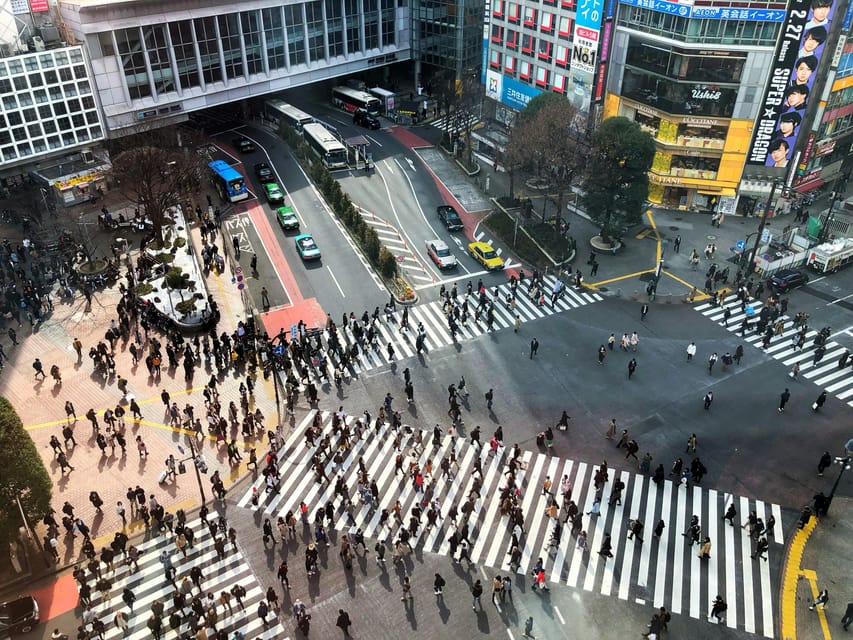
Another stop that can appear on your plan is Naritasan Fukagawa Fudōdō, which is a temple visit on the way through the day’s route. Temple time offers a different kind of Tokyo experience—less about consumption and more about atmosphere, rituals, and seeing the city through a calmer lens.
As with shrine time, the best way to enjoy it is to keep expectations flexible. If you want quiet, this works. If you want photos, your guide can point you toward angles and areas where it feels respectful and safe.
A note on transportation and entrance fees: budget realism
Here’s the part that trips people up: the tour includes guiding and a transportation fee for the guide, but it does not include transportation for you or entrance fees. Lunch also isn’t included.
So you’ll want to budget for your own subway/metro rides plus any tickets or entry costs at the stops your guide selects. The good news is that Tokyo transit is straightforward, and having a guide means you spend time sightseeing instead of figuring out where to go next.
Also, cancellation and insurance matter. Travel insurance is highly recommended because the guide isn’t responsible for illness, injury, theft, loss, or damage during the tour. It’s one of those standard cautions that’s worth taking seriously in a city with lots of movement and crowded stations.
What past guide experiences tell me about how the day runs
The tour’s rating is strong, and the pattern in the best feedback is consistent: guides show up on time, adapt to preferences, and explain things clearly.
Examples from recent bookings include:
- Mamiko, who picked people up promptly and handled a route that felt efficient yet interesting over about 6.5 hours.
- Frau Rie, praised for lots of explanation and for providing information in German when English wasn’t ideal.
- Yuko Hashinaga, who built a program tailored to preferences, adjusted quickly when plans changed, and gave clear cultural answers plus tips for what to do next in Japan.
Even if you’re not guaranteed a specific person, the lesson for you is this: this tour works best when you communicate your priorities early. If you like shopping, say so. If you want more food stops, say so. If you’d rather skip one attraction and trade it for time in another neighborhood, say so.
Price: is $459 per group up to 1 worth it?
At $459 per group up to 1, this is a premium way to see Tokyo. That price isn’t paying for entry tickets or your transit. It’s paying for a professional guide’s time, planning, and on-the-ground steering.
So the value depends on you:
- If you want a private guide because you’re traveling solo, have specific interests, or want someone to solve route questions and cultural context for you, it can feel worth it fast.
- If you’re okay with group tours and self-guided navigation, you’ll likely find lower-cost ways to hit Tokyo highlights.
My practical take: this tour is best if you want control (your pace, your shopping priorities, your food choices) and if you don’t want to waste half your day figuring out logistics and transit connections.
Who this tour suits best
This experience fits you if:
- You want a guided day that still leaves room to look around and shop.
- You’d rather ask questions and get answers than follow a rigid script.
- You’re planning a short Tokyo stay and want a smart hit of multiple neighborhoods without planning every detail yourself.
- You prefer clear explanations in English, French, German, or Spanish and want the comfort of not relying on basic signs alone.
It might be less ideal if:
- You don’t like walking or crowds, since the day uses public transit and includes walking between stops.
- You want a purely self-paced schedule with no guiding interaction.
- You’re trying to minimize extra costs, since your transit and entrances aren’t included.
Should you book this Tokyo private 6-hour tour?
I’d book it if your Tokyo plan includes at least a few of these goals: shrine calm, trend-and-shops time, a Shibuya viewpoint moment, and real food exploration at Tsukiji Outer Market. With a private guide, you’ll spend your limited time making choices instead of working out routes.
Don’t book it if your idea of the trip is mostly transportation-free sightseeing or if you want to avoid paying for private guidance when you’re happy planning on your own.
If you do book: send your guide your priorities before you meet up. Tell them what you want to eat, what shopping style you prefer (street stores vs department stores), and whether you want Imperial Palace East Garden, Tokyo Skytree, or Yanaka old streets included. That’s where the day turns from a good route into your route.
FAQ
What’s the duration of the Tokyo private tour?
The tour lasts 6 hours.
Where is pickup, and is pickup included?
Pickup is included. You’ll be met near the reception desk in the lobby of your hotel in Tokyo’s ward 23.
What languages are available for the live guide?
The live tour guide is available in English, French, German, and Spanish.
What’s included in the price?
The price includes guiding by a professional guide and the transportation fee for the guide.
What isn’t included?
Transportation for guests, entrance fees, and lunch for guests and the guide are not included.
Is the tour accessible for people who need elevators or escalators?
The tour uses walking and public transportation. Most stations have few elevators or escalators, so you should let your guide know if you prefer elevators/escalators over stairs.
What’s the cancellation policy?
You can cancel up to 30 days in advance for a 50% refund.