REVIEW · TOKYO
Tokyo’s Scariest Shitamachi Ghost Tour
Book on Viator →Operated by Tokiotours · Bookable on Viator
Tokyo ghost stories hit differently after sunset. This small-group Shitamachi evening walk mixes dark folklore with real local places, and I like that it can be family-friendly. You’ll get one guided snack and a tight set of stops, but it’s also a walking-heavy experience, and the fear factor can be more historical than Hollywood.
You start at Tokyo Station and end in Asakusa, with a maximum of 8 people, so it stays chatty instead of herding. Still, a few guides may lean harder into tragedy and cultural context than pure supernatural tales, so pick this one with that expectation.
In This Review
- Key highlights before you go
- Price and time: what $114.95 buys you
- Meeting at Tokyo Station, ending in Asakusa
- Stop 1: the Otemachi shrine where people avoid turning their back
- Stop 2: Minamisenju worship sites with tragic history and paranormal reports
- Stop 3: Asakusa around Sensoji, Old Hag’s Pond, and Kappabashi
- How scary is it, really? Manage expectations
- Walking intensity: plan for 3 hours on foot
- Guides and storytelling: the difference between scary and just fine
- Family-friendly, with a real-world caveat
- Should you book Tokyo’s Scariest Shitamachi Ghost Tour?
- FAQ
- How long is the Tokyo ghost tour?
- What does the tour cost?
- Where do I meet the tour, and where does it end?
- What time does the tour start?
- Is admission to the shrine and temples included?
- Are snacks included?
- Do I need cash for public transport?
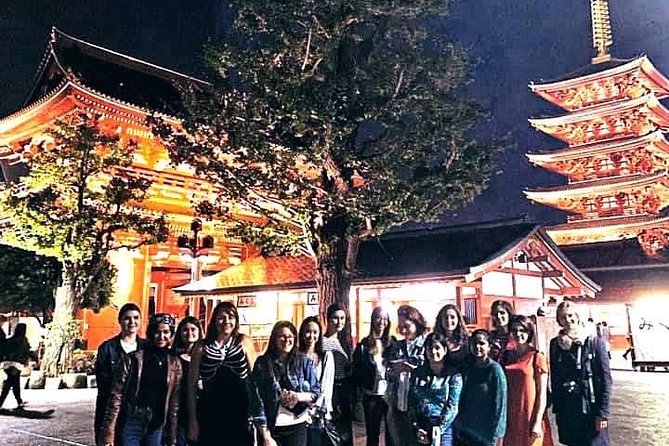
- How large is the group?
- Is it suitable for families?
- What is the cancellation policy?
Key highlights before you go
- Max 8 people means you can actually ask questions and stay with the group.
- 6:00 pm start keeps the mood right for shrine stories and after-dark streets.
- Free shrine and temple admissions at each stop help your budget go further.
- One local snack is included, but there’s no real dinner stop.
- Bring cash for transit (~400 yen) since public transport costs aren’t included.
- Comfortable shoes matter; the route is more walk than ride.
Price and time: what $114.95 buys you
At $114.95 per person, you’re paying for a guided evening through multiple neighborhoods, not just a couple of quick photo stops. The tour is about 3 hours, starting at 6:00 pm, which is long enough to feel like a real outing, but short enough that you’re not losing your whole night.
The value gets better in the details. Admissions at the stops are listed as free, and the tour includes one local snack because it runs around dinner time. What’s not included is transit: you should budget about 400 yen per person and have cash ready for it.
One more practical note: this experience is often booked ahead (on average, about 20 days), so if you’re traveling in a busy season or want a specific date, don’t wait until the last minute.
You can also read our reviews of more tours and experiences in Tokyo.



Meeting at Tokyo Station, ending in Asakusa
The tour starts at Yamato Transport Tokyo Station Marunouchi North Exit Baggage Service Counter (Marunouchi, Chiyoda). The stated address is very specific, which is good news when you’re arriving at Tokyo Station with luggage or jet lag.
You finish in Asakusa at 1-chōme-2-35, Taito City. Your guide can drop you either in a restaurant or bar area or at the metro station entrance. That matters because Asakusa evenings are easy to lose time in. A drop-off that matches your next plan (food vs. transit) can save you a scramble.
Also, you’re using a mobile ticket, and confirmation is sent within 48 hours subject to availability. If you rely on your phone as your only ticket, I’d still keep a screenshot backup.
Stop 1: the Otemachi shrine where people avoid turning their back
The first stop is Otemachi, with about 20 minutes on the clock. You’ll visit a shrine connected to a story about a vengeful spirit—the key detail is that people working nearby still don’t dare to turn their backs toward it.
This is one of those moments where the tour isn’t only about scaring you. It’s about showing how folklore can shape behavior in everyday places. You’ll likely get a short explanation, then you can observe the atmosphere yourself—shrines in business districts don’t usually feel eerie on first glance, which is part of the fun.
The practical upside: this stop includes free admission, and the time box is tight, so you won’t get stuck in one place too long before you move into the darker neighborhoods.
Stop 2: Minamisenju worship sites with tragic history and paranormal reports

Next up is Minamisenju for about 40 minutes. Here you’ll visit several points of interest around the area, including two separate places of worship. The stories connected to these sites include tragic history and reports of paranormal activity.
This is the stop where the tour often feels like it has two gears:
1) the cultural and historical background, and
2) the ghost-lore layer that sits on top of it.
That blend is why this tour can work well even for people who don’t love jump-scare-style horror. Japan’s ghost stories often feel more like social memory—grief, injustice, and lingering spiritual anxiety—than monster-of-the-week entertainment.
A caveat based on what you should expect: if you specifically want constant supernatural beats, some participants felt the intensity didn’t stay high throughout. So consider this a tour where fear rises and falls, with storytelling anchored in place.
Stop 3: Asakusa around Sensoji, Old Hag’s Pond, and Kappabashi
The last stretch is about 1 hour 20 minutes in Asakusa, covering a cluster of well-known and easily missed locations. You’ll go past:
- a viewpoint
- Sensoji temple
- the streets surrounding Sensoji
- Old Hag’s Pond
- Kappabashi
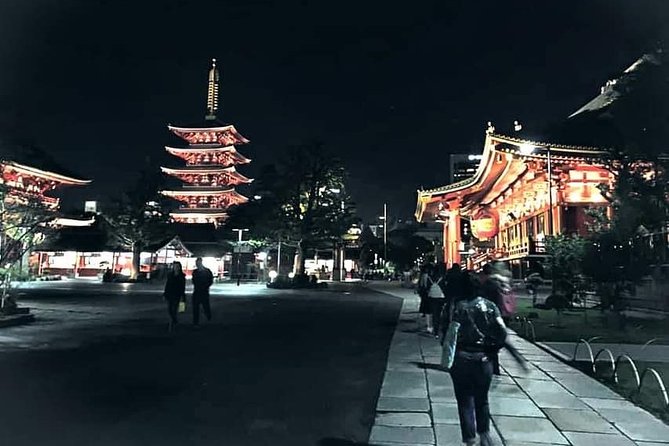
Asakusa at night has a built-in contrast: big famous landmark energy, but also narrow lanes where the lighting goes thin and the atmosphere turns more story-friendly. The tour’s timing helps. Seeing familiar sights after dark changes how you read them, especially when your guide connects them to darker themes from the area’s past.
One more detail: some accounts mention a more eerie stop like a graveyard or graveyard-style location, and that’s often where people feel the most unsettling vibe. If you’re hunting for something genuinely creepy, this is the part of the night where you’ll want to lean in.
The admissions here are also listed as free, which keeps your costs in line. Just remember the tour is still a walk-first experience. You’ll want enough energy for temple streets and side lanes, not just one main promenade.






How scary is it, really? Manage expectations
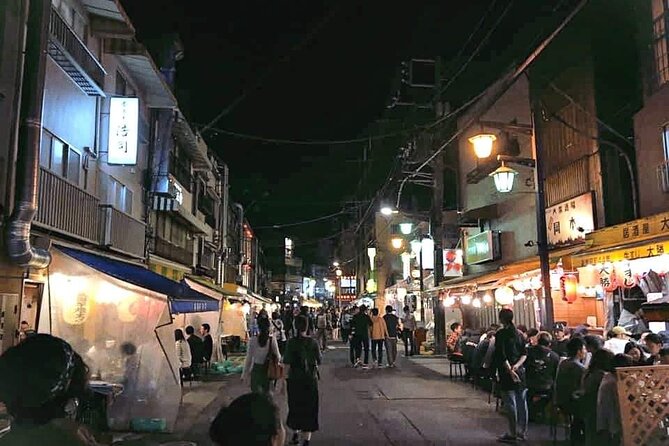
This is where I’d be honest with you. The title sells fear, but the execution is more “dark Tokyo folklore walk” than nonstop haunting.
From guide performances that get strong praise, you can absolutely get creepy: engaging storytelling, scary visits, and a sense that your guide is building tension point by point. Names that have come up with repeated praise include Joris, Maik, Frank, Mike, Haruka, Melissa, and even Aaron and Aiden (in one account). The common thread is that these guides don’t just recite facts—they talk with energy, answer questions, and make the stories feel personal to Tokyo.
At the same time, a number of people flagged the same issue: the ghost part can feel lighter than the marketing suggests. Some accounts describe having only a handful of supernatural moments across the walk, with more emphasis on history and tragic background than explicit ghost activity.
So here’s my practical guidance:
- If you want a horror movie pacing, you might feel disappointed.
- If you want spooky atmosphere plus local legends and shrine logic, you’ll probably enjoy it a lot.
Walking intensity: plan for 3 hours on foot
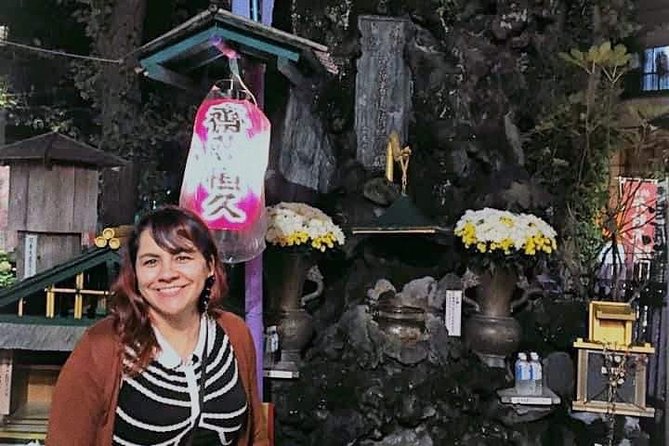
Even if the tour is sold as a ghost walk, what you’re really committing to is a walking-based route. One account mentions around 8,000 steps, and multiple notes reinforce that it’s not a sit-and-watch kind of experience.
That means you should:
- wear comfortable sneakers
- eat beforehand
- accept that rest breaks may be limited
Yes, you get one snack, but a snack is not dinner. One comment specifically warns that there are no stops for a full meal, so don’t assume you can postpone eating until the tour ends. If you start hungry, you’ll feel it more when you’re tired and your energy drops.
Guides and storytelling: the difference between scary and just fine
On a ghost tour, the guide is the show. In the strong reviews, the most praised qualities are consistent: guides who speak excellent English, keep conversation going, and layer the story with humor or empathy without losing the spooky tone.
You’ll see patterns like:
- guides being funny while still respectful at shrines
- good answering of questions
- extra attention to comfort and keeping the group together
If you’re the kind of traveler who loves asking why a story exists, or how a shrine practice connects to a legend, this format rewards you. It’s also small enough that your questions don’t get lost in a crowd.
Family-friendly, with a real-world caveat
The tour can be made family-friendly, and that’s a big plus if you want something age-appropriate for your group. Still, one comment notes that some stories might be too dark for younger audiences.
So if you’re bringing kids, I’d treat this as a story tour with spooky themes rather than a harmless bedtime tale. If you’re unsure, you can likely discuss preferences with your guide ahead of time when you meet—ghost tours in Japan often include tragedy and death-related folklore, even when they’re presented respectfully.
Should you book Tokyo’s Scariest Shitamachi Ghost Tour?
Book it if you want:
- a night walk in Asakusa’s Shitamachi vibe
- shrine-and-legend storytelling that’s local, not generic
- small-group attention (up to 8)
- a tour that mixes dark folklore with real places and cultural context
Skip or think twice if you want:
- nonstop supernatural scares with constant ghost encounters
- minimal walking or lots of resting time
- a built-in dinner stop
If you do book, go in prepared: eat first, bring cash for transit, and wear shoes that can handle temple streets and side lanes. That’s the setup that turns this into a fun, spooky evening instead of a long, tiring one.
FAQ
How long is the Tokyo ghost tour?
It runs for about 3 hours.
What does the tour cost?
The price is $114.95 per person.
Where do I meet the tour, and where does it end?
You start at Yamato Transport Tokyo Station Marunouchi North Exit Baggage Service Counter. The tour ends in Asakusa at 1-chōme-2-35, Taito City.
What time does the tour start?
The start time is 6:00 pm.
Is admission to the shrine and temples included?
Yes. The stops list admission tickets as free.
Are snacks included?
Yes. Since it runs around dinner time, the guide provides one local snack during the tour.
Do I need cash for public transport?
Yes. Public transport fees during the tour are estimated at around 400 yen per person, and you should bring cash.
How large is the group?
The tour has a maximum of 8 travelers.
Is it suitable for families?
It can be made family-friendly, but some stories may be too dark for younger audiences.
What is the cancellation policy?
It is non-refundable and cannot be changed for any reason.