REVIEW · TOKYO
Tokyo: Mochi-Making Class in a Private Studio
Book on GetYourGuide →Operated by Simply Oishii Wagashi School · Bookable on GetYourGuide
Hand-shaping mochi feels almost meditative. This hands-on Tokyo class turns a sticky rice treat into five different desserts while you learn the cultural meaning behind mochi. It’s taught in a cozy studio setting with a small group, so you get real interaction instead of watching from the sidelines.
I especially like the step-by-step teaching style and the fact that you make mochi from scratch in a guided, interactive way. I also love the payoff: you taste five kinds of mochi at the end with hot or cold green tea, and you leave with a downloadable recipe to repeat at home. Instructors you might meet include Owa, Michiko, Ayumi, and Kiyoko—each with their own way of explaining mochi and making the class feel personal.
One consideration: this experience isn’t suitable for wheelchair users, and there’s also a minimum age of 4 years old. If you’re traveling with kids under that age, or you need step-free access, you’ll want to plan a different activity.
In This Review
- Key things I’d mark on your Tokyo list
- A Private Mochi Workshop in Tokyo: What Happens in Those Two Hours?
- From Mochi Dough to Five Desserts: The Hands-On Process
- Culture Lessons That Actually Make the Sweet Taste Better
- Green Tea Pairing: Hot or Cold, but Always On Point
- What You Take Home: Downloadable Recipe and Photo Session
- Price and Value: Why $82 Can Make Sense for This Experience
- Finding the Studio Near Family Mart: Logistics Without the Headache
- Who This Mochi Class Suits (and Who Might Want Another Plan)
- Should You Book This Mochi-Making Class?
- FAQ
- How long is the mochi-making class?
- What’s the price per person?
- Is the class gluten-free?
- Is there a non-dairy option?
- How many people are in the class?
- What does the class include besides making mochi?
- Where is the meeting point and how do I enter?
Key things I’d mark on your Tokyo list
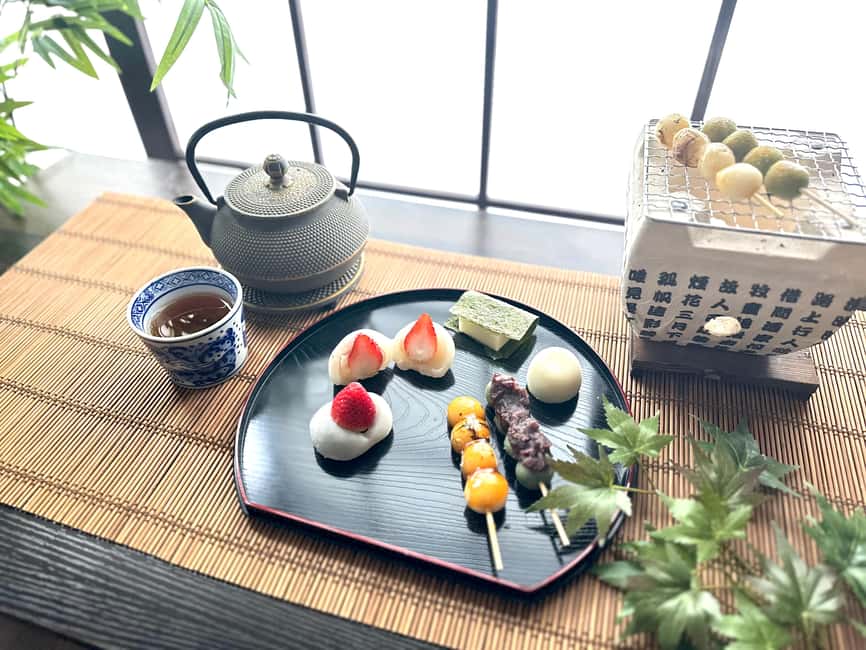
- Make mochi from scratch in a hands-on class that lets you touch and shape the dough
- Taste five mochi styles paired with hot or cold green tea
- Learn the cultural background of mochi while you cook
- Small group size (up to 8) keeps it interactive and question-friendly
- Go home with a downloadable recipe and a photo session
- Diet-friendly options, including gluten-free and a non-dairy alternative
A Private Mochi Workshop in Tokyo: What Happens in Those Two Hours?
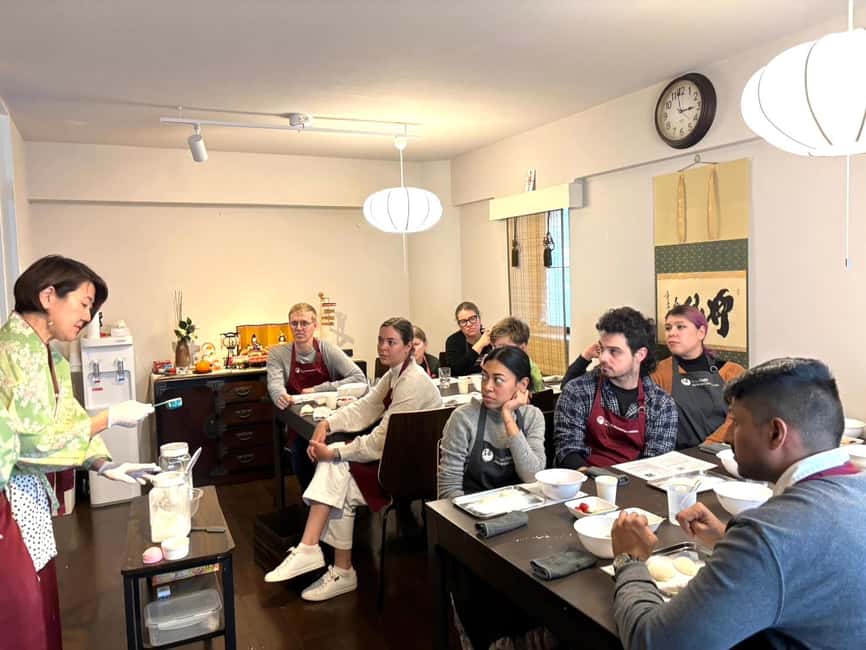
This is a 2-hour mochi-making class in Honshu, Japan, priced at $82 per person. You’ll be working in a small group (limited to 8), which matters because mochi is more about feel than theory. The class is taught in English and Japanese, so you can follow along even if your Japanese is basic.
The experience is designed as interactive cooking. You’ll start by learning how mochi dough works—how it moves, how it changes as you shape it, and how to handle that classic chewy texture. Expect an instructor to explain not just the steps, but also why mochi shows up in Japanese life.
You’ll also get a short taste-and-judge moment at the end. You’ll eat your creations with green tea served hot or cold, which is a simple pairing but a very Japanese one. And if strawberries aren’t available, fruit is swapped in—so you still get the same dessert idea without the same berry.
You can also read our reviews of more private tours in Tokyo



From Mochi Dough to Five Desserts: The Hands-On Process
The heart of this class is making and shaping mochi into multiple desserts. You’re not just forming one piece and calling it a day. Over the 2 hours, you’ll create and sample five kinds of mochi from scratch, which gives you a much better sense of how flexible mochi can be.
Mochi is famously chewy, but your success depends on technique—especially when you’re shaping. That’s why this class leans heavily into “hands-on” work: you’ll touch the mochi and shape it into different forms. Even if you’re not a confident cook, the class format helps, because you’re guided while your hands learn the texture.
Here’s what makes that practical for you as a visitor: you’re building understanding through doing. Once you’ve molded mochi yourself, you’ll be able to recognize the differences between varieties you see in shops later. You’ll also have an easier time recreating the basic method because you’ve felt the dough in your own hands.
Diet notes are clearly part of the plan here. The class is gluten-free, and a non-dairy option is available. That’s important because sweet Japanese treats can sometimes be hard to adapt if you have dietary needs, and this one is built to accommodate them.
Culture Lessons That Actually Make the Sweet Taste Better
Mochi isn’t just a dessert. It has a deep place in Japanese culture, and this class gives you that context without turning into a lecture. Instructors like Michiko are known for sharing the history and cultural significance of mochi, which makes the tasting feel less random. You’re not only eating sugar—you’re sampling something with meaning.
This cultural framing also helps you slow down and notice what you’re eating. Mochi can feel simple on paper, but the way it’s used—seasonally, ceremonially, and in everyday sweets—changes how you experience the texture. When someone explains the background while you work, the final bite lands differently.
One thing I liked from the way the class is described by past participants: the instruction isn’t cold or robotic. Some instructors take a warm, personal approach, even listening to why each person is visiting Japan. That kind of attention turns a cooking class into a friendly conversation, not a checklist.
You’ll also get photo time built into the experience. That matters more than you might think, because mochi can be messy and fleeting. A dedicated moment to capture what you made helps you remember the shapes you worked for—not just that you were holding something sticky.
Green Tea Pairing: Hot or Cold, but Always On Point
At the end of the class, you’ll taste your five mochi creations with green tea. The tea can be served hot or cold, which is a small detail that makes a real difference depending on the season and your mood.
Pairing green tea with mochi works because it keeps sweetness from taking over. You’ll likely find the tea refreshes your palate between varieties, so each mochi style stays distinct. It’s also a nice way to end a hands-on session—less work, more tasting and comparison.
This is one of those included touches that boosts value. You aren’t paying extra for drinks, and you aren’t ending the class in “eat it and leave” mode. Instead, you get a structured tasting moment that lets you actually experience the different mochi types you made.
What You Take Home: Downloadable Recipe and Photo Session
This class includes a downloadable recipe, which is one of the most useful souvenirs you can get in Tokyo. A screenshot of a dish is nice, but a recipe you can follow later is what lets you recreate the experience. You’ll also be more likely to remember the steps correctly because you made the mochi in the first place.
The recipe being downloadable also matters for convenience. You won’t be stuck trying to find a pen in your pocket while you’re already busy cooking. After the class, you can save it, read it again, and plan a home remake.
A photo taking session is included too. For a hands-on class, it’s a practical add-on. Your mochi shapes may be delicate right after you make them, so having an organized photo moment helps you capture the work before it disappears.
You can also read our reviews of more tours and experiences in Tokyo




Price and Value: Why $82 Can Make Sense for This Experience
At $82 per person, this isn’t the cheapest “activity” in Tokyo. But it also isn’t trying to be cheap. The value comes from the combination: you get a guided, small-group cooking class, you make mochi from scratch, you taste five kinds, you drink green tea, and you take home a downloadable recipe.
Think about what you’re paying for:
- Time and technique: 2 hours with instruction and step-by-step guidance
- Multiple creations: not one sample, but five dishes made by you
- Included tasting: green tea pairing is part of the experience
- A keepable output: recipe download plus photos
If you’re the type who likes doing one “skill-based” thing while traveling—something you can repeat later—this price tends to feel fair. If you only want a quick bite and don’t care about learning, you may feel it’s more than you need. But if you want the real process, the price aligns with what you actually get.
Finding the Studio Near Family Mart: Logistics Without the Headache
The meeting point is very specific, and that’s good news because it reduces wandering. Your building is to the right of a Family Mart convenience store. On the ground floor, there’s a drug store and a hair salon. You’ll need to go up the stairs or follow the ramp in front of the studio sign to find the entrance.
Access details are also part of the instruction. At the entrance area, you press 303 and then enter at the bottom to get in. This is exactly the kind of detail that saves you from standing around wondering if you’re at the wrong door.
Two small practical notes:
- Transportation to the venue isn’t included, so plan your route in advance.
- Smoking isn’t allowed, so keep that in mind if you’re planning a break before class.
If you’re traveling with kids, the minimum age of 4 years old helps set expectations. If your group includes someone with mobility needs, note that the class isn’t suitable for wheelchair users.
Who This Mochi Class Suits (and Who Might Want Another Plan)
This class is a strong fit if you want hands-on Tokyo food culture rather than just watching. The small group size (up to 8) makes it easier to ask questions and get quick fixes if your mochi needs help with shaping.
It’s also a good option for multi-age groups because the minimum age is 4. That said, it’s not for children under 4, and it’s not suitable for wheelchair users.
If you have dietary restrictions, you’ll likely find it reassuring. The class is gluten-free, and there’s a non-dairy option. If strawberries are unavailable, fruit is used instead, so you still get a fruit-based mochi dessert even when a particular ingredient isn’t on hand.
Finally, this experience works well for first-time Japan visitors who want something authentic but not overwhelming. You’ll get cultural context, cooking practice, and a real tasting payoff in just two hours.
Should You Book This Mochi-Making Class?
Yes, I’d book it if you want a hands-on food experience you can remember—and remake at home. The combination of making mochi from scratch, creating five different dishes, pairing with green tea, and leaving with a downloadable recipe is exactly the kind of value that lasts past your Tokyo trip.
Skip it (or think twice) if you need wheelchair accessibility or if you’re traveling with a child under 4. Also consider your transportation plan, since getting to the venue is on you.
If you’re coming to Tokyo hungry for small, meaningful cultural moments, this class hits the sweet spot: you learn the story of mochi while you build the chewy texture yourself.
FAQ
How long is the mochi-making class?
The class lasts 2 hours.
What’s the price per person?
The price is $82 per person.
Is the class gluten-free?
Yes. The experience is gluten-free.
Is there a non-dairy option?
Yes. A non-dairy option is available.
How many people are in the class?
The class is a small group and is limited to 8 participants.
What does the class include besides making mochi?
You’ll make and taste five kinds of mochi, enjoy green tea (hot or cold), get a downloadable recipe, and participate in a photo taking session.
Where is the meeting point and how do I enter?
Meet at a building to the right of a Family Mart store, where there’s a drug store and hair salon on the ground floor. Go up the stairs or use the ramp in front of the sign, then press 303 and enter at the bottom to get in.