REVIEW · TOKYO
Tokyo: Mt. Fuji, Arakurayama Sengen Park, Oshino Hakkai Tour
Book on GetYourGuide →Operated by WONDER STYLES CO.,LTD. · Bookable on GetYourGuide
A Mount Fuji day feels like a gamble. It turns into a win here thanks to stop-after-stop Fuji photo chances and guided pacing. I love how the five-story pagoda views at Arakurayama Sengen Park are built into the day, and I also love the calm, clear-water mood at Oshino Hakkai. The main drawback is the day runs long with walking and uphill bits, so plan for tired legs.
This tour is a classic Fuji highlight sampler: pagoda, springs, lakes, and a rural village, with bus time in between so you’re not doing logistics all day. You’ll get a guided flow with free time at each spot, but the exact experiences can shift with weather and traffic—especially for Oishi Park.
In This Review
- Key highlights worth planning for
- A long Mount Fuji day from Shinjuku, with real photo chances
- Arakurayama Sengen Park: the five-story pagoda and Fuji in every season
- Hikawa Clock Shop: a quick cultural break and souvenir browse
- Oshino Hakkai: spring-water ponds and quiet village views
- Oishi Park weekday-only: why your calendar matters
- Saiko Iyashi-no-Sato Nenba: a thatched-roof village that slows time
- The timing, walking, and bus rhythm you should plan for
- The guide setup: what English guidance looks like in real life
- Price and value: $50 for multiple Fuji icons
- Who this tour suits (and who should skip it)
- Final call: should you book this Mount Fuji combo day?
- FAQ
- How long is the Tokyo: Mt. Fuji, Arakurayama Sengen Park, Oshino Hakkai Tour?
- What’s included in the price?
- Which language will the guide use?
- Where do I meet the group in Shinjuku?
- Will I be able to visit Oishi Park?
- What should I bring for the tour?
- Is the tour refundable if my plans change?
- Is this tour suitable for seniors?
Key highlights worth planning for
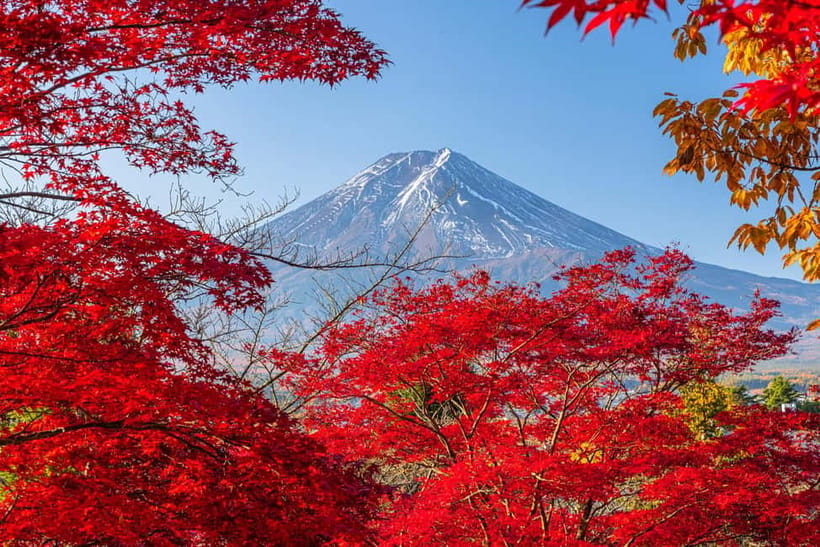
- Arakurayama Sengen Park seasons: cherry blossoms, summer blue sky, autumn reds, and snowy views all change the photo.
- Oshino Hakkai spring-water calm: scenic ponds with Mount Fuji reflections when skies cooperate.
- Oishi Park weekday rule: your calendar matters because it’s only open on weekdays.
- Saiko Iyashi-no-Sato Nenba atmosphere: thatched-roof village energy in every season, plus steam and hot-spring vibes in winter.
- A guide that keeps you moving: English-speaking guidance (with a language contingency depending on vehicle).
- One ticket included: Saiko Iyashi-no-Sato Nenba entry is handled for you.
A long Mount Fuji day from Shinjuku, with real photo chances
This is a full-day combo tour built around Mount Fuji views and the surrounding countryside. The total duration is 570 minutes, and you spend it in a mix of bus riding and free time at scenic checkpoints. It’s priced at $50 per person, which is honestly fair for a day that groups several big-name spots together under one plan.
The value here is not just “seeing things.” It’s that you’re saving time on transport and buying fewer individual tickets. You also get an English-speaking guide to help you connect what you’re seeing with what to do next.
There’s one practical catch: the day has uphill sections and long stair stretches. If you’re older, have mobility needs, or use crutches, this isn’t the easiest style of day trip.
You can also read our reviews of more tours and experiences in Tokyo.



Arakurayama Sengen Park: the five-story pagoda and Fuji in every season
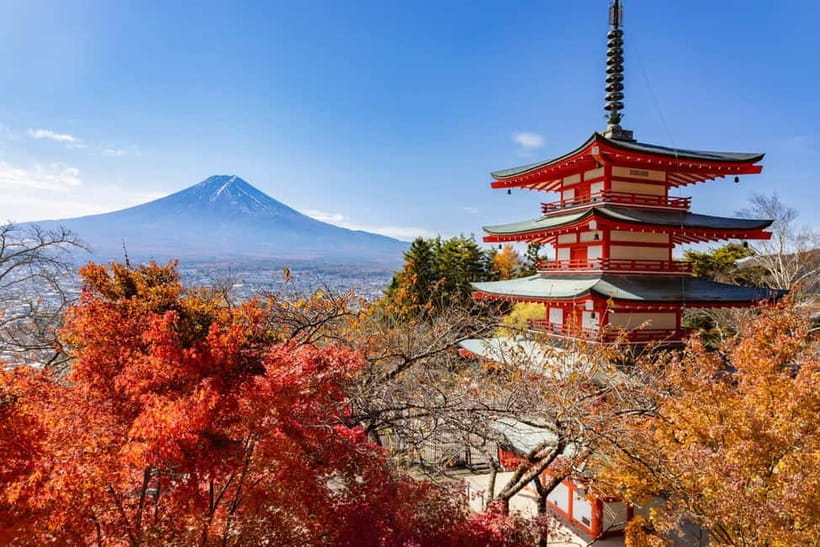
Arakurayama Sengen Park is the headline act, and it’s easy to see why. You’re aiming for that postcard scene: the park’s five-story pagoda with Mount Fuji in the background. You’ll typically get about an hour of free time here, which is short enough to keep the pace moving but long enough to find a couple viewpoints.
What makes this stop feel different all year is the seasonal character of the hillside:
- Spring: cherry blossom trees bloom, framing the pagoda like a dream photo.
- Summer: lush greenery and clear air give you a crisp contrast against the mountain and sky.
- Autumn: red leaves and orange maples combine into a more romantic, warm-toned scene.
- Winter: snow can cover the pagoda roof and even the mountain peak, creating a stark white-and-sky look.
If you’ve got your heart set on that perfect view, this is the place to prioritize your timing and attention. Mount Fuji visibility can shift quickly, so treat your first major Fuji viewpoint seriously.
Also, this park can mean crowds during peak seasons. Bring patience, not just hopes.
Hikawa Clock Shop: a quick cultural break and souvenir browse
Right after the first big Fuji stop, you’ll have a shorter break at Hikawa Clock Shop (about 30 minutes). This is the kind of stop that keeps the day from feeling like a nonstop photo sprint. Use the time to grab small souvenirs, check out the clock-themed shop setting, and reset your energy before the next countryside drive.
This is not a “wander for hours” stop. It’s more like a practical pause—use it if you want a quick taste of local retail culture without breaking the schedule.
Oshino Hakkai: spring-water ponds and quiet village views
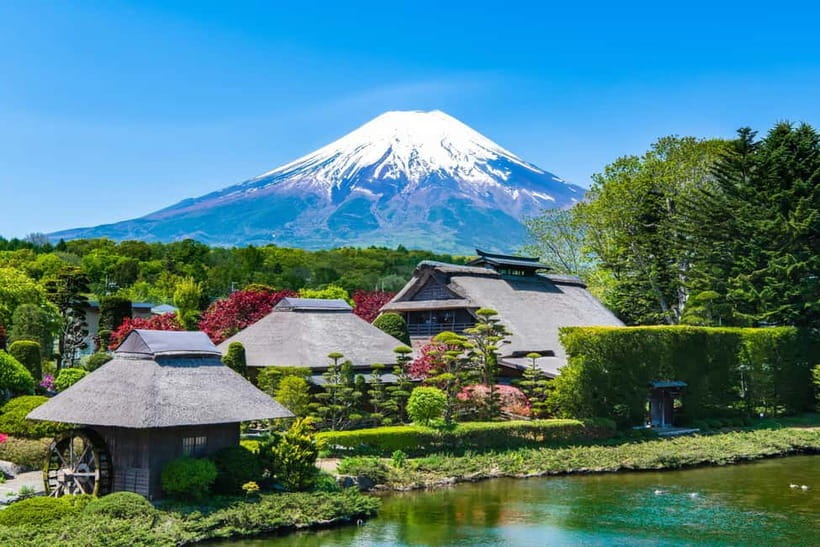
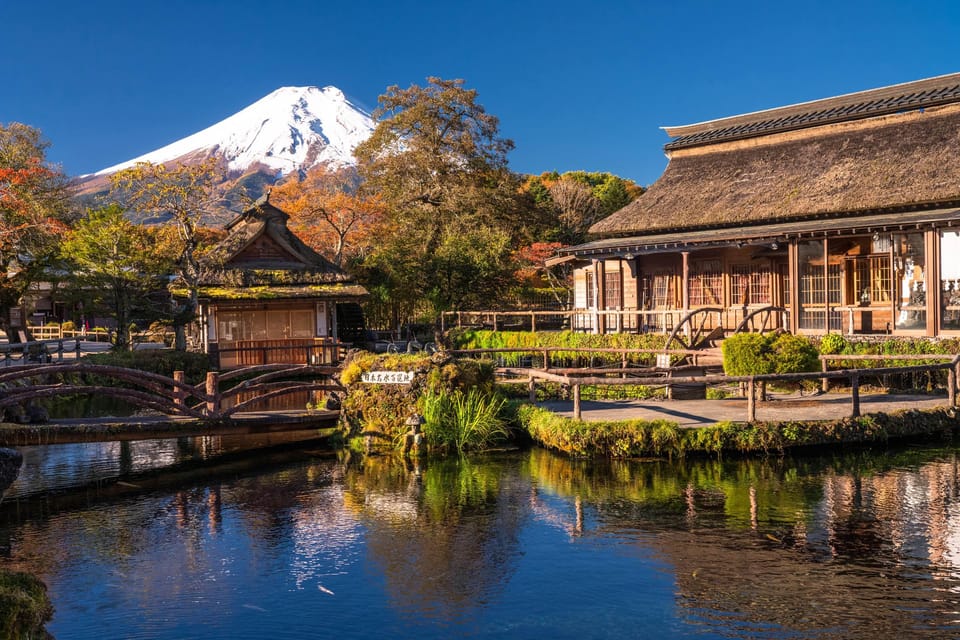
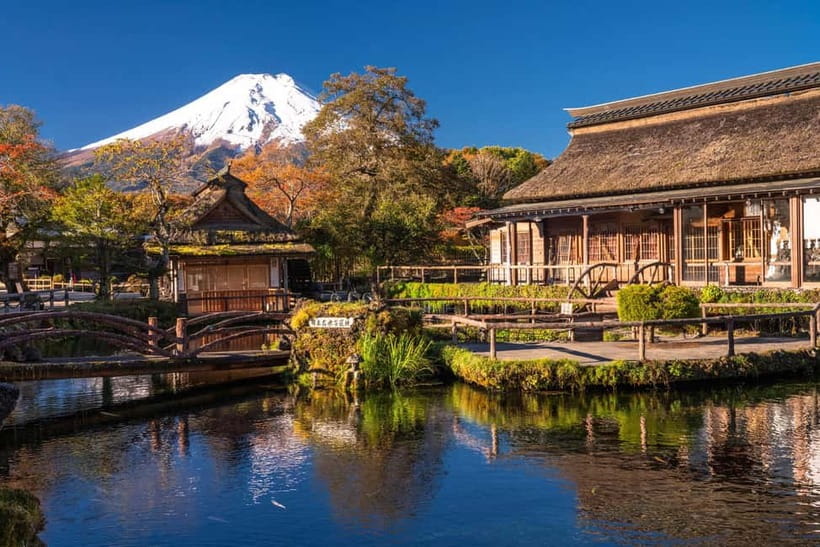
Oshino Hakkai is one of those places where the scenery feels like it’s cooling your brain. You get about 1.5 hours here, with free time to look around at the spring-fed ponds.
The key visual is the water: clear, calm, and reflective when conditions cooperate. And Mount Fuji can show up as a reflection, depending on the day.
Seasonal shifts are big here too:
- Spring: cherry blossoms may appear near the water, with possible Fuji reflections.
- Summer: cool, clear spring water and green scenery make the whole area feel refreshing.
- Autumn: red leaves can fall gently toward the ponds for a softer, elegant mood.
- Winter: snow blankets the village, while the spring water stays crystal clear.
This is also where you’ll notice the tour’s pacing is meant to balance “look” time with “breathe” time. You’re not only chasing one perfect shot—you’re getting a slower view of the Fuji foothills.
If you get motion sickness easily, the bumpy bus roads plus short walking might be a factor. Bring what you need and take your time along the water.
Oishi Park weekday-only: why your calendar matters
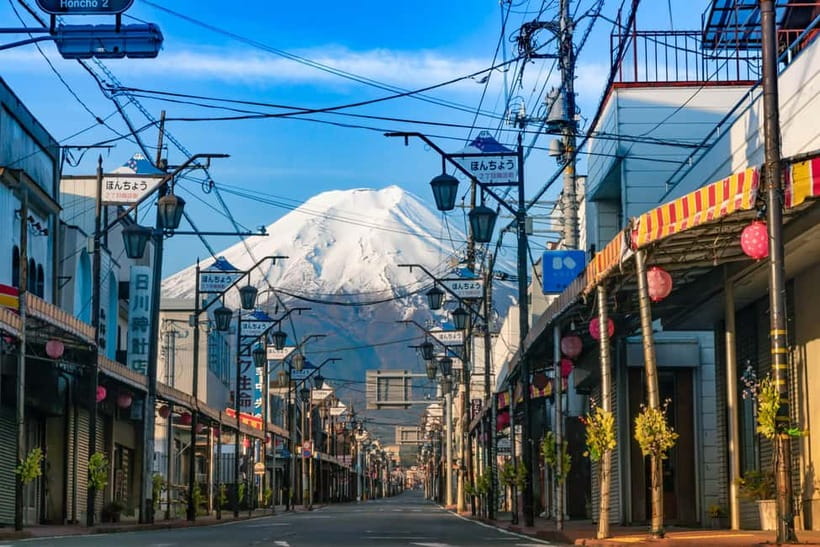
Oishi Park is a quick photo stop with about 30 minutes of free time, but there’s an important rule: it’s open for visits only on weekdays. It’s closed on weekends and holidays, and it’s also closed during Golden Week (April 29 to May 5). Even on weekdays, visits can be canceled if the day hits traffic delays.
That rule alone can make this stop either a dream or a missed opportunity. If you’re traveling on a weekend, plan your expectations accordingly and don’t count on Oishi Park being part of your final photos.
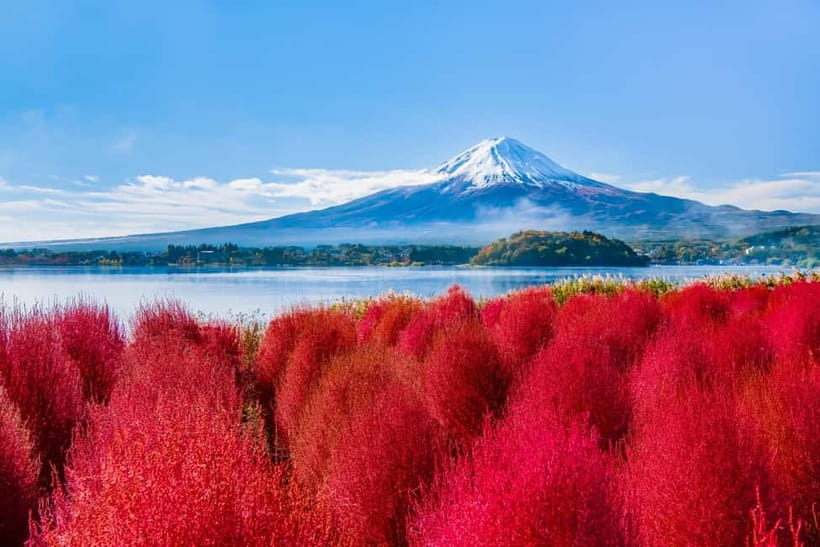
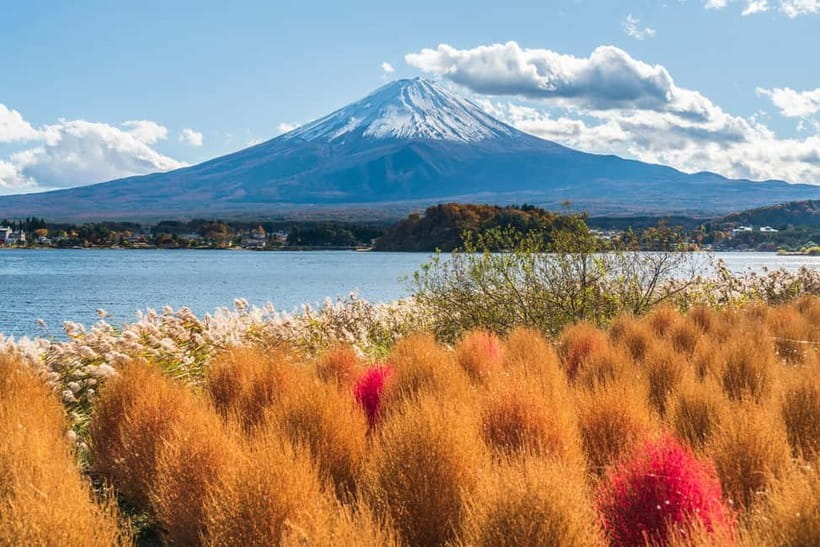
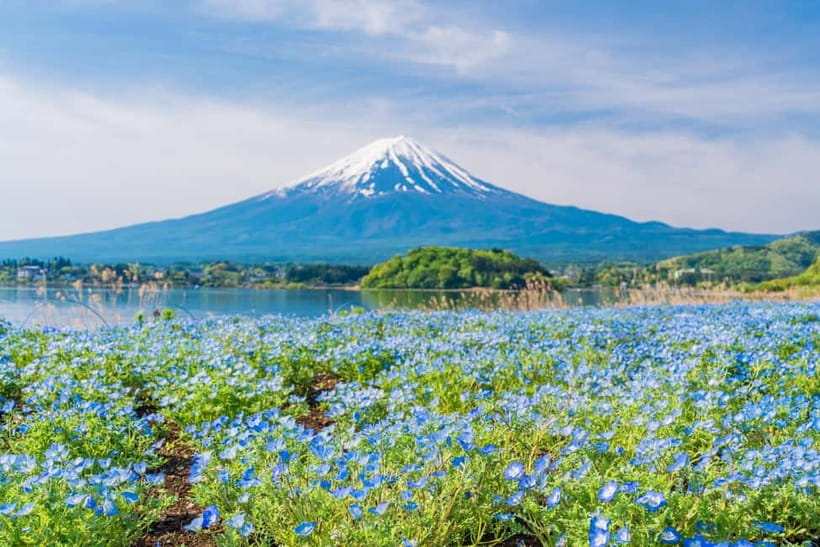
When it is open, this lakeside viewpoint connects Fuji to a broader scene:
- Spring: tulips and moss phlox near the lake shore, with Lake Kawaguchi and Fuji in one frame.
- Summer: lavender blooms add a strong scent-and-color vibe.
- Autumn: golden lakeside grass plus the first subtle snow appearance in the distance.
- Winter: snowy mountain reflections in quiet stillness.
Because it’s a short stop, come with a simple plan. Decide where you want your Fuji-with-water shot, take it early, and leave time for a second angle if the light changes.






Saiko Iyashi-no-Sato Nenba: a thatched-roof village that slows time
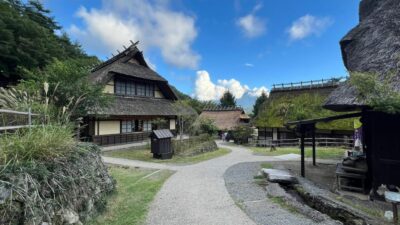
Saiko Iyashi-no-Sato Nenba is where the day pivots from “icon views” to “human-scale calm.” You’ll have about an hour here, and your ticket is included, which is a real value win compared to paying at the gate later.
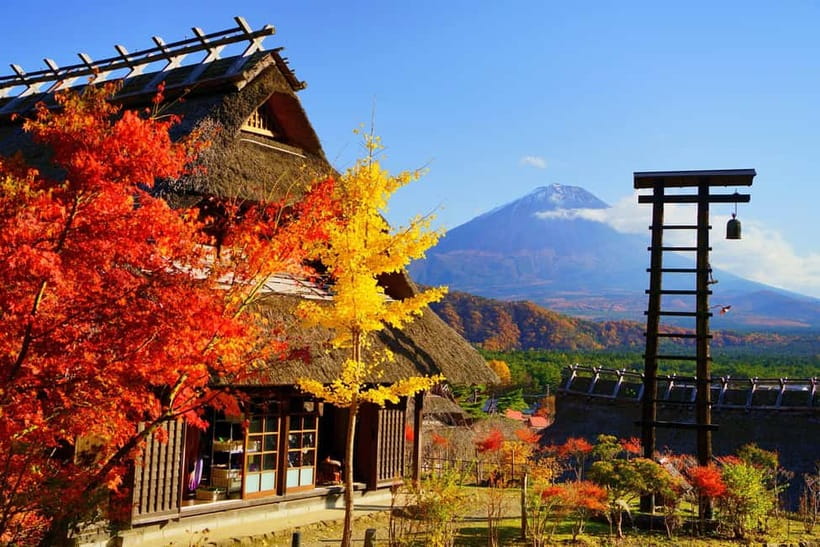
This village is all about the look and feel of traditional rural Japan, with thatched-roof houses as the star. And the seasonal changes don’t just affect scenery—they change the mood of walking through the village.
Here’s what you can expect:
- Spring: ancient thatched roofs with cherry blossoms nearby.
- Summer: rice fields, clear streams, and mountain breezes carrying fresh natural scents.
- Autumn: red leaves across the hillside, making the village feel like you stepped into a time tunnel.
- Winter: snow on rooftops, plus steam rising from hot spring areas, giving a fairytale-type atmosphere.
This is also a good counterbalance if earlier stops felt crowded or chaotic. You’ll likely get a calmer pace here, with time to look around without constantly turning for new views.
One more practical note: the day includes stairs and uphill sections. If you’re sensitive to steep walking, this part can still be manageable, but you should take it slow.
The timing, walking, and bus rhythm you should plan for
The day has a clear rhythm: a drive out from Shinjuku, then multiple stops with free time, then a return bus ride. You spend real chunks of time on the road, including longer bus stretches between the Fuji foothill areas.
That matters because you’re not only spending money—you’re spending stamina. The good news is the bus reduces the stress of navigation. The downside is that free time at each stop is limited, so you can’t linger forever.
Also, expect some uneven walking. There are long stairs and uphill sections. I’d treat this as moderate effort rather than “easy sightseeing,” even if you’re generally fit.
If you’re bringing a suitcase, you can bring one per person (up to 30 kg, and total size up to 155 cm). Just don’t stash valuables in the bus trunk, since the company won’t be responsible for loss or damage.
The guide setup: what English guidance looks like in real life
This tour includes an English-speaking guide, and you’ll also see Chinese language support. But there’s a practical contingency: if you travel by Hiace or microbus, the driver may provide Chinese or machine-translated English commentary instead of a professional guide.
What does that mean for you? It means the core tour still runs, but the depth and smoothness of explanation may vary by vehicle type. If you strongly prefer natural, well-timed guiding in English, keep this contingency in mind when you picture how the day will feel.
Even so, the overall structure is built for stress-free movement: you’re taken from place to place and told what to do next, rather than doing map work or guessing transit routes.
The experience also seems to hinge on guide quality. In past bookings, guests flagged that the guide experience was genuinely a highlight, especially when Mount Fuji appeared and the group could enjoy it fully.
Price and value: $50 for multiple Fuji icons
At $50 per person, the value comes from bundling. You’re paying for roundtrip transportation plus an included ticket to Saiko Iyashi-no-Sato Nenba, with an English-speaking guide. Meals and personal expenses aren’t included, so you’ll want to budget for snacks or whatever you buy on your own.
Why that price works: Fuji day trips can get expensive when you add up private transfers, separate entrances, and guided help. Here, you’re buying the “combo” format—several major stops—under one fee.
The tradeoff is schedule pressure. You’re not going to see one place slowly for half a day. You’ll see a lot, then move on. If you love variety and want the most iconic Fuji views in one day, the value holds. If you prefer slow travel and long wandering, you might feel rushed at times.
Who this tour suits (and who should skip it)
This is a solid pick if you want a structured Mount Fuji day without doing planning. It’s also good if you want to visit both “famous view” spots (like the pagoda and the lakeside viewpoint) and calmer nature stops (like the spring-water area and the thatched-roof village).
It may not fit if:
- You need very easy walking or have mobility limitations. The route includes long stairs and uphill sections.
- You’re over 70. The tour specifically notes it’s not suitable for people over 70.
- You’re traveling on a weekend and are depending on Oishi Park. It’s weekdays only, and even then it can be canceled with traffic delays.
If you’re traveling with a flexible mindset and want great photos plus breathing-space moments, this is the kind of itinerary that works.
Final call: should you book this Mount Fuji combo day?
If your goal is to maximize Mount Fuji scenery in one trip, I’d say yes—with smart expectations. This day is designed to give you several angles on Fuji, plus contrast stops like Oshino Hakkai’s spring ponds and Saiko Iyashi-no-Sato Nenba’s thatched-roof quiet.
I’d book if you can handle a long day, don’t mind stairs and some uphill walking, and you’re traveling on a weekday (so Oishi Park has a chance). I’d hesitate if you’re counting on Oishi Park on a weekend, or if mobility is a concern.
The best outcome happens when skies cooperate and you use your free time efficiently. With that mindset, you’ll come away with more than one great Mount Fuji memory—and a well-paced mix of nature and culture.
FAQ
How long is the Tokyo: Mt. Fuji, Arakurayama Sengen Park, Oshino Hakkai Tour?
The total duration is 570 minutes.
What’s included in the price?
Roundtrip transportation, Saiko Iyashi-no-Sato Nenba ticket, and an English-speaking guide are included. Meals and personal expenses are not included.
Which language will the guide use?
The tour includes a live tour guide with Chinese and English. If you ride in a Hiace or microbus, the driver may provide Chinese or machine-translated English commentary instead.
Where do I meet the group in Shinjuku?
Meet in front of Kogakuin University Shinjuku Station West Exit. Walk 1–2 minutes toward Tokyo Metropolitan Government Building to reach Kogakuin University-mae, near Keio Plaza Hotel. Look for the Wonder Tour flag.
Will I be able to visit Oishi Park?
Oishi Park is only open on weekdays. It’s closed on weekends and holidays, and closed during Golden Week (April 29 to May 5). Even on weekdays, it can be canceled if traffic delays affect the schedule.
What should I bring for the tour?
Bring cash.
Is the tour refundable if my plans change?
You can cancel up to 24 hours in advance for a full refund.
Is this tour suitable for seniors?
The tour is not suitable for people over 70. There are also long stairs and uphill sections, so it’s not recommended for seniors who require crutches.