REVIEW · TOKYO
Tokyo Night Cooking Class: 5 Home-Cooked Japanese Dishes
Book on Viator →Operated by MagicalTrip Inc. · Bookable on Viator
Tokyo at night smells like dinner. This Tokyo night cooking class turns a casual izakaya meal into a hands-on lesson with classics locals actually eat. You’ll cook a multi-course set of home-cooked Japanese dishes and then sit down to enjoy what you made.
I love the hassle-free setup: ingredients are provided and the class is designed to be easy to follow, even if you are not an experienced cook. I also like that you get three drinks included, with options like sake or beer, so the food lesson feels connected to Japan’s nomikai (drinking-with-friends) culture.
One thing to plan around: it is not available for vegan and gluten-free, and allergy-friendly cooking can’t be guaranteed because the food is prepared in kitchens outside MagicalTrip.
In This Review
- Key highlights before you go
- A Tokyo night cooking class that feels like dinner with friends
- Meeting in Shitaya and how the 5:30 pm start shapes the night
- Ingredient shopping in Tokyo: why it makes the cooking lesson stick
- Cooking the 5-dish izakaya menu: what you’ll likely make
- Drinks and sake tasting: the nomikai part you can actually use
- Guided teaching quality: what names like Alice and Fuji tell you
- Who should book it, and who should skip (diet, kids, and movement)
- Price check: is $79.28 a good deal for what you get?
- Final verdict: should you book this Tokyo night cooking class?
- FAQ
- How long is the Tokyo night cooking class?
- Where does the class meet, and where does it end?
- What is included in the price?
- Is this class suitable for vegetarians, and what about vegan or gluten-free diets?
- Can kids join, and are they allowed to use knives and heat?
- Are alcoholic drinks and sake tasting included for everyone?
Key highlights before you go
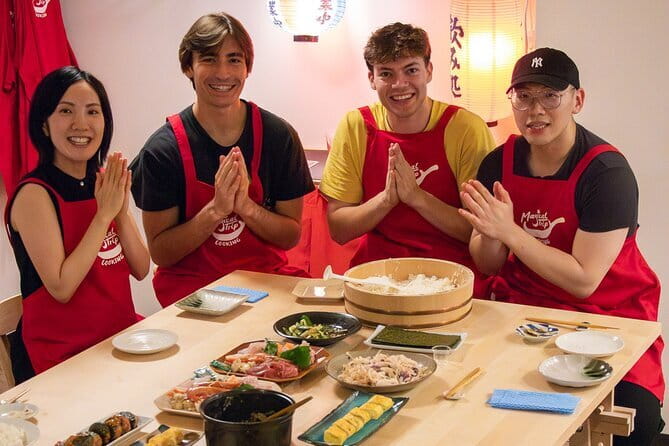
- Small-group size (max 7) means you get real attention while you cook, not just a demo.
- You eat everything you make at dinner, so you are not paying for a quick tasting.
- Three drinks included makes it a proper evening meal, not a classroom session.
- Local izakaya recipes focus on dishes that pair with drinks, like sushi rolls and miso-based comfort food.
- Guides with calm, step-by-step teaching show up in reviews, including names like Alice and Fuji.
A Tokyo night cooking class that feels like dinner with friends
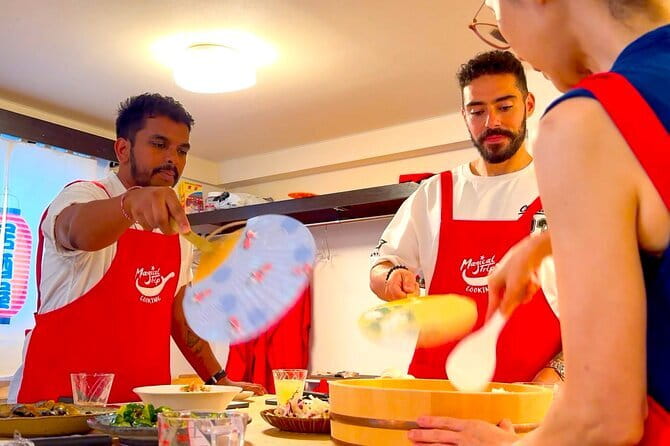
If you are already thinking about where to eat in Tokyo, this type of class is a smart pivot. Instead of hunting for the right restaurant and crossing your fingers about English menus, you get a guided route into izakaya-style food: small plates, salty-sweet sauces, and flavors you can recreate at home.
The value here is not just that you cook. It is that the lesson is built around an evening rhythm. You cook, you eat your dishes, and the drinks are part of the experience. The result is a night that feels social, even if you come solo.
And yes, it is hands-on. You’ll be working at the right pace for your skill level, and the class is described as suitable for all levels. That matters because Tokyo cooking classes can range from beginner-friendly to “good luck.” This one is designed so you actually finish and enjoy your meal.
You can also read our reviews of more cooking classes in Tokyo


Meeting in Shitaya and how the 5:30 pm start shapes the night
The class starts at 5:30 pm near public transportation in Taito City, Shitaya 2-chōme, at the FamilyMart in Inaraya (Japan, 110-0004 Tokyo, Taito City, Shitaya, 2-chōme, ファミリーマート入谷店). You end back at the meeting point.
A nighttime start is a plus. You avoid the mid-day crowds, and you can roll straight from the rest of your Tokyo plans into dinner. Also, a 3-hour session fits well when you want one focused activity without losing your whole evening.
A couple of practical points:
- You’ll receive a mobile ticket, so have your confirmation ready on your phone.
- The tour must start on time, and if you miss the group due to being late, refunds or rescheduling are not offered. In Tokyo, that means build in a cushion if trains get messy.
- The class has max 7 travelers, so time and group coordination matter.
If you are visiting during Tokyo summer, plan like a local: it’s very hot and humid. Bring water and consider a hat.
Ingredient shopping in Tokyo: why it makes the cooking lesson stick
One of the included parts is a shopping experience. Even though the exact store details are not spelled out, the idea is clear: you choose ingredients as part of the evening, not after you already cooked the dishes.
For you, that turns “I followed instructions” into “I understand what I’m looking for.” You see common Japanese ingredients up close, learn what matters in the recipe, and get a mental checklist for when you re-create the dishes later at home.
This is especially helpful with izakaya food, because many flavors come from sauce components and seasoning types. When you pick them yourself (with a certified guide), it’s easier to remember what to buy next time.
Also, reviews mention ingredient selection feeling like a highlight. That lines up with my take: shopping adds story to the cooking, and story makes recipes easier to repeat.
Cooking the 5-dish izakaya menu: what you’ll likely make
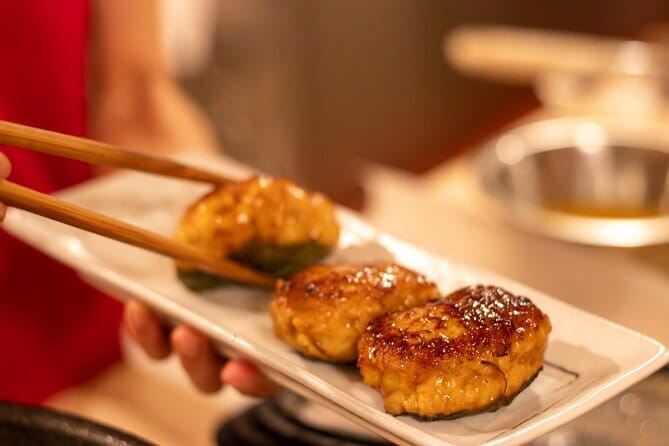
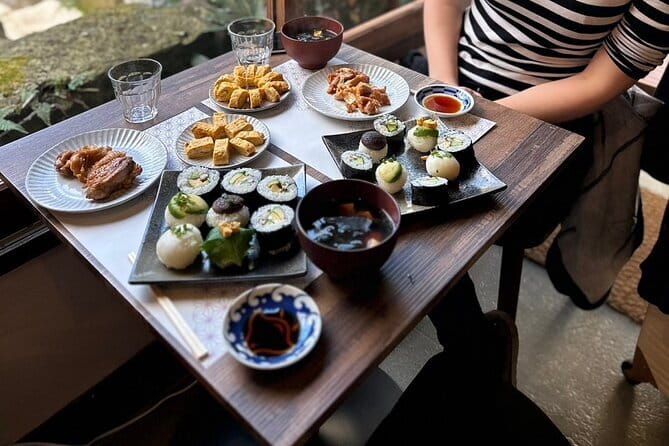
The class is structured around learning authentic recipes locals eat in izakayas, and the promise is that you will cook multiple dishes and then feast on them. The menu varies, but examples given for classic dishes include:
- Hand-rolled sushi / sushi rolls
- Chicken balls with shiso leaves
- Eggplant with miso sauce
- Teriyaki chicken
- Japanese omelette
You should think of it as a balanced evening plate set: one or two anchoring items (like sushi or a meat dish), a comforting sauce-forward course (like teriyaki), and at least one veg-forward bowl or side (like miso eggplant).
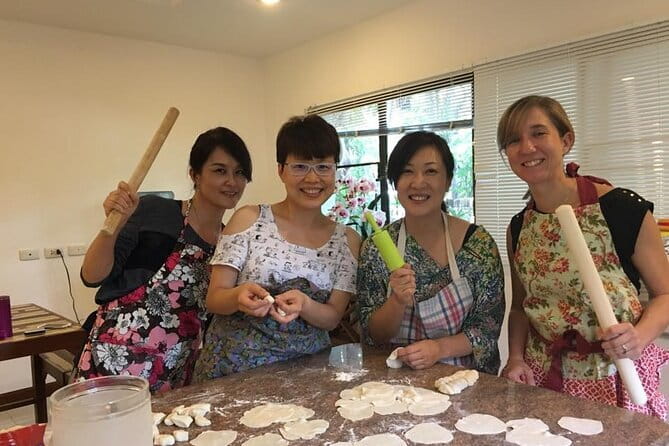
What is great for beginners is the class framing: it is hands-on and meant to be reproducible. Reviews also point out that recipes are fun and easy to follow, which is what you want if your goal is to bring something home beyond photos.
And because it is a small group, you’re not stuck standing around. You are actively cooking, adjusting seasoning, and asking questions in real time. That’s where you learn the practical shortcuts that never show up in cookbooks.
Drinks and sake tasting: the nomikai part you can actually use
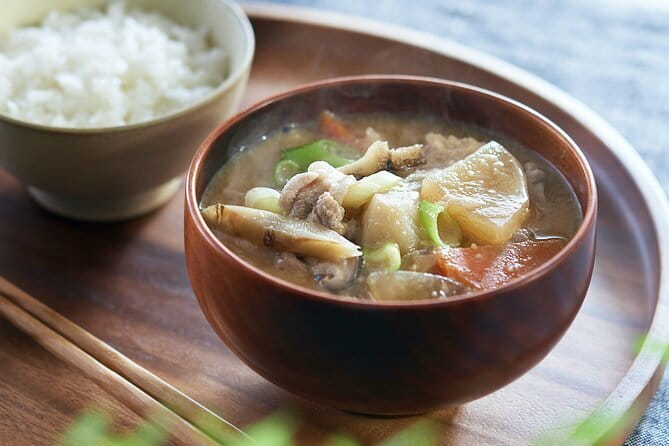
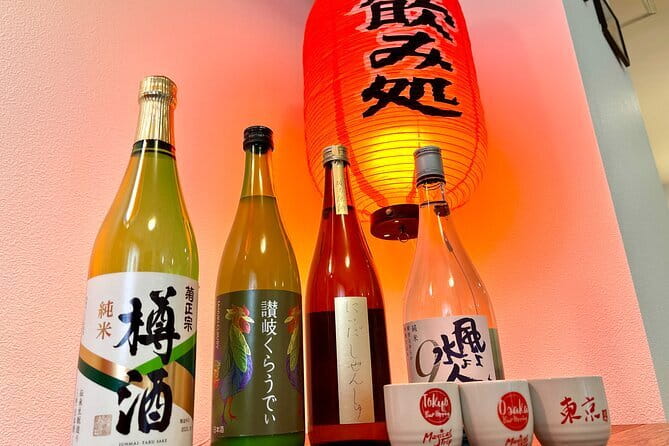
A big part of the appeal is the drinks. You get three cans of alcoholic or soft drinks included. The class description also mentions trying multiple types of sake and pairing with the dishes you cook.
Age matters here:
- Sake tasting and alcoholic beverages are only available to guests aged 20 and over.
- If you are under that age, you can still participate in the cooking and dinner, but alcohol won’t be served.
For most people, the best practical outcome is not just enjoying a drink with dinner. It is learning how the flavors work together. Sake, beer, sweet-salty sauces, and fried or grilled bites follow patterns. When you taste and cook alongside the same course, it’s easier to understand why certain ingredients feel right together.
In reviews, food and drinks are described as very good, and hosts explained steps in detail. That combination helps you avoid the common problem where you like the meal but can’t recreate it.
You can also read our reviews of more evening experiences in Tokyo



Guided teaching quality: what names like Alice and Fuji tell you
This is led by a certified guide by MagicalTrip, and the cooking is hosted by people who clearly explain steps. Reviews highlight guides such as Alice and Fuji, with praise for clear guidance and making the experience fun and easy.
Why that matters for your decision: Japanese cooking lessons can go two ways. Either the instructor moves fast and you feel lost, or the instructor teaches in a way you can repeat. The reviews lean hard toward the second. If you’re the type who likes to understand what you’re doing, that’s a strong sign.
Also, the class offers tour photos included. While you should still bring your own phone camera for personal shots, having photos taken makes it easier to remember the setup and the finished plates without turning the whole night into “content mode.”
Who should book it, and who should skip (diet, kids, and movement)
This class is designed for ages 6+, but with key safety rules. Steps involving knives and heat are only permitted for those aged 12 and over, under a parent or guardian’s supervision. If you’re bringing younger kids, you can still enjoy the experience; the info notes that a kids’ playroom is available.
Diet fit is fairly flexible, with limits:
- Vegetarians are welcome, and the class arranges ingredients and the cooking process.
- If you cannot eat meat and eggs, the menu reduces from five dishes to three.
- If you can eat meat but cannot eat eggs, the menu reduces to four dishes.
- It is not available for vegan and gluten-free.
Allergy expectations should be managed. You cannot count on allergy-free cooking, because the food is prepared in kitchens that do not belong to MagicalTrip. Substitutions may not be possible at every stop, though they do say they will make efforts to compensate at different points.
Mobility is another consideration. The class is not recommended for people with mobility issues, and if you have walking problems, a private tour is suggested.
If you want a low-stress night where you can safely participate in every cooking step, you’ll likely feel best if:
- you can eat eggs and at least some animal ingredients (unless you know the reduced menu works for you),
- you are comfortable standing and moving around a kitchen setting for a few hours,
- and you are okay with alcohol service being age-restricted.
Price check: is $79.28 a good deal for what you get?
At $79.28 per person, this class looks like solid value for Tokyo, especially for an evening activity. Here’s why: you are not paying only for instruction.
You’re also getting:
- Cooking experience & dinner
- Ingredients
- Shopping experience
- 3 included drinks (canned alcohol or soft drinks)
- Tour photos
- A certified guide by MagicalTrip
In other words, your payment covers the full “from start to sit down” experience: ingredient handling, cooking time, and the meal itself. The class also keeps the group small (max 7), so you’re not competing for attention.
If you compare the cost to paying separately for a meal plus drinks plus a guided food activity, this format often wins because it bundles the experience and reduces guesswork. You get a structured menu that turns into dinner without needing a restaurant reservation plan.
Also, the class has free cancellation up to 24 hours in advance of the start time, which gives you flexibility if your Tokyo schedule shifts.
Final verdict: should you book this Tokyo night cooking class?
I think you should book if you want a Tokyo evening that delivers more than a meal. This is a good choice when you:
- want hands-on cooking with authentic izakaya flavors,
- like the idea of learning recipes that you can realistically make again at home,
- enjoy a social pace with three included drinks,
- and prefer small-group attention (max 7) over a crowded activity.
I’d skip or rethink it if:
- you need a vegan or gluten-free class option,
- you have a serious allergy you need guaranteed accommodations for,
- or you have mobility limitations that make kitchen-style movement hard.
If your goal is a fun, guided night of Japanese home-style cooking—sushi, miso comfort, and sauce-forward bites—this is the kind of activity that fits well into a Tokyo itinerary without turning the trip into logistics.
FAQ
How long is the Tokyo night cooking class?
It runs for about 3 hours.
Where does the class meet, and where does it end?
It starts at FamilyMart in Inaraya in Taito City, Shitaya (110-0004 Tokyo) and ends back at the same meeting point.
What is included in the price?
You get the cooking experience and dinner, ingredients, tour photos, a certified guide by MagicalTrip, a shopping experience, and 3 cans of alcoholic or soft drinks.
Is this class suitable for vegetarians, and what about vegan or gluten-free diets?
Vegetarians are welcome and the class arranges ingredients and the cooking process. However, it is not available for vegan and gluten-free.
Can kids join, and are they allowed to use knives and heat?
The tour is open to participants aged 6 and above, but steps involving knives and heat are only permitted for those 12 and over, under a parent or guardian’s supervision. A kids’ playroom is available.
Are alcoholic drinks and sake tasting included for everyone?
Sake tasting and alcoholic beverages are only available to guests aged 20 and over.