REVIEW · TOKYO
Graffiti in Tokyo Walking Tour: Shibuya and Harajuku
Book on GetYourGuide →Operated by Elena Calderon/ Totemo · Bookable on GetYourGuide
Tokyo graffiti hides in plain sight. This Shibuya and Harajuku walking tour shows you where the street art actually lives, and how people read it. It’s a focused, 2-hour route built around the city’s urban art energy, with an expert guide who knows the scene beyond the usual photo spots.
I love how Elena Calderon connects what you’re seeing—tags, throw-ups, and bigger murals—to how graffiti works in Japan, and what it signals. I also like the hunt for hidden spots in side streets, including legal walls and secret street corners locals actually pay attention to.
The main thing to consider is that it’s very much a walking tour. If your mobility is limited, or if weather is rough, you’ll feel it—so pack comfortable shoes and bring water.
In This Review
- Key Points You’ll Actually Care About
- Meeting in Shibuya: Manhattan Records and a Route That Starts Off-Center
- Shibuya City: Tags, Throw-Ups, and Murals with Real Context
- What I’d watch for as you go
- Harajuku in Ten Minutes: Short Stop, Big Perception Shift
- Legal Walls and Secret Spots: Why the Rules Change What You See
- Elena Calderon’s 10+ Years in the Scene: What Makes This Tour Different
- Price and Value: Is $38 Worth Two Hours?
- Practical Tips: What to Bring and How to Stay Comfortable
- Who This Tour Fits Best (and Who Should Skip It)
- Should You Book This Graffiti Walk in Shibuya and Harajuku?
- FAQ
- Where is the meeting point for the tour?
- How long is the graffiti walking tour?
- How much does the tour cost?
- What languages is the tour offered in?
- What’s included in the price?
- Are meals included?
- Do I need to pay for gallery or museum entrance?
- What should I bring for the walking portion?
- What’s not allowed during the tour?
- Is this tour suitable for very young or very old guests?
Key Points You’ll Actually Care About
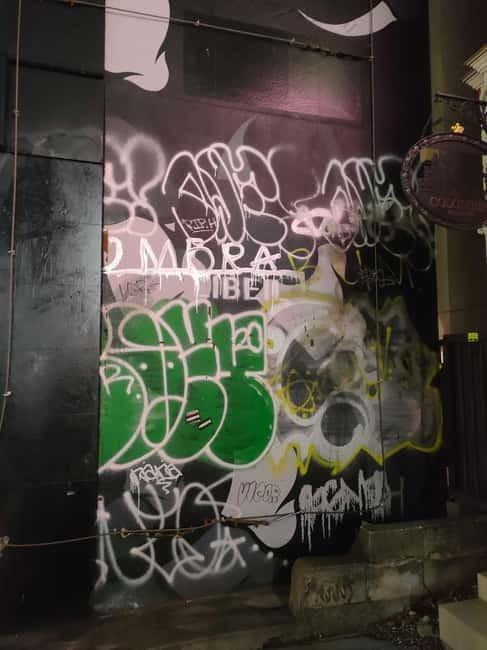
- Expert guide: Elena Calderon (more than 10 years in the graffiti research scene, plus art curator background) leads the walk.
- Hidden access: you’re taken to spots most people never notice, including exclusive street art locations.
- Legal vs. illegal context: you learn how Japan treats graffiti differently depending on where and how it appears.
- Shibuya focus, Harajuku quick stop: you spend most of the time in Shibuya, with a short Harajuku visit.
- Value add: gallery and restaurant discounts, plus insider picks for art places to revisit after the tour.
- Photo-friendly route: the tour naturally helps you spot pieces worth photographing up close.
Meeting in Shibuya: Manhattan Records and a Route That Starts Off-Center
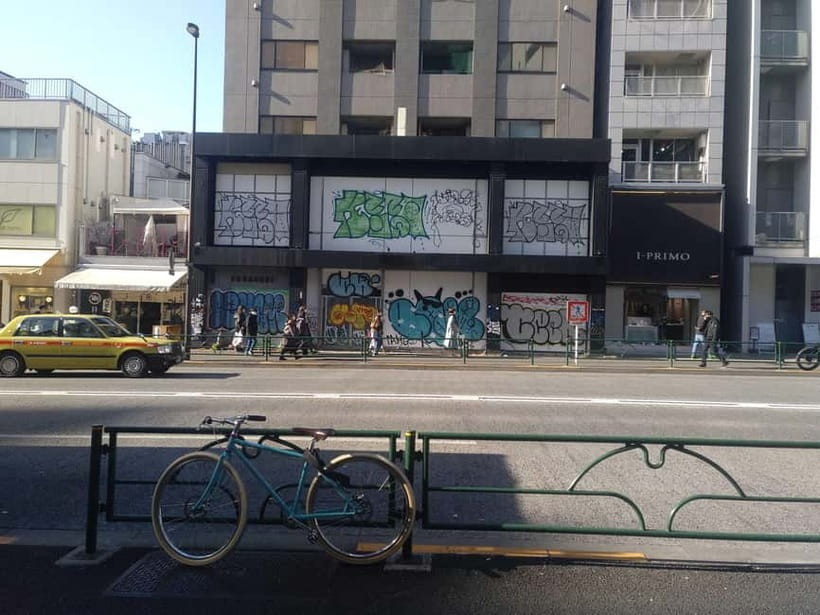
You meet at the Manhattan Records shop in Shibuya. That matters because it puts you in the right neighborhood energy without starting from a “landmark-first” script. Shibuya can feel overwhelming if you jump straight into big crossings and shopping blocks. This tour does the opposite: it gets you moving into quieter streets where graffiti becomes easier to spot.
There’s also a subtle pacing advantage. The tour ends back at Kifune Bldg., and the structure keeps you from wandering in circles on your own. You’ll spend your time looking instead of mapping.
Bring what actually helps on a street-art walk: comfortable shoes, a camera, water, and some cash. Street art is visual, but your comfort is what keeps you paying attention for the full two hours.
You can also read our reviews of more walking tours in Tokyo



Shibuya City: Tags, Throw-Ups, and Murals with Real Context

The heart of this experience is Shibuya City. This is where your guide points out the details most people miss while walking past at normal speed. The tour isn’t only about finding “pretty walls.” It’s about learning how graffiti functions as language in the urban environment—how styles signal crews, status, intent, and sometimes even the artist’s history.
In practice, you’ll look at everything from small signatures (tags) to more expressive forms (throw-ups) and larger pieces when they appear. The point isn’t to memorize a street-art glossary. The point is to start seeing patterns—how an artist chooses placement, how the work interacts with the street’s surfaces, and why certain spots get attention.
Two big ways this becomes satisfying fast:
- You stop treating graffiti like random decoration.
- You start noticing how placement changes the meaning.
One thing I appreciate is that the focus stays practical. You’re not stuck listening to long lectures while you stand still. You’re walking, scanning, then hearing what you’re seeing mean in Japanese street culture and the broader underground scene.
What I’d watch for as you go
Even if you don’t know anything about graffiti going in, you can still “read along” during the walk. Keep an eye out for:
- repeated styles across nearby walls (often tied to crews or recurring writers)
- work hidden behind normal pedestrian routes
- how legal vs. informal spaces change what gets created
Harajuku in Ten Minutes: Short Stop, Big Perception Shift
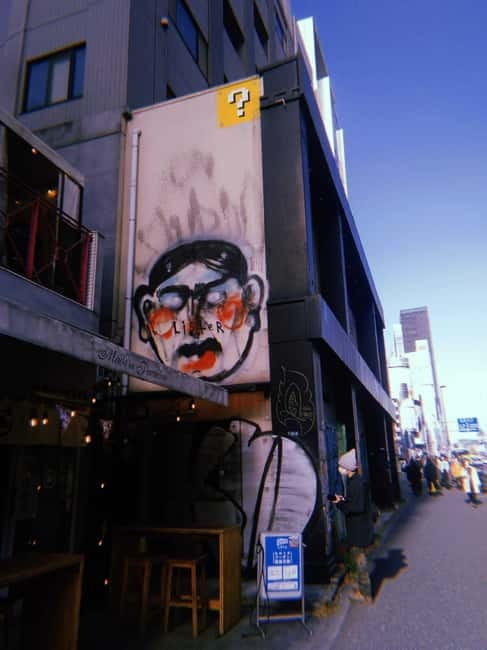
Harajuku gets a quick 10-minute visit. That sounds brief, but it works for the goal of this tour: not to treat every neighborhood like a separate day trip, but to give you a sharp contrast in feel and presentation.
Harajuku is often associated with fashion-forward street life, so it’s a natural place to notice how urban art blends into the everyday visual noise. In a short time window, your guide can point out what matters most—where the graffiti energy overlaps with the neighborhood’s fast-moving street character.
Even with only a short stop, you’ll come away with something useful: a better instinct for where graffiti is likely to show up even when it isn’t obvious. That’s the kind of takeaway you can use the same day as you keep exploring on your own.
Legal Walls and Secret Spots: Why the Rules Change What You See
This tour specifically covers the underground graffiti scene, including both legal walls and secret street spots. That balance is important, because it helps you understand Tokyo graffiti as more than an aesthetic. Where the art appears affects how it’s made, how artists get recognized, and how the public interacts with it.
Here’s the practical takeaway: if you only look for “obvious” murals, you’ll miss a lot of the culture. A city like Tokyo has layers. Some areas show work openly. Other areas hide it in plain sight, relying on people who know where to walk and what to notice.
You don’t need to take risks to enjoy the art, though. You should treat the tour as a guided way to view public street art while respecting local laws. The tour also has clear behavior rules—no smoking, alcohol, or drugs, and don’t litter—because the goal is to enjoy the scene without creating problems for anyone.
If you’re the kind of person who likes rules for the sake of good storytelling, you’ll likely appreciate how your guide frames the difference between visible permission and the unofficial paths.






Elena Calderon’s 10+ Years in the Scene: What Makes This Tour Different
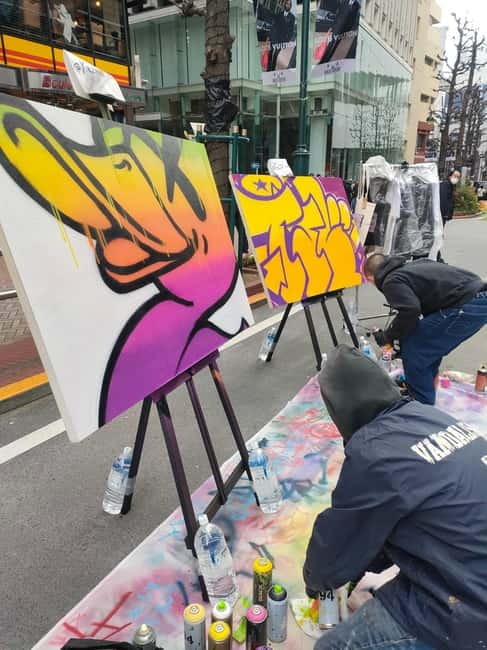
Plenty of tours point at walls and say, that’s graffiti. This one spends its time on why it’s there and what it means.
Elena Calderon is the key. She’s described as a graffiti researcher for more than 10 years and also works with an art curator background. That combination shows up in the way she talks: she’s not only excited about street art visuals, she connects them to how graffiti fits into Tokyo culture.
From what you’ll experience during the walk, the strongest strengths are:
- her ability to explain the art in a way that feels grounded in the local context
- her enthusiasm, which keeps the tour moving and makes you want to keep looking
- her practical eye for locations you’d likely skip
You’ll also get recommendations beyond the route. The tour includes insider knowledge on top art galleries, and there are discounts in art galleries and restaurants as part of the experience. Even though entrance to galleries and museums isn’t included (and many are free anyway), this matters because it helps you turn the tour into an actual mini-plan for the rest of your trip.
If you’re the type who photographs a lot, you’ll likely appreciate the way you can return to specific mural areas after the tour. That’s a real advantage: you don’t just get memories from walking. You get targets you can revisit when the light is right.
Price and Value: Is $38 Worth Two Hours?
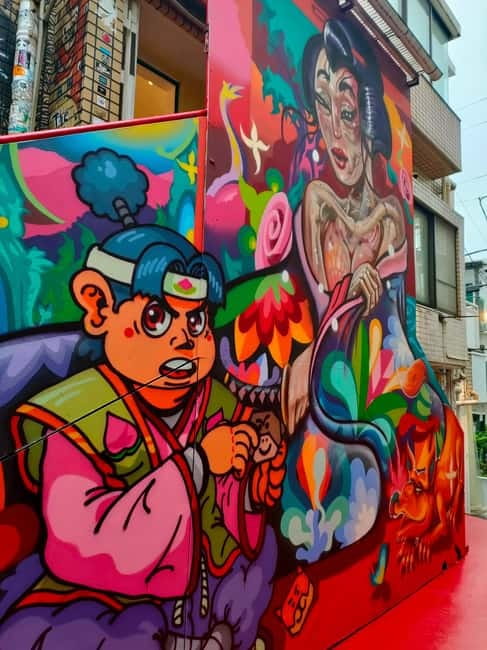
At $38 per person for a 2-hour walk, this isn’t the cheapest option in Shibuya. But it also isn’t priced like a generic sightseeing stroll.
The value comes from four places:
- Expert guidance: Elena’s years of research and art-curator perspective
- exclusive access: hidden graffiti spots, not just publicly known walls
- time efficiency: you spend the limited hours scanning for pieces instead of guessing where to look
- adds-on that extend your day: discounts in galleries and restaurants, plus gallery recs
Think of it this way: in neighborhoods like Shibuya and Harajuku, you can wander for a few hours and still miss most of the street art. Paying for a guide compresses the learning curve into a tight time block.
If you love urban art, or you want a photo-friendly route with better context than you’ll get from random online posts, this price tends to make sense. If you’re only mildly curious and hate walking, you may feel $38 is more than you need.
Practical Tips: What to Bring and How to Stay Comfortable
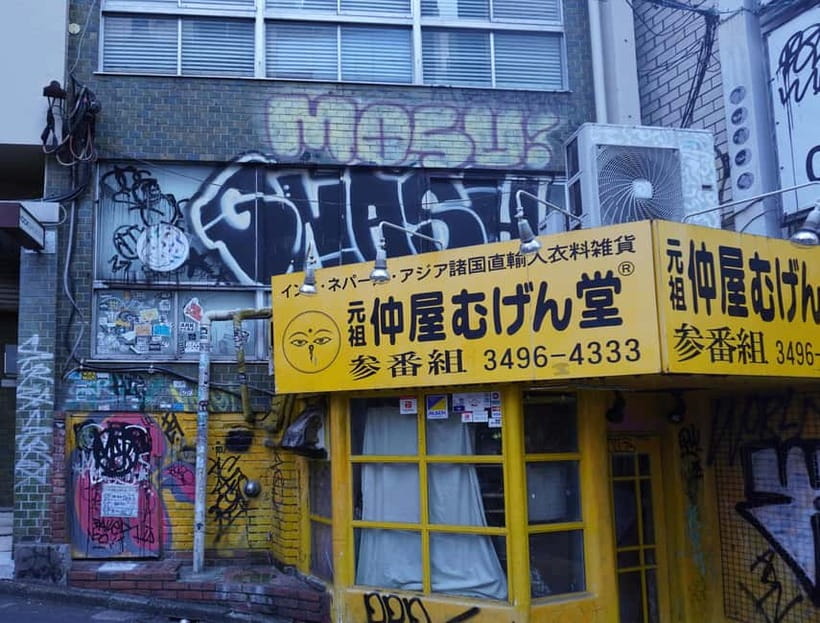
This tour gives you a simple checklist, and it’s worth following.
Bring:
- comfortable walking shoes (you’ll be on your feet)
- a camera (graffiti is best captured up close)
- water (2 hours goes faster than you think)
- cash (useful for small purchases and any optional gallery stops)
Not allowed:
- smoking, alcohol, drugs, littering
Know before you go:
- wear shoes that can handle uneven sidewalks and curb edges
- expect varying weather conditions
- respect local laws—this is street culture, and etiquette matters
One more comfort tip: bring a phone or small notepad for location names your guide mentions. Even if you don’t plan to look them up right away, it’s handy later when you want to return for photos.
Who This Tour Fits Best (and Who Should Skip It)
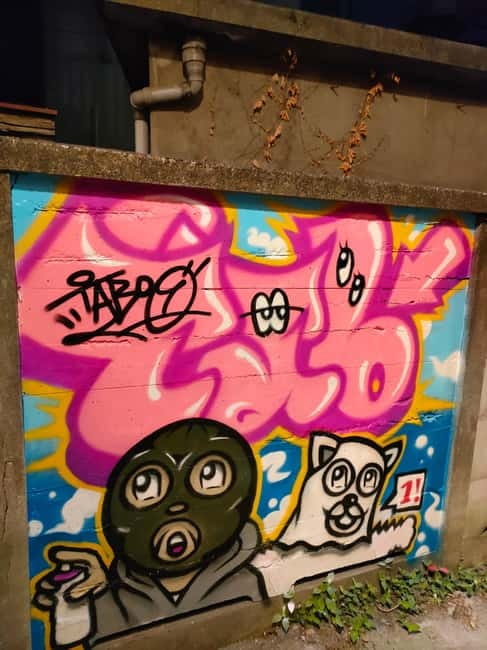
This experience is a strong match for:
- people who want street art with context, not just photos
- visitors who already like graffiti but want Tokyo-specific meaning
- families who prefer a guided walking activity over a museum schedule
- anyone who wants to see the side streets, not only the main roads
It’s not suitable for:
- people with mobility impairments
- babies under 1 year
- people over 95 years
Also, if you dislike walking or you can’t handle weather changes, plan carefully. Two hours is short on paper, but it’s long enough to notice discomfort.
Should You Book This Graffiti Walk in Shibuya and Harajuku?
Book it if you want a smarter way to see Tokyo street art—one that teaches you how to notice, where to look, and what the work represents. This is especially worth it if you’re planning to explore Shibuya and Harajuku anyway, because the guide turns your normal wandering into a real street-art route.
Skip it if you’re not into urban art at all, or if you don’t want to walk. Also pass if your physical comfort is limited; the tour is built for strolling through side streets.
If you do book, I’d come with one mindset: treat graffiti like a map. Follow the guide, watch placement and style, and you’ll leave with an eye that works all over Tokyo.
FAQ
Where is the meeting point for the tour?
The meeting point is the Manhattan Records shop in Shibuya.
How long is the graffiti walking tour?
The tour lasts 2 hours.
How much does the tour cost?
The price is $38 per person.
What languages is the tour offered in?
The live tour guide is available in English and Spanish.
What’s included in the price?
The tour includes an expert guide (graffiti researcher for more than 10 years and art curator), exclusive access to hidden graffiti spots, insider knowledge about Tokyo’s graffiti scene and top art galleries, and discounts in art galleries and restaurants.
Are meals included?
No. Meals and drinks are not included.
Do I need to pay for gallery or museum entrance?
Entrance to art galleries/museums is not included. The information says most of them are free of charge.
What should I bring for the walking portion?
Bring comfortable shoes, a camera, water, and cash.
What’s not allowed during the tour?
Smoking, alcohol and drugs, and littering are not allowed.
Is this tour suitable for very young or very old guests?
It’s not suitable for babies under 1 year and for people over 95 years. It’s also not suitable for people with mobility impairments.