REVIEW · TOKYO
Tokyo Full-Day Private Tour (Customizable)
Book on Viator →Operated by Xplor Japan · Bookable on Viator
Five Tokyo icons, one car, zero stress. I like how this private vehicle setup turns a hectic city day into something calm and controllable, with round-trip pickup from your accommodation. You also get a route you can tweak, so the day fits your pace instead of forcing you into a fixed group script—exactly the kind of freedom that matters in a place like Tokyo. One thing to watch: lunch isn’t included, and Tokyo Skytree ticket prices are an extra cost.
This is built for a full day (about 8 hours, starting at 9:00am), which means you can see a lot without spending your time hopping lines and stations. And the guides do real work: in particular, English-speaking guides like Mukarram Muhammad and Ryu are praised for being prepared, friendly, and good at pacing—plus they tend to offer practical food and shopping recommendations.
In This Review
- Key Things I’d Notice Right Away
- Why This Private Tokyo Day Feels Effortless
- Price and Logistics: What $354 Buys for Up to 5
- Stop-by-Stop: What You’ll See and Why It Matters
- Tsukiji Fish Market (about 1 hour)
- Imperial Palace East Gardens / Edo Castle Ruins (about 1 hour)
- Senso-ji Temple (about 1 hour)
- Tokyo Skytree (about 1 hour, tickets not included)
- Takeshita Street (about 45 minutes, free)
- How the Guide Changes the Day (And Why It’s Not Just Driving)
- Timing, Walking, and What to Prepare
- Entrance Fees You’ll Actually Need to Budget
- Who This Tour Is Best For
- Should You Book This Private Tour?
- FAQ
- How many people are in a group?
- What time does the tour start, and how long is it?
- Is pickup from my accommodation included?
- Is the driver English speaking?
- Do I need to print anything for tickets?
- Are entrance fees included for Tokyo Skytree?
- Is lunch included?
- Which stops are part of the day?
- Does the tour require good weather?
Key Things I’d Notice Right Away
- Private, air-conditioned car: comfort and privacy make Tokyo logistics feel simpler
- Customizable route: you can shift priorities without losing the whole plan
- English-speaking driver: better explanations as you move between neighborhoods
- Five major stops in one day: Tsukiji, Imperial Palace East Gardens, Senso-ji, Skytree, Takeshita Street
- Extra budgeting for Skytree: the tower view is the one attraction that commonly adds cost
Why This Private Tokyo Day Feels Effortless
Tokyo can be overwhelming fast: big stations, fast-moving crowds, and a million good things to see. This tour’s main advantage is that you stop doing the hardest part yourself—navigation, timing, and getting from one end of the city to another.
The private vehicle is a big deal, especially on a long day. Even if your stops are “just” an hour here and there, you’re still in and out constantly. A car means you can regroup, cool down, and keep the day running smoothly instead of losing time waiting for trains.
I also like that this is designed to be customizable. If you’re more temple-and-gardens than shopping, you can steer the balance. If you’d rather linger near the viewpoints, you can usually adjust how the day feels. That flexibility is the difference between checking boxes and actually enjoying the place.
A fair caution: since Skytree’s entrance is not included and lunch is not provided, you’ll want to plan for those costs and decisions ahead of time. Also, the stop lengths are set, so it’s not a slow, leisurely “wander all day” style.
You can also read our reviews of more private tours in Tokyo

Price and Logistics: What $354 Buys for Up to 5
The price is $354 per group (up to 5 people). That pricing structure matters because you’re not paying per person for the vehicle and driver. If you’re traveling as a small family or a group of friends, the math often works out better than piecing together multiple taxis or trying to manage everything on your own.
It’s also a smart middle-ground option: you get the benefits of guided context and door-to-door comfort, without the “tour bus herd” feeling. The tour runs about 8 hours, which is enough time to hit several big-name areas and still have time to absorb what you’re seeing.
You’ll also get a mobile ticket, so you’re not dealing with prints or last-minute paperwork. Pickup is offered from your accommodation, and the tour notes that it’s near public transportation—useful if your hotel is hard to reach by car or you need a backup way to get there.
Stop-by-Stop: What You’ll See and Why It Matters
Tsukiji Fish Market (about 1 hour)
This part of the day is all about food culture and the choreography of a market. Even though Tsukiji is famous, it’s easy to experience it as a tourist fair if you don’t know where to look. Here, you get a chance to observe the action in a modern wholesale setting and then eat at restaurants across the large premises.
What I like about the stop: you’re not just taking photos—you’re seeing how Tokyo’s food system works. Markets in Japan are often tied to timing, temperature, and supply chains, so having someone guide you on what’s worth noticing can make the whole visit more meaningful.
Possible drawback: an hour goes quickly. If you want a long meal or you’re hoping for a very deep shopping walk, plan to treat this as a “watch and sample” stop rather than a full market exploration.
Imperial Palace East Gardens / Edo Castle Ruins (about 1 hour)
This stop gives you a breather from the city’s intensity. The area centers on the remains linked to the Edo castle and includes gardens with seasonal features—think roses, bamboo, cherry blossoms, tea trees, and orchards of classical species.
Why this works on a private day: gardens are best when you can move at a comfortable pace and get explanations without rushing. Even if you don’t catch everything in bloom, the layout and the space feel different from the street scenes.
What to consider: it’s still a limited time slot. If you love garden design or you’re especially into specific seasonal plants, you’ll probably wish you had more than an hour.
You can also read our reviews of more tours and experiences in Tokyo


Senso-ji Temple (about 1 hour)
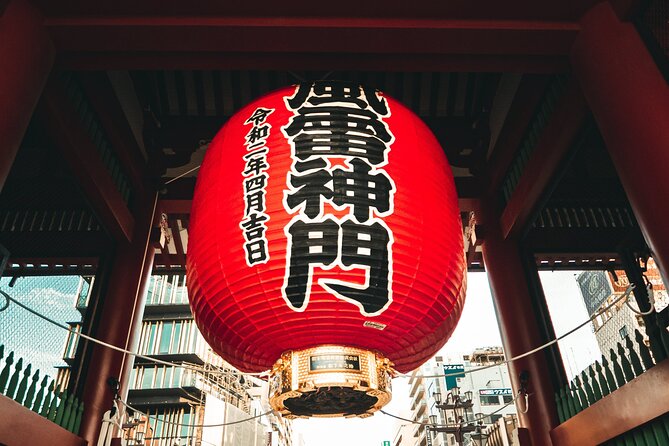
Senso-ji is one of Tokyo’s most famous temples, and for good reason: it’s colorful, dramatic, and instantly recognizable once you’re there. This is the stop where Tokyo’s spiritual heritage and street life collide.
What I’d watch for: use the time smartly. If you spend too long just staring at the crowds, you miss the chance to understand the place and its symbolism. A good driver-guide helps you see beyond the obvious photo angles.
Possible downside: it can be very popular, and that means you’ll feel the density no matter what. The private format doesn’t eliminate crowds, but it helps you arrive and move with less stress.
Tokyo Skytree (about 1 hour, tickets not included)
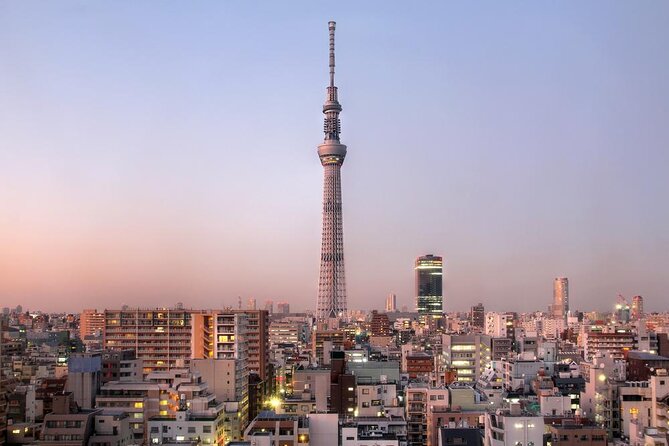
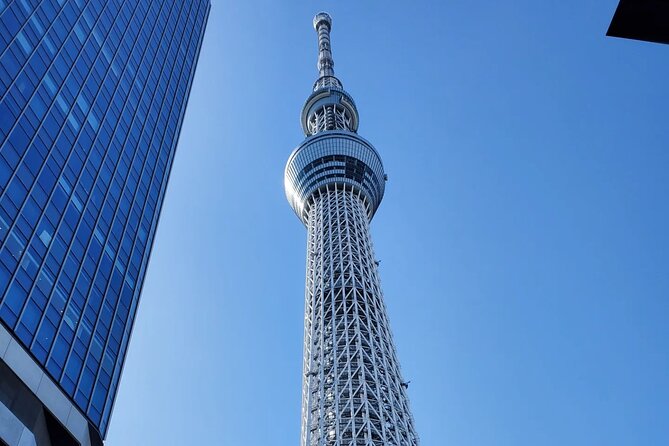
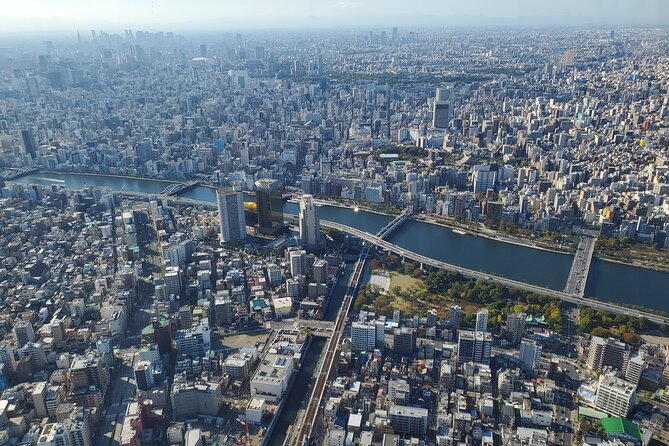
Skytree is the daytime skyline moment. It towers 634 meters tall and acts as the centerpiece of Tokyo Skytree Town in the Sumida area, not far from Asakusa.
Important money note: Tokyo Skytree entrance is not included. The info you’ll want to budget for is:
- First observatory: 2100–2300 yen
- Both observatories: 3100–3400 yen
Why this is worth planning for: views are the payoff here. If the weather is clear, this stop can be the highlight of the whole day. If it’s cloudy, you’ll still get the structure and atmosphere, but the “wow” factor drops.
Practical consideration: Skytree is timed tightly in a full-day route. If you’re the type who likes long viewing sessions and extra photo time, you might want to lean into the two-observatory option to make the stop feel complete.
Takeshita Street (about 45 minutes, free)
This is Harajuku’s iconic shopping street vibe—where you get trends, street food, and colorful fashion energy all in a compact area.
Why it’s a good final stop: after temples and towers, shopping streets feel like a natural shift. It’s also where you can pick up small souvenirs that actually look like you visited the right neighborhood.
What to expect: 45 minutes is enough to browse, snack, and take photos. It’s not enough for deep shopping research. Treat it like a hit list: see what catches your eye, buy what you’ll genuinely use, and don’t burn time comparing every shop.
How the Guide Changes the Day (And Why It’s Not Just Driving)
This tour’s real secret weapon is the English-speaking driver. A vehicle gets you around; a good guide changes how you experience the places.
In the feedback patterns tied to this experience, guides such as Mukarram Muhammad and Ryu stand out for preparation, friendliness, and solid pacing. Ryu is also noted for accommodating requests and for strong explanations around Japanese history, culture, and even politics.
You’ll feel that in small ways: they can point out what’s worth your attention at Tsukiji, help you interpret what you see in the Imperial Palace grounds, and connect temple details to the bigger story of the city. It’s not just facts—it’s context that makes the day flow better.
They also tend to offer food and shopping recommendations, which matters because lunch is not included. If you’re not sure where to eat, a guide can save you time and help you avoid random choices that don’t fit your tastes.
Timing, Walking, and What to Prepare
This is an 8-hour day with multiple walking segments. Even when entrances are free, you’ll still spend time moving through crowds and across sites.
I’d plan for:
- comfortable shoes (temples, markets, and street browsing all add up)
- a light layer (air-conditioning in the car helps, but you’ll still be outside)
- an appetite strategy: lunch isn’t included, so decide if you want a sit-down meal or quick bites based on where the day lands
Weather matters too. The tour notes that it requires good weather and if it’s canceled due to poor weather, you’ll be offered a different date or a full refund. That’s especially relevant because Skytree’s value is tied to visibility.
Entrance Fees You’ll Actually Need to Budget
Most stops here come with free admission:
- Tsukiji Fish Market: admission is listed as free
- Imperial Palace East Gardens / Edo castle ruin: free admission
- Senso-ji Temple: free admission
- Takeshita Street: free
The big ticket item is Tokyo Skytree. Plan for the observatory pricing (first vs both observatories). And remember: lunch is not included, so you’ll want to budget for food as well.
Who This Tour Is Best For
This is a strong fit if you:
- want to see major Tokyo highlights without wrestling with transit
- prefer a calmer, private vehicle rather than group logistics
- like learning the meaning behind places (not just taking photos)
- are traveling with up to 5 people and want the cost to work out fairly
It’s also a good choice for first-timers who want a smart “greatest hits” day but still care about getting real context. If your priority is slow, deep wandering with zero structure, you might want a different style of tour. But if you want a full-day plan that’s adjustable and efficient, this hits the sweet spot.
Should You Book This Private Tour?
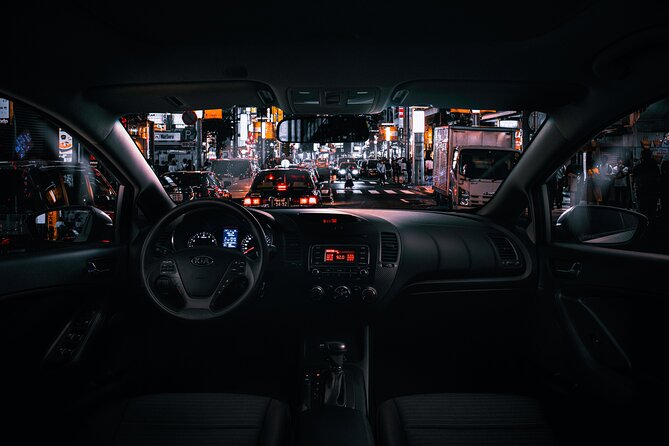
I’d book it if you value convenience plus explanation. The combination of pickup, an air-conditioned private car, and an English-speaking driver makes Tokyo feel less like a puzzle and more like a story you can follow.
If your budget is tight, remember the one major paid add-on: Tokyo Skytree observatory tickets, plus lunch. If you’re okay planning for that, you’ll get a full day with five major areas that otherwise take real effort to string together.
If weather is likely to be questionable, keep an eye on forecasts. Skytree especially benefits from clear visibility.
Overall, this is the kind of tour that works best when you want to trade some independence for less stress and better context—without giving up the ability to shape the day around your interests.
FAQ
How many people are in a group?
The tour price is per group for up to 5 people, and it’s a private experience for your group only.
What time does the tour start, and how long is it?
It starts at 9:00am and runs for about 8 hours.
Is pickup from my accommodation included?
Yes. Round-trip transportation and pickup are offered.
Is the driver English speaking?
Yes, the tour includes an English-speaking driver.
Do I need to print anything for tickets?
No, the tour uses a mobile ticket.
Are entrance fees included for Tokyo Skytree?
Tokyo Skytree entrance is not included. First observatory is listed as 2100–2300 yen, and both observatories are 3100–3400 yen.
Is lunch included?
No, lunch is not included.
Which stops are part of the day?
The tour includes Tsukiji Fish Market, the East Gardens of the Imperial Palace (Edo Castle ruin area), Senso-ji Temple, Tokyo Skytree, and Takeshita Street.
Does the tour require good weather?
Yes. If it’s canceled due to poor weather, you’ll be offered a different date or a full refund.