REVIEW · TOKYO
This is Real TOKYO!! SHIBUYA Tour from TGP!!
Book on GetYourGuide →Operated by TokyoGuidePartnerrtner · Bookable on GetYourGuide
Shibuya goes by fast; this tour keeps up. You start at the Hachikō statue for an easy, iconic photo moment, then glide through Shibuya Crossing, Center Street, Cat Street, and Meiji Shrine with a Tokyo-based guide who knows how to move with the crowds.
I also love the focus on the final photo payoff at Shibuya Scramble Square and the Sky Deck plan, with a backup if you can’t get tickets. The one drawback to flag: Shibuya Sky tickets aren’t included, and you need to handle them separately.
In This Review
- Key things that make this Shibuya tour worth your time
- First stop: Hachikō photo at Shibuya Station
- Shibuya Crossing: film it, then cross it
- Center Street + Shibuya Yokocho: shopping with a local rhythm
- Miyashita Park: luxury brands and an open-air break
- Cat Street and the old river promenade: Harajuku without the crush
- Omotesando + Tokyu Plaza Omokado: architecture-watching time
- Meiji Shrine: the calm reset you’ll feel right away
- Takeshita Street: pop culture snacks, characters, and quick browsing
- Shibuya Scramble Square ending: Sky Deck photos, and a real backup plan
- Price and what you’re really getting for $193 (private group up to 6)
- What it feels like on the ground (and why Mitsu gets praised)
- Who this Shibuya tour fits best
- Should you book this Shibuya tour?
- FAQ
- How long is the Shibuya tour?
- Where do I meet the guide?
- Is Shibuya Sky included in the price?
- What happens if I can’t get Shibuya Sky tickets?
- What languages are available for the guide?
- How much walking is involved, and what should I wear?
- Is this tour private and wheelchair accessible?
Key things that make this Shibuya tour worth your time
- Hachikō statue start: a real photo stop to set the tone, not a quick drive-by
- Crowd-smart Shibuya Crossing: learn how to cross while you capture photos and video
- Shopping stops with variety: Center Street to Cat Street to Takeshita Street, paced for browsing
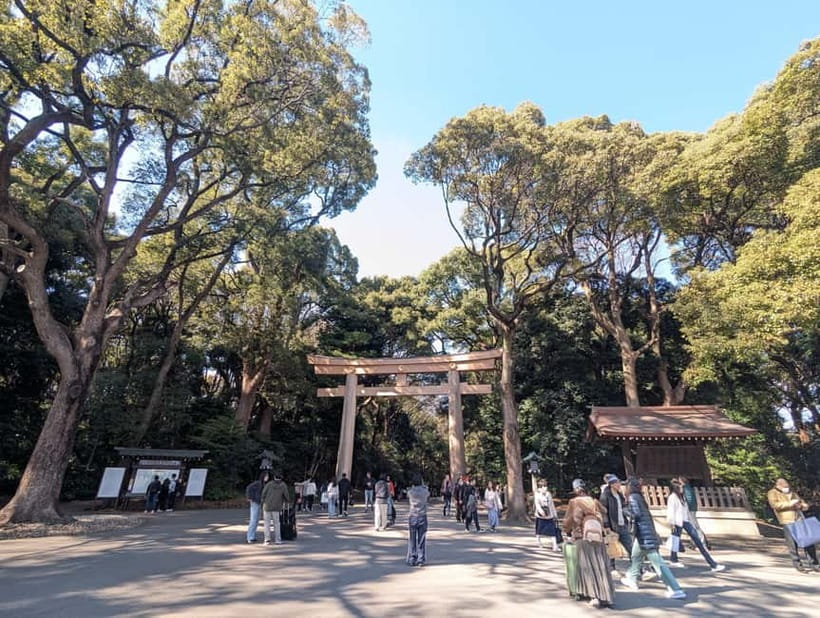
- Meiji Shrine visit: a calm reset with major cultural context
- Scramble Square finish: Sky Deck timing matters, and the tour has a backup plan
- A guide concierge feel: private pacing and preferences can shape the walk
First stop: Hachikō photo at Shibuya Station
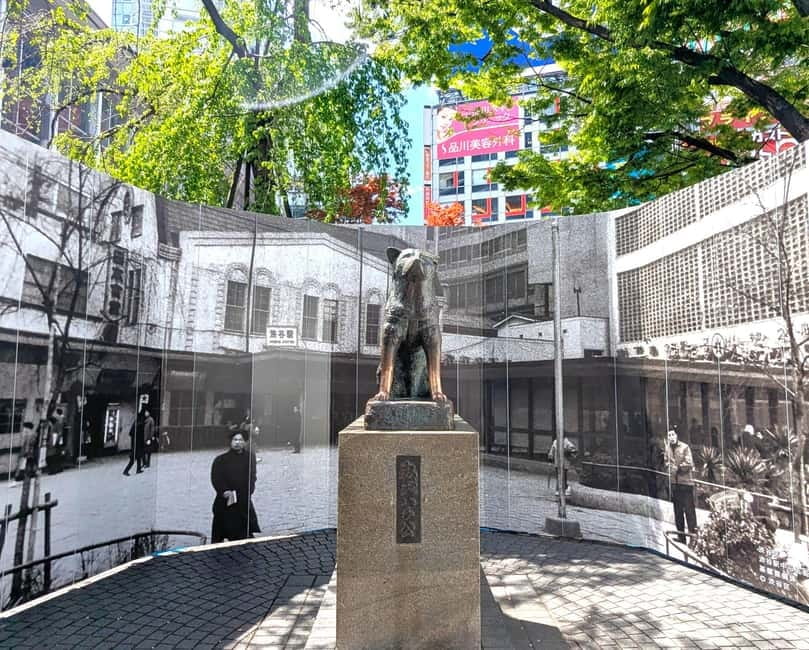
This tour starts in front of the bronze Hachikō statue at Shibuya Station, the kind of meet-point you can’t miss. You get a dedicated photo stop before the city begins to swirl around you, which is a smart way to start if you’re jet-lagged or just trying to get your bearings fast.
What I like here is the emotional hook. Hachikō is famous for loyalty—waiting for his master even after his master died—and that story is what makes the statue more than a postcard. It sets a thoughtful tone right at the busiest, most modern part of Tokyo.
If you’re traveling with someone who wants photos but also hates rushing, this opening works. You’re not fighting the crowd while trying to find the correct angle or figuring out what to do first.
You can also read our reviews of more tours and experiences in Tokyo.



Shibuya Crossing: film it, then cross it
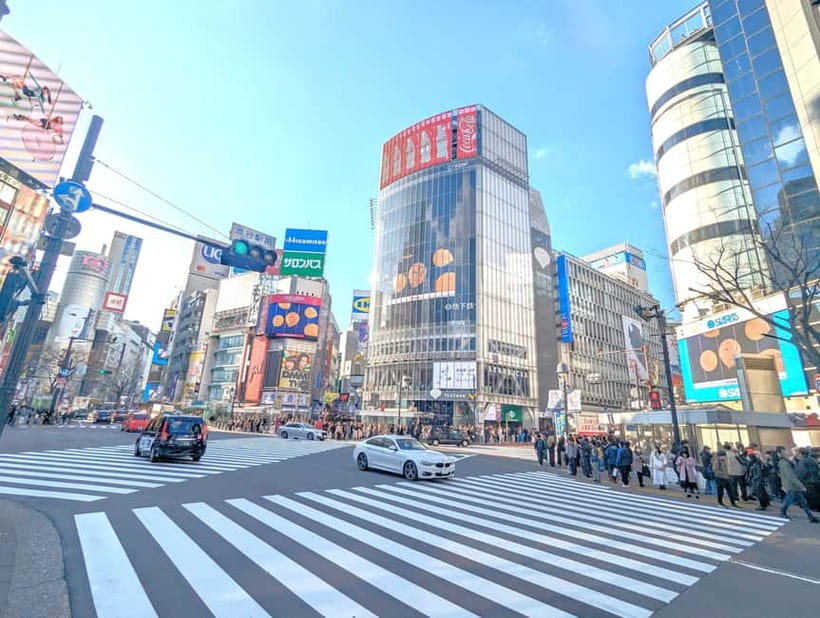
Next comes Shibuya Crossing, described as the most famous intersection in the world, with up to 3,000 people passing through at once. Even if you’ve seen it on screens, it hits different in real life: you’ll be close enough to hear the flow, feel the energy, and still manage to walk through without getting tangled.
A practical tip: plan to shoot not just photos but also video. The crossing is short, and video helps you catch the rhythm of people moving past each other cleanly.
When the guide is good (and the recent feedback on Mitsu is strong), the difference is timing. You want your shots when the lanes are full, not when the crowd is already thinning. And you want to cross at a moment when your group can stay together.
Center Street + Shibuya Yokocho: shopping with a local rhythm
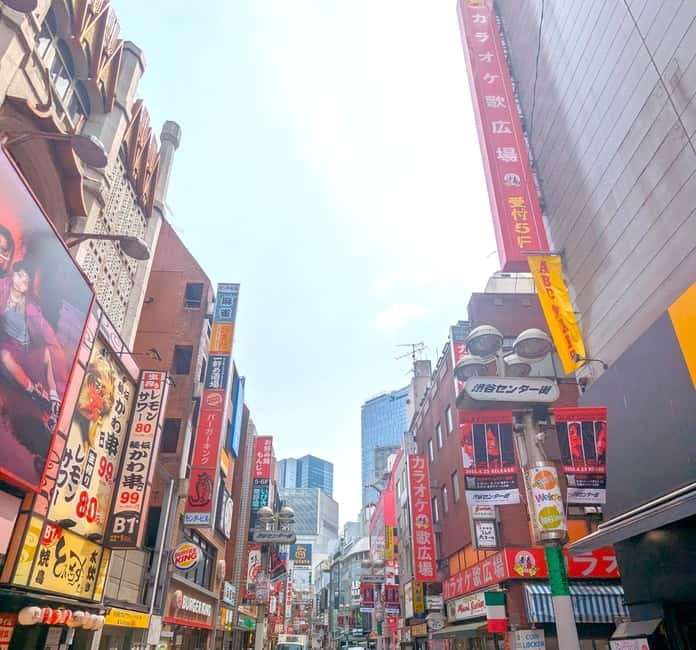
From the crossing, you head to Shibuya Center Street, known for being where youth-focused culture in Japan keeps spawning. The appeal isn’t just brands. It’s the feeling of walking a street that’s been doing its thing for years while new trends keep showing up.
Right in the shopping flow, there’s also a quick stop at Shibuya Yokocho. The value of a short pause like this is simple: it gives you a break from constant movement so you can reset—especially helpful on a short, 3-hour tour.
This is one reason I like this route for first-timers. You see Shibuya’s style in layers: big icons (Crossing), then the street-level “what people actually do” vibe (Center Street, Yokocho).
Miyashita Park: luxury brands and an open-air break
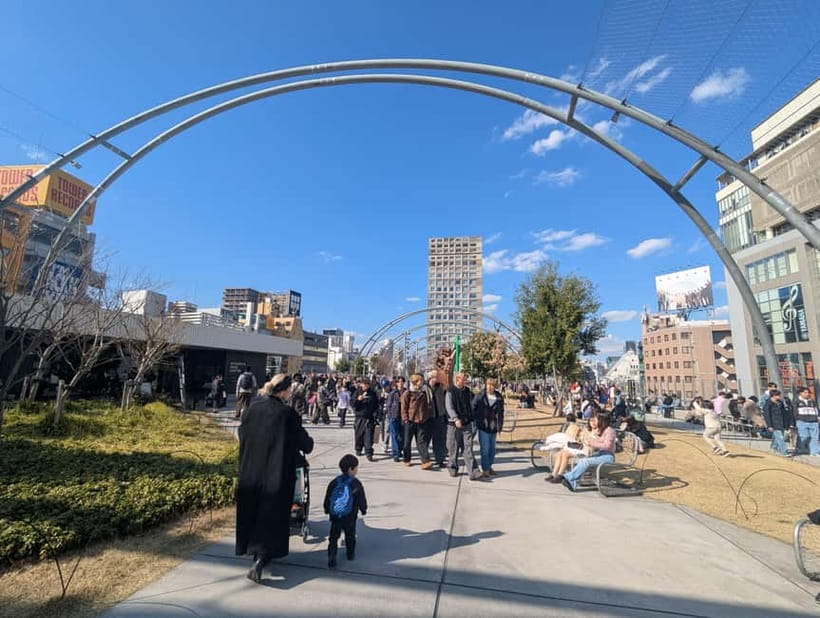
Then it’s on to Miyashita Park, with time to visit and shop (plus a real chance to cool down if the weather’s hot). The park is described as a spot lined with luxury brands, but it also works as a break in your schedule because it’s an open-air pause compared to narrow streets.
There’s an added detail that’s fun if you like playful photo moments: the tour mentions a rooftop open park area where you might even spot a world-famous character. You’re not guaranteed anything specific on that front, but the idea is that the area has a sense of pop culture built in.
If you’re thinking about pacing, this stop helps. Without it, you’d spend too long sprinting between major attractions.
Cat Street and the old river promenade: Harajuku without the crush
After that, the tour heads toward Harajuku via Cat Street, a street known for boutiques, general stores, and stylish cafes. What I find useful is that the walk is along the old Shibuya River promenade, so it feels a little different from the main Harajuku strip.
Cat Street is often where people go when they want something more personal than a storefront grab. The vibe tends to be fashion-forward, photo-friendly, and easy to browse slowly.
The itinerary builds in about 30 minutes here, which is enough time to check a few shops without feeling like you’re buying your whole trip in one go. If you see something you love, you’ll still have energy left later.






Omotesando + Tokyu Plaza Omokado: architecture-watching time
From there you pass through Omotesando, where the streets are tree-lined, and you’ll also see the distinctively designed Tokyu Plaza building called Omokado. This is a nice shift after Harajuku’s street-level pop-culture energy.
Even if you don’t care about architecture, these kinds of streets give your eyes a rest. You stop noticing the crowd and start noticing the design details: facades, spacing, and how Tokyo creates flow in very dense areas.
This is also where a private-group guide matters. If your pace is slower, you don’t get punished with a rushed march. If your pace is faster, you can still move without falling behind.
Meiji Shrine: the calm reset you’ll feel right away
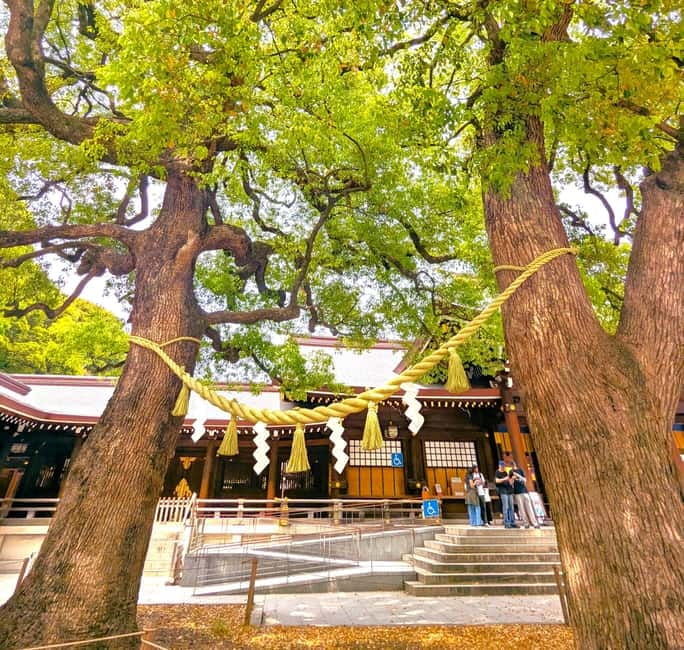
Then you reach Meiji Shrine, described as a power spot with the largest number of visitors in Japan. It’s a major cultural stop, and the tour explains who’s enshrined: Emperor Meiji and Empress Shoken, including Empress Shoken’s work supporting women’s education and charitable efforts.
This matters because you’ll notice the tone shift the moment you enter. Shibuya is loud. Meiji Shrine is quiet in comparison, with a grounded feeling that makes the entire day feel more balanced.
The itinerary marks Meiji Shrine as the longest visit on the schedule, which makes sense. This is not a place you should try to speed through just to hit checkboxes. Give yourself time to walk slowly and take photos without looking over your shoulder at the next stop.
Practical note: plan for weather. If it’s rainy, bring something small for your camera and phone.
Takeshita Street: pop culture snacks, characters, and quick browsing
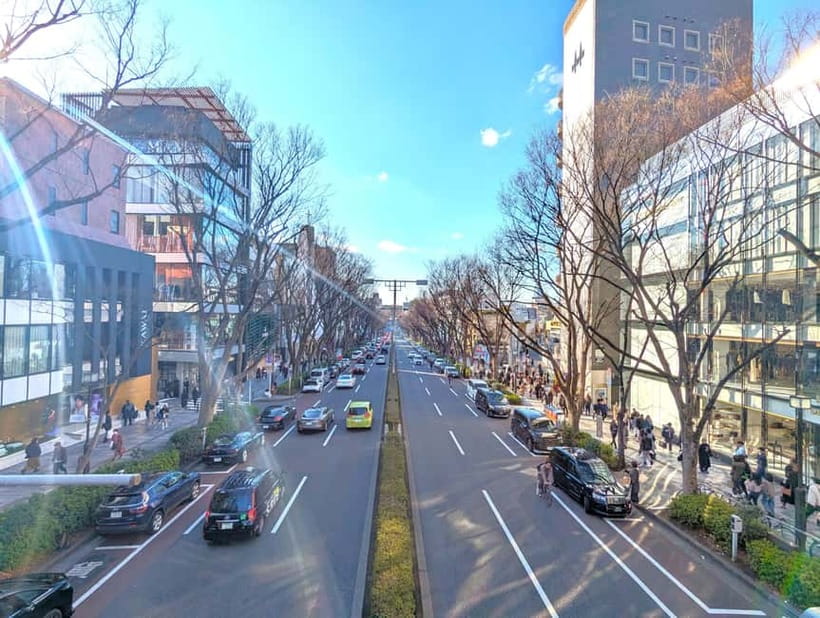
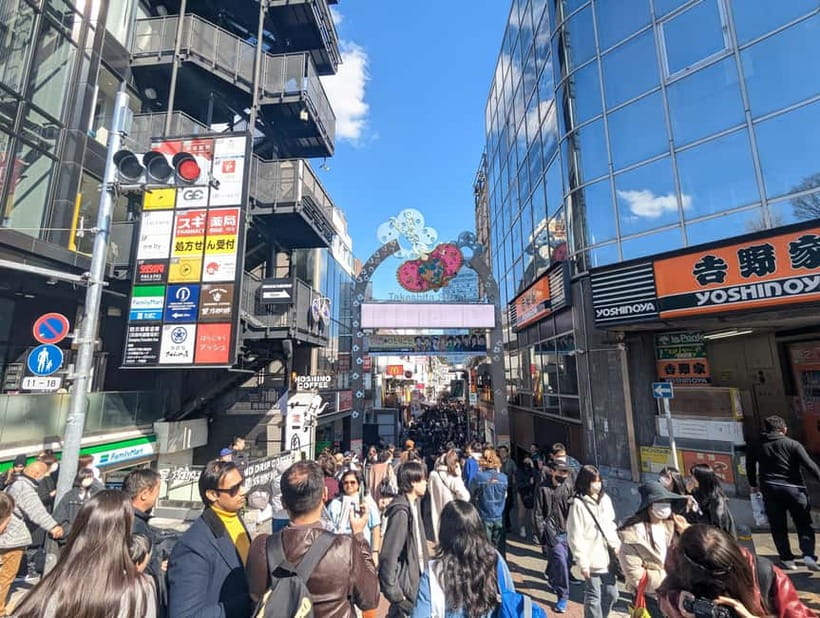
Next is Takeshita Street, described as the birthplace of Japanese pop culture. Expect a line of shops that lean cute and playful, from miscellaneous goods and character items to crepes.
I also like that the tour doesn’t frame this as one single shopping mission. It’s presented as a stroll with options, which is the best way to handle Takeshita Street. You’ll see plenty, but you can choose what to actually engage with.
The tour also mentions you may find rare concepts like pig cafes and otter cafes in the area. You’re not guaranteed any specific cafe visit during the walk, but it’s a good heads-up for what makes this strip feel weird in a fun way.
Keep your expectations realistic: the point is to absorb the vibe, snack if you want, and grab photos if you can do it without getting stuck in place.
Shibuya Scramble Square ending: Sky Deck photos, and a real backup plan
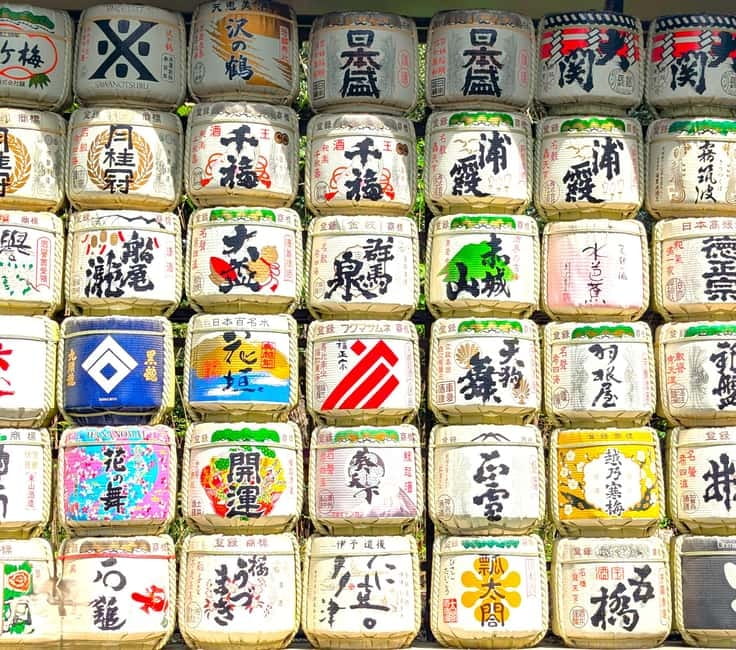
Finally, the tour ends at Shibuya Scramble Square with a visit and about 20 minutes to enjoy the area. The big draw is the Sky Deck for photos and videos, but the tour is honest about the reality: reservations are very popular and can sell out during peak times.
Here’s where the tour’s value shows up. The tour notes that if you can’t get Sky Deck tickets, you’ll be directed to Tōgō Shrine or Yoyogi Village instead. That’s important because it prevents the day from feeling like a dead-end when the ticket situation is tough.
The best-case scenario is you get your Sky Deck time slot and you walk away with those dramatic Shibuya views that look like they belong in a movie. If not, you still leave with a meaningful Tokyo stop, not just a sign-off.
Also, since the Sky Deck process requires its own reservation procedure, the tour makes it clear that booking the walking portion doesn’t guarantee tickets. In practice, this means you’ll want to think ahead if you have a specific time of day you care about.
Price and what you’re really getting for $193 (private group up to 6)
At $193 per group (up to 6 people) for 3 hours, this is priced like a private experience, not a per-person group bus. For the money, you’re paying for a guide who can manage the flow between major icons and smaller streets, plus a photo-focused approach.
What makes it feel like good value is the combination:
- Concierge-style customization: the guide can adjust to your preferences
- A special photo service: you’re not just wandering with directions
- A guide who lives in Tokyo: you benefit from local judgment about where to pause and how to time your shots
If you’re two people, the cost still works out reasonably compared with booking separate add-ons and trying to stitch together a day of photo spots on your own. If you’re a family or a small friend group, it becomes even easier to justify because the guide attention scales with the group.
One budget note: meals, drinks, shopping, and any facility fees are extra, and Shibuya Sky ticket fees are not included. Also, Shibuya Sky ticket sales can be sold out about 10 days in advance, so you may need to act quickly for that specific view.
What it feels like on the ground (and why Mitsu gets praised)
The feedback for this tour strongly centers on the guide experience, especially Mitsu. The recurring themes are helpful and practical:
- He’s described as kind and very accommodating
- He handles the photo logistics well, including getting into the right line for the Hachikō photo
- He’s engaging and sincere, with explanations that make stops click
- For language gaps, he used a translation device for smoother communication
- He also follows up to reduce stress, like sending a clear way to identify him at the start
If you’ve ever done a self-guided day in Shibuya and ended up slightly lost, this is the difference. You spend more energy enjoying the places and less energy trying to solve the day.
And the tour style is consistent with that: multiple short stops, enough walking to feel like you did Shibuya, but paced so you’re not exhausted before Meiji Shrine.
Who this Shibuya tour fits best
This tour is a smart match if you:
- want a private group format instead of a large crowd tour
- care about photos, especially at Hachikō, Shibuya Crossing, and Shibuya Scramble Square
- want the “Shibuya + Harajuku + Meiji Shrine” mix without building a complicated route
- prefer a guide-run day that can flex if your priorities shift
It’s less ideal if you want a super long, deep dive day with lots of museum time or if your schedule absolutely depends on Shibuya Sky with no flexibility. The Sky Deck can be great, but the ticket situation is a real factor.
Should you book this Shibuya tour?
If your goal is a well-paced, photo-friendly introduction to Shibuya and Harajuku plus a calm cultural stop at Meiji Shrine, I think this tour is an easy yes. The private group setup, the photo-first approach, and the guide support are the big wins.
I’d book with one caution: plan for the possibility that Sky Deck tickets aren’t available at your preferred time. If you’re okay with a backup (Tōgō Shrine or Yoyogi Village) and you’re willing to handle the Sky Deck ticket process separately, you’ll get a strong, satisfying Tokyo day.
FAQ
How long is the Shibuya tour?
The tour duration is 3 hours.
Where do I meet the guide?
You meet in front of the Hachikō statue, in front of Shibuya Station. The staff wear orange collars and name tags. You’re asked to share your clothing color and other characteristics so they can find you easily.
Is Shibuya Sky included in the price?
No. Shibuya Sky ticket fees are not included, and the Sky ticket time slot can change the cost.
What happens if I can’t get Shibuya Sky tickets?
If you can’t secure tickets for the Sky Deck, the tour notes you will be directed to Tōgō Shrine or Yoyogi Village instead.
What languages are available for the guide?
The tour offers multiple guide languages, including English, Japanese, Korean, Spanish, French, and Chinese, among others.
How much walking is involved, and what should I wear?
The journey is about 5.5 km, so you’ll want comfortable shoes. Dress for the weather.
Is this tour private and wheelchair accessible?
Yes. It’s listed as a private group and wheelchair accessible.