REVIEW · TOKYO
Tokyo Countryside Exploration Private Tour
Book on Viator →Operated by Jeremy Owen · Bookable on Viator
Bamboo, deer, and mountain roads in one day. This private Tokyo countryside tour is interesting because it trades city noise for rural Japan—mountain shrines, waterfalls, and temple stories you won’t see on big bus routes. I like the small-group feel (up to 5) because it keeps the day calm and conversational with your guide, Jeremy Owen. I also love the lineup of offbeat stops, from the bamboo temple dedicated to the cow-headed king Gozu to the Dragon Taming Temple tale about a monk communicating with carp. One consideration: the day runs about 8 to 9 hours and you’re driving through mountainous areas, so you’ll want solid footwear and patience, especially if weather changes plans.
You also get pickup offered and a mobile ticket. Confirmation comes at booking, service animals are allowed, and the tour is designed for most travelers. If you’re aiming for a quieter, more local-feeling Japan day, this is built for that.
In This Review
- Key things that make this tour worth your attention
- Why this countryside day feels like another Japan
- Hanno Bamboo Temple: Gozu, cow-headed legend, and shy wildlife
- Koma Shrine in Saitama: Tang Dynasty Korean kings
- Ne-no-gongen shrine: views for hikers and prayer for healthy legs
- Ogose-machi and the Dragon Taming Temple carp story
- Torii Pagoda deep in the mountains: Xuanzang’s bones
- Arima Dam Lake and the Totoro-area connection
- Price and value: what $280.94 per person gets you
- Timing, comfort, and the weather that can change everything
- Who this private Tokyo countryside tour suits best
- Should you book this Tokyo countryside day?
- FAQ
- How long is the Tokyo countryside exploration private tour?
- Is pickup included?
- How many people are on the tour?
- Are the temple and shrine admissions included?
- What happens if the weather is bad?
- What’s the cancellation policy?
- Is it suitable if I travel with a service animal?
Key things that make this tour worth your attention
- Small private group (max 5) means fewer crowds and more time to ask questions.
- Free admission at each featured stop helps you budget your day beyond the tour price.
- Mountain temple stories: Gozu, Korean kings of the Tang Dynasty, Xuanzang, and carp-telepathy legends.
- A guide who drives well and plans with the terrain—mountain roads are part of the fun.
- Totoro-area spotting from Arima Dam Lake adds a pop of modern pop-culture to traditional sites.
Why this countryside day feels like another Japan
Tokyo can be thrilling, but it can also feel constant. This tour gives you an intentional reset: you leave the city and head into the hills where shrines sit above villages, forests cool the air, and the scenery looks less like a postcard and more like real daily life.
The best part for me is the pacing. You’re not bouncing between headline attractions. Instead, you get a run of meaningful stops, each with its own reason for existing—religious worship, local legends, and mountain views. It’s the kind of day that works especially well if you like character: odd statues, prayer-for-health rituals, quiet courtyards, and little moments like deer and monkeys that are timid but present near the bamboo temple.
You can also read our reviews of more private tours in Tokyo


Hanno Bamboo Temple: Gozu, cow-headed legend, and shy wildlife
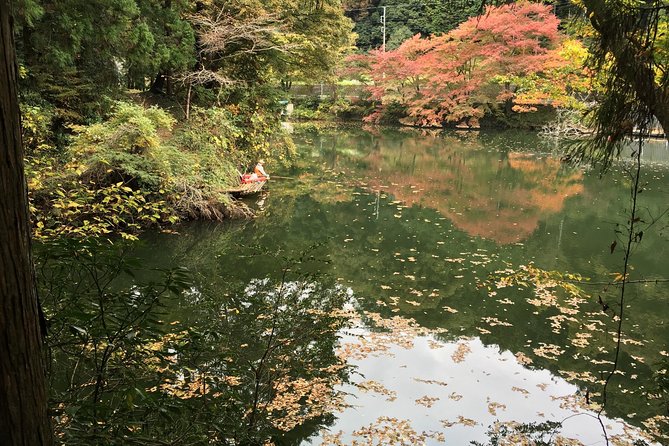
Stop 1 is in Hanno, centered on the bamboo temple in the mountains. This is an ancient Buddhist temple dedicated to the Buddhist king Gozu, described as a king with the head of a cow and the body of a man. That single detail tells you the tone of the day: Japan here isn’t trying to be simple. It’s mixing myth, faith, and local imagination.
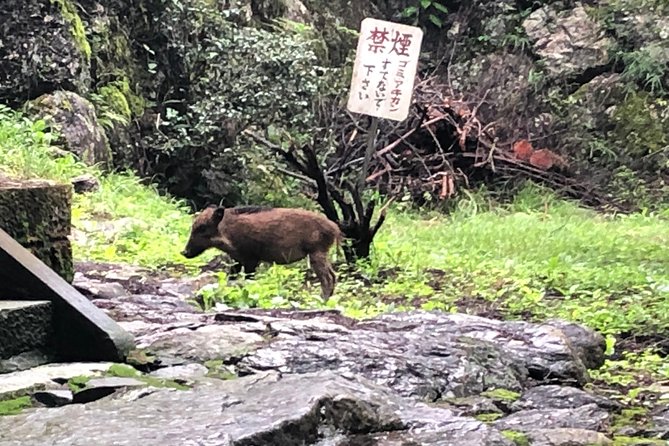
You’ll spend about 40 minutes here, and admission is free. One practical thing: the temple complex is home to very timid wild deer and monkeys. They may be watching you, but they’re also shy. Keep your voice low, don’t chase for photos, and treat it like a respectful wildlife encounter. If you’re the type who loves atmosphere, this stop has it—bamboo, mountain air, and a story that feels half-ritual and half-folklore.
Possible drawback: because wildlife is unpredictable and outdoor areas are involved, rain or low visibility can change the experience. The upside is that even when it’s wet, the forest-and-temple mood can be extra atmospheric.
Koma Shrine in Saitama: Tang Dynasty Korean kings
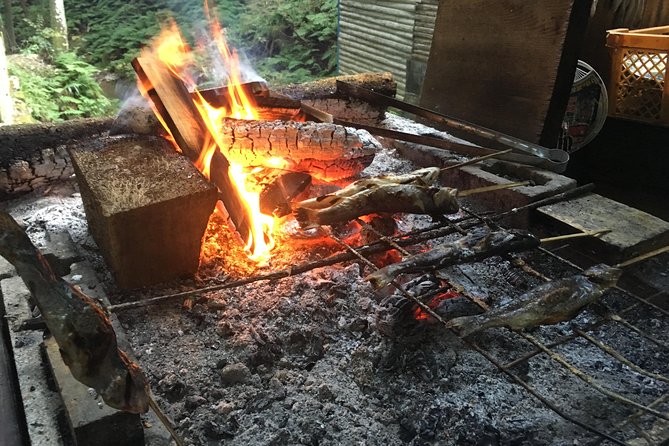
Next you move into Saitama Prefecture for Koma Shrine, with about 40 minutes on the schedule and free admission. The shrine is associated with Korean kings of the Tang Dynasty, which is exactly the kind of connection that makes Japan feel historically layered.
What I like about this stop is that it’s not just a pretty place to stand. It gives you a different angle on how influence moved through Asia over centuries—temple culture doesn’t exist in a vacuum, and shrines like this point to the cross-border story threads tourists often miss.
This is also a relatively short stop, so you’ll want to use that time deliberately:
- Take a slow look at the shrine area layout.
- Notice any ritual elements you see (they’re usually the point).
- Ask your guide what the connection means locally, not just generally.
If you’re hoping for a “big wow” monument, this one may feel subtler—but that’s the charm.
Ne-no-gongen shrine: views for hikers and prayer for healthy legs
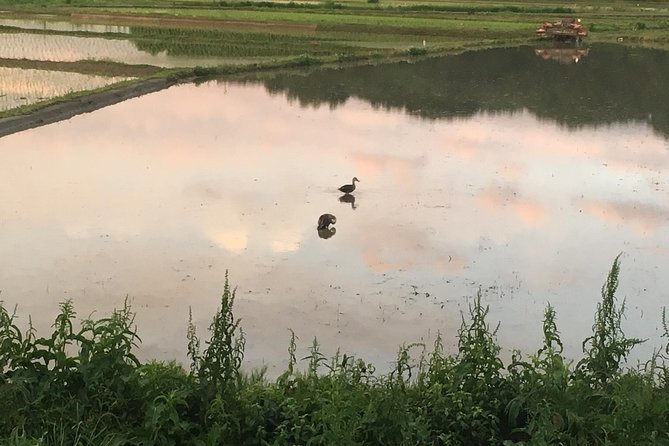
After the bamboo temple, you head to Ne-no-gongen shrine nearby, still with around 40 minutes and free entry. This shrine sits at the top of the mountains, and it’s especially appealing if you like views—there’s a built-in “reward” for being higher up.
The shrine is for praying for healthy legs and backs. That may sound specific, but it’s also very practical. It’s a reminder that temples here often serve everyday needs: work, movement, aging, and staying strong for daily life.
You don’t need to be a hardcore hiker to enjoy this. Just be ready for some uphill terrain and plan your pace. Good footwear matters more here than at most city stops. If you’re carrying camera gear, keep your movement steady—you’re on mountain pathways, not flat sidewalks.
Ogose-machi and the Dragon Taming Temple carp story
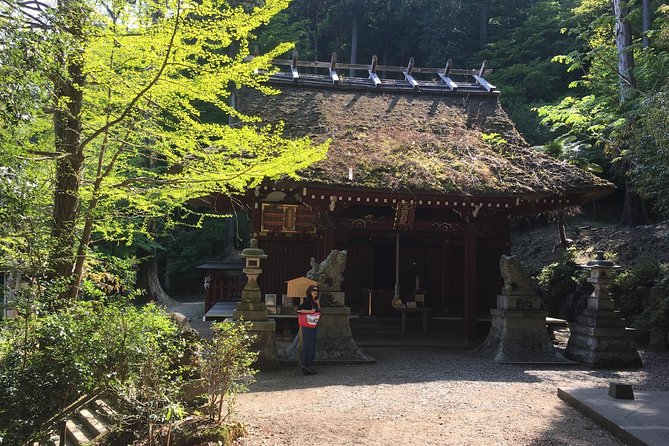
Stop 4 shifts to Ogose-machi, where the tour frames the day as rural Japan in a broader sweep: mountains, temples, shrines, and waterfalls. Your time here is about 30 minutes, with free admission at the highlighted sites.
The featured moment is the Dragon Taming Temple, where the monk is said to have telepathy with the carp in his pond beside the temple. Yes, it’s a legend. But it also fits a pattern you’ll notice throughout the day: religious spaces often carry stories that explain nature—water, animals, strength—through human imagination.
This is a good stop for photos and short walks, but it’s also short enough that you’ll want to keep your attention on the key details. Look for the pond area, notice how the space is arranged around the story, and take a moment to appreciate how locals keep these tales alive through everyday visits.
A drawback to note: with only about 30 minutes, you won’t have endless time for wandering. If you tend to linger, this is where you’ll need to manage expectations.






Torii Pagoda deep in the mountains: Xuanzang’s bones
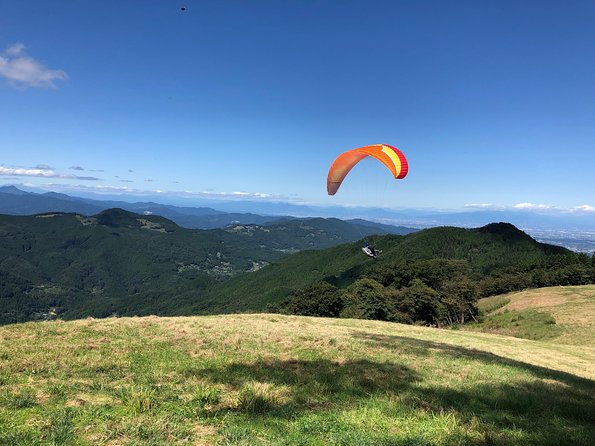
Stop 5 takes you to a Torii Pagoda deep in the mountains, with about 40 minutes and free admission. This one is tied to Xuanzang, the famous Chinese monk who traveled India during the Tang Dynasty period.
The intriguing part: the Torii Pagoda used to hold the bones of Xuanzang. Even if you don’t know his story yet, the stop gives you a concrete location for a major historical figure. That’s valuable. It turns a name from a textbook into something physical you can stand near.
The mountain setting matters too. Pagodas and torii structures in quiet areas feel different than they do in crowded temple districts. Here, the setting supports reflection. If you’re a history-minded traveler, this is the stop where your brain will likely connect the dots fastest.
Arima Dam Lake and the Totoro-area connection
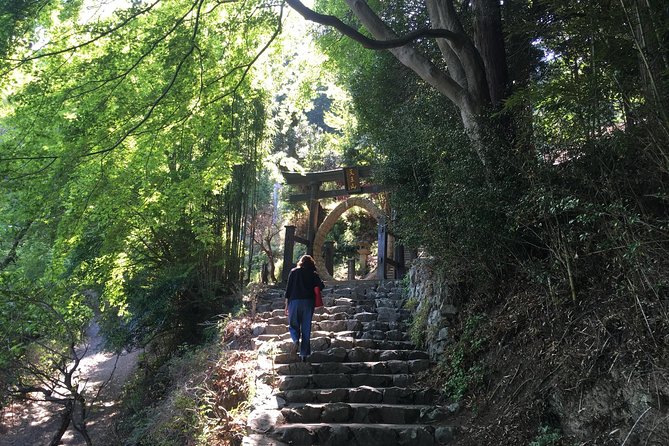
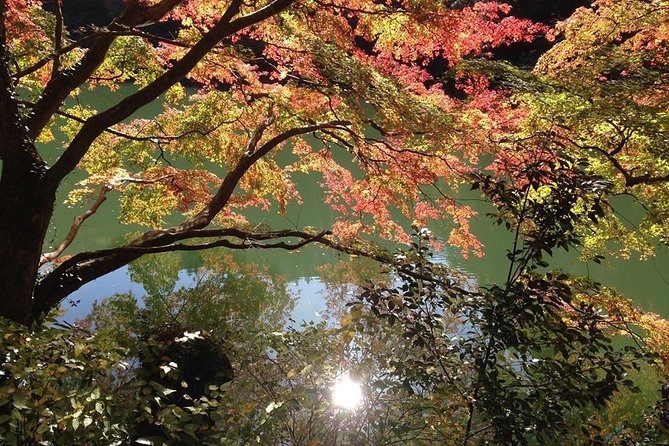
As you go, you’ll drive past the lake Arima Dam, described as the roots of the Ghibli film My Neighbor Totoro. Even though this is a drive-past moment rather than a long stop, it adds a fun visual hook.
This is the kind of bonus that works well if you like Japanese animation, or if you just enjoy seeing how real places inspired stories you already love. Keep an eye out for scenery that matches the mood you know from the film—the hills and water are the starting points.
Practical note: since you’re in the car, the best views will depend on weather and road timing. Don’t plan your photos around perfection; treat it as an extra.
Price and value: what $280.94 per person gets you
The price is $280.94 per person for a private countryside day lasting about 8 to 9 hours. That number can feel steep until you factor what’s included in practice: pickup service, dedicated driving, and a small private group experience.
Here’s what improves the value story:
- Small-group privacy: max 5 and private-only for your group.
- Multiple stops with free admission listed for the featured locations.
- A guide who handles route planning and the realities of mountain travel.
The main cost-related consideration: this is private, so it’s less of a “cheap shared tour” situation. It tends to make the most sense if you’re traveling as a pair or a small group who really wants the day designed for your pace and interests, instead of squeezing into a big crowd.
Also plan for your own meals. The tour details focus on shrine and temple time blocks, not included dining. So if you’re budgeting, think about lunch and snacks outside the tour.
Timing, comfort, and the weather that can change everything
This is a full-day experience, and your time is mostly outdoors or in outdoor-adjacent temple spaces. That makes weather a real factor.
The tour information says it requires good weather. If it’s canceled due to poor conditions, you’ll be offered a different date or a full refund. I like this approach because it respects the reality: mountain shrines and scenic viewpoints don’t land the same way in bad weather.
One more practical consideration: pickup time can shift slightly because of light traffic. The day still stays organized, but it’s smart to keep your schedule flexible. If you hate uncertainty in the morning, wake up early and plan to be ready a little before pickup.
If it rains, the forest-and-temple mood can still be beautiful. Mountain mist and wet wood can make the bamboo and greenery feel even more “present.” Bring a waterproof jacket and pack a dry layer for later.
Who this private Tokyo countryside tour suits best
This tour is a strong match if you:
- Want rural Japan without committing to a multi-day train itinerary.
- Like shrines, temples, and legends tied to specific places.
- Prefer small groups where you can talk with your guide.
- Enjoy a mix of nature and storytelling, from bamboo to mountain views.
It may not be ideal if you:
- Want only major landmark tourism with long time at each site.
- Have very limited mobility and can’t handle uneven outdoor paths.
- Get cranky with a full 8 to 9 hour day and driving.
Should you book this Tokyo countryside day?
Yes, if you’re craving a quieter, more local-feeling side of Japan and you want a day shaped by mountain shrines, rural legends, and scenic stops with free admissions. This feels especially worthwhile because you’re not just seeing nature—you’re seeing how people pray, mythologize, and live with the landscape.
I’d book it when:
- You want authentic-feeling rural Japan and fewer crowds.
- You like learning the why behind a place, not just taking a photo.
- Your group can enjoy a paced, story-driven route.
Pass or consider another option if you’re mainly hunting for big ticket city attractions, or you don’t want a weather-dependent outdoor day.
FAQ
How long is the Tokyo countryside exploration private tour?
It runs about 8 to 9 hours.
Is pickup included?
Pickup is offered.
How many people are on the tour?
This is private for your group, and it’s described as a small-group experience with a maximum of 5.
Are the temple and shrine admissions included?
The listed stops include free admission tickets.
What happens if the weather is bad?
The experience requires good weather. If it’s canceled due to poor weather, you’ll be offered a different date or a full refund.
What’s the cancellation policy?
You can cancel for a full refund up to 24 hours in advance. If you cancel less than 24 hours before the experience starts, the amount paid isn’t refunded.
Is it suitable if I travel with a service animal?
Service animals are allowed, and the tour is near public transportation. Most travelers can participate.
If you tell me your travel dates and group size, I can help you judge whether this price is a great fit for your party or a splurge you can skip.