REVIEW · TOKYO
Tokyo: Japanese Archery (Kyudo) Experience
Book on GetYourGuide →Operated by Beautifuldaytours LLC. · Bookable on GetYourGuide
Shooting feels like quiet choreography, not a demo. I love that this is real Kyudo in an official hall with a competition-style range. I also love the amount of time you get to practice, so you keep improving instead of rushing through. The one drawback to plan for: you may not hit the center on your first attempts.
You’ll be kitted out in a traditional Kyudo uniform and guided step-by-step by a Japanese DAN master, with an English-speaking instructor leading the session. In a small group limited to 5, you get real feedback and time to repeat the motion until it starts to click. Still, even with coaching, the skill demands patience, and some days it takes more tries than you expect.
One more practical thing: the meeting point is not at Tokyo Station, and the exact facility can vary by day. After you reserve, you’ll get the meeting place a few days before, and late arrivals won’t be allowed in—so don’t treat this like a casual add-on between stops.
In This Review
- Key highlights
- Why this Kyudo session feels more real than most Tokyo activities
- What the 150 minutes look like, from uniform to first target attempts
- The range setup: why “competition-style” changes your experience
- The instructor factor: DAN-master coaching you can actually use
- Dressing, shooting rules, and the practical stuff that can ruin a day if ignored
- Price and value: $122 for 150 minutes in a real Kyudo hall
- Who should book this Kyudo experience in Tokyo
- Should you book? My honest take
- FAQ
- How long is the Japanese archery (Kyudo) experience?
- Is there a limit on group size?
- What age do you need to be able to join?
- Do I need prior archery experience?
- Where do we meet, and is it near Tokyo Station?
- Can I take photos or video during the session?
Key highlights
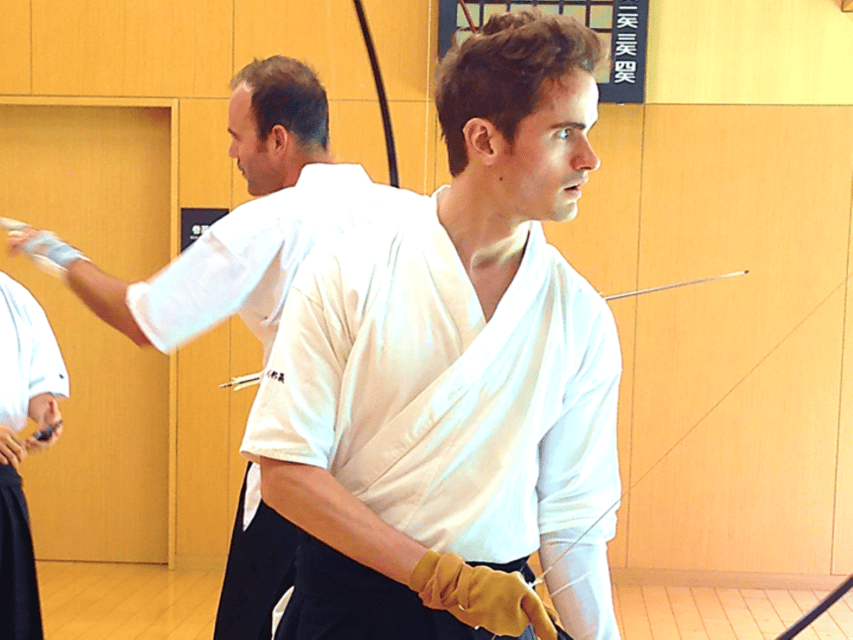
- Official Kyudo hall, not a staged setup: the venue is a real place used for Kyudo practice and shooting.
- A genuine competition-style range: you shoot at a real target setup, not a shortened version.
- Traditional dōgi uniform: you dress in proper Kyudo gear, matched to your body when possible.
- Dozens of attempts in 150 minutes: plenty of shooting time for repetition and corrections.
- DAN-master instruction for the shooting motion: the full sequence is taught carefully, with guidance for first-timers.
- Small group format (max 5): enough attention to fix your form instead of waiting in line.
Why this Kyudo session feels more real than most Tokyo activities
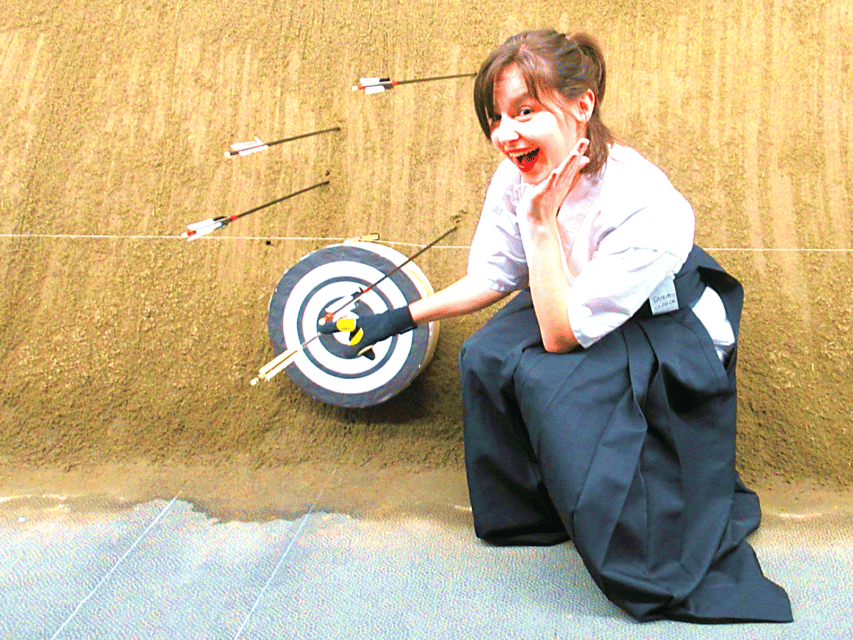
Kyudo is one of those Tokyo experiences that doesn’t try to shock you with spectacle. It works the other way. The sport is built around controlled movement, calm focus, and a clean follow-through—so even when you’re new, you can feel the discipline in every step.
What makes this program stand out for me is the setting. You’re not learning Kyudo in a place that looks like it was designed for photos. You’re practicing in an official Kyudo hall with a real range where shooting is treated like proper training. That matters because Kyudo isn’t just about releasing an arrow. It’s about posture, timing, and ceremony-like movement, and those details land differently in a genuine hall.
I also like that the experience is described as something locals treat seriously. It’s not “only for tourists.” The program is said to be a real practice where Japanese people may participate, and sometimes you shoot alongside regular archers. That gives the day extra weight. You’re not watching Kyudo as a show—you’re joining it.
The learning curve is real, though. This is an action-oriented class where you go straight into shooting. That’s exciting, but it also means you may not hit your mark immediately. Plan to measure success by form and focus, not just target results.
You can also read our reviews of more tours and experiences in Tokyo.



What the 150 minutes look like, from uniform to first target attempts
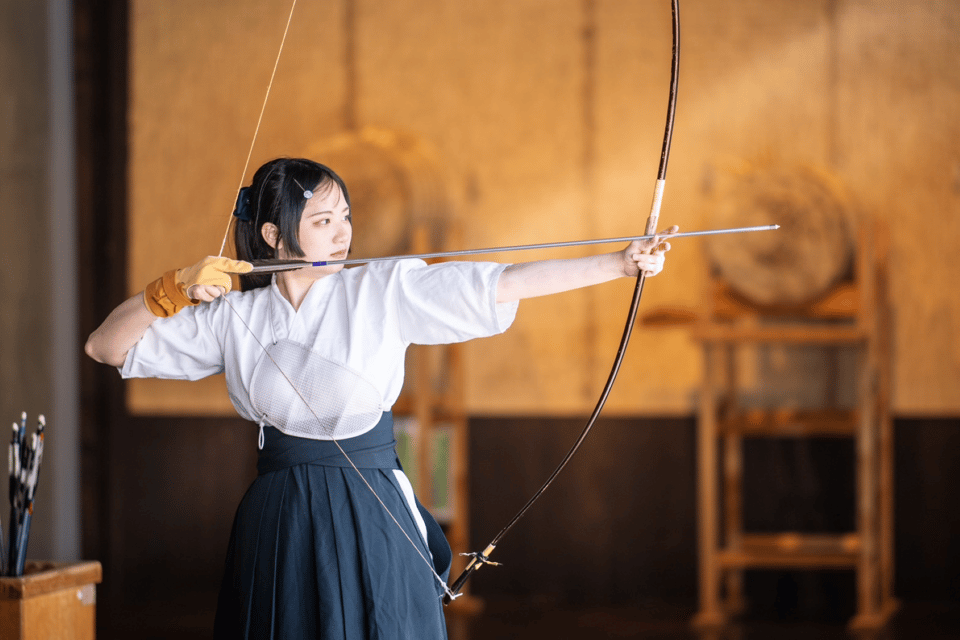
This is a 150-minute session, and the biggest practical gift is time. You get dozens of chances to try your shot, not just a couple of runs that leave you wondering what went wrong.
Here’s the flow you can expect, in the spirit of how Kyudo teaching typically works in an official range:
1) Welcome and gear fitting
You start by changing into a Kyudo dōgi (training uniform). You’ll be matched with a bow and arrows for your body, which helps you get into the correct mechanics faster than if you were borrowing random equipment.
One important note: the dōgi is designed for Japanese body types. If you’re over 150 kg or have larger arms, you might not fit comfortably, and you may need to participate in regular clothing. I’d treat this as a “come prepared” item, not a crisis moment. Wear clothing you can move in easily.
2) Walking through the shooting motion
A DAN master carefully explains the shooting sequence. This isn’t just “pull, release, done.” The motion is taught as a structured pattern, so you understand what your body should do before you start firing arrows downrange. The class is designed to be enjoyable even if you’re brand new, but you still need to take the steps seriously.
3) First target practice, with real correction
After you get the basic form, you shoot at a target and work toward hitting the middle. The teaching includes advice on how to adjust your movement. This is where the value of a small group matters. When you only have a few people, the instructor can notice what you’re doing and correct it while you can still apply the fix on the next attempt.
4) Repeating the process
Over the course of the session, you keep shooting and refining. The program emphasizes enough time to practice many times, so you’re not stuck repeating one mistake for half the day.
From the feedback you’ll hear in the hall, it’s clear that repetition is the whole point. People come in expecting a short intro and end up wanting more tries.
The range setup: why “competition-style” changes your experience
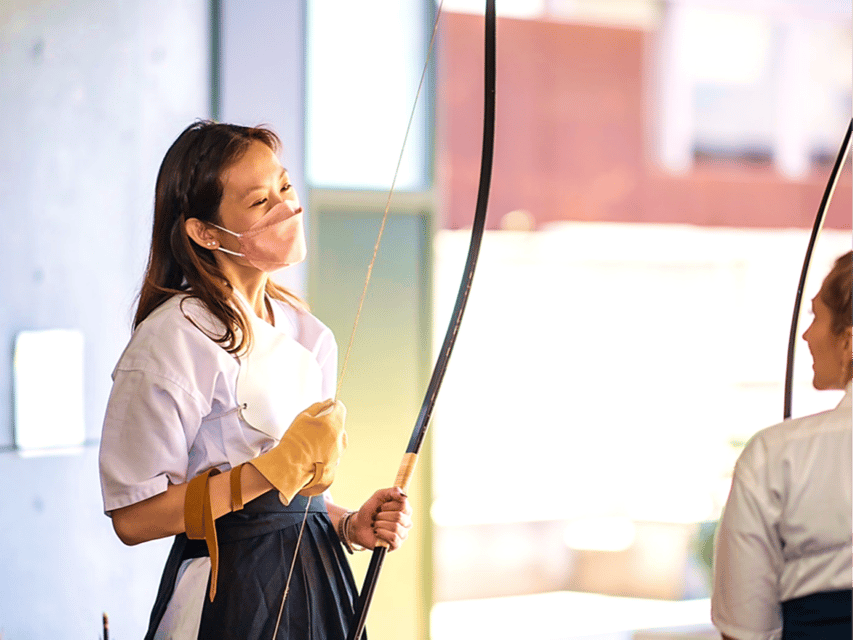
Kyudo has a way of making you aware of your own control. On a real range, the full experience shows up in your body.
Because the range is described as real competition distance and setup, you get a more accurate feel for the sport. A shorter, staged range can make learning feel forgiving or misleading. With a real target setup, you’re forced to respect the sequence: stance, draw, alignment, and release.
This also affects how you perceive progress. You might not hit the center right away, but you’ll start to notice patterns in your results. When your form improves, your arrow behavior tends to get more consistent. That’s motivating, and it’s exactly the kind of feedback Kyudo is built to give.
There’s also a quieter intensity in a proper hall. Even if you’re chatting at the beginning, the moment you’re asked to take position, focus shifts. That’s part of why Kyudo is often described in Japan as a dynamic Zen meditation: it trains attention through physical precision. You don’t have to fully “get it” to benefit, but you’ll feel the shift.
The instructor factor: DAN-master coaching you can actually use
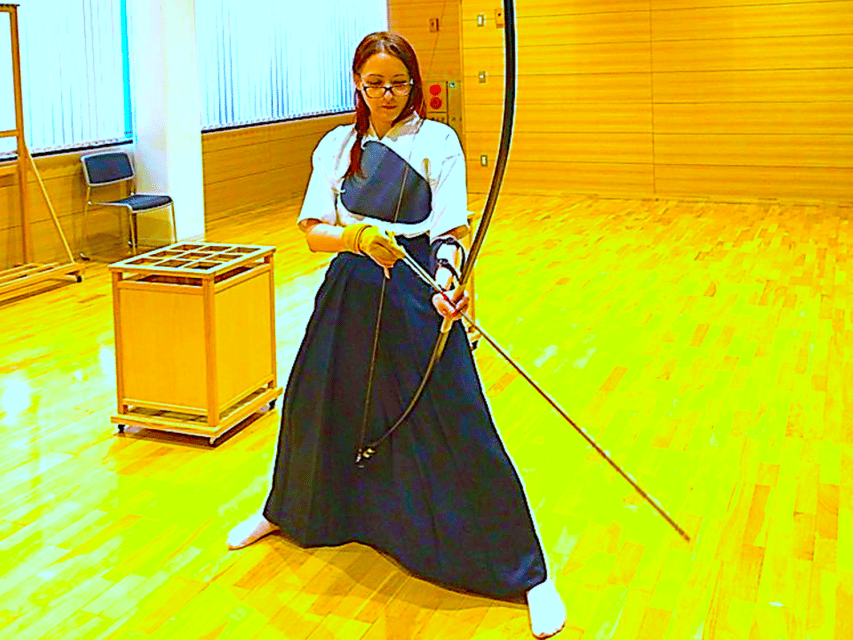
The shooting motion is taught by a Japanese DAN master, and the session is run in English. That combination is big. In Kyudo, small misunderstandings can turn into big form problems. So clear explanation plus a structured method helps you avoid frustration.
In one recent session, the English-speaking instructor was Jun, and the teaching style stood out as highly attentive and encouraging. That matches the general vibe you want from a first Kyudo class: patient correction, quick diagnosis, and motivation that doesn’t bulldoze you.
Here’s what I think you’ll appreciate about the coaching style based on how the class is described:
- You’ll get guidance on your movement, not just vague encouragement.
- You’ll be pushed to repeat the motion so your corrections stick.
- The instructor supports you even when the target feels out of reach.
Also, because you’re practicing in a small group, you’re less likely to get stuck watching others while you wait for your turn. You keep cycling between doing, receiving feedback, and doing again.
Dressing, shooting rules, and the practical stuff that can ruin a day if ignored
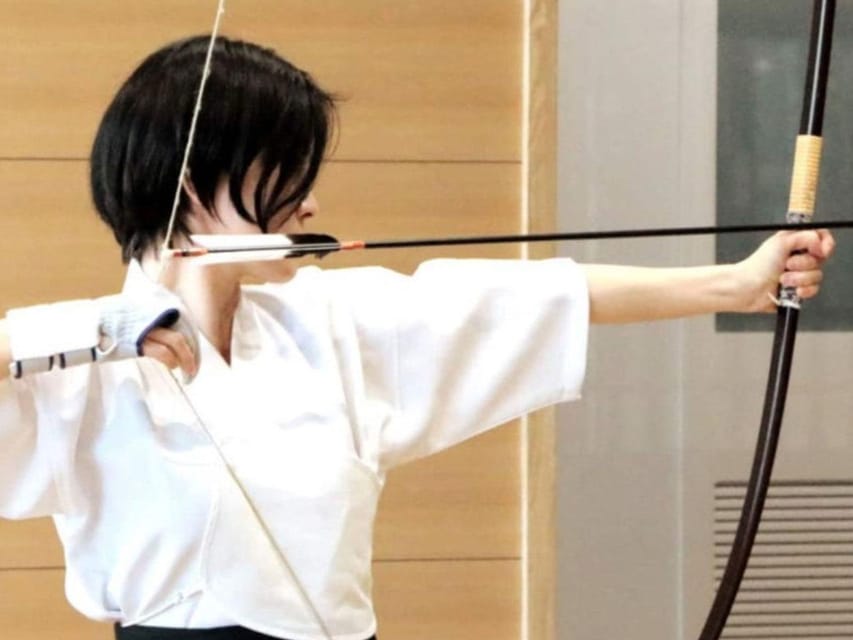
Kyudo is ceremonial, but it’s not fragile. Still, there are a few rules you should treat as part of the experience, not bureaucracy.
What not to do
- No intoxication. This is treated as a strict no.
- If you’re unwell, you won’t be permitted to join.
- The class also notes that people with a cold aren’t suitable for the session.
Arrive on time
- The program departs just on time, and late arrivals can’t join.
- The meeting point is not Tokyo Station, and it can change by day. After booking, you’ll receive the meeting place a few days before the experience.
Venue behavior
- Photography and video recording in the archery facility are restricted. Follow the guide’s instructions.
- There’s also a note that you must pay an additional fee if you want to enter the venue without participating in Kyudo. If you want the full experience, just plan to take part.
Gear and comfort
The dōgi fit is not guaranteed. It’s designed for Japanese body types, and if you have larger arms or weigh over 150 kg, it might not fit. In that case, you may need to participate in regular clothing. I like that they flag this ahead of time, because it means you can plan. If you’re on the larger side, wear easy, movement-friendly clothes.
Also keep in mind age: participants must be at least 13 years old. If you’re going as a family, this is more of a teen-and-adult activity.






Price and value: $122 for 150 minutes in a real Kyudo hall
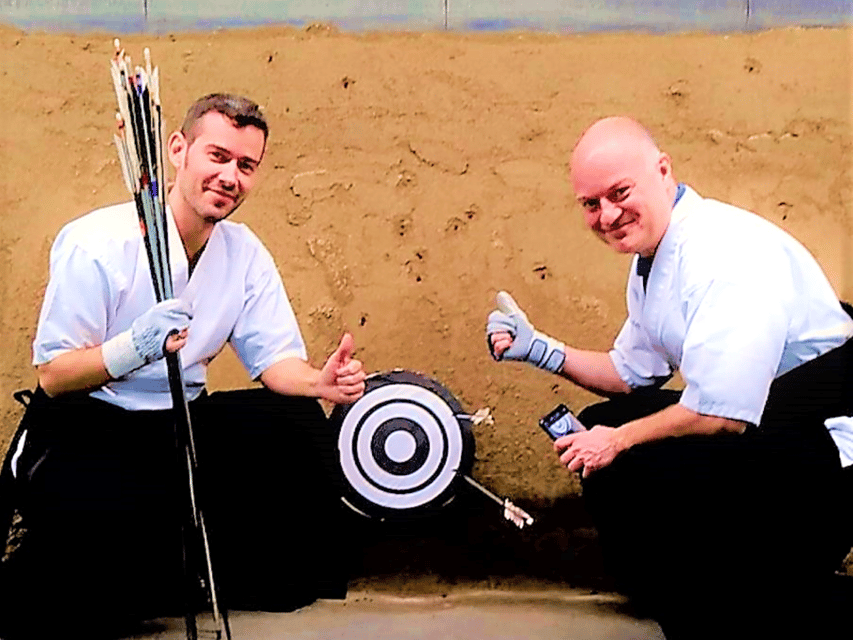
At $122 per person for 150 minutes, this isn’t the cheapest thing you can do in Tokyo. But you’re not paying for a quick try in a theme-park corner.
You’re paying for:
- the experience fee, plus facility usage fee
- rental of a complete set of tools (bow and arrows setup)
And the real value is the quality of practice. You’re in an official setting with a real competition-style range and repeated shooting time. That changes the whole learning curve. If you’ve ever tried an activity where you only get a couple shots, you know how hard it is to judge anything. Here, you have enough time to try many times, so feedback actually matters.
In other words, the money buys repetition with real instruction, not just access.
Who should book this Kyudo experience in Tokyo
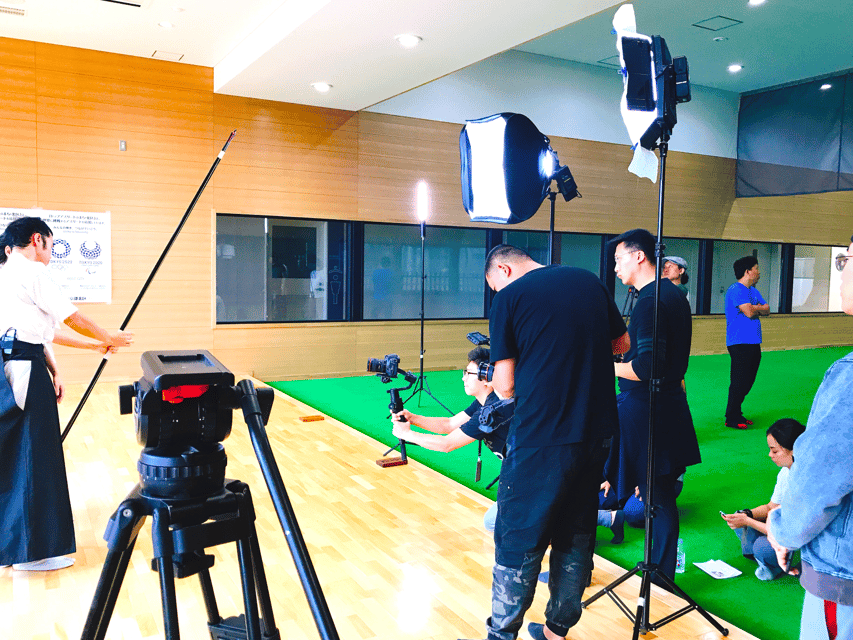
If you want something genuinely Japanese and hands-on, this fits. Kyudo isn’t about speed or power. It’s about control and calm. So it suits people who enjoy learning a precise skill, not only checking a box.
You’ll likely enjoy it most if:
- you want an authentic Kyudo setting (not a staged demonstration)
- you’re comfortable with instruction in English and you like clear coaching
- you want to practice enough times to notice improvement
- you enjoy disciplines with a meditative feel, even if you don’t call it meditation
It may be less ideal if:
- you want a casual, laid-back activity where you can arrive late
- you’re looking for lots of photos and video content (filming is restricted)
- you’re dealing with health issues right now, or you’re coming down with something
Also, it’s not suitable for wheelchair users based on the provided information.
Should you book? My honest take
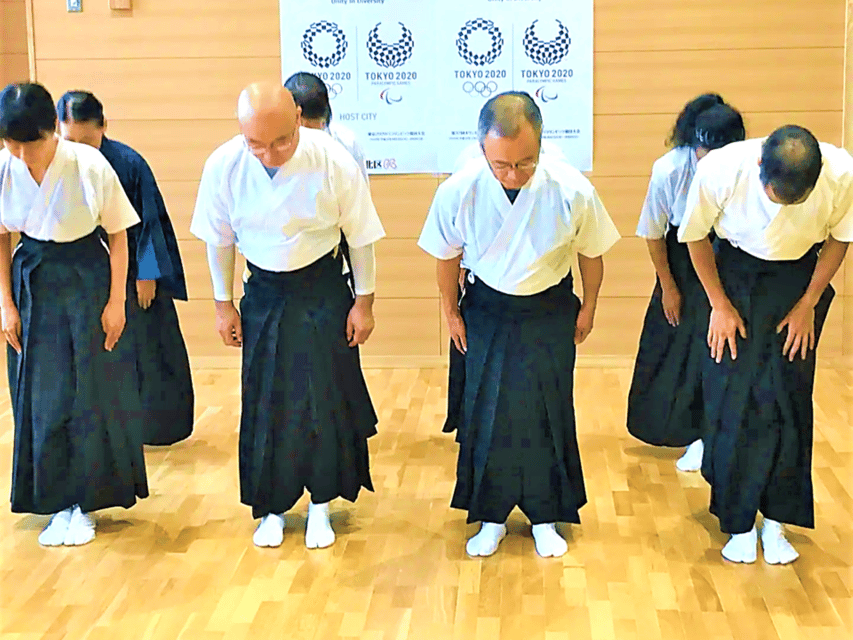
Yes, I’d book this if you want the real Kyudo experience. The hall is described as official, the range is competition-style, you wear a traditional uniform, and you’re coached by a Japanese DAN master with English instruction. That combination is rare in Tokyo.
The main reason to hesitate is not the price. It’s your expectations. This isn’t a guarantee of hitting the center on day one. Even with coaching, you may miss, and that’s part of the learning process. If you can enjoy the form, the discipline, and the repetition, you’ll probably leave with a stronger feeling for Kyudo than a typical first-time activity.
If you’re choosing between trying Kyudo once versus ticking off another short “hands-on” activity, this is the one that gives you time to actually learn.
FAQ
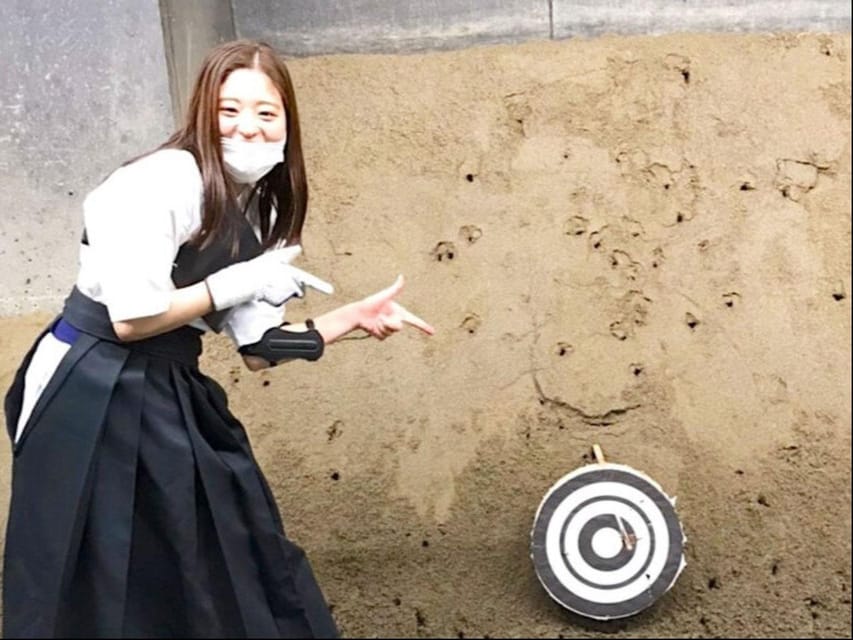
How long is the Japanese archery (Kyudo) experience?
The session lasts 150 minutes.
Is there a limit on group size?
Yes. The experience is limited to 5 participants.
What age do you need to be able to join?
Participants must be at least 13 years old.
Do I need prior archery experience?
No. The program is designed so beginners can enjoy it, and the instructor focuses on explaining the motion clearly.
Where do we meet, and is it near Tokyo Station?
The meeting point is not Tokyo Station. The specific meeting place can vary by day, and you’ll be informed a few days before. Late arrivals cannot join.
Can I take photos or video during the session?
Photography and video recording in the archery facility are restricted. You should follow the guide’s instructions.